

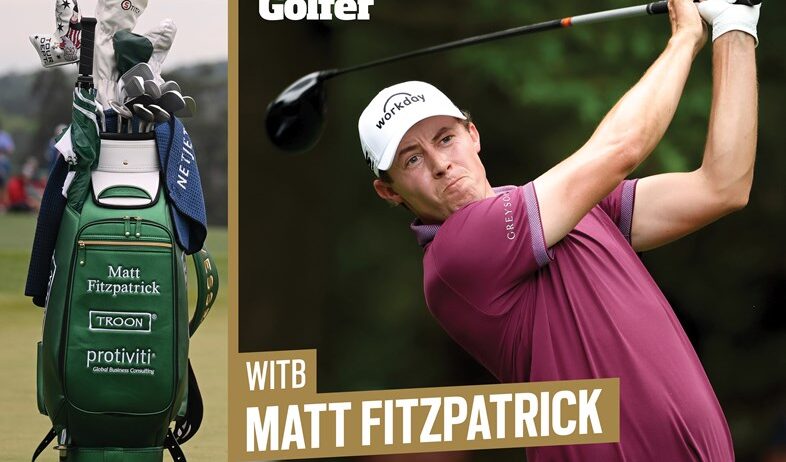
What golf clubs and ball does Matt Fitzpatrick use? Our in-depth review of what’s in the Major champion’s bag.
Matt Fitzpatrick is one of an ever-increasing group of players who enjoys almost-complete freedom when it comes to choosing his golf equipment, with only his putter and shoes part of a contracted deal.
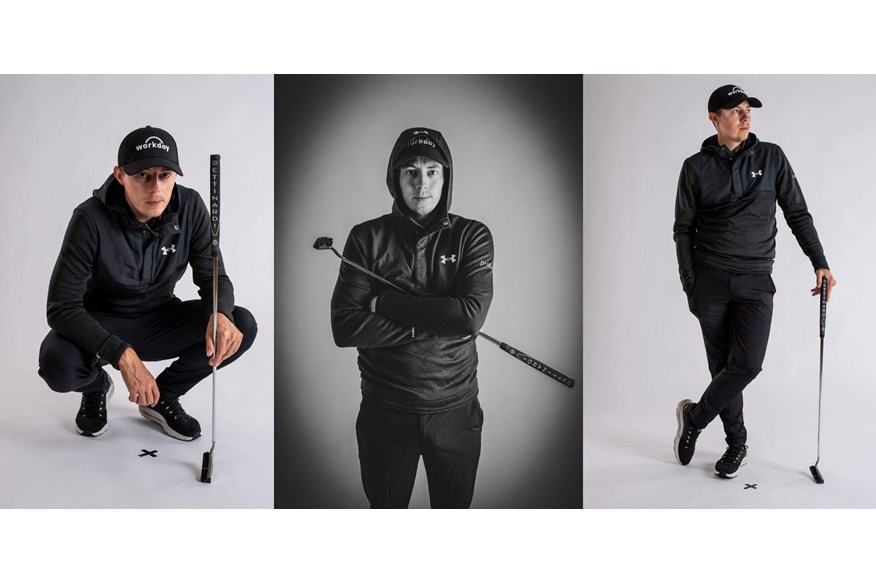
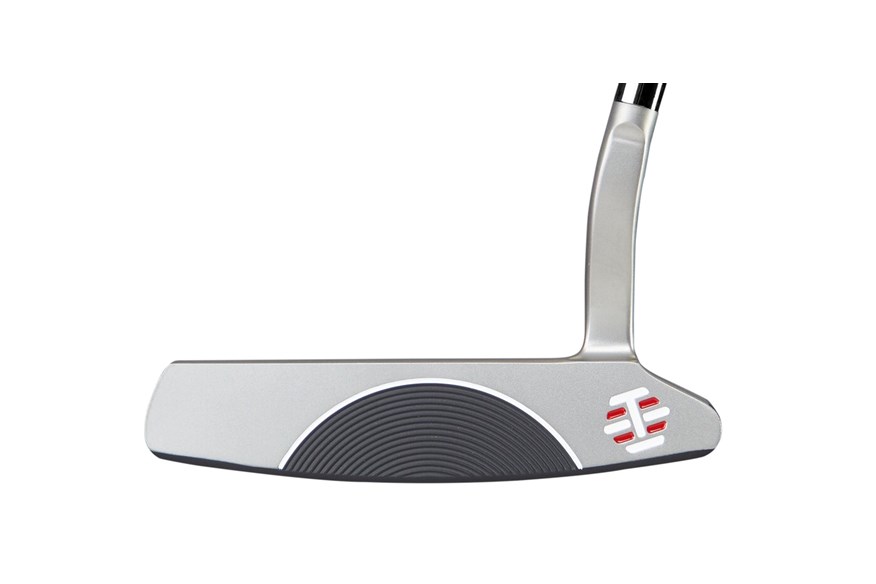
The Englishman signed with Bettinardi in 2021, having used the brand’s DASS BB1 Flow Tour Dept. putter with a custom face milling with great success. Fitzpatrick uses a custom BB1 ‘Fitz’ putter.
The Sheffield-born star, who enjoyed a stellar amateur career before turning pro in 2014, has used Ping irons throughout his career at the highest level and also remains loyal to the Titleist Pro V1x ball with which he’s enjoyed vast success.

As an equipment-free agent, aside from the Bettinardi putter, 13 of the Ryder Cup star’s golf clubs are completely down to him, but Fitzpatrick remains tied in when it comes to his footwear and apparel, having signed a long-term deal with Skechers, who make some of the best golf shoes.
Fitzpatrick plays across both the US and European tours, having consistently played the PGA and DPWT circuits over the years. He has three DP World Tour Championships and five PGA Tour victories, including his incredible US Open victory in 2022.
Fitzpatrick has also marked up several Ryder Cup appearances, most notably earning significant points for Europe in 2025’s Bethpage Black edition.
Matt picked up three of his PGA Tour wins in the 2026 season, with a March title at the Valspar Championship nearly made into two weeks in a row after a second-place finish at The Players, losing out to Cam Young on the final hole, before following up at the RBC Heritage where he made an incredible clutch putt in the first playoff hole against Scottie Scheffler – his second success at Harbour Town and second playoff win at the South Carolina course, after beating Jordan Spieth via a playoff in 2023.
Matt’s brother, Alex Fitzpatrick, is a highly-skilled golfer in his own right, and the two paired up to compete in the 2026 Zurich Classic of New Orleans, a team event that fits perfectly into their sibling dynamic, which the pair added to their victory list. The win also secured PGA Tour playing rights for younger brother Alex.
Let’s take a closer look at what’s in the bag of Matthew Fitzpatrick. And, if you’re in the market for some new gear, find out how all of his clubs performed in our tests of this year’s best equipment.
WITB Matt Fitzpatrick:What driver does Matt Fitzpatrick use?
Matt Fitzpatrick uses a Ping G430 LST driver (9°) with a Mitsubishi Chemical Tensei AV Raw Orange 65 TX shaft
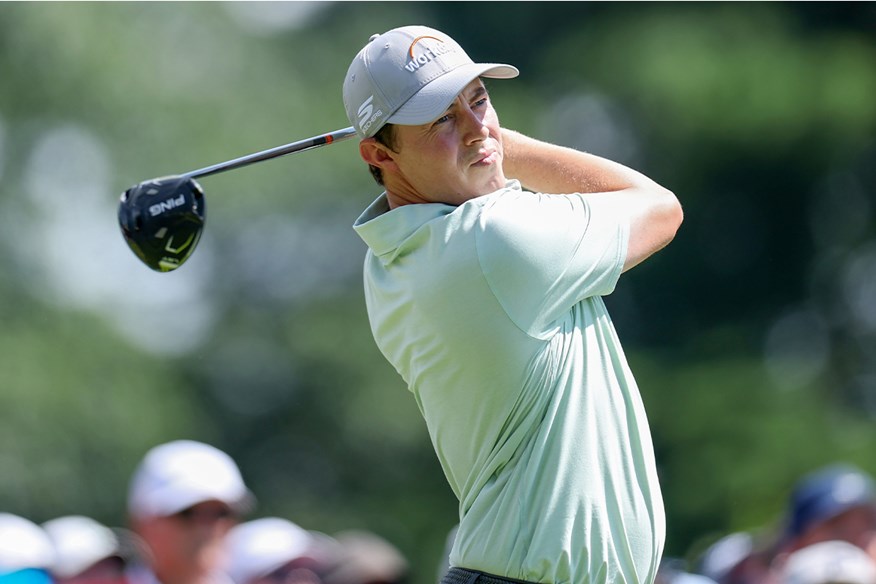
What fairway woods does Matt Fitzpatrick use?
Matt Fitzpatrick uses TaylorMade Qi35 fairway woods (15° and 18°) with Mitsubishi Tensei AV Raw Orange 75 TX shafts
 What irons does Matt Fitzpatrick use?
Matt Fitzpatrick uses a Ping i210 4-iron and S55 irons (5-9) with Project X LZ 6.5 shafts

Specs
Availability 4-PW Stock shafts Ping CFS, KBS Tour or Dynamic Gold S300, X100 or R300 (Steel), Ping TFC 189i (Graphite) 7-iron loft 33° What wedges does Matt Fitzpatrick use?
Matt Fitzpatrick uses Titleist Vokey Design SM10 wedges (48.10F, 52.12F) with True Temper Dynamic Gold 120 X100 shafts and (56.08M and 60.08M@61.5º) with Dynamic Gold Tour Issue S400 shafts
 What putter does Matt Fitzpatrick use?
Matt Fitzpatrick uses a Bettinardi BB1 ‘Fitz’ Prototype putter
 Matt Fitzpatrick had used a Yes Tracy II putter from the age of 16 until joining Bettinardi in 2021. “It was a five-year process before we signed him to team Bettinardi in 2021,” Sam Bettinardi explains in our exclusive interview.
They designed at least 25 putters for the Englishman before he finally settled on the BB1 ‘Fitz’ putter. The Englishman did have a brief stint with the mallet DASS BB48 Prototype putter, before moving back into his BB1 “fitz’. Fitzpatrick is one of the best putters in the game – he holed 42 out of 42 putts inside eight feet during his first PGA Tour win.
Read his six steps to becoming a better putter.
What golf ball does Matt Fitzpatrick use?
Matt Fitzpatrick uses Titleist Pro V1x golf balls
 Sam Bettinardi on creating Matt Fitzpatrick’s putter
How did Bettinardi and Matt Fitzpatrick first meet and start working together?
The relationship started in 2016, we have a mutual friend who, like Matt, was an alumni of Northwestern University in Chicago. I knew they’d played a lot of golf together so I asked for a mutual introduction. He was like there’s no way Matt is ever going to change his putter, he’s been using his Yes Tracy II since he was 16 years old.
I said we should try, Matt is an equipment free agent he’s a player who’s not trapped by a big OEM contract. We got along well and started working together not long after. We made a few initial putters, Matt wanted a few adjustments, but it wasn’t until 2018 that Matt first put a Bettinardi putter in play. He went back to his Yes in 2019, so it’s been a five-year process before we signed him to team Bettinardi in 2021.
Five years is a long time, how many different putters did you make Matt over that period? And how different were they?
We made 25–30 different putters for him. Each has very minor changes as Matt is very discriminate. The types of things his eyes see and what he looks for in a putter would never be spotted by a lot of tour players, let alone club golfers. Matt notices everything, our team had to step it up to get him a putter he was happy with.
Part of the 25–30 putters we made was him trying our Bettinardi face milling patterns which can alter roll, feel and sound. But he likes the sense of using what he knows, so he kept going back to what he’s used for a lot of his life, the C-Groove technology on his Yes putter. Matt’s really particular about how the topline of the putter is polished so it has a nice silver color, and the putter body absolutely has to be black.
Give us an idea of the amount of time Bettinardi have invested in Matt.
Starting from scratch like this and making a complete custom putter from head shape all the way through to a personal face milling pattern is not a quick process at all. It started with Matt and I having a conversation. I took Matt’s requirements over to our engineers and we 3D printed the first head. Once Matt had signed off on that we went ahead and machined the first head, then it needed polishing, finishing and assembling.
Each additional putter sample then involves tweaking CAD files to produce a slightly different head, we went through this process 25 – 30 times to finally come up with one putter that Matt was happy with and wanted to put into play. Don’t forget he’s a top 20 player in the world and one of the game’s very best putters. Now we’ve got there with him we’ve run off a number of his heads as raw back-ups which gives us some wiggle room.
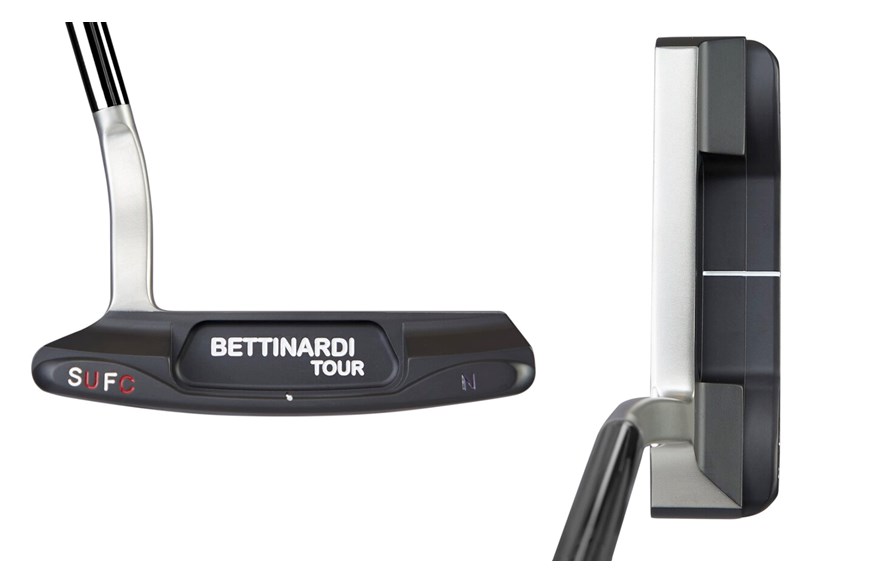
What did Matt like about the Bettinardi DASS BB1 Flow Tour Dept model that he’s put into play? Why did he choose that particular one?
A lot of it was getting the feel that he wanted off the face. Thanks to the Yes C-Groove patent having expired we could create our own C-Groove pattern. We improved on the groove shaping (our faces are milled so we can very closely control every dimension), which gave Matt the perfect setup but with the safety of generating a familiar look and cosmetics and the predictable results that he’s accustomed to. Nailing the offset was absolutely key too, but nothing on tour stands still so we’re still talking about offset.
Offset (the distance between the leading edge and the hosel) is really personal on a putter and Matt’s eyes analyze it really closely. Matt’s putter is a flow neck model so there are no straight edges or angles leading into the head of the putter. While some players like seeing ¾ of a shaft width of hosel offset others prefer an 8th, Matt likes a 6th, which gives the perfect look and suits his hand position and putting style.
The head weight of the putter also has to be exact. Our production putters have a tolerance of +/-1g, so if the head weight is 362g customers get a putter at either 361g, 362g or 363g. Matt’s putters have to be exact and he likes his putters to be 346g, so they have to be 346g, and the swing weight needs to be spot on too. We can do that here at Bettinardi as everything is milled in-house in the USA and our quality control standards are second to none. We knew we’d nailed it when Matt won the 2020 DP World Tour Championship in Dubai on his first week out with his DASS BB1 Flow putter.
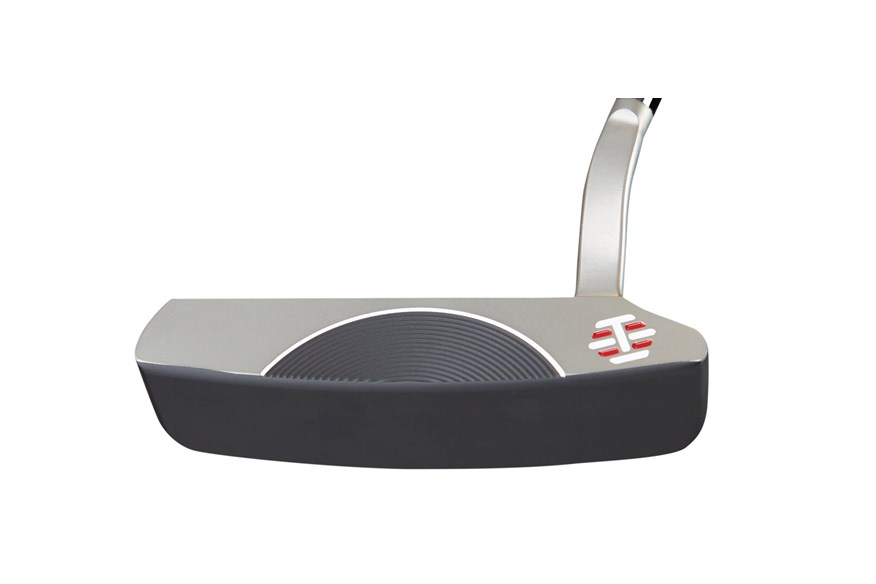
Why do you think Matt was so attached to the Yes Tracy putter?
It was a familiarity thing, having used it since he was 16 years old he knew the shape and feel inside out. When we approached him about working with us, he was buying Yes Tracy putters from eBay as back-ups. The brand wasn’t about anymore so it was his only option.
A few years ago he came up to see our facility in Chicago and I think he liked how he could have anything he wanted. It didn’t matter if he drew something on a napkin, or if he had a particular design in his mind, he realized we could make it for him. He enjoyed learning about what we could do milling-wise and understanding that anything was possible, in my mind it’s what made the relationship.
I think we were Matt’s security blanket, he wanted to try something new and feel safe in the knowledge that we could create the C-Groove for him, but also produce exact back-ups so he could experiment along the way, that’s a service he just couldn’t get from Yes anymore.
I give some credit to Yes in the way they developed their technology, it wasn’t easy to replicate. We make putters for Fred Couples, Matt Kuchar and Jason Kokrak and what we’ve learned from working on creating Matt’s C-Groove design is that by removing face material (like we do on our FIT and Roll Control putter faces) you get a softer feel, but it’s actually a whole lot more than that.
The specific angle at which grooves are cut really affects feel, roll and sound. It took a lot of reverse engineering to realize the feel, roll and sound expectations that Matt had become accustomed to with the Yes putter.
I see comments on social media asking if Bettinardi will bring back the C-Groove but our Roll Control Face is very similar in terms of performance.
Where do you spend most of your test time with Matt? In the Bettinardi putting lab (Studio B) or out on tour?
We’ve had him in Studio B a couple of times, but we also have PGA and European Tour Reps that spend time with him constantly. We use Quintic analysis software and it’s just silly how good his putting numbers are. Time after time, the consistency of how he repeats the ball coming off the putter face and starts it rolling is ridiculously good.
My fathers been making putters for some of the best players in the world since 1991, I’ve been involved in the putter world all my life and Matt is one of the few players who’ll pick up on the tiniest of subtleties, players like this usually tend to be the best putters.
We worked with Francesco Molinari when he had the best year of his life in 2018 (winning twice on tour including The Open, plus a dominant performance in the Ryder Cup), we’ve made putters for Fred Couples, Matt Kuchar, Jim Furyk and Vijay Singh all of whom are major winners. Matt is knocking on that door too, but in terms of how to discriminate he is he’s top caliber.
How long does it take to make Matt a new putter? And does he travel with back-up models?
If we’re starting from one of the back-up blanks we’ve previously created for Matt we can turn something around in three to five days. But if we run out of those heads we’re talking five to 10 days.
Matt travels with a DASS BB1 Flow Tour Dept putter at both 2.5° and 3.5° of loft. Depending on the conditions of the greens he’ll switch and swap the lofts instead of having our tour rep bend the loft each week. Matt likes to have the exact loft milled into each face so all the other dimensions of the head remain constant.
Where the greens are likely to be fast he’ll use the 2.5° loft, whereas if he’s playing out on the west coast at Pebble Beach or Riviera he’ll go with the higher loft because of the Poa annua greens.
A lot of Bettinardi Tour Dept putters are made from DASS (Double-Aged Stainless Steel), what is DASS and what does it do?
As we mill all of our own putters in our own facility we like to use the very best materials, especially when it comes to the best players in the world. In order to get a little bit softer feel we send our 303 stainless steel to a heat treatment company. They heat the metal up to 600°F before pulling it out of the oven and letting it cool. The metal’s heated again to 450°F before being left to cool a second time. What we’re doing is annealing the steel, aging it twice, so it’s softer for machining but also gives a softer feel playability wise too.
Think of it like aging a wine. We’ve been doing it for 15 years and some of our players have loved the feel because it’s second to none.
Finally, what it does mean to have a player like Matt playing Bettinardi? And we’ve heard you have an interesting story about his putter grip?
Every day it seems new putter companies pop up because somebody has a milling machine and they feel they can make putters. Not everyone has tour players though, and not everyone has tour and major victories under their belt. Matt is a top 20 player in the world so it’s immediate validation. When you buy Bettinardi you’re buying into a company that has 23 years of experience of milling putters under their own name (and an additional 7 years of producing for others), and we’ve racked up over 90 worldwide tour victories in that time. It’s been a great relationship stretching back to 2016, we’ve worked really hard to keep Matt happy, it’s been fun.
Matt’s used a Winn AVS grip for quite some time (we usually use Lamkin putter grips), so when he joined team Bettinardi we wanted to give him exactly what he was familiar with. Matt likes a rugged, worn feel to his putter grip, so when we put a new grip on his putter we’ll take a knife blade and some sandpaper and rough it up so it has the feel of a worn-out grip. He switched to the Bettinardi Winn grip right after the Masters this year and he’s used it religiously since.