

*In Partnership with Titleist*
How do you make a great driver even better?
This is the million-dollar question every golf equipment manufacturer deals with once a new product is in the market. And to be fair, it’s a tough one to answer. But, with the goal of constant improvement, the engineers at Titleist have found their next improvement with the GTS series, which features several upgrades over the previous generation GT.
It starts with the body and ends with the face, but the most important factor is how everything works together to help golfers find an even finer degree of fitting. This is made possible with the new weight systems found in each of the 3 models: the GTS2, GTS3, and GTS4.
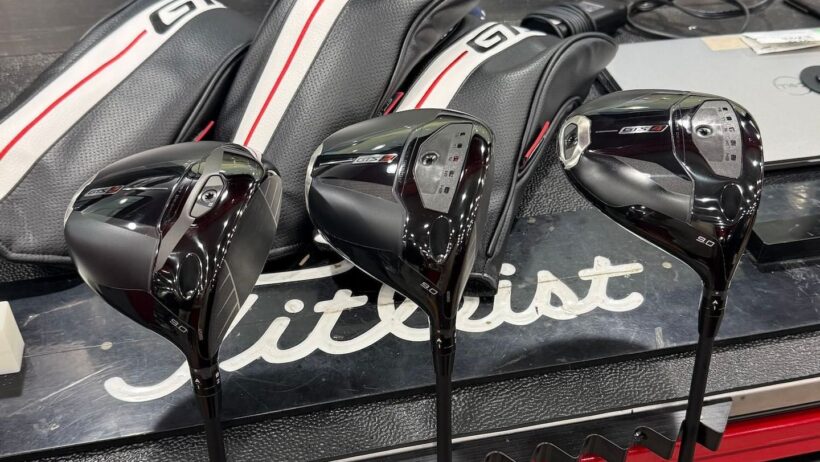
In this Bench Tested episode, we’re taking a look at Titleist’s new GTS driver series and how, with 3 models to choose from, plus their dual-weighting system, it’s easier than ever to get dialed into the right model to fit your game and gain every advantage you can off the tee.
How Split-Mass Technology Works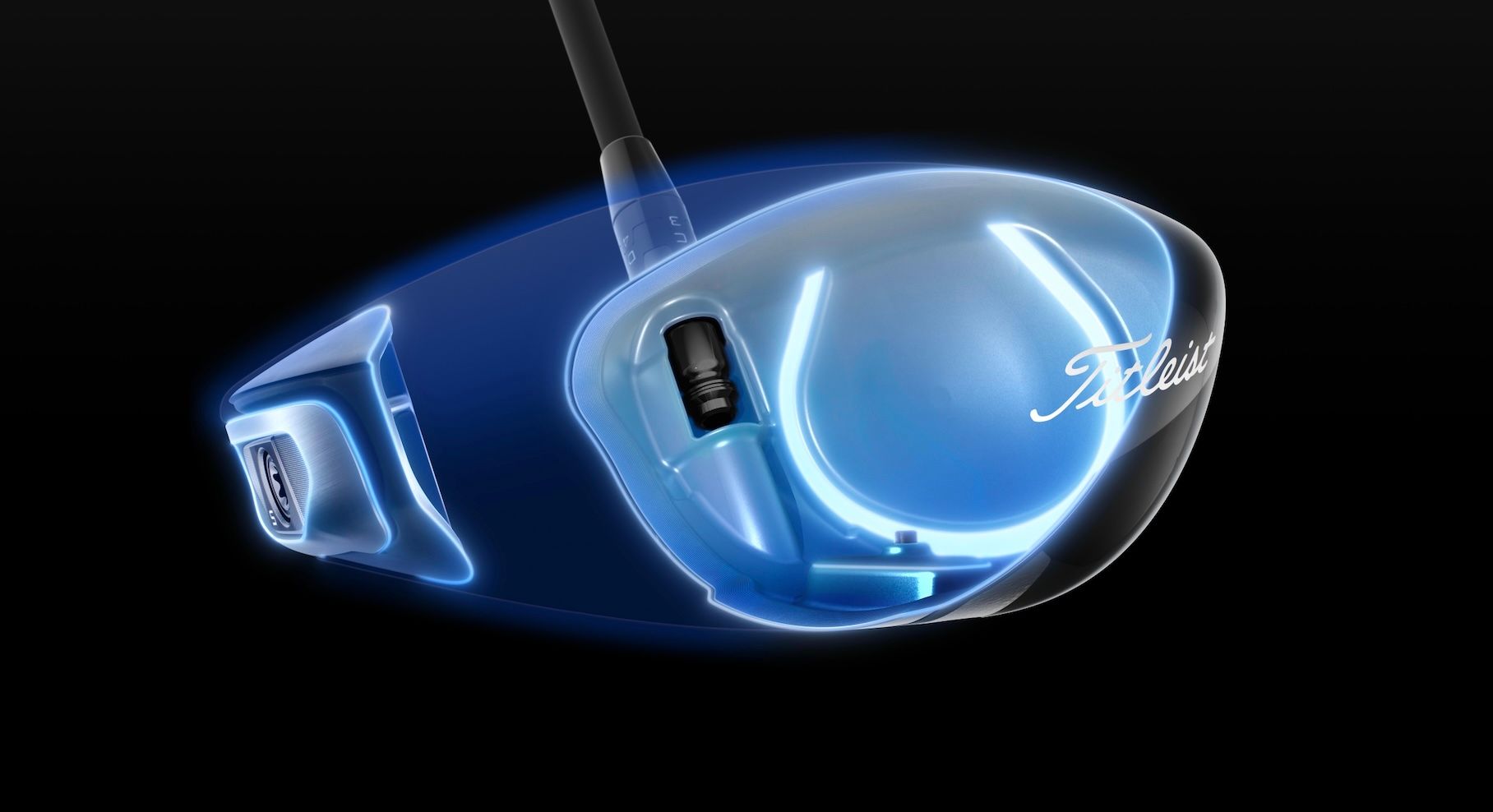
The GT drivers introduced us to Titleist’s Split Mass construction, which saves weight from the middle of the body of the driver to reposition it forward and back in the head to raise forgiveness. This was made possible with Titleist’s PMP (Proprietary Matrix Polymer) composite that saved weight from the crown and skirt of the driver.
Now with the GTS Split mass is taken even further because rather than just using PMP on the crown and skirt, it now wraps around the entire midsection of the driver. This means more free’d up mass to be utilized in different areas – which is exactly how the new models ended up with added adjustability with more stability built in.
For some perspective, the GTS uses double the amount of PMP which takes of 60% of the drivers total surface area while only weighing 13% of the heads total mass.
We know that forward CGs drive speed with great launch and spin characteristics, but you need to be able to do that with an inertial stability that still preserves ball speed, launch and spin consistency on off-center hits. We’ve never before been able to hit these CG positions and inertia properties at the same time, and we’re achieving that because of GTS’ construction.
Stephanie Luttrell, Titleist’s Senior Director of Metalwood R&D
Faster Face Design – Speed Sync
Building off the previous GT Speed ring design, which placed a thicker support structure around the face insert, the new Speed Sync face uses the top of the face as the support structure and opens up like a big “U” rather than a full circle behind the impact area.
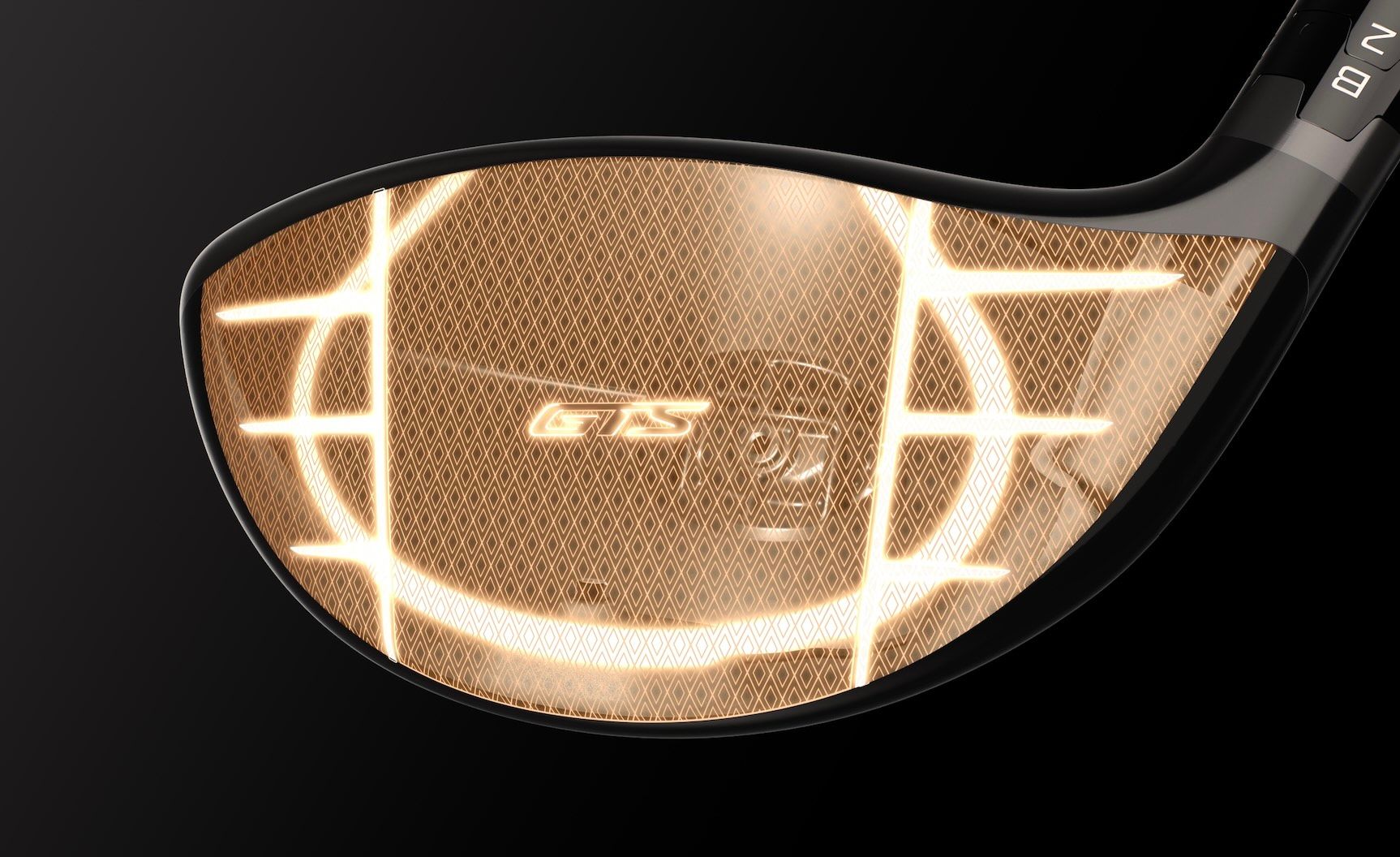
The result is a face that offers more flex above the sweet spot, to generate faster ball speeds in an area that traditionally sees speeds drop quickly.
The result is better ball speeds paired with more stable head designs to deliver more distance more often for more golfers.
GTS Driver Models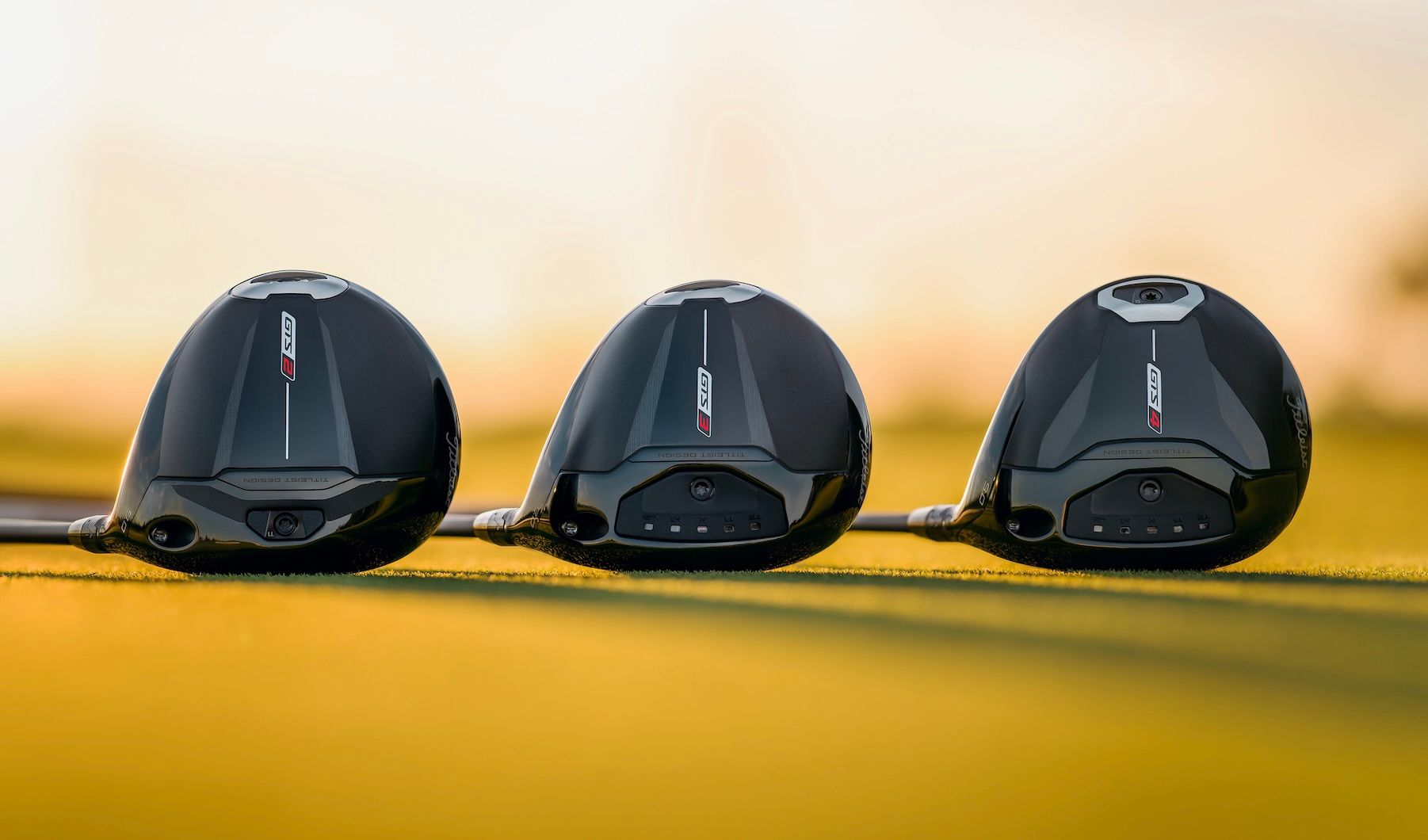 GTS2 – “The Fast & Forgiving One”
With adjustable front and back weights, plus an optimized aerodynamic shape, the GTS 2 is built for players looking to add launch and control spin.
Loft Options: 8.0, 9.0, 10.0, 11.0 (RH/LH)
GTS3 – “For Speed & Control”
Designed to offer additional control and lower launch compared to the GTS2, the GTS3 gives golfers a smaller profile and control with the help of a sure-fit weight track and deeper face.
Loft Options: 8.0, 9.0, 10.0, 11.0 (RH/LH)
GTS4 – “Low Spin Speed” 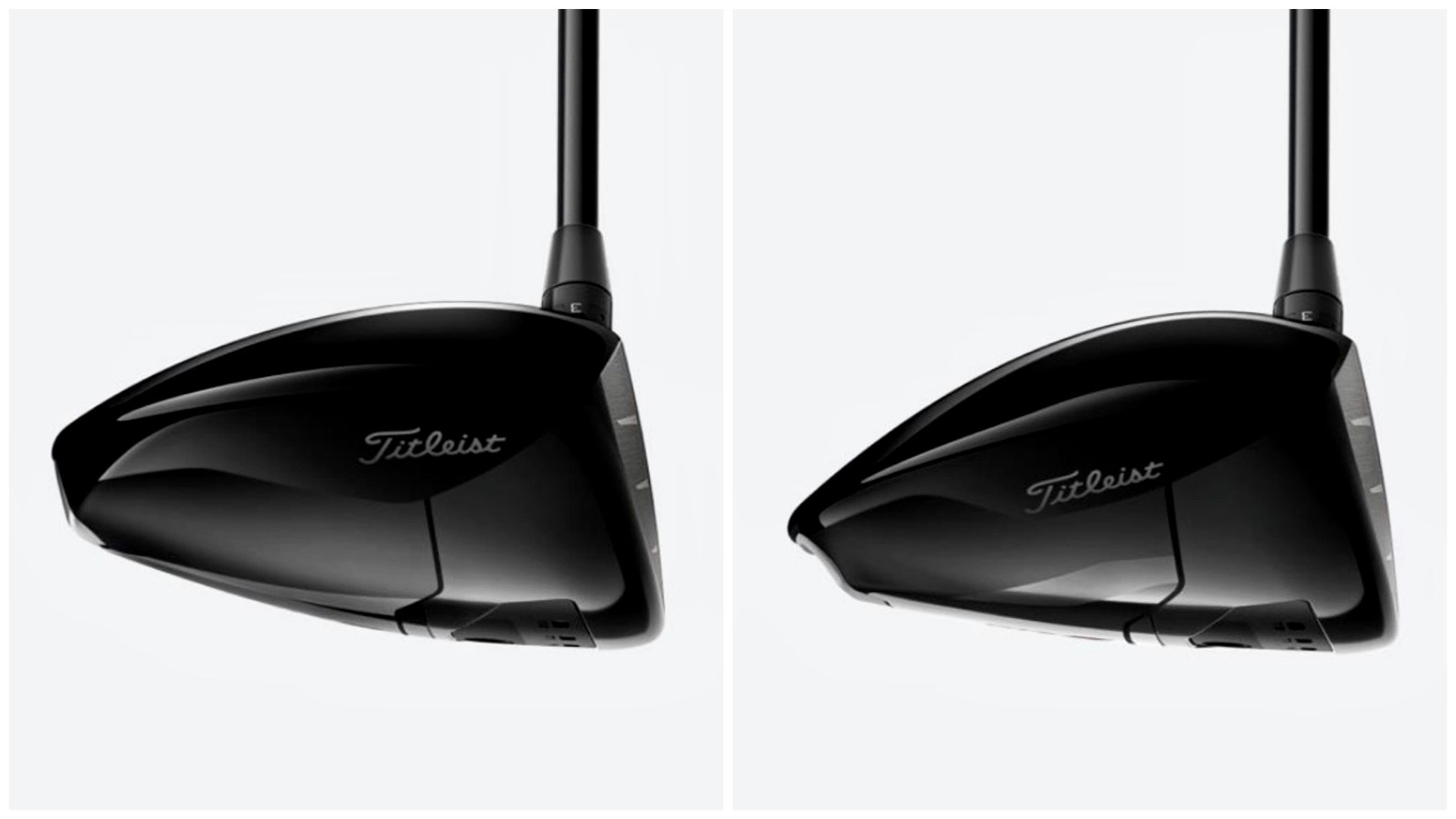
(GTS3 vs GTS4 geometry)
Like previous “4” models, the GTS4 is the lowest spinning of the GTS models and has been engineered to maximize distance by lowering spin. The biggest change is that the GTS4 is now 460cc (like the GTS3 and GTS2) to add extra forgiveness and stability on mishits.
As the side-by-side above demonstrates, the crown of the GTS4 drops significantly faster to produce a lower center of gravity compared to the GTS3
Loft Options: 8.0, 9.0, 10.0 (RH/LH)