

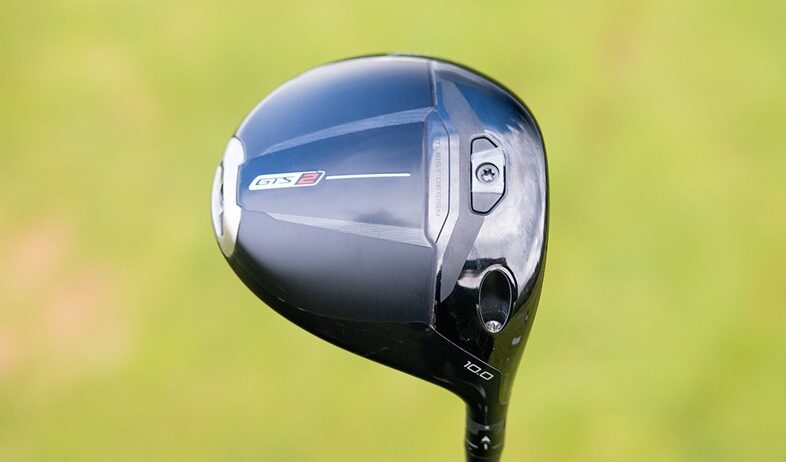
It may not be the outright fastest driver of 2026, but the Titleist GTS2 could be the one that lowers scores the most for amateur golfers.
The new Titleist GTS2 driver wasn’t supposed to make me rethink my driver setup this quickly.
After 72 holes, though, that’s exactly what happened.
I’ve been gaming our best drivers 2026 winner, the Callaway Quantum Triple Diamond since the start of the year and I thought it was locked in for the rest of the season. Then Titleist handed me the GTS2.
The new Titleist GTS2 driver sits alongside the lower-spinning GTS3 and GTS4 in the company’s 2026 lineup (find out more about them all and the new tech here), but for me, this is the standout model – and likely the one that will suit the majority of amateur golfers best.
It’s longer front-to-back than the previous GT2, noticeably more forgiving than the compact GTS3 and GTS4, and blends speed, stability, and consistency in a way very few drivers manage.
The previous GT family remained high in our best driver rankings throughout both 2025 and 2026, so the relatively early arrival of the GTS family came as a surprise. But after conversations with the Titleist team and time testing the club at the Titleist Performance Centre at Woburn Golf Club, it became clear this wasn’t just a minor update.
Titleist believed the jump from GT to GTS was bigger than the move from TSR to GT.
After testing my fully-fitted model on the launch monitor and over multiple rounds on the course, I can see why.
Quick verdict
A seriously impressive all-around driver that combines speed, forgiveness, and consistency in a premium-looking package. I’ve tested faster drivers in 2026, but very few that feel more likely to improve my scores than the Titleist GTS2.
The king of drivers for any amateur golfer

Pros & Cons Ratings Specs Features
Pros Significant improvement noticed on-course from previous model, notably dispersion across the face. Premium adjustability for all golfersCan suit a professional golfer or a 36 handicapper Cons Preferred the aesthetics of the GT family, but that is subjective
Looks, Sound, Feel
Technology
Performance
Final Verdict
RRP £629.00 / $699.99 Lofts 8.0º / 9.0º / 10.0° / 11.0º (RH/LH) Head Size 460cc Lie 58.5º Standard Shaft Length 45.5″ Weights Dual-weight system; 11g forward, 5g back (standard) Stock Shaft Options Mitsubishi Tensei 1K White / Mitsubishi Tensei 1K Blue / Mitsubishi Tensei 1K Red / Project X TITAN Black Stock Grip Titleist Universal Grip Full-Body PMP Split Mass Frame for higher MOISpeed Sync face for improved off-center strikes
Looks, sound and feel: 4/5
When Titleist unveiled the GTS family earlier this year, I immediately ended up in debate with my colleague Lewis Daff about the looks of the new range.
Initially, I was slightly underwhelmed by the silver rear port design. Compared to the GT family, which absolutely oozed premium elegance, the silver finish felt like a small step backwards aesthetically. Silver can sometimes look slightly cheaper visually, but after speaking with the Titleist R&D team, I understood exactly why the change had been made.
One thing is certain: the new GTS models stand out much more clearly from every angle.
When you’re watching live golf at events like the Masters or The Open, it can sometimes be difficult to immediately identify a Titleist driver in play. That silver rear section changes that instantly.
At address, though, Titleist still absolutely deliver.
The Titleist GTS2 driver has the clean, confidence-inspiring look golfers expect from the brand. Compared to the previous GT2, it appears slightly longer from front to back and noticeably larger than the GTS3 and GTS4. Don’t mistake that for oversized, though. This is nowhere near the bulbous shaping seen on drivers like the TaylorMade Qi35.
It still looks aerodynamic and fast behind the ball, with the larger footprint simply adding confidence for golfers who want forgiveness without sacrificing a more traditional shape.
The glossy crown finish paired with the understated GTS branding is another classic Titleist touch. If you’re a golf traditionalist, the GTS2 will tick plenty of boxes.

Sound and feel across the face were also a pleasant surprise.
Out of the center, the powerful yet premium thud that has become synonymous with Titleist drivers remains intact. There’s a real trampoline-like sensation at impact that immediately makes you want to look up and see how far the ball has flown.
The bigger changes came on mishits.
Toe and heel strikes provided much clearer feedback than the previous GT2. My miss tends to live out on the toe, so I’ve built up a fairly good understanding of how different drivers react in that area. The GTS2 feels noticeably more responsive than the previous model. Toe strikes sounded duller and less pleasing acoustically, but still retained impressive speed and stability.
Heel strikes behaved similarly. I could instantly feel where impact had occurred before even watching the ball flight.
That isn’t a negative. If anything, it gives the GTS2 a more responsive and connected feel than the previous generation.
Tech: 4.5/5
You always expect technology upgrades when Titleist add another letter to a product family, but the move from GT to GTS feels more significant than usual.
The biggest talking point centers around the evolution of Titleist’s PMP (Proprietary Matrix Polymer) material.
In the previous GT drivers, there was 13g of PMP material in each head. In the new GTS family, that figure has doubled to 26g while now covering around 60% of the body through a 360-degree wraparound construction.
Most impressively, that 26g only accounts for 13% of the total driver head mass.
The purpose of this redesign is simple: reposition weight more effectively.
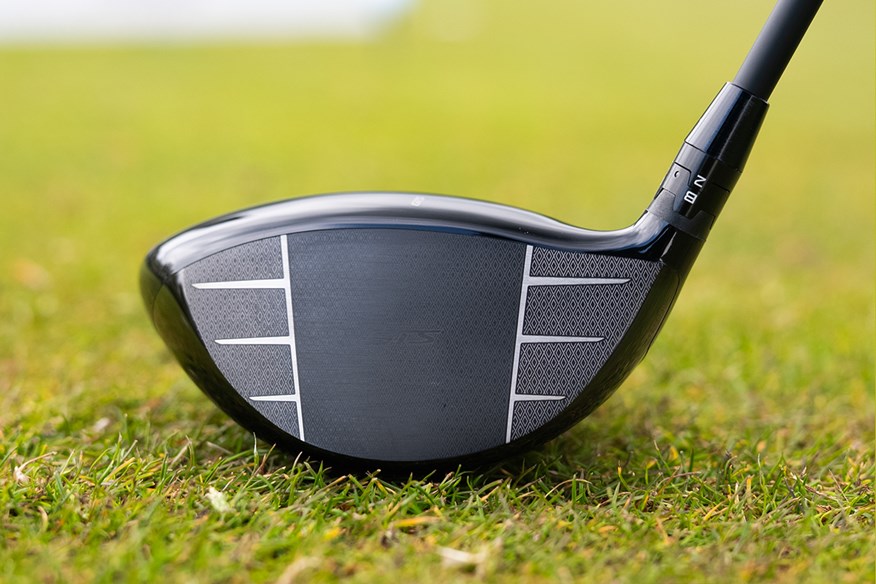
Using the dual weighting system and split-mass construction visible in the Titleist GTS2 driver, more mass is pushed deeper into the rear of the head to optimize MOI and forgiveness, while remaining discretionary weight is positioned lower and closer to the face to improve ball speed and launch conditions.
The Speedring VFT face has also evolved into what Titleist now call the Speed Sync Face. The support structure behind the face is thicker in key areas and thinner in others to optimize COR and preserve speed more effectively on off-center strikes.
On paper, it’s a very clever evolution of a driver family that already felt close to complete.
If the performance matched the technology claims, this always had the potential to become one of the best drivers of 2026.
Performance: 4.5/5
My original fitting session for the GT family led me straight into the Titleist GTS2 driver in 8 degrees paired with a Graphite Design Tour AD-VF 6X shaft.
As with any fitting, once you land on the right setup it suddenly feels difficult to hit a true disaster shot. By that, I mean the sort of drive that immediately puts reloading from the tee into your mind.
With the GTS2, though, I found myself hitting frozen ropes repeatedly, which even impressed Titleist Master Fitter John Bean – and he’s seen my golf swing on plenty of off days.

Clubhead Speed (MPH)Ball Speed (MPH)Launch AngleSpin Rate (RPM)Carry (Yards)121.0179.011.62836306.1
Fitting bay performance is one thing. The real test is whether the driver backs it up on the course.
I took the GTS2 to my home club, Hever Castle, where driver comes into play on nine holes, and put 72 holes into the club over several rounds.
Honestly, my ball-striking during testing wasn’t at its sharpest. In many ways, that ended up being the perfect test for this driver.
The absolute center strikes still produced the numbers you’d expect from a premium modern driver, but I’ve tested outright faster models in 2026. The Callaway Quantum Triple Diamond Max immediately springs to mind.
Where the Titleist GTS2 truly separated itself was forgiveness.
Across those 72 holes, I didn’t hit a single genuine “round-ruiner” off the tee, despite producing several strikes that absolutely deserved to end up in trouble. Toe strikes repeatedly stayed playable and found fairways when I fully expected to be searching for another ball.
My final drive of testing even rolled out beyond the 360-yard mark despite contact not being anywhere near perfect.
That’s where the technological improvements genuinely started to show themselves on the golf course.
The Titleist GTS2 driver retained ball speed exceptionally well across the face while producing remarkably tight dispersion for a driver that still feels powerful and workable.
Titleist have spoken heavily about improvements in both speed and accuracy with the GTS family, and based on my testing, those claims absolutely stack up.
Final Verdict: 4.4/5
The Titleist GTS2 may not be the outright fastest driver of 2026, but it could well be the best driver for amateur golfers who genuinely want to improve their overall performance off the tee.
The combination of premium aesthetics, excellent ball speed retention, and exceptional dispersion on mishits makes this one of the most complete drivers I’ve tested this year.
More importantly, it has genuinely made me question whether my current driver deserves to stay in the bag long term – and very few clubs manage to do that.
If you currently use a driver that’s five years old or older, I’d strongly recommend getting fit for the Titleist GTS2 driver. The performance gains, particularly on off-center strikes, are very noticeable both on the launch monitor and out on the course.
Similar drivers to consider
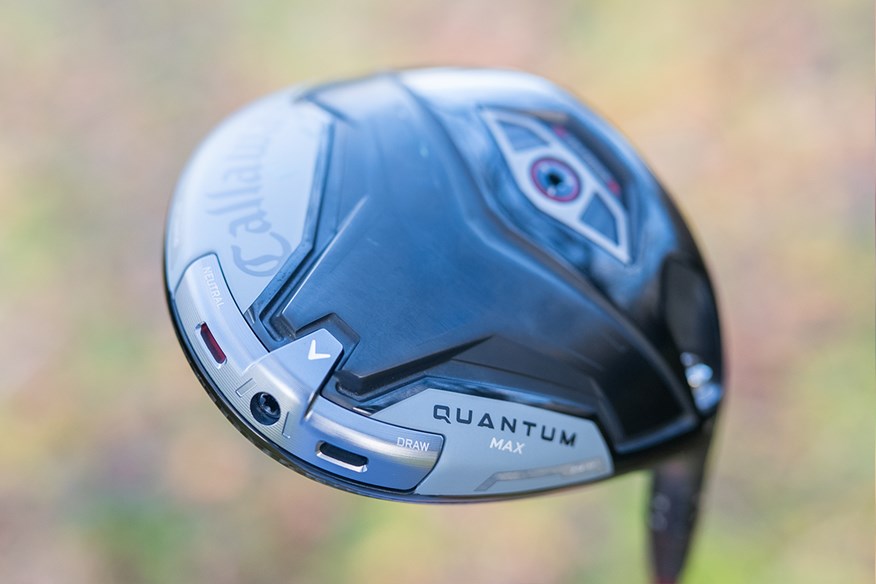
The everyman driver
Pros & Cons Ratings Specs Features
Pros Impressive speed across the entire face, improving off previous iteration Fantastic feel from the sweetpost, very explosive Premium adjustability with OptiFit and perimter weighting Cons Shelf appeal lacks the buzz that the Triple Diamond models ooze.
Looks
Tech
Performance
Overall
RRP £599/$649 Lofts 9˚ 10.5˚ 12˚ (12 Custom LH only)
Head Size 460CC Standard Length 45.75” Shaft Options TRUE TEMPER DENALI FROST SILVER 50g (R, S), 60g (S, X), MITSUBISHI CHEMICAL VANQUISH 40g (R2) Tri Force faceAdjustable perimter weighting Ai-optimised faceClean, streamlined shape
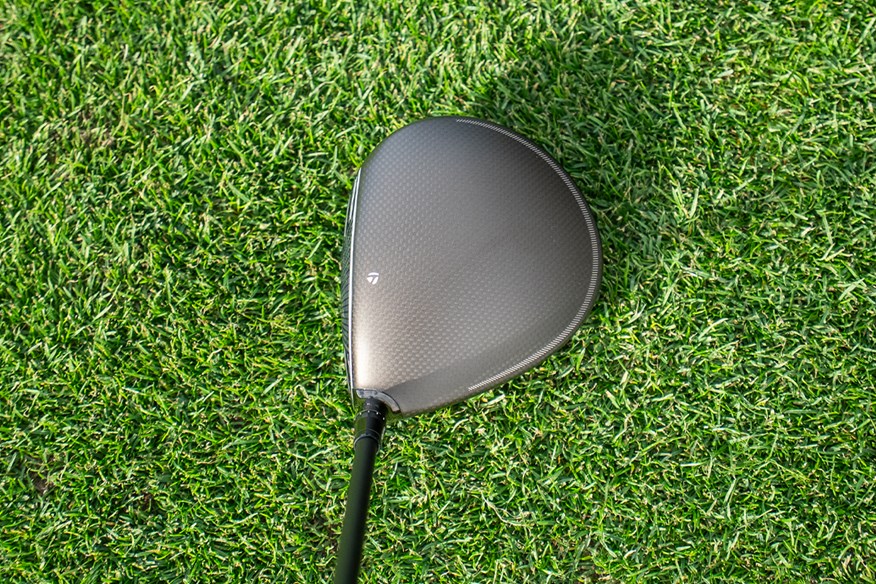
The holy grail of spin consistency
Pros & Cons Ratings Specs Features
Pros I haven’t hit a more consistent driver ever from a data point of viewThe best driver ever made for golfers who strike it low on the facefar more flattering shelf appeal and profile at addressThe perfect amount of adjustablity Cons I cannot get on with the feel of this club, many other brands feel a lot better
Looks
Technology
Performance
Overall
RRP £549.00 / $649.00 Lofts 8º (RH), 9° / 10.5°/12° (RH/LH) Head Size 460cc Standard Shaft Length 45.75 Stock Shaft Options Mitsubishi REAX MR,LR,HR Stock Grip Golf Pride Z-Grip Black/Silver New, slimmer profile More loft optionsCustom fitting revolutionary shaft procedure 60x Carbon face