

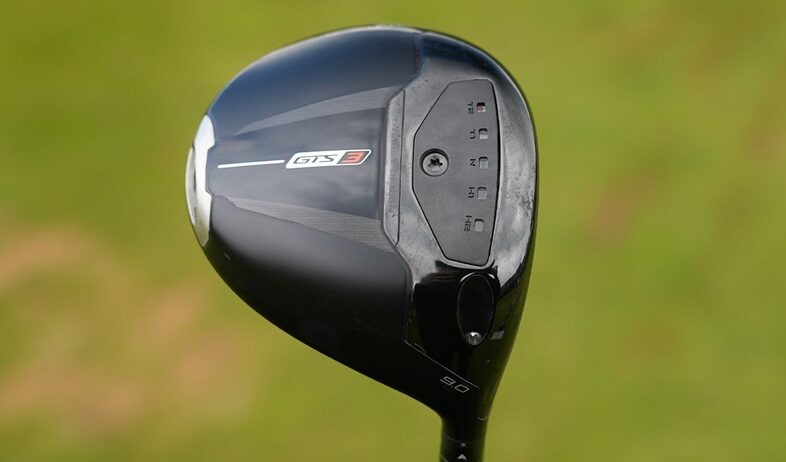
The new Titleist GTS3 driver is looking to play a key role in the 2026 family release through significant improvements to aerodynamics, stability, and total ball flight control, but is that enough.
When we talk about the best drivers in the game, it’s hard to not mention Titleist in the conversation. The previous generation earned incredible accolades, including Today’s Golfer’s highest award in last season’s testing, so the new Titleist GTS3 driver certainly has pressure on it to perform.
The Acushnet-owned brand, however, seem to be perfectly relaxed with the new release’s ability to contend through a bevy of redesigned and rebuilt technology that they believe will come together to create the most versatile driver on the market in terms of ball flight control.
My experience with GTS3 over the last few weeks of play has given me more than enough time to digest the differences that Titleist are touting, and consider whether they’ve accomplished the impossible and beaten my favorite driver of all time, or if GTS3 has lost what made me fall in love before.
Quick Verdict
The Titleist GTS3 driver offers even more flight control than the GT3 model it follows, along with even more feeling of speed. All the new technological additions make perfect sense and you can see and feel the difference on the golf course, but the updated body that supports the aerodynamic improvements and club head speed gains may also be a challenge for golfers who love the classic shape at address of the last generation.
Precision flight control, powerful ball speed
Pros & Cons Ratings Specs Features
Pros The new Dual Weighting makes this one of the most versatile drivers on the marketBall speeds feel like they’ve be pushed even further, againGTS3 is still the best sound/feel driver available, in my opinion Cons I’m not in love with the address look of the new aerodynamic shape
Looks, Sound, Feel
Technology
Performance
Final Verdict
RRP £629.00 / $699.99 Lofts 8.0º / 9.0º / 10.0° / 11.0º (RH/LH) Weights 8g Track / 5g Aft Head Size 460cc Lie 58.5º Standard Shaft Length 45.5″ Stock Shaft Options Mitsubishi Tensei 1K White / Mitsubishi Tensei 1K Blue / Mitsubishi Tensei 1K Red / Project X TITAN Black Stock Grip Titleist Universal Grip Full-Body PMP Construction allows for massive weight re-allocationSplit Mass Frame improves MOI without a cost to ball speedSpeed Sync face reinforces off-center hits and improves high-face impactRebuilt chassis improves Aerodynamics for more club head speedHigh Contrast Face improves framing for better, more consistent striking
Looks, Sound, and Feel: 4.5/5
Something I think that goes unconsciously noticed but much less acknowledged with Titleist is their inate ability to make previous models go from looking fresh and new, even at the end of their life cycle, to immediately seem old and redundant when they release the next generation of metalwoods.
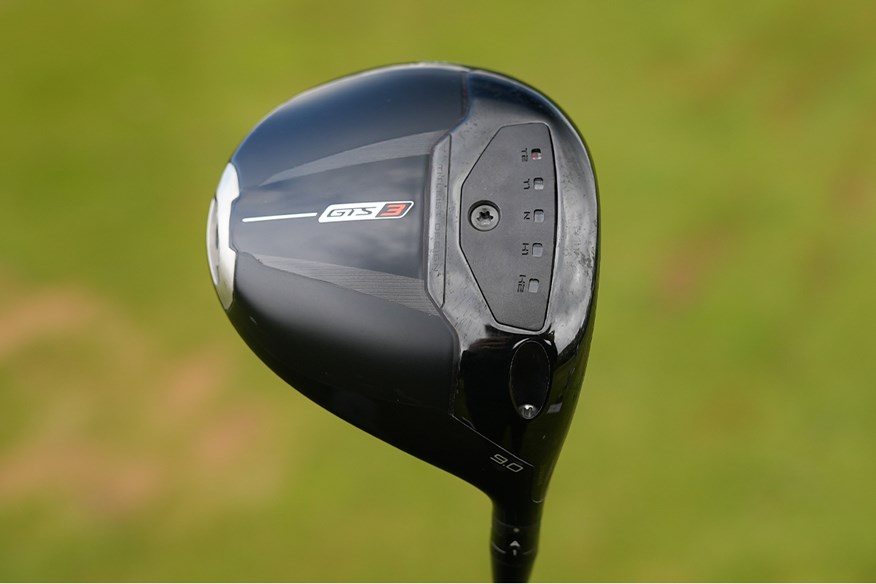
Exploring the looks of the GTS3, everything about this head feels cutting edge, while still holding up to the aesthetic expectations of a Titleist product.
I cannot overstate how much I love the overall design of this driver. It looks powerful, stable, and like I’m going to play well, all while still maintaining the classy styling that should last any test of time – ironic, I realise, after my opening thought of how Titleist drivers feel like they age.
From a sound and feel perspective, this is as good as it gets, with solid feedback from across the face, if slightly more muted than before thanks to a design element that we’ll get to. What I like most is that it doesn’t come at a cost of awareness of strike. I know if I’ve hit the ball poorly, but it’s not so obvious that my playing partners screw their faces up in disgust, thankfully.
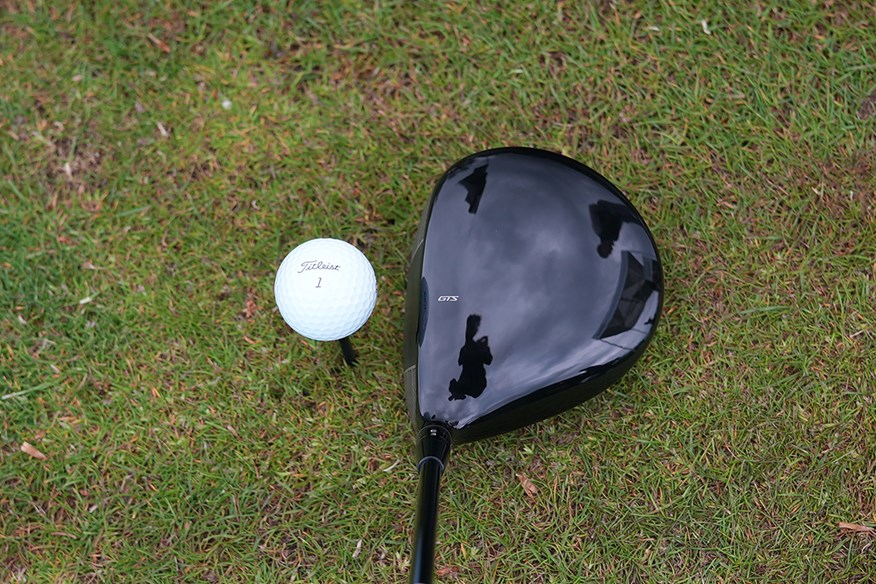
The only thing that gives me the smallest of reservations (and it really is small) is what the tech change has done to the look of the crown.
Now, in fairness, the GT3 is my perfect driver for top-down framing, but the Titleist GTS3’s new raised skirts do change the visuals in a way that I’m not in love with. The rear of the crown looks bigger and flatter, and it just doesn’t suit my eye like the previous model did; that being said, it’s nothing horrendous, it still looks good, just not in the same way as before.
But the reason behind it can certainly give me good reason to look past the altered shape.
Technology: 5/5
The biggest part of the Titleist GTS driver story derives from the updates to the crown, and now the entire body, in fact, and the design is nothing short of a game-changer for the company.
Building on the PMP (Proprietary Matrix Polymer) material gains from GT, the new model extends the wraparound crown to become a complete, 360º connected body. That body makes up 60% of the surface area of the GTS3 driver but, at 26g in weight, it only accounts for 13% of the total driver mass.
That also allows Titleist to refit the Split Mass Framing, combining further with the new Dual Weighting System, to bring the remaining balance of weight across both the face and the very rear of the driver.
This gives them improved Moment of Inertia (MOI), providing more stability and forgiveness while retaining ideal Center of Gravity (CG) positions that maximize ball speed and distance.
Yes, I know, doesn’t every new driver promise improvements in both, but this feels different than before, especially in the GTS3.
It’s not a model that you’d typically associate with off-center help, but this feels like a genuine improvement, with a rebalancing that could open this head up to even more golfers than before, including players who were maybe too concerned about miss-hits in the GTS3’s predecessors.
This total restructuring has also allowed engineers access to a new benefit for Titleist, in the form of Accelerated Aerodynamics.
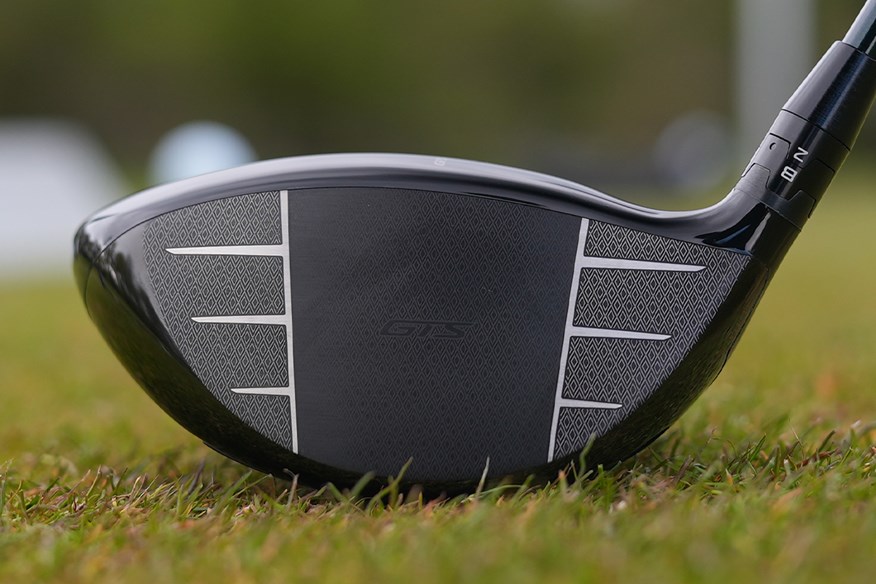
Looking at the side profile, you can see the difference immediately, with the new sole sloping upwards to meet the crown rather than vice-versa. It should be good for an unforced increase in every golfer’s club head speed, in turn creating extra ball speed and more distance.
It’s also where my considerations on the looks extend from, but the feeling of being fast is certainly worth the brief, niggling thought about the change of framing at address.
Finally, Speed Sync Face, the evolution of the Speedring VFT design, has been ‘opened up’ across the upper-center of the GTS3 face to increase performance from high-face strikes. In reality, this means a thinner upper for better ball speed retention while maintaining the reinforced side and low sections of the face for consistency and predictability when struck in those areas.
Performance: 5/5
Ultimately, once you’re out on the golf course, there’s little that significantly matters if the ball is doing what you tell it to and it that regard the Titleist GTS3 backs up all these changes with nigh-on perfect performance.
The impressive distance is still there, perhaps pushed even a little bit more than before, with the new aerodynamic adaptions giving the impression the club is moving through the air at improved delivery speed.
It could easily also be me being helped in confidence by the changes to the weighting and mass placement, providing trust in my misses being protected allowing me to loosen up and swing more freely than before.
I’m not sure which one it might be, most likely a combination of both, but whatever the reason, I am noticing more out of the performance of GTS3 than my own driver without a loss in any other aspect.
From control of ball flight, the Titleist GTS3 seems to also be slightly easier to square up for a reduced shape on the course; I can’t really tell you what’s happening to make me feel this way, but my 15-yard stock cut with driver seems to be more like 10, and there’s certainly not as dramatic a miss when I do leave the face further open on a miss-timed swing now.
The technology story here seems to have genuine weight, and, other than the aesthetics, I’d really struggle to not make the switch from GT3 to GTS3.
Sure, it’s not quite as forgiving as playing the GTS2, but it’s not on the other side of the room by any stretch, and, equally, the spin and launch profile isn’t much higher than what you’ll find in GTS4.
From my playing time, the Titleist GTS3 is going to be in the hands of far more players than previous generations ever achieved, and I can certainly see this model putting Titleist right back into the mix for our next round of ‘Best Driver‘ testing.

Final Verdict: 4.8/5
It says fantastic things about a club’s performance when the only fault you can find with it is down to a personal preference on shape and styling.
As I’ve said, I’d recommend the Titleist GTS3 driver to a wide variety of golfers, both with those who fit into the expected performance deliveries as well as those who previously wouldn’t have considered the category.
It’s a clean, aesthetically-sound option that produces where it matters, from the middle of the face and the not-so-middle of the face, and will go into my top-five, arguably top-three, drivers of 2026 already.
Do not miss out on this one, I promise you won’t be disappointed.
Similar drivers to consider
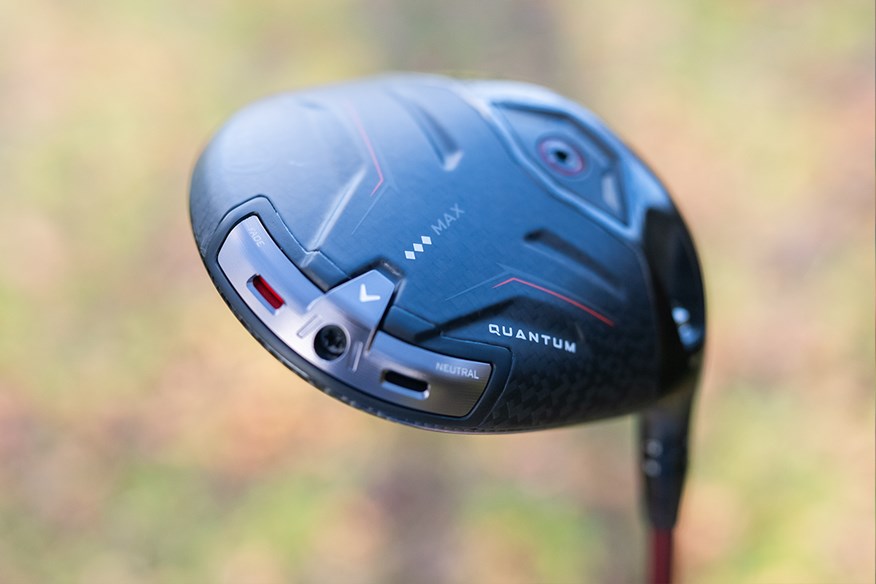
The unicorn driver of 2026
Pros & Cons Ratings Specs Features
Pros Vastly improved shelf appeal The best feeling driver Callaway have ever made Frightening speed across the face, whilst giving excellent dispersion Cons The design down at address won’t suit some.
Looks
Tech
Performance
Overall
RRP £649/$699 Lofts 9˚ 10.5˚ (RH/LH) Head Size 460cc Standard Length 45.75” Stock shafts FUJIKURA VENTUS BLACK/CHARCOAL 60g (S, X), TRUE TEMPER DENALI FROST SILVER 50g (S)
Tri Force faceAdjustable perimter weighting Ai-optimised faceClean, streamlined shape
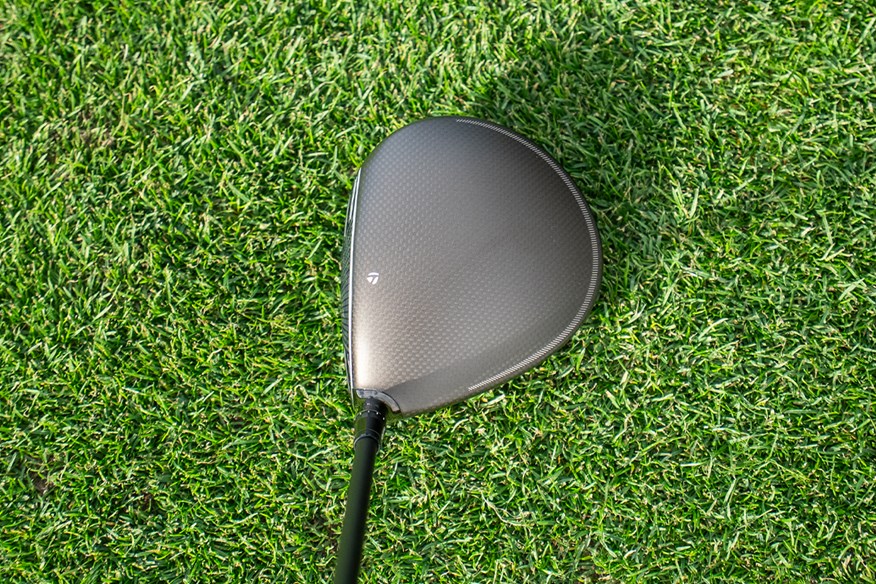
The holy grail of spin consistency
Pros & Cons Ratings Specs Features
Pros I haven’t hit a more consistent driver ever from a data point of viewThe best driver ever made for golfers who strike it low on the facefar more flattering shelf appeal and profile at addressThe perfect amount of adjustablity Cons I cannot get on with the feel of this club, many other brands feel a lot better
Looks
Technology
Performance
Overall
RRP £549.00 / $649.00 Lofts 8º (RH), 9° / 10.5°/12° (RH/LH) Head Size 460cc Standard Shaft Length 45.75 Stock Shaft Options Mitsubishi REAX MR,LR,HR Stock Grip Golf Pride Z-Grip Black/Silver New, slimmer profile More loft optionsCustom fitting revolutionary shaft procedure 60x Carbon face