

July 30, 2026, 9:00 a.m. ET
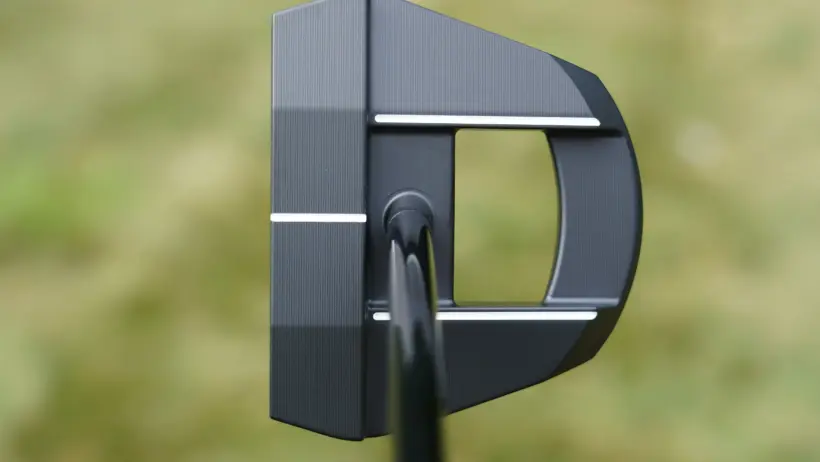
PXG’s new One & Done ZT putter is designed for golfers seeking stability and face-control in a high-MOI mallet.The putter features an onset hosel that positions the shaft axis near the center of gravity to reduce twisting during the stroke.Its hollow stainless steel body is filled with a lightweight polymer to increase stability on off-center hits.The club’s face has an aggressive pyramid milling pattern to improve roll consistency.
Gear: PXG One & Done ZT putter
Price: $449.99
Specs: Hollow-bodied 303 stainless steel construction with polymer-filled head, pyramid face milling pattern and, adjustable sole weights.
Available: July 30
Who it’s for: Golfers who want the stability and face-control benefits of zero-torque technology in a high-MOI mallet shape.
Need a news break? Check out the all new PLAY hub with puzzles, games and more!
What you should know: Like the company’s other ZT models, the One & Done uses an onset hosel that positions the shaft axis near the putter’s center of gravity to help keep the face square to your stroke path for enhanced consistency.
The Deep Dive: PXG entered the hot zero-torque putter category two years ago with the Allan and has released several offerings since that time — including the Hot Rod ZT, Hellcat ZT, and Bat Attack ZT. But now, the Scottsdale, Arizona-based equipment maker has an entry that leans heavily into stability.

The One & Done ZT features a hollow 303 stainless steel body filled with PXG’s proprietary S COR polymer, which occupies more than half of the putter’s internal volume. By removing mass from the center of the head, then replacing it with a lighter material, more overall weight is shifted to the perimeter. That helped PXG engineers increase the putter’s moment of inertia (MOI) so the One & Done ZT resists twisting on off-center strikes more effectively.
The key to the One & Done ZT’s zero-torque performance is its onset hosel. It positions the shaft axis much closer to the putter head’s center of gravity (CG) than a traditional plumber’s neck or slant-neck design. In a conventional putter, the shaft typically enters the head near the heel, creating a lever arm that encourages the face to open and close during the stroke.

PXG’s onset hosel shifts the shaft forward and inward, so that the shaft axis sits almost directly above the center of gravity, creating what engineers call a toe-up balance point. Because the force applied by the golfer’s hands travels through the putter’s CG, there is far less rotational force, or torque, acting on the head. The result is a putter that naturally resists twisting and stays to the stroke path throughout the stroke, helping golfers start more putts on their intended line.
The face incorporates PXG’s third-generation pyramid milling pattern, which uses an aggressive geometry designed to improve roll consistency and create more predictable launch conditions. According to PXG, the density of the milled pyramids has been optimized to interact more consistently with a golf ball’s dimples, helping produce a uniform sound and feel across the face.

Engineers also gave the One & Done ZT an ultra-thin face that measures just 0.055 inches thick. The face is supported internally by the S COR polymer, which absorbs excessive vibrations to enhance sound and feel, while also saving weight.
The One & Done ZT joins PXG’s growing family of zero-torque putters, which now includes everything from traditional blade-style models to high-MOI mallets and long putters, giving golfers more options as one of the game’s fastest-growing equipment categories continues to evolve.

David Dusek is a senior writer at Golfweek covering golf equipment.