

April 2, 2026, 11:00 a.m. ET
Putter designs have been split into camps for years, with feel-enhancing blades for purists and high-MOI mallets for golfers who want more stability or larger alignment aids. There are also putters with inserts for players who want a softer sound or feel than you typically get from putters made with milled steel.
But these days, there’s another category that has moved from the fringe into the mainstream: zero-torque putters.
A few years ago, these designs, which often look unconventional, were snickered at by many golfers, and they were often dismissed or ridiculed as solutions in search of a problem. But, over the last three or four years, that changed. More and more players on the PGA Tour who struggled on the greens found that a zero-torque putter could provide enhanced consistency.

The breakthrough occurred last June when J.J. Spaun won the 2025 U.S. Open at Oakmont using a L.A.B. Golf DF3 putter, a design that has lie angle balance, which is how L.A.B. classifies its torque-reducing technology.
Today, many major manufacturers have putters built to resist face rotation, reduce twisting and make it easier for golfers to return the face square at impact.
Need a news break? Check out the all new PLAY hub with puzzles, games and more!
The idea isn’t magic. It’s physics.
What deos ‘torque’ mean in a putter?
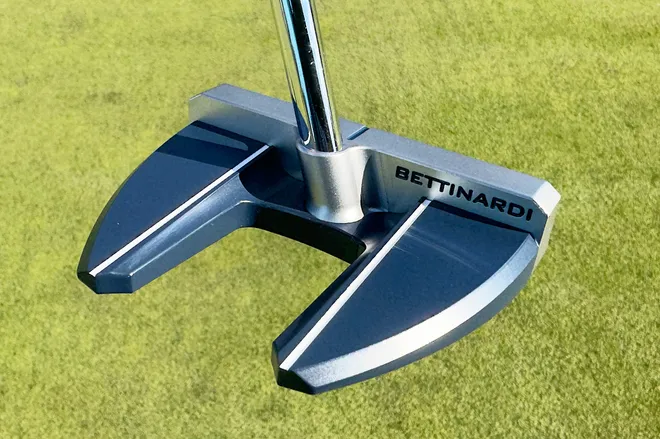
Torque, in simple terms, is the force that makes the putter’s face want to rotate as you make your stroke. When you swing a traditional putter, the head’s weight and balance naturally encourage it to rotate the backstroke and the through-stroke. That’s not a flaw.
For golfers with a strong arc and excellent timing, that rotation is part of the rhythm of their stroke. They square it instinctively, releasing the putter through impact. After years of practice and playing, they rarely think about it. But for many recreational players, face control is a huge variable in putting. They miss right because the face stays open. They miss left because it closes too quickly. Invariably, to gain some consistency, they manipulate the handle to compensate, which can lead to more inconsistency and frustration.

Low-torque and zero-torque putters attempt to boost the consistency of your putting stroke by having the shaft or hosel enter the head directly over the center of gravity (CG) location. According to putter designers and engineers, that removes (or greatly reduces) a putter’s propensity to rotate as you make your stroke, so the face stays square to the arc of your putting stroke. The result is it’s easier to return the face to the square position you establish when you aim the putter in the address position and start putts on your intended line.
However, because the CG location is behind the hitting area, zero-torque putters have onset, which means the face projects forward, to the target side of the shaft. Most putters have offset, with the shaft and hosel desiged to the target side of the hitting area, so the look in the address position may seem odd to some players until they get used to the visuals.
Who these putters can help

Low-torque and zero-torque putters tend to benefit golfers who struggle to consistently return the face square at impact.
If you often feel like you’re “holding off” the face or your stroke gets flippy, these designs can make your stroke simpler because the head doesn’t want to twist in your hands and you don’t need perfect timing to bring the face back to square.
Because zero-torque putters are designed to keep the face square to your stroke’s path, it also doesn’t matter if your natural putting stroke is relatively straight, subtly arced or has a has a significant arc. These putters are designed to stay square to the arc you naturally create, not force you try to make a specific type of stroke.
Another group of players who can benefit are golfers who fight short-range misses caused by subtle face misalignment. In addition to reducing torque, several of these models also incorporate alignment systems meant to reduce aim errors.
But, with all of that in mind, not every golfer should rush to switch.
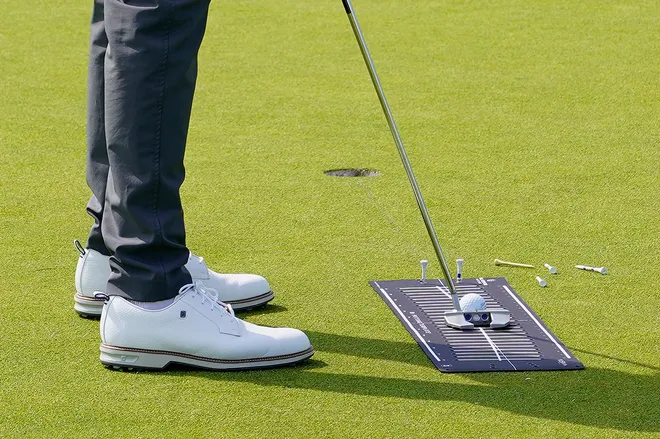
Players with a pronounced arc who rely on toe flow for feel and speed control may find low-torque heads feel “locked” or resistant to their natural release. Some describe the sensation as the putter wanting to stay square when their instincts tell it to rotate.
There’s also a feel consideration. Many early zero-torque putters were criticized for muted sound and lack of responsiveness. Several brands have addressed that by incorporating inserts or using different materials, but the sensation can still be different to what you are used to playing.
And, as with all clubs, fitting matters. Length, lie and build specs influence how zero-torque putter behaves. Treating them as off-the-rack solutions can limit their effectiveness.
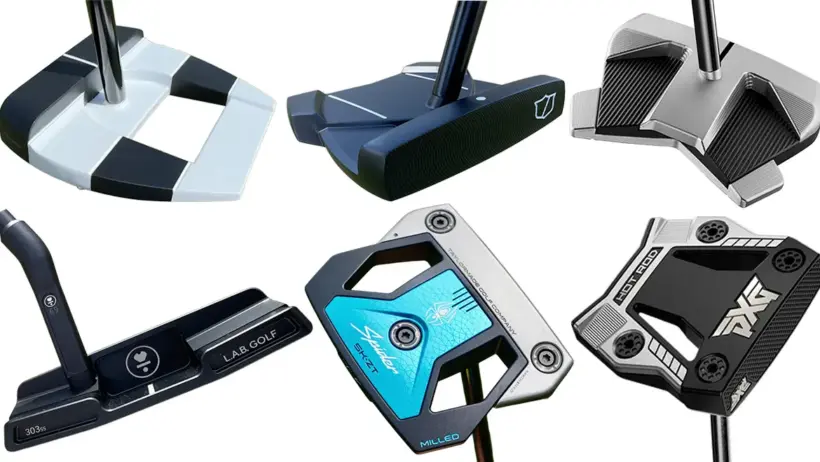
What’s notable is how broad the category has become. These are no longer one-shape, one-look experiments. They include compact mallets, fang-style designs, traditional mid-mallets and even a few blades.
Here’s a look at several current examples.
Bettinardi Antidote SB3
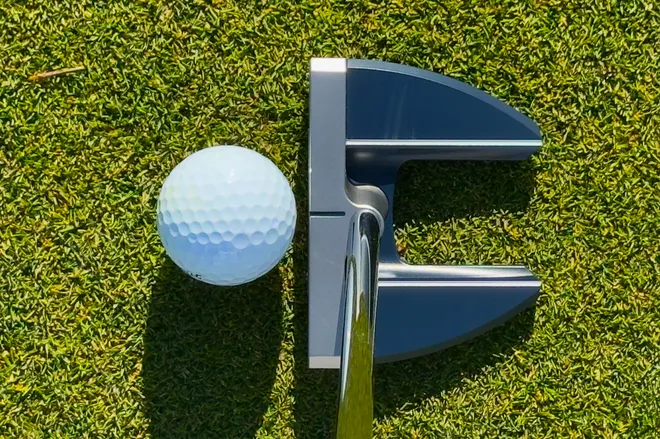
Price: $430
Specs: Milled 303 stainless steel head with F.I.T. Face milling
What you should know: Bettinardi’s Simply Balanced design inserts the shaft into the center of gravity to eliminate torque. The SB3 offers a high-MOI fang profile with a color-contrasting look that, combined with the club’s mild onset, should make it easier for players to aim. Milled in the company’s Tinley Park, Illinois, facility, the Antidate SB3 still delivers classic Bettinardi feel. Read the full review.
Shop Bettinardi Antidote SB3 putterL.A.B. LINK 2.1
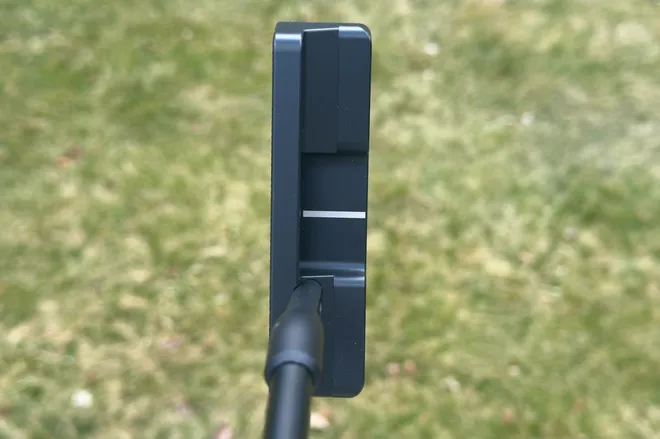
Price: $499 (stock), $599 and up (custom)
Specs: 6061 aluminum body with milled stainless steel face insert, steel sole weights, 69-degree lie angle (stock).
What you should know: The LINK 2.1 is not the first blade putter designed by L.A.B., but along with the slightly-thicker LINK 2.2, it is the first heel-shafted blade from the brand. The dark PVD finish reduces glare while lie-angle balance keeps the face square to your stroke path. Milled from 303 stainless steel, the LINK 2.1 feels like a crisp, traditional milled blade and firmer than L.A.B.’s aluminum putters. Read the full review.
Shop L.A.B. LINK 2.1 putterOdyssey Ai-Dual Square-to-Square Jailbird
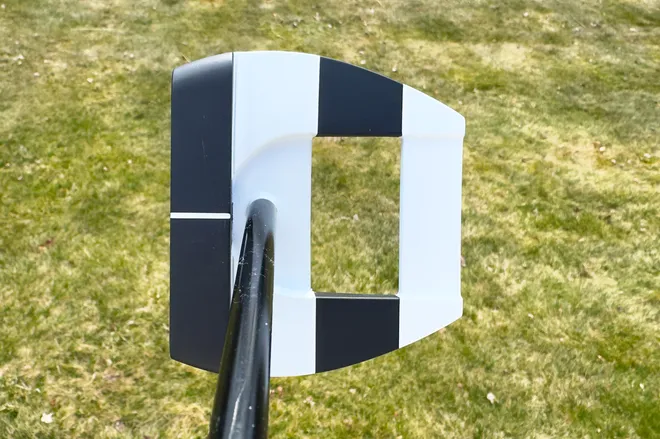
Price: $349.99 and upSpecs: Multi-material construction with dual-layer, grooved urethane insert.
What you should know: Odyssey pairs its AI-designed insert technology with Square-to-Square low-torque in this mallet. The insert promotes consistent ball speed and forward roll, while the alternating back-and-white alignment areas and single line on the topline make aiming easier. Read the full review.
Shop Odyssey Ai-Dual Square-to-Square Jailbird putterPXG Hot Rod ZT putter
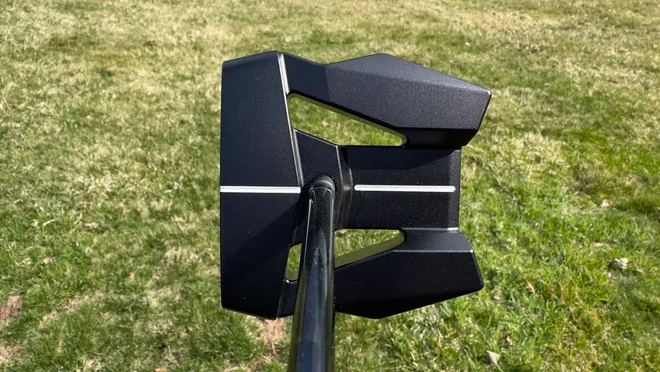
Price: $449
Specs: Milled 6061 aluminum body with four interchangeable sole weights, internal high-density tungsten and pyramid-milled face.
What you should know: Having made zero-torque putters available for nearly two years, PXG is expanding its lineup with the Hot Rod ZT, a center-shafted mallet engineered to minimize twisting and keep the face square to your stroke’s path. The white alignment line really stands out against the dark finish, and several adjustable features should help fitters pair the Hot Rod to your length, lie angle and weight needs. Read the full review.
Shop PXG Hot Rod ZT putterScotty Cameron 11R OC (Onset Center)

Price: $479
Specs: Milled stainless steel head with milled carbon steel face insert, adjustable sole weights, forward shaft lean options
What you should know: Released in late 2025, Scotty Cameron’s first step into zero-torque designs places the shaft directly over the center of gravity while retaining traditional shaping and milled feel. Slightly heavier than the traditional Future 11, this version has several alignment features designed into the top to make alignment more efficient. Read the full review.
Shop Scotty Cameron Phantom 11R OC putterTaylorMade Spider ZT
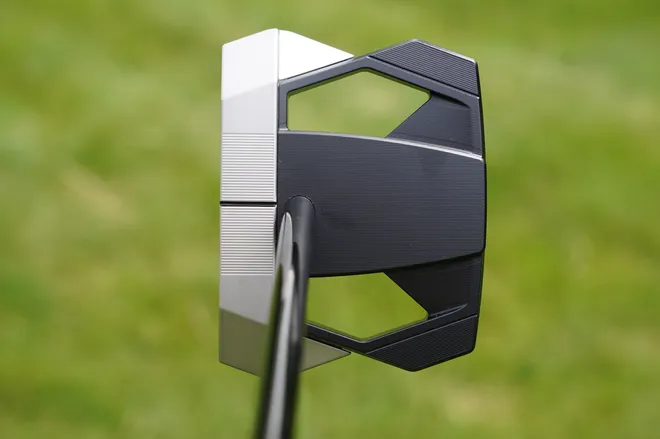
Price: $449.99 (Standard), $499.99 (Counterbalance), $549.99 (Long)
Specs: 304 stainless steel face, 7075 aluminum back, internal TSS weights, toe-up face balance, Pure Roll insert
What you should know: The Spider ZT blends high MOI construction that Spider putters are known for with a face-forward balance orientation designed to resist twisting. A cambered sole and minimalist alignment help simplify setup, while the Pure Roll insert gets the ball rolling instead of skidding after the strike. Read the full review.
Shop TaylorMade Spider ZT putterWilson The 606

Price: $199
Specs: Metal Injection Molded (MIM) mallet heads with 1-degree forward shaft lean, double-milled face pattern, two-tone PVD anti-glare finish
What you should know: Wilson is expanding its Infinite putter lineup with this zero-torque mallet designed to keep the face square during the stroke at a more accessible price point. The deep-milled face creates a softer sound and feel. Read the full review.
Shop Wilson The 606 putter
