

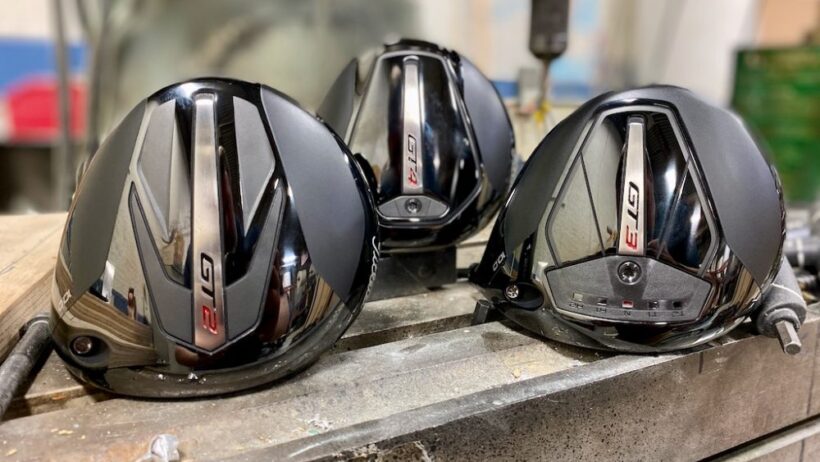
What you need to know: Titleist emphasizes it is pursuing total driver performance with its new GT line of drivers (in contrast to the market trend of designing primarily for consistency and forgiveness). That’s right, following the Titleist Speed Project, the folks in Fairhaven are still chasing (and delivering) ball speed, billing GT drivers as “faster, longer, straighter and more forgiving across the face” than previous offerings. Titleist continues the same line segmentation with the GT line: GT2 (forgiveness, high MOI), GT3 (adjustability), GT4 (low spin).
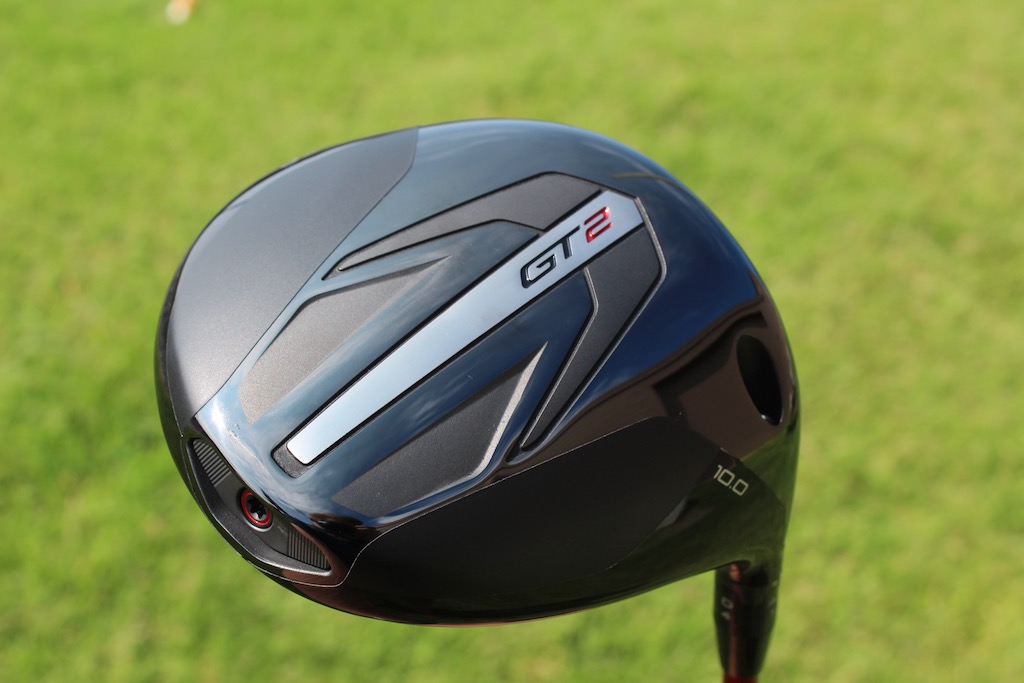
Seamless Thermoform Crown: Breaking with titanium tradition, Titleist leveraged an ultra-light Proprietary Matrix Polymer for the crown of the club to allow for precise mass placement for the unique objectives of each model in the GT line. Tuning PMP materials also allowed engineers to deliver “Titleist sound and feel.” Engineers wrapped the crown to the sole via an “advanced thermoforming process,” which eliminates any visible seam between the materials for a cleaner look in the three-times-lighter-than-titanium crown.
Split Mass Construction: Thanks to the GT’s Seamless Thermoform Crown, engineers were afforded more discretionary weight to position throughout the clubheads of the GT line. They elected to “split” the mass, pushing some toward the front of the club for enhanced ball speed and some toward the rear for greater stability thanks to increased MOI. Weight positions are different in each of the three models to contribute to the intended aims of each model.
Improved aerodynamics: Thanks to the above elements, engineers were afforded more flexibility with the aerodynamic designs of the GT line. The crown and sole curvature are engineered to reduce drag and increase clubhead speed.
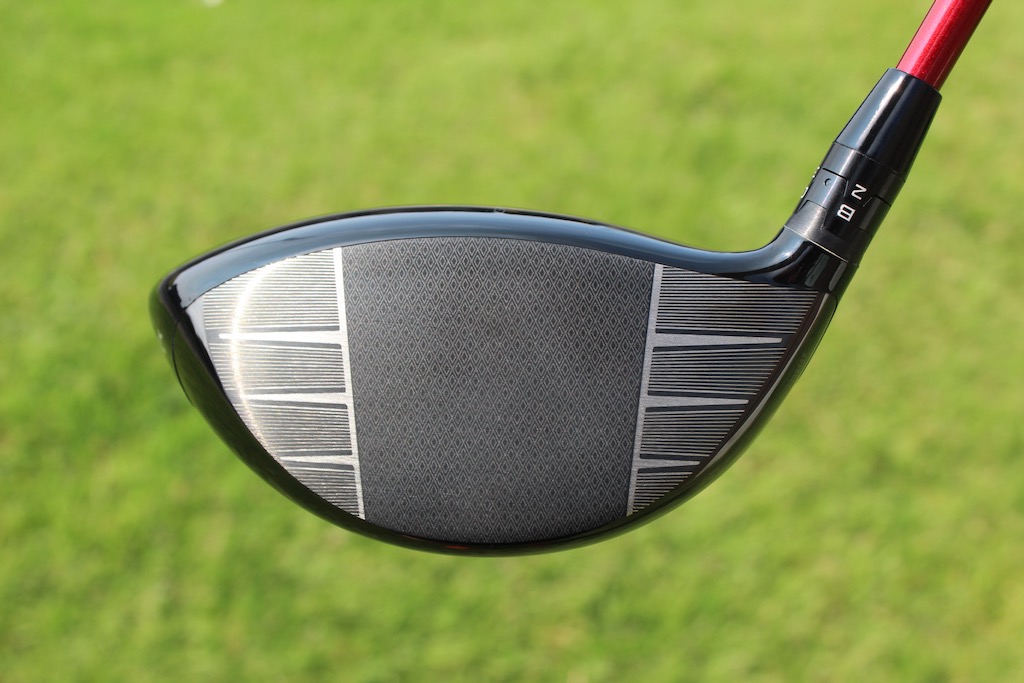
Speed Ring with VFT: The aim here is to deliver more ball speed off the face on both on- and off-center strikes. Speed Ring boosts the COR of the center of the face, while Variable Face Thickness (VFT) produces greater ball speed on off-center strikes thanks to a thinner face around the perimeter.
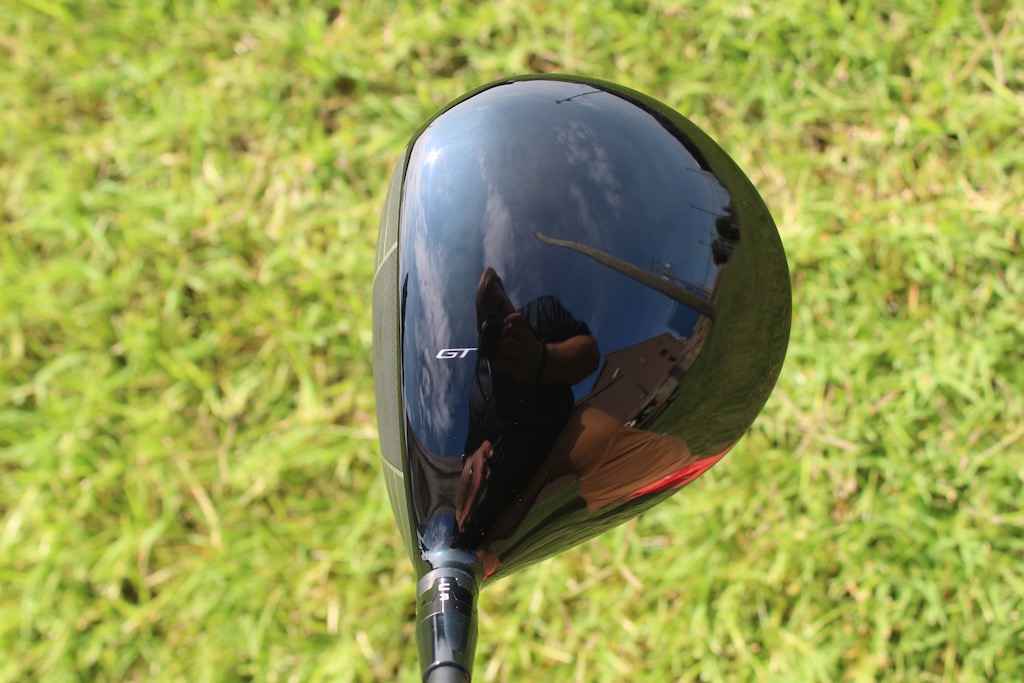
New face graphics: Drawing on tour player feedback, the new design is intended to help frame the ball squarely at address.
2024 Titleist GT drivers: Additional model details
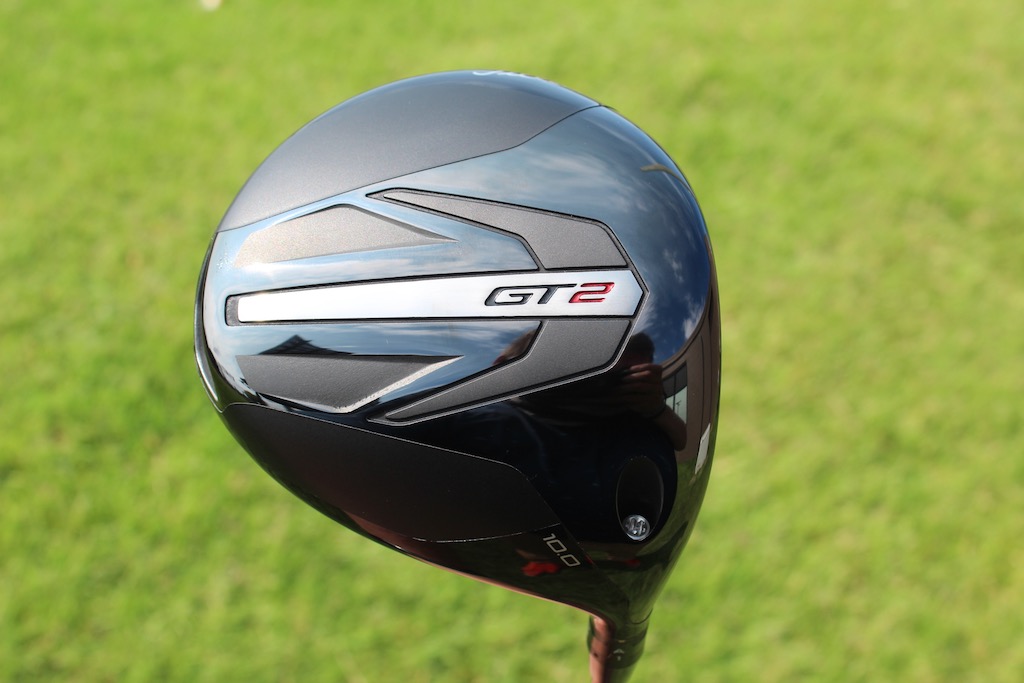
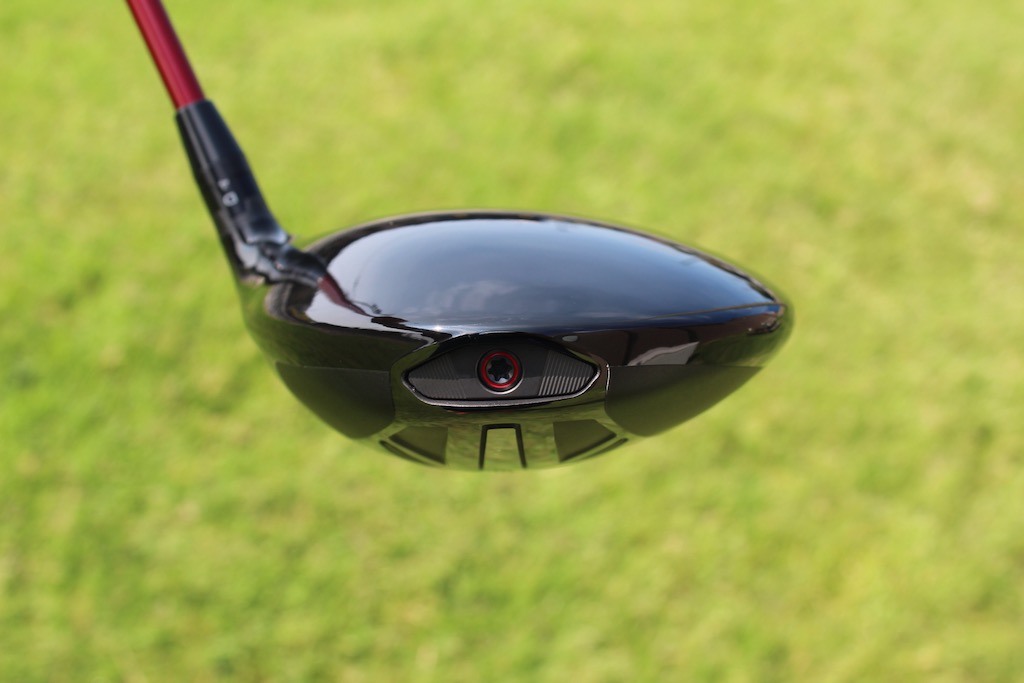
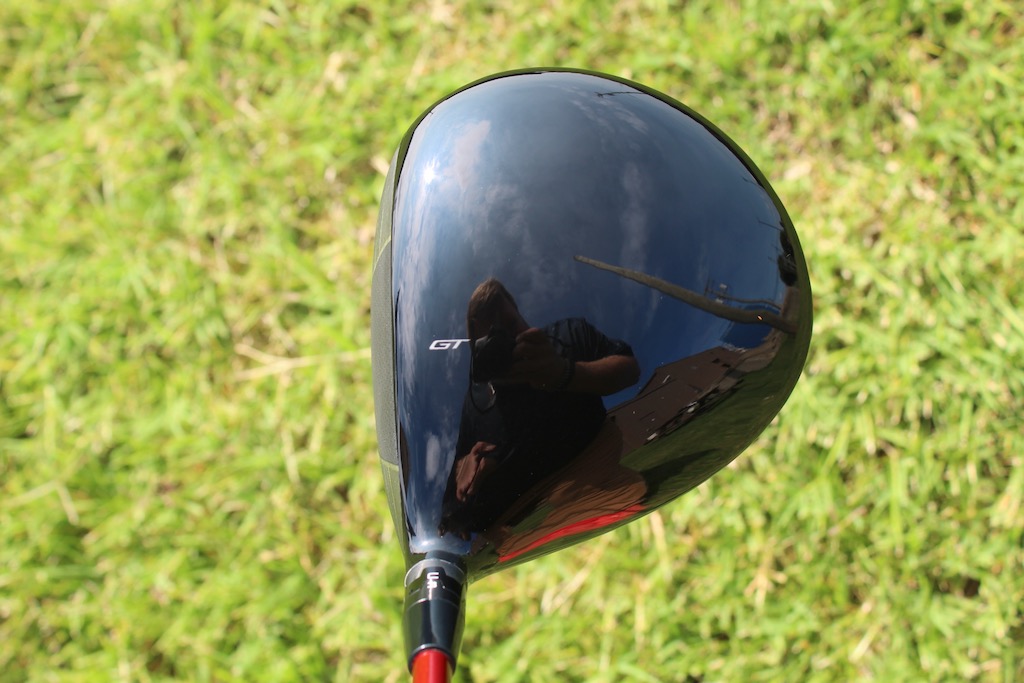
Titleist GT2
The GT line’s high launch, low spin driver. Built for players who don’t always find the center of the club face and need a higher MOI driver but don’t want to sacrifice ball speed. Featuring a single rear weight, GT2 is longer back to front than TSR2 and more traditionally pear-shaped. Available lofts: 8, 9, 10, 11 degrees (RH and LH)
Titleist GT3
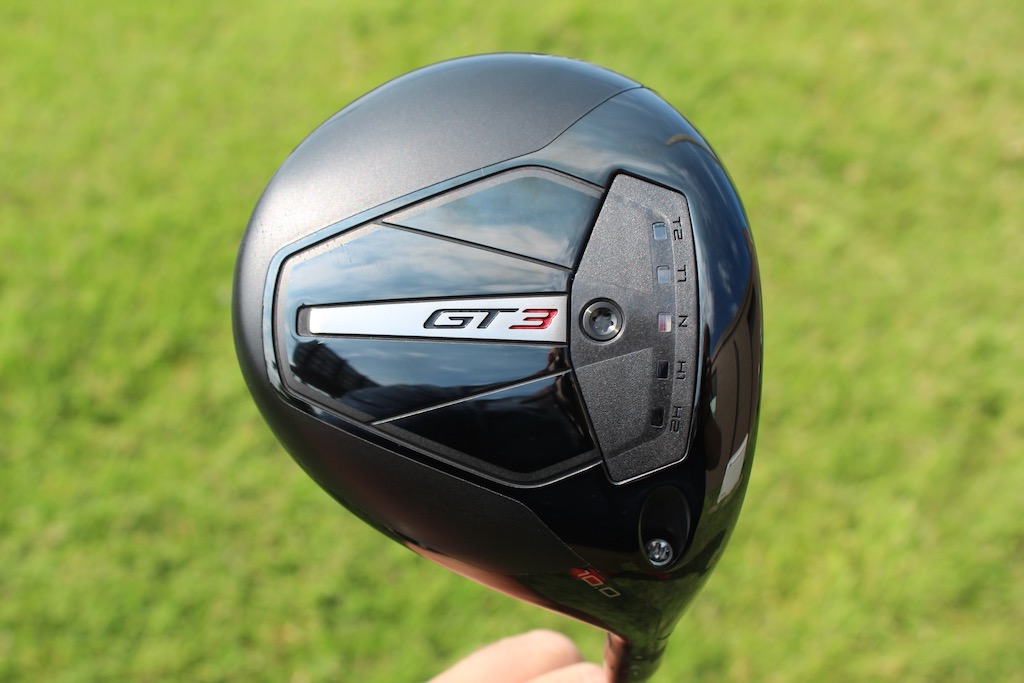
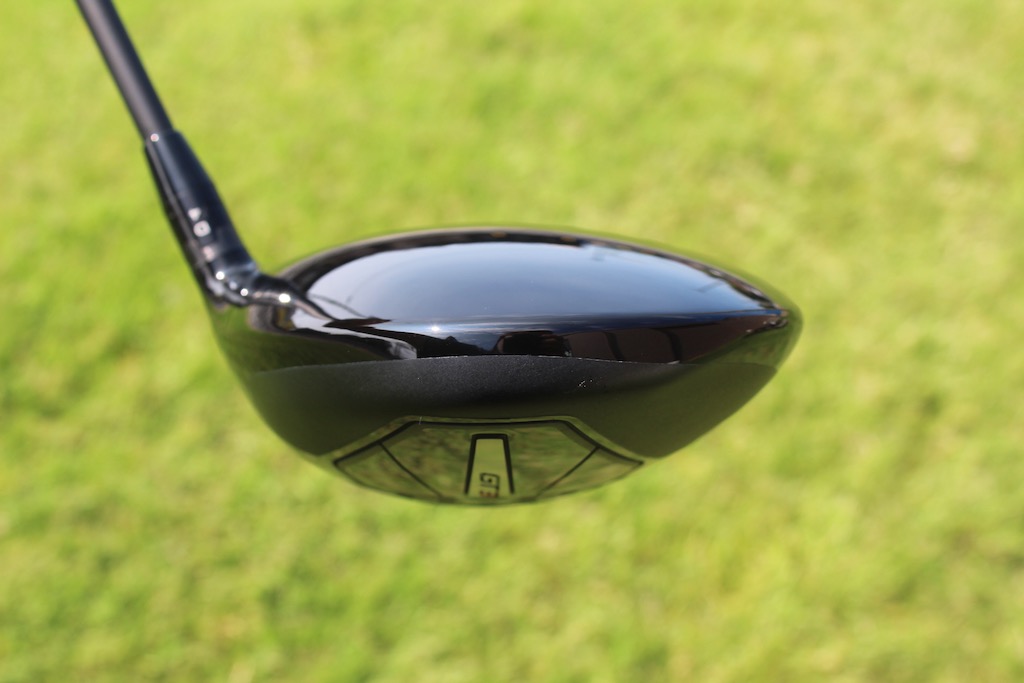
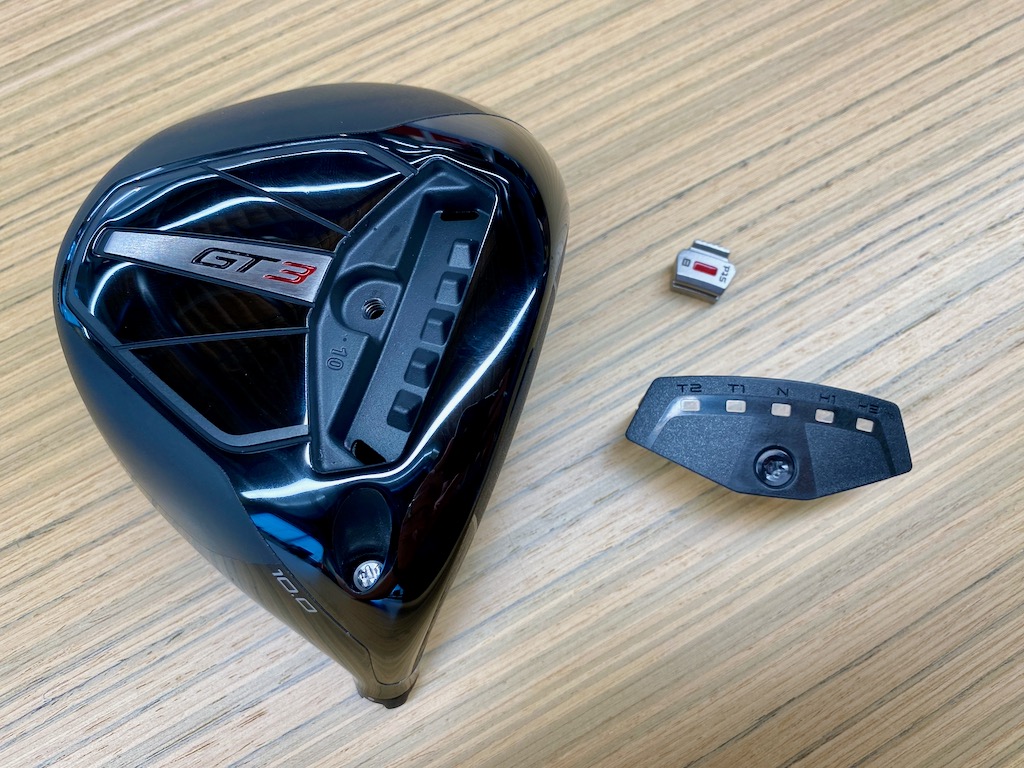
High launch, lower spin (relative to GT2). For players who find the center of the face more often and seek adjustability in their driver, via the Adjustable CG Track, which is positioned closer to the face than in TSR3. Five CG locations can be selected (H2, H1, N, T1, T2). Available lofts: 8, 9, 10, 11 degrees (RH and LH).
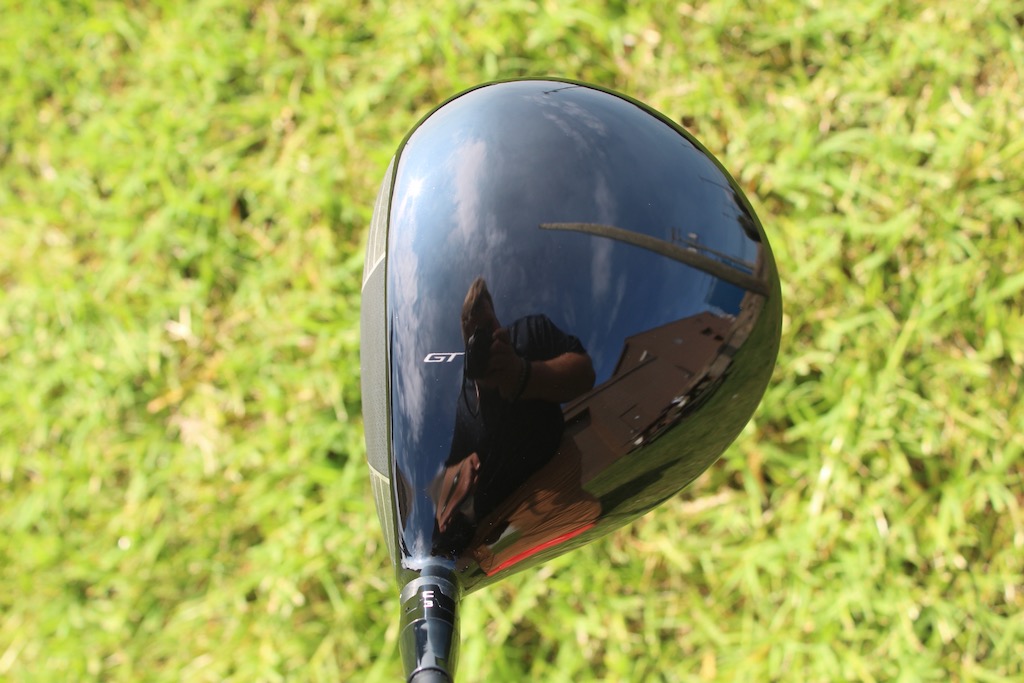
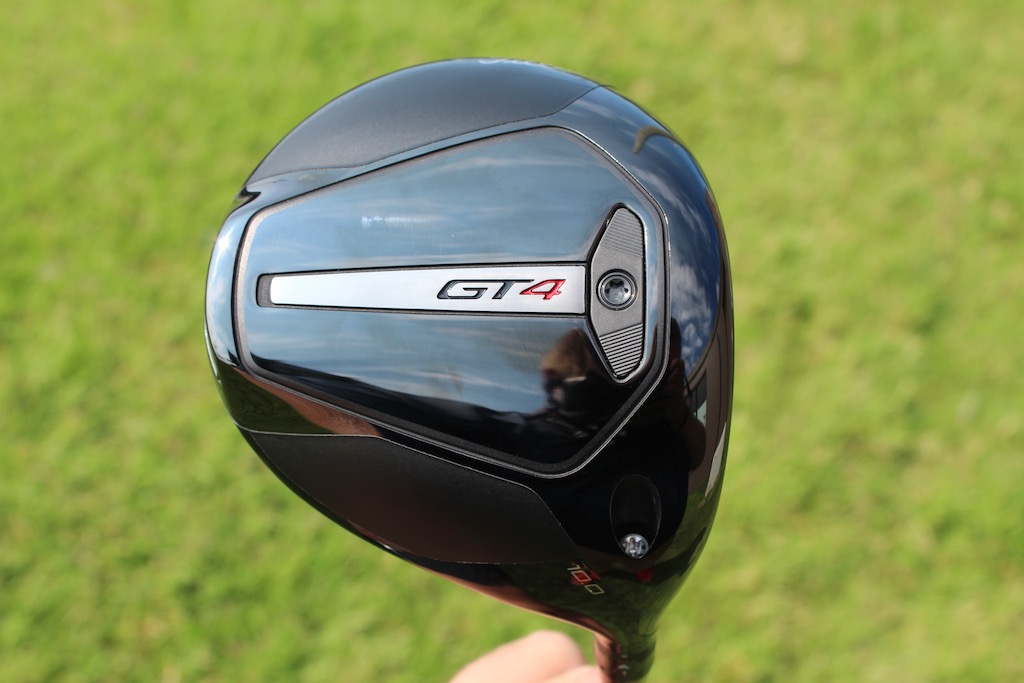
Titleist GT4
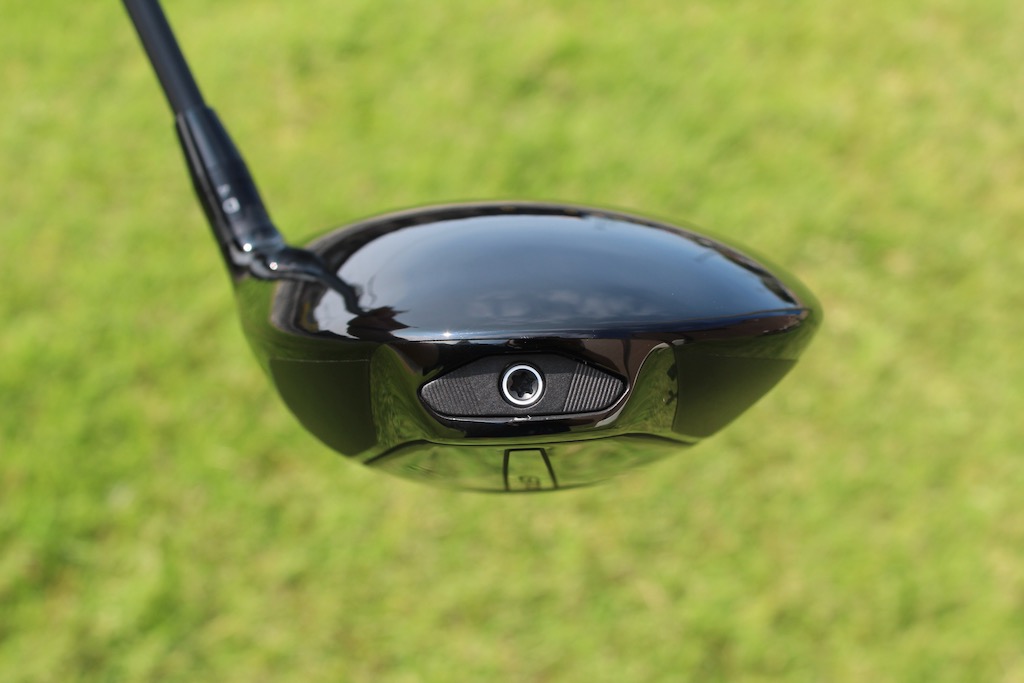
The GT line’s mid-launch, low-spin offering. Built for players whose spin rates tick above 3,000 RPM leading to distance loss, GT4 is Titleist’s spin-reducing driver, delivered in a more compact — 430cc — package. Front and back weight ports allow players to tune spin reduction by choosing the position of the 11 and 3-gram weights. Available lofts: 8, 9, 10, 11 degrees (RH and LH)
What Titleist says
“The GT line represents a monumental leap forward for Titleist driver design and engineering,” said Stephanie Luttrell, Director, Titleist Metalwood Product Development. “The breakthroughs we made in material, construction, shaping and design weren’t possible in prior generations. All the advancements found in GT are working in concert to create the highest-performing driver we have ever made.”
“When we set out to build a better performing driver in GT, it was important for us to take a step back and consider all performance attributes,” said Luttrell. “Our design philosophy has always been about balanced performance. We’re never looking to execute just one parameter to the maximum level. We are looking to improve upon all performance attributes to optimize and deliver total driving performance.”
“When we release a new product, it has to outperform the previous line,” said Josh Talge, Vice President, Titleist Golf Club Marketing. “For GT, it needed to be faster than TSR. It needed to be longer and straighter, and it had to sound better, look better and feel better. GT delivers across the board without compromise.”
Club Junkie’s take
When I walked into TPI, Titleist Performance Institute, I figured I was going to be impressed by the GT woods I had seen photos of on tour. I really like what Titleist did with the shaping of each of the GT models, making them look so similar from address. Most players won’t be able to tell the difference between the GT2 and GT3 if they don’t get a glance at the sole of the club, and the GT4 just looks a little smaller. This is great for fitters who will have one less obstacle to get their players into the best driver for them.
I got to hit all 3 drivers during my fitting, and for all of them, I can say that sound and feel are improved. Upon impact, the sound is more muted and has less of a metallic feel. The Seamless Thermoform Crown not only helps with performance but adds that lower-pitched tone to the driver that I really like.
The GT3 is a great driver for the player looking for a little lower launch, controlled spin, and lots of adjustability. The nice thing about the GT3 is that is still has forgiveness in it for those not-so-perfect shots. GT2 was the driver I was fit into and not only did I see great center strike numbers, but my mishits were longer and straighter. Ball speed increased by 4mph over all my shots and the spin delta between good and poor shots was super tight. While the GT4 isn’t suited for my game, it is available for the player looking to really lower spin and work the ball around the course. The smaller, 430cc, head can be a little intimidating but saw that it still had some decent forgiveness when you moved the heavy weight to the rear position.
I can say that the new GT series of drivers definitely shows improvement over their older TSR siblings.
From the tour with Andrew Tursky
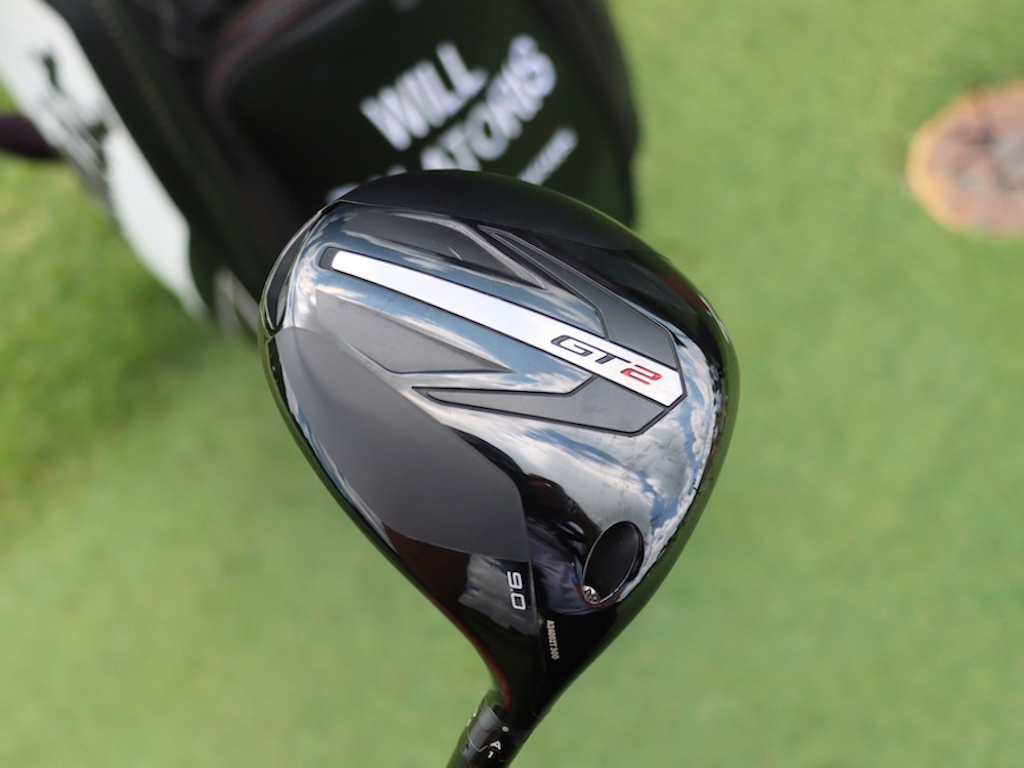
Will Zalatoris’ Titleist GT2 driver
Titleist’s lineup of GT driver models (GT2, GT3, and GT4) launched at the 2024 Memorial Tournament in June, and the drivers came out hot right out of the gates.
They haven’t slowed up since, either.
In the first week that the drivers were available on Tour at the Memorial, 13 players switched into a GT driver at the limited-field event, including Will Zalatoris (GT2), Lee Hodges (GT2), and Wyndham Clark (GT2).
Zalatoris spoke on the new GT2 driver at the Memorial, and the performance benefits he’s seen from the new design:
“I think this is the most that we’ve been begging [Titleist] to put [a driver] in our hands as fast as they can. We first tested it I think in early December. I think the part that’s really cool about it is it’s just kind of plug-and-play. I have the exact same shaft, the exact same setting. And immediately I’m picking up 1.5 mph ball speed, and that equates to about another 6.5-7 yards of carry. I think the thing that I really noticed when you compare it from my old one, from the TSR to the GT, I think the mishits just get brought in that much more; 4-5 yards out here on Tour in dispersion could be the difference of you being in the fairway and having another birdie look … you miss a fairway and now you’re laying up trying to make par the hard way.”
A week later, at the 2024 U.S. Open, 19 players had a GT driver in the bag, surprisingly including former Titleist staffers Patrick Cantlay (GT2) and Adam Scott (GT2).
At the Rocket Mortgage Classic, 31 players used a Titleist GT driver, and by the Genesis Scottish Open, more than 115 players had used the driver in PGA Tour competition. That list includes notable names such as Max Homa (GT3), Tom Kim (GT3), Cameron Young (GT2), Justin Thomas (GT2), Byeong Hun An (GT4), Billy Horschel (GT3), Webb Simpson (GT3), Brandt Snedeker (GT2), Denny McCarthy (GT2), Garrick Higgo (GT4) and J.T. Poston (GT3).
In total, Titleist reports that GT2 usage is about 60 percent among Tour players, and GT3 is about 40 percent of usage, whereas two players are using the GT4 (Higgo and An).
Several players have switched into the GT2 model, rather than the GT3, since Titleist has re-designed the crown of the GT2 to better suit player preferences in crown shape from address. In general, the GT2 is made for maximum forgiveness, GT3 has a slightly more compact look and lower spin, and the GT4 has a small, compact head made for the least amount of spin.
Titleist clearly has upped the bar once again with its new drivers, and the GT has seen droves of both staffers and free agents alike putting the drivers into play during PGA Tour competition. Players who have switched cite increased ball speed, tighter dispersions, better feel and a more muted sound, while keeping that classic Titleist look and playability.
Pricing, shaft specs, and availability
Pre-sale: Now
At retail: 8/23
Price: $649 ($849 with premium shaft)
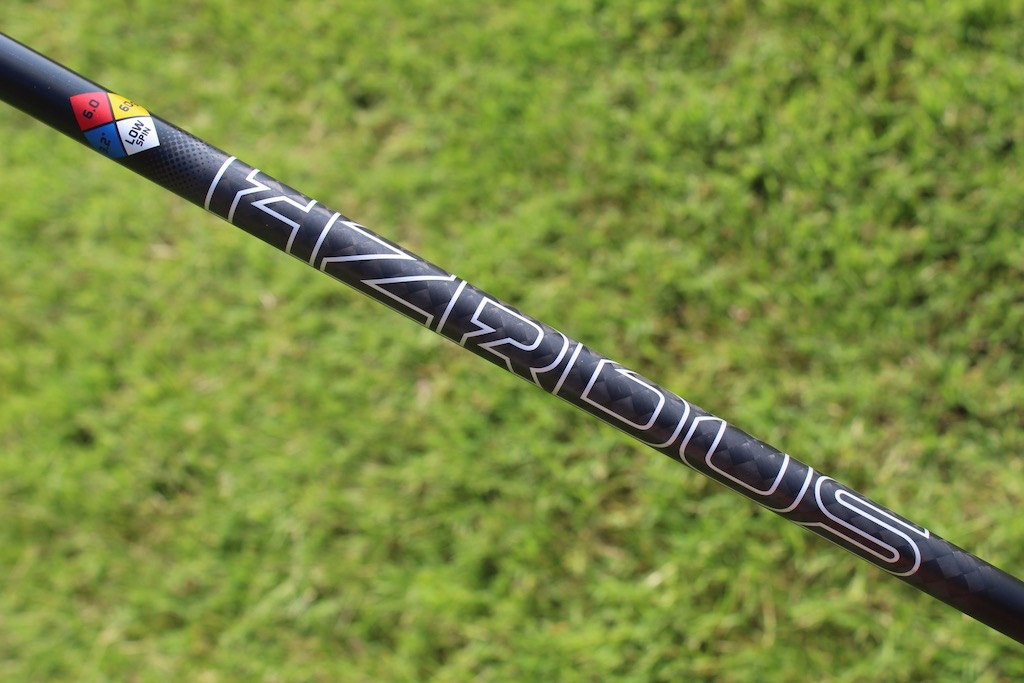
Featured shafts: Project X Denali Red, Mitsubishi Tensei 1K Blue, Project X HZRDUS Black 5th Gen, Mitsubishi Tensei 1K Black
Premium shafts: Graphite Design Tour AD DI, Graphite Design Tour AD VF, Graphite Design Tour AD UB
See more photos of Titleist’s GT drivers in the forums.