

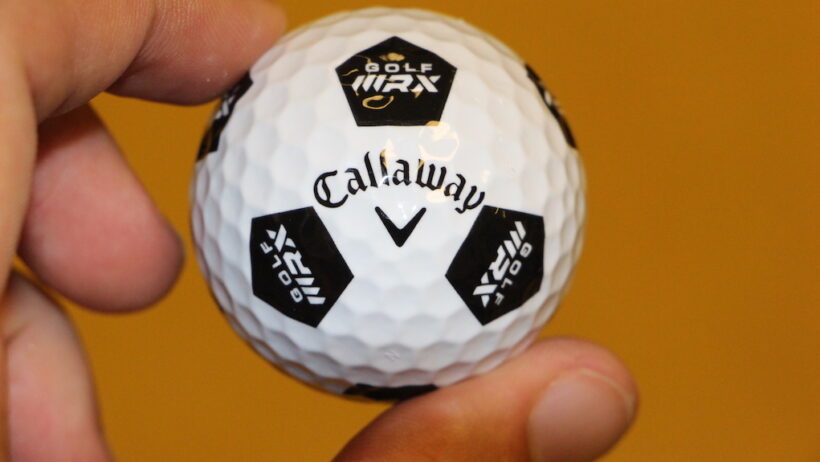
Not to downplay the science and engineering behind making golf clubs, but there’s an extra-impressive complexity in the chemistry and precision necessary to make golf balls, especially when you’re making them by the millions.
There’s also an impressively off-putting, rotten-egg-like smell that emits from a golf ball factory that awakens the nostrils.
Recently, I headed to Callaway’s golf ball manufacturing facility in Chicopee, Massachusetts, as part of a GolfWRX member experience — check out the thread here for photos and info from the event — to learn more about Callaway golf balls and tour the plant.
Get the full, step-by-step process of how Chrome Soft golf balls are made here.
Below, I highlight 5 things you may not know about Callaway golf balls, the golf ball facility and the company’s history.
1) Chico-what? Chico-who?
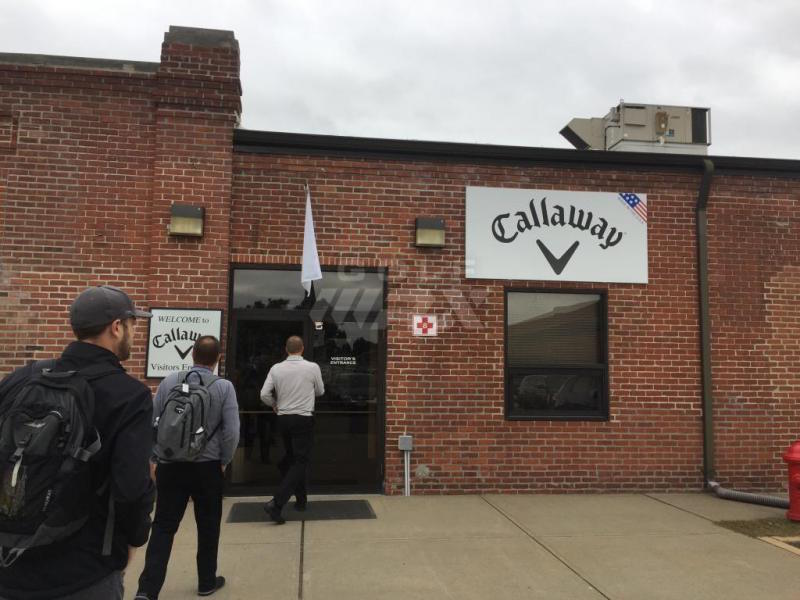
The front entrance to Callaway’s Chicopee facility
How does one of the largest golf ball manufacturers in the world end up in a place called Chicopee?
During the Revolutionary War, George Washington fancied the area as a National Armory because of its location on the Connecticut River, according to Vince Simonds, who is the Senior Director Global Golf Ball Operations who has spent more than 30 years working at the facility. At that time, and still to this day, metal and gunmakers thrived in the area, making it a place for manufacturing business to thrive.
The building, which we know today as Callaway’s golf ball facility, was built in 1915 for car manufacturing, but Ford’s monopoly put the brakes on that business. Spalding later purchased the facility, where it made the world’s first dimpled golf ball, and Top Flight golf balls for years. The company also made other products including basketballs, volleyballs and more equipment for a variety of sports. In fact, the halls of fame for basketball (Springfield) and volleyball (Holyoake) are each located nearby. As the story goes, James Naismith invented basketball at a YMCA in Springfield in 1891… while volleyball surprised everyone in the world, including me, by having an entire Hall of Fame dedicated to the sport.
In 2003, Callaway beat out TaylorMade in an auction for Top Flight’s assets, which included patents and the Chicopee golf ball plant. And there you have it.
2) The secret’s in… the secrets
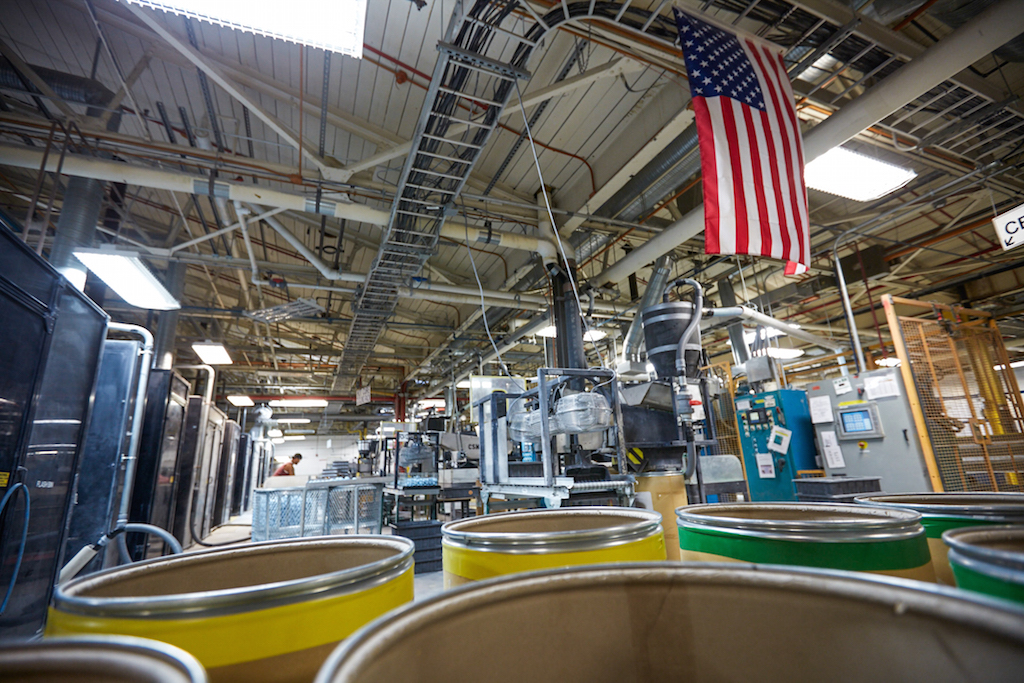
“The key to this business is the tooling,” Simonds said.
Since Callaway makes all of its tooling in house, including the cavities used to formulate the dimples — which is a trade secret with which I’m sworn to secrecy — it’s a safe bet you’d never be able to replicate a Callaway golf ball.
To make its 2016 Chrome Soft golf balls, which generate big ball speeds from a low-compression design, Callaway makes its core, mantle and outer layers from a unique type of rubber and a special mixture of Surlyn.
3) Is Truvis the truth?
Custom GolfWRX logo Chrome Soft Truvis golf balls from @CallawayGolf pic.twitter.com/Z0SgXdmCnu
— GolfWRX (@GolfWRX) October 4, 2016
Callaway’s new Chrome Soft Truvis golf balls currently represent 30 percent of sales in the Chrome Soft golf ball umbrella. THIRTY PERCENT!
We should have seen this coming, since soccer is the world’s most popular sport (about 115 million people watched the 2015 Super Bowl, while more than 1 billion tuned into the 2015 FIFA World Cup final, according to multiple sources). A golf ball designed with soccer-ball like pentagons is certainly a shift from the norm — a shift that is apparently working.
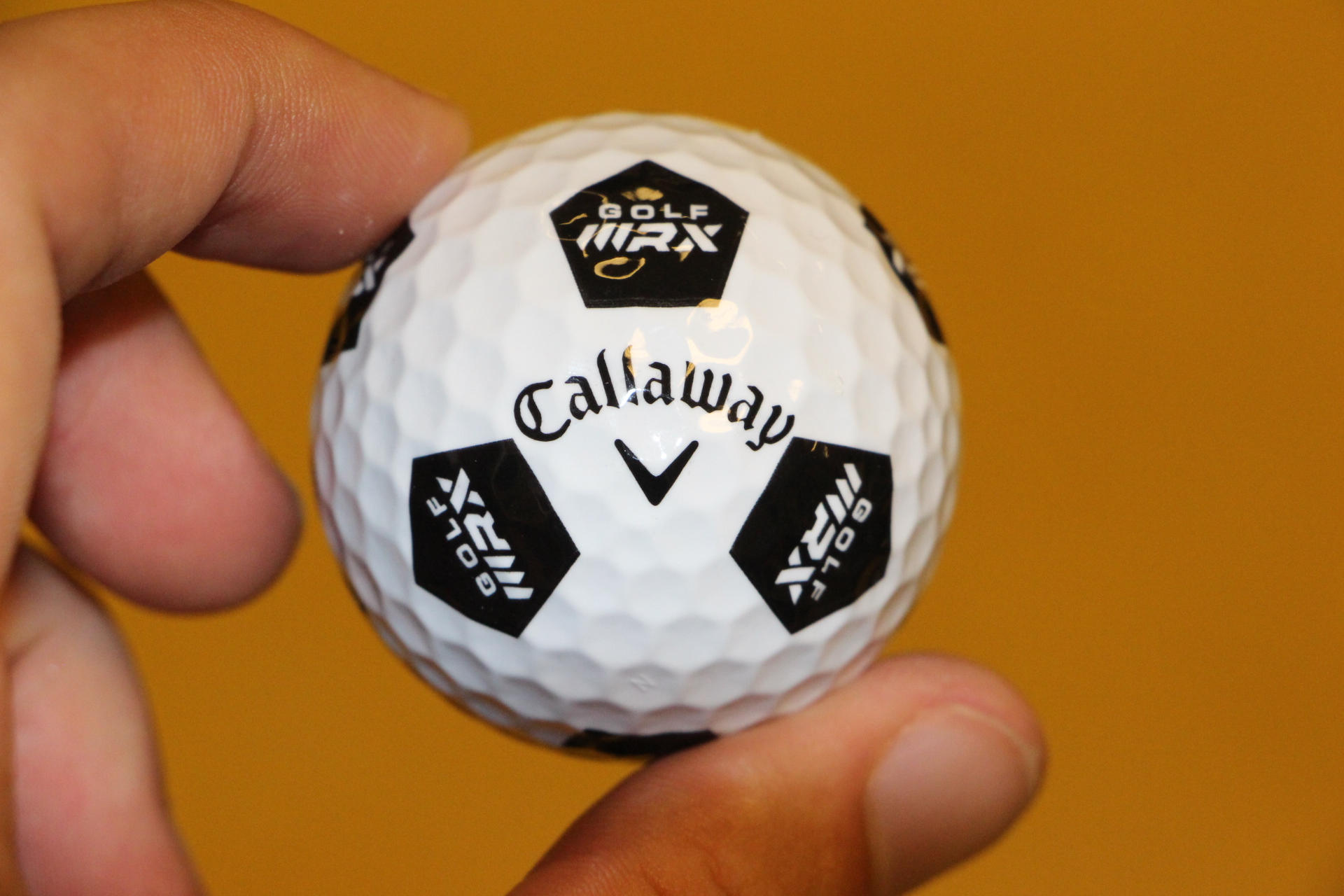
The labeling on a Truvis golf ball requires a special machine and process. When the company decided on bringing the concept to production, it planted one of the “Truvis machines” in its Chicopee plant.
“We forecasted the machine would be collecting dust by now,” Simonds said.
On the contrary, there now sits three machines in the Chicopee plant, and there’s no dust in the forecast.
Fun fact: The Truvis design is treated as a logo on a golf ball, meaning you can play a Chrome Soft regular ball (all white or all yellow) and switch in a Truvis Chrome Soft ball mid-round without violating the USGA’s one-ball rule.
*Congrats to forum user Lavaone who made his first hole-in-one using a GolfWRX Truvis golf ball!!
4) 45 degrees
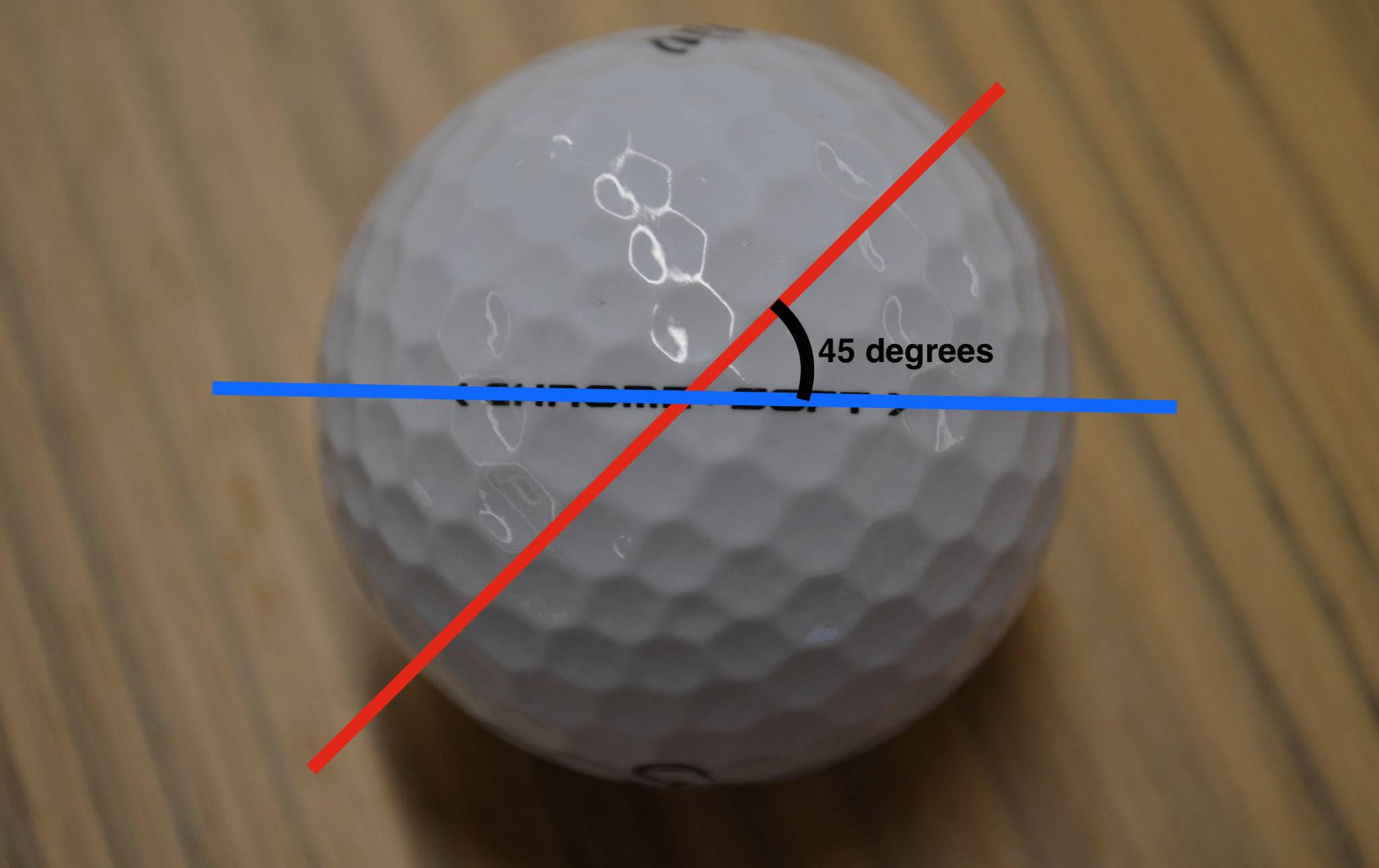
Callaway has a machine that orients the logos on each Callaway golf ball the same way every time. The “seam” on each golf ball runs at a 45-degree angle to the lettering on the side of each ball. According to Simonds, aligning that seam a certain way to the target will have no effect on its flight.
5) Dimple patterns used to be designed and tested on bowling balls
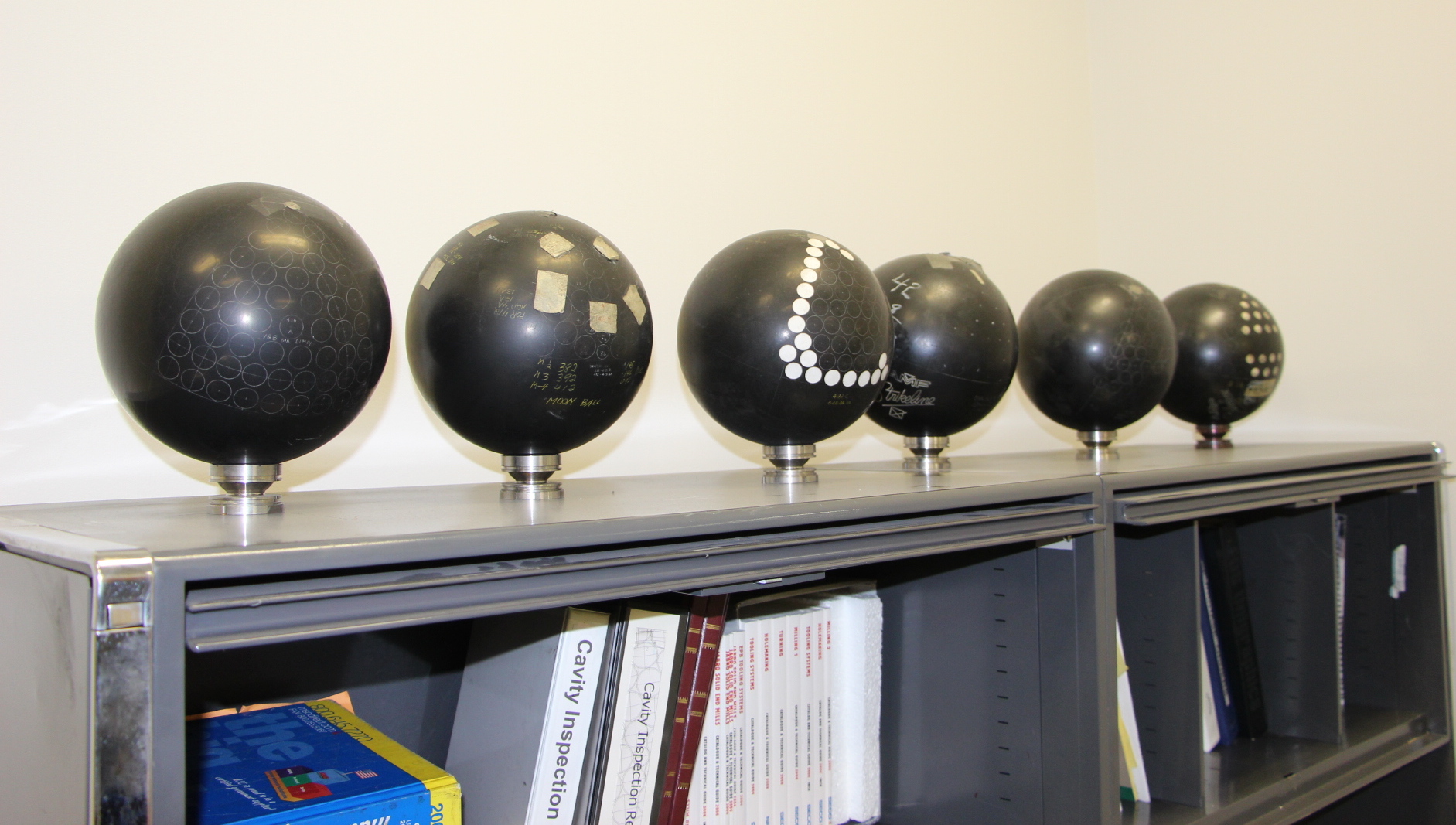
Golf ball manufacturing wasn’t always the super advanced and highly technological process it is now. Callaway used to layout different dimple designs on bowling balls, as pictured above. And instead of files of feedback compiled on a computer, feedback was compiled on handwritten sheets of paper, and stashed in actual files. Remember those?
It wasn’t until later the now-famous HEX dimple was developed, but it is possible the idea was conceived on a bowling ball.
And no, the bowling balls were not made by Spalding.