
We’ve tested all the latest models for this season, and previous years, to find you the Best Titleist Drivers of 2026
When it comes to the best Titleist drivers, as well as the best drivers overall, available to golfers in the market, there are few brands with more comprehensive collections of metalwoods to choose from than the Titleist family.
Beyond the wide array of heads, Titleist further backs up their product by offering a massive selection of free and upcharge shafts, as well as a choice of grips that covers nearly every base of playing style. This covers industry leaders like Golf Pride, Fujikura, Graphite Design, Lamkin, and Mitsubishi Chemical.
Finally, Titleist follow up on all these points with a continued success across every major tour, leading the driver count on the PGA, DP World, and LPGA Tours, and winning multiple iconic tournaments, including a grand slam in the Majors over the last decade for their clubs, including Justin Thomas, Jordan Spieth, Brian Harman, and Wyndham Clark.
Best Titleist Driver – Jump to:
You can check out our reports on testing below, and just below you’ll get all the details on the best Titleist drivers in 2026:
Best Titleist Drivers 2026
Best Core Driver 2026 – Third place
 What we say:
Titleist’s GT2 remains one of the most versatile drivers on the market, and with the reduced price point savings, it’s also becoming one of the most cost-effective choices.
Great for reduced spin, finishing 8th lowest in testing overall, while also nearly breaking into the top 10 for ball speed (13th), the GT2 can shift into another gear if you want to chase some added distance in your game, and with a 12th-place L-R dispersion position (12 yards) you aren’t going to be giving up straight drives for that power in 2026.
The only issue you may find from our data is that it isn’t the highest launching driver here, but you can always go for some extra loft if needed.
What our tester says:
“I can see why Adam Scott loves playing the GT2. It’s clean, compact, and the slightly shallower face invites you in. It explains why he was hitting this from the deck at the Scottish Open last year! Overall, this is a hard to beat package with great feel and great performance.”
Read our full Titleist GT2 review
Key driver test data
Ball Speed 160.9 mph | Carry 279.8 yards | Spin 1,968 rpm | Launch Angle 10.9º | Height 26.5 yards | Descent Angle 31.6º | L-R Dispersion 12.0 yards
Specs Features
Lofts 8º / 9º / 10º / 11º Dexterity RH / LH Stock Shaft Options Mitsubishi Chemical Tensei 1K Black 65g (S/X/TX) / Tensei 1K Blue 55g (R2/R/S/X) / Project X HZRDUS Black 5G 60g (5.5/6.0/6.5) Stock Grip Options Titleist Universal 360 Grip (52g) Seamless Thermoform Crown for improved CG positioningSplit Mass Construction to increase stability and lower spinSpeedring VFT for off-center ball speed performanceAerodynamic construction adds speed to your delivery
Best Low Spin Driver 2026 – Third place
 What we say:
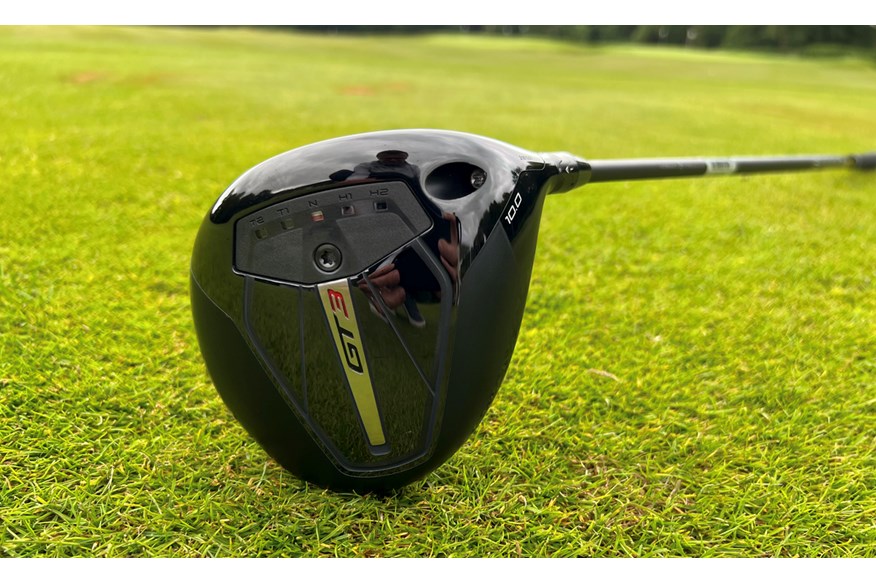
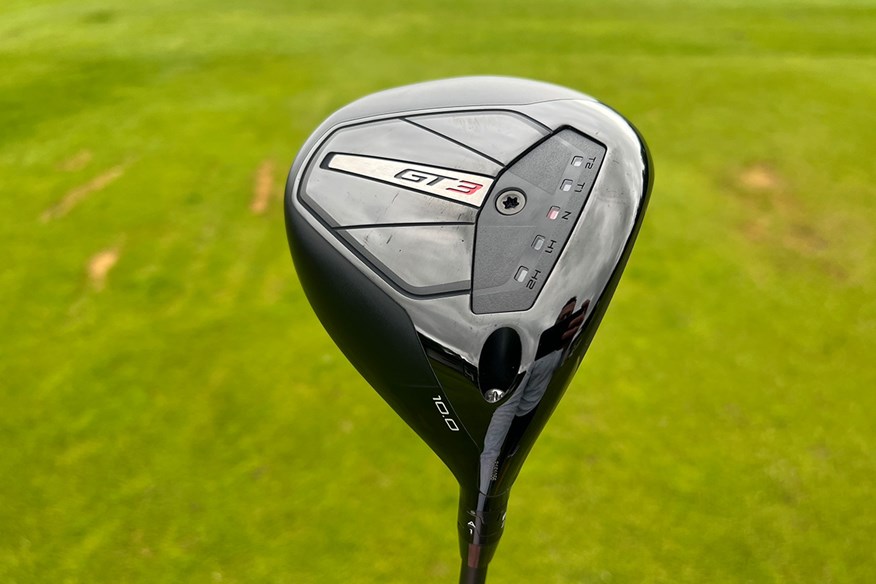
The winner for our 2025 ‘best drivers’ test, the Titleist GT3 continues to offer outstanding performance for more golfers than you’d think might suit this style of head.
Classic all-Titleist style is still a great selling point on its own for the GT3, but the quality goes beyond just the superficial. This is still a top five driver for both Carry and Ball Speed, with our data confirming it still comes with a flatter trajectory than most.
Where GT3 has fallen down this year is just in the L-R dispersion category, but on a different day we could see a change in this again. What we are impressed by is that the Titleist continues to perform at the highest level for the second year in a row, giving us enough reason to tell you that you should still be considering it even 18 months after release.
What our tester says:
“The GT3 is still one of my favorite drivers I’ve tested, and it’s so hard to argue against playing it. You do lose a little bit of forgiveness over the GT2, but it makes up for it in spades with the additional speed. Plus, the looks are killer.”
Read our full Titleist GT3 review
Key driver test data
Ball Speed 162.4 mph | Carry 283.3 yards | Spin 2,004 rpm | Launch Angle 11.0º | Height 27.6 yards | Descent Angle 32.7º | L-R Dispersion 20.1 yards
Specs Features
Lofts 8º / 9º / 10º / 11º Dexterity RH / LH Stock Shaft Options Mitsubishi Chemical Tensei 1K Black 65g (S/X/TX) / Tensei 1K Blue 55g (R2/R/S/X) / Project X HZRDUS Black 5G 60g (5.5/6.0/6.5) Stock Grip Options Titleist Universal 360 Grip (52g) Seamless Thermoform Crown for improved CG positioningSplit Mass Construction to increase stability and lower spinSpeedring VFT for off-center ball speed performanceAerodynamic construction adds speed to your delivery 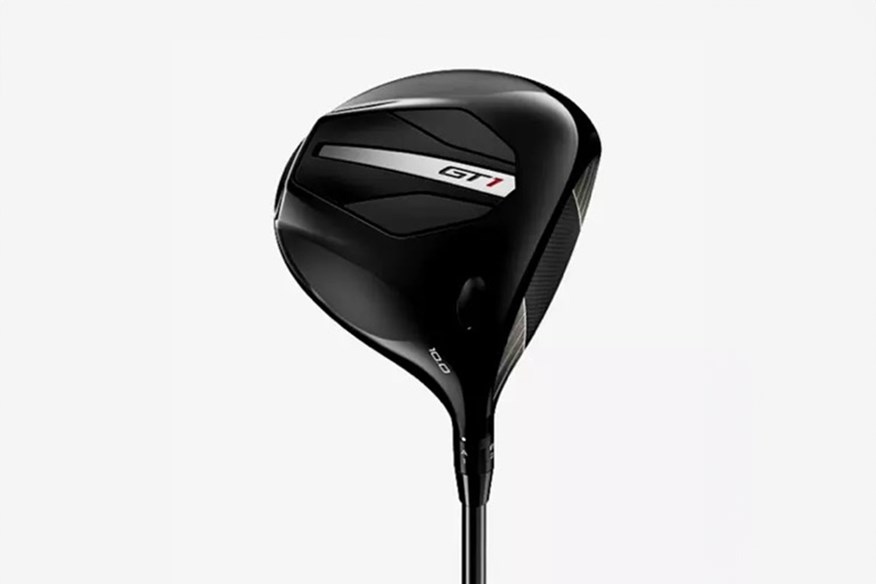 What we say:
The Titleist GT1 was added to the GT family slightly later than the rest of the models, and doesn’t feel quite the same age as a result, but this is still a driver in its second year of product cycle, so we wouldn’t have been surprised to see something of a drop-off.
The GT1, however, remains a great option for the middle ground crowd who want to see a good blend of launch and height, along with decent center and off-center speed.
With carry distance average sitting just below the test average but launch and peak height being inside the top half of the table, the GT1 continues to be a good ‘average’ performer for those looking for a little bit of everything – and we mean that as a good thing.
What our tester says:
“I still think this is one of the best drivers on the market for golfers who want height without it turning into excessive spin, even if the numbers this year are world-beating. A nice simple look with a no-nonsense approach.”
Find out more about the GT1 driver.
Key drivers test data:
Ball Speed 159.0 mph | Carry 276.5 yards | Spin 2,343 rpm | Launch Angle 12.2º | Height 33.4 yards | Descent Angle 38.5º | L-R Dispersion 17.6 yards

 What we say:
If you’re of a certain age, the Titleist GT4 is going to bring about some deep memories of the smaller, deeper face drivers of the early 2000s or late 90s.
It’s certainly one of the tastiest driver heads in our selection with exceptional (or intimidating, depending on how you feel) looks combined with wildly impressive ball speed numbers.
Unfortunately, the caveat with the old school looks is that there’s also old school forgiveness. Don’t get us wrong, it’s not like playing a 975D, but unless you’re desperate for the lowest spin option, the GT3 offers similar power without a cost on off-center drop-off.
What our tester says:
“GT4 definitely comes with a feeling a pressure to get your strike right, but maybe that’s a good thing for some players. I do like the look, but I just don’t trust myself to get the most out of this head.”
Read our full Titleist GT4 review.
Key drivers test data:
Weight Forward
Ball Speed 161.0 mph | Carry 280.6 yards | Spin 2,039 rpm | Launch Angle 11.3º | Height 28.2 yards | Descent Angle 33.1º | L-R Dispersion 12.1 yards
Weight Back
Ball Speed 160.3 mph | Carry 281.6 yards | Spin 1,927 rpm | Launch Angle 11.8º | Height 28.3 yards | Descent Angle 33.5º | L-R Dispersion 25.3 yards
Best Titleist Drivers: Previous Models
The smaller-scale alternative
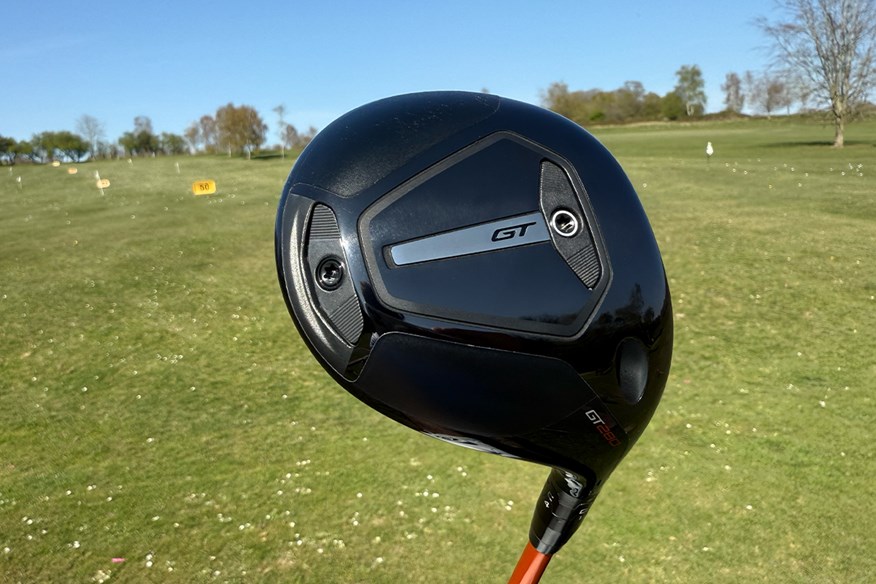
 I know some of you might be gearing up for an argument when reading this, but it’s got driver in its name, so I’m going to argue for the inclusion every day, despite the higher loft that the GT280 comes in.
The obvious separation with the Mini is that you can use the driver for both tee shots as well as from the fairway, at least with more ease than you can with a full-size driver. At 280cc, it’s also one of the smallest mini-drivers, so those off-the-deck shots are easier with the Titleist option than with other brands.
When it comes to similarities, though, the GT280 has far more in common with the GT drivers than the fairway woods. Incorporating the PMP crown technology, movable weight akin to the GT1 and GT4 drivers, and making use of the L-Cup Face design, this is a perfect driver option for those who feel more comfortable with fairway woods than the big stick, while not losing out on much distance vs the modern driver.
You can read our full review of the Titleist GT280 Mini Driver here
Specs
Lofts 13.5º Head Size 280cc Lie 56º Standard Length 43.5″ Stock Shaft Mitsubishi Tensei 1K Blue 65g / 75g Premium Upcharge Shaft Graphite Design Tour AD-VF / Tour AD-DI / Tour AD-UB Stock Grip Titleist Universal Grip
The driver that completed the legacy

 When it comes to the TS collection from Titleist, and the wider history of the Driver in Golf, the TSR3 will be remembered as a standout entry. The final driver line to release under the TS family name, it’s secured an impressive legacy that many golfers will look back fondly on, as well as debuting some technology that would be key to the successor GT series.
TSR’s core feature is the SpeedRing design, which would become Speedring VFT when it combines with the Variable Face Technology in the GT models. Speedring on its own, however, was built to maximize center-face ball speed in the TSR3, as the assumption is you’ll be more likely to hit the middle of the head if you were choosing this model over the TSR2.
Along with the thinnest titanium crown that Titleist have ever been able to produce, the SpeedRing helped the TSR3 to become the most played driver model on tour at one point, producing seriously fast ball speed along with killer looks and surprising forgiveness for this type of driver.
You can read our full review of the Titleist TSR Drivers here
Specs
Lofts 8.0º / 9.0º / 10.0º Head Size 460cc Lie 58.5º Standard Length 45.5″ Stock Shafts Mitsubishi Tensei AV X-Link Blue 55g / Mitsubishi Tensei 1K Black 65g / Project X HZRDUS Black Gen5 60g Premium Upcharge Shafts Graphite Design Tour AD-UB / AD-DI Stock Grip Golf Pride Tour Velvet 360
The original innovator
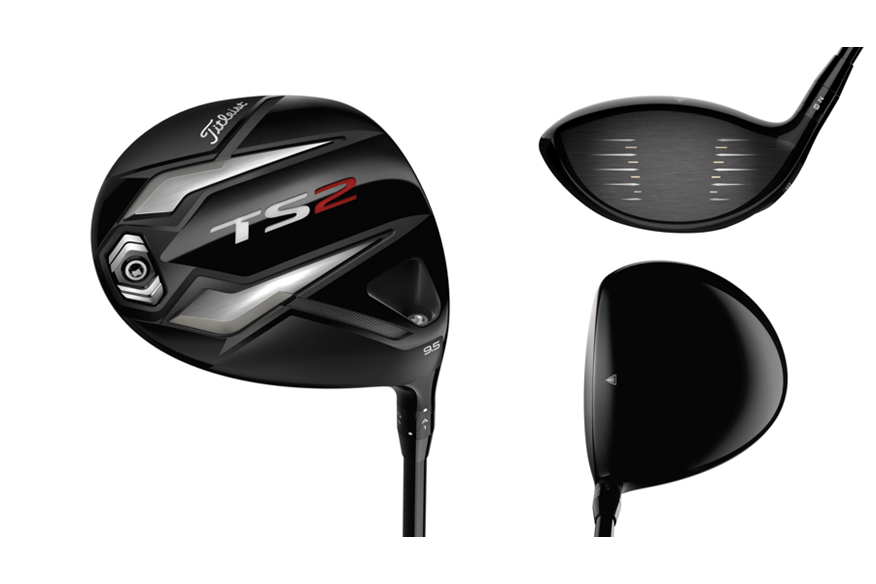 Before the release of the TS series drivers, Titleist’s reputation for drivers was struggling. Not for a lack of quality product, but mainly as it needed to be well-fitted to be able to compete with the impressive ball speeds that you would get straight out of the gate from the likes of TaylorMade or Callaway.
The TS models changed that mindset. The ‘TS’ label stood for Project Titleist Speed, an internal direction switch in the Titleist engineer’s processes. The goal was clear: create a driver family that could perform from the very first shot the golfer took, not just once it had been dialled in.
To that challenge, the design team stepped up, producing incredibly thin face and crown metals while using the saved weight to lower CG, providing the Titleist player with immediate ball speed, lower spin, and consistent launch conditions.
It may seem old hat compared to the GT family that has now surpassed it, three generations later, but the original design still holds its own when compared to modern releases. It says something that Patrick Cantlay was still playing this model more than four years after its launch.
You can read our full review of the Titleist TS Drivers here
Specs
Lofts 8.5º / 9.5º / 10.5º / 11.5º Head Size 460cc Lie 58.5º Standard Length 45.5″ Stock Shafts Mitsubishi Tensei AV Blue SFW 55g / Project X HZRDUS Smoke Black 60g / Project X HZRDUS Smoke Yellow 60g / Project X EvenFlow T1100 White 65g Stock Grip Golf Pride Tour Velvet 360 Best Titleist Drivers: The dataManufacturerModelClub Head Speed (mph)Ball Speed (mph)Carry Distance (yds)Backspin (rpm)Launch Angle (º)Peak Height (yds)Descent Angle (º)L-R Dispersion (yds)TitleistGT1111.3159.0276.5234312.233.438.517.6TitleistGT2110.9160.9279.8196810.926.531.612.0TitleistGT3112162.4283.3200411.027.632.720.1TitleistGT4 (back)110.8160.3281.6192711.828.333.525.3TitleistGT4 (forward)110.7161.0280.6203911.328.233.112.1
*All lofts at 9° unless otherwise stated.
 What type of driver do you need?Low Spin
The best low-spin drivers have more weight positioned closer to the face rather than towards the rear like more forgiving models. By stacking weight in a more forward position the center of gravity (the point the club rotates around) is drawn closer to the face. With a more forward center of gravity (CG) low spin drivers react differently at impact compared to back-weighted forgiving models. It’s this impact reaction that reduces spin.
Thanks to their more forward CG low-spin drivers have lower MOI ratings, which means they are less forgiving on off-center strikes. Low spin drivers typically work best for golfers with above-average levels of swing speed, as speed typically generates more spin. Low spin drivers will generally produce faster ball speeds than more back-weighted models (as more mass is located closer to the impact location), so they’re often the longest but least forgiving option and golfers need decent levels of speed to get the best out of them.
It’s no secret that golfers who hit the longest drives have upward attack angles onto the back of the ball (which reduces spin and adds distance much more so than downward driver attack angles), so low spin drivers are often designed to compliment this motion. It’s entirely possible if a low spin driver is put into the hands of a downward attack angle golfer spin rates will increase and not reduce.
Draw Bias/Easy to Square
The average club golfer has a handicap of 18 with a typical swing speed hovering around 92/93 mph. Research has shown a majority of these players will hit shots from left to right with a slice (for a right-handed golfer). ‘Slicers’ create more spin, which robs distance and shots frustratingly end up down the right side of the golf course, so most golf club brands produce a ‘Draw Bias’ driver to help counteract the effects of a slice.
Draw bias drivers have weight positioned more towards the heel, so the head naturally wants to rotate around this heel side center of gravity at impact, which closes the face and helps counteract the effects of a slice.
Forgiving/All-around performance
If you don’t have a super-fast swing speed and a slice doesn’t plague your game it’s highly likely you’ll benefit from a driver that offers a blend of both distance and forgiveness. Modern all-around performance drivers typically have a tiny bit of left bias built in (for right-handers), so their center of gravity location sits somewhere between low spin and the best draw models.
The most forgiving drivers are a great option for golfers prone to spraying shots across the entire face of their driver.
 Best Titleist Drivers: FAQs
Best Titleist Drivers 2026: FAQs
Do Titleist make good drivers?
Titleist make great drivers, among other golf clubs, that can work for every standard of golfer. The GT1 and GT2 drivers offer high forgiveness and assistance in launching the ball. At the other end of the spectrum, the GT3 and GT4 drivers provide some of the best ball speeds on the market while still providing more help than the TSR range they replaced – something many thought wouldn’t be possible, when considering the quality of those models.
Which tour pros use Titleist drivers?
As we’ve mentioned, there are plenty of tour pros that make use of Titleist drivers, with the likes of Titleist staffers Justin Thomas and Jordan Spieth playing the product. What’s most impressive, though, is how many non-staff professionals (by which we mean, pros who aren’t paid to use the product) have got a Titleist driver in the bag. We’ve seen golfers like Adam Scott, Dustin Johnson, and five-time Major champion Brooks Koepka add a model into their bag.
Which Titleist driver is best for a Mid-Handicap Golfer?
The Titleist driver that works best for the majority of golfers is the Titleist GT2. It offers the best blend of power, forgiveness, and easy-to-launch setup. It’s also one of the most popular drivers on the tour, being trusted by pros like Adam Scott for its all-around performance.
What is the easiest Titleist driver to hit?
The easiest Titleist driver to hit is the Titleist GT1 model. The GT1 is designed to help golfers get the ball into the air faster than any other head in the lineup. GT1 does this with more rearward weighting and the lowest Center of Gravity of any Titleist driver. The movable weights, which can bring the weight further forwards or keep it at the back of the head, also mean you can set the driver up for some additional ball speed or retain the forgiveness, according to your needs.