
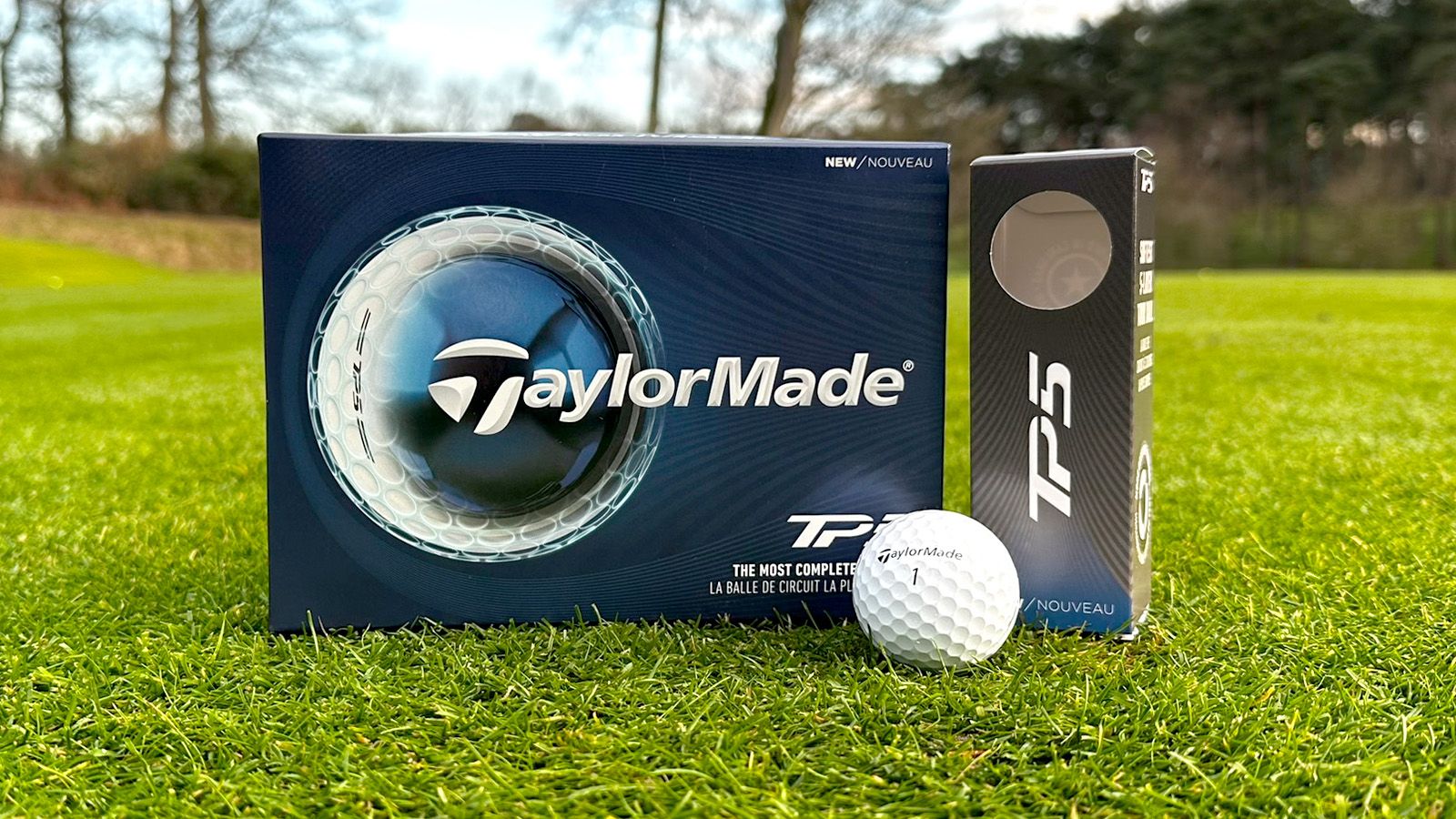
The headline story for the 2026 TaylorMade TP5 ball family is the solution to what TaylorMade calls the ‘invisible problem’. Through millions of dollars in R&D, they discovered that traditional paint application often pools in the bottom of dimples, creating uneven surfaces that affect aerodynamic consistency and ball flight.
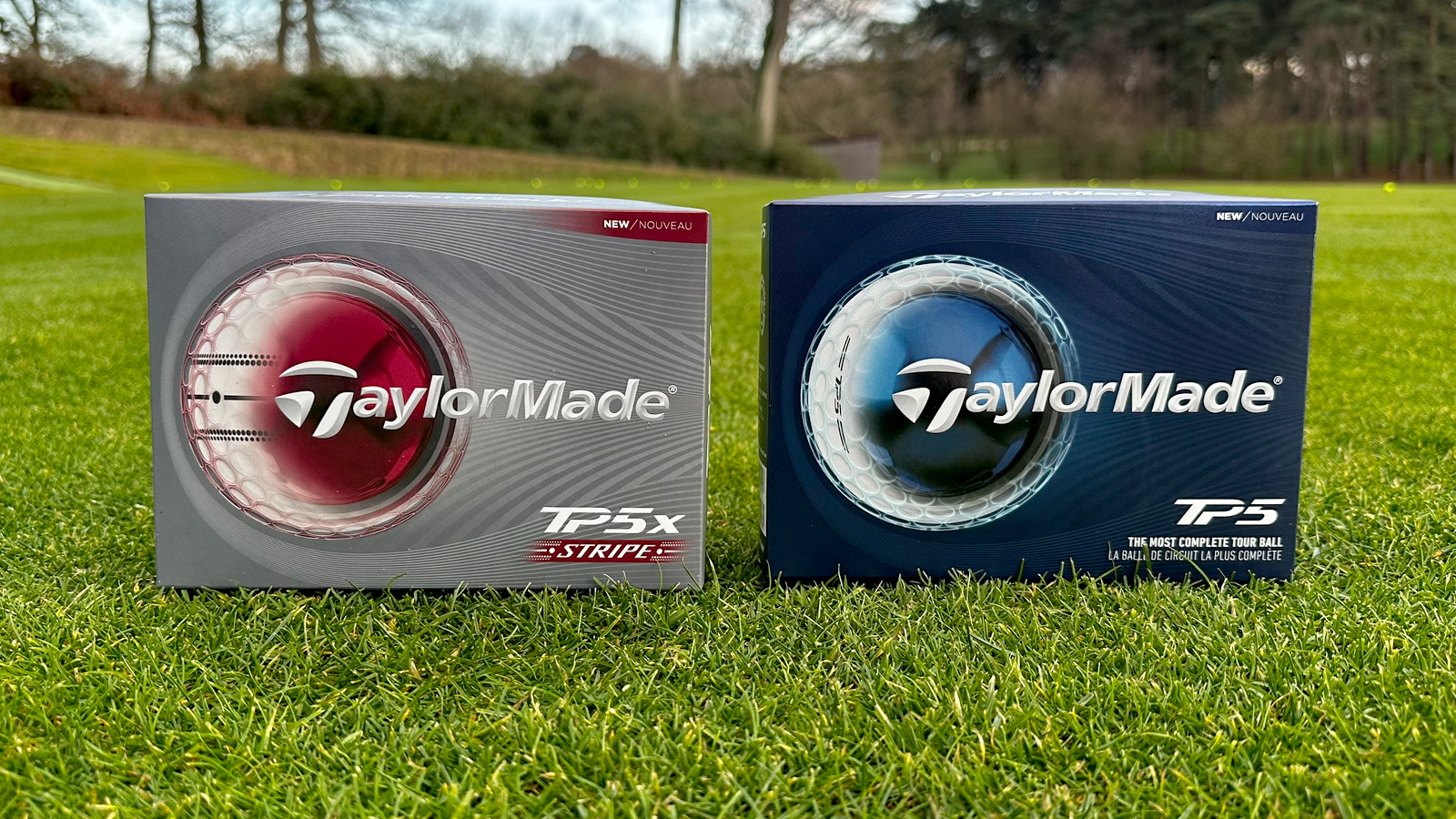
The TaylorMade TP5 and TP5x golf balls
(Image credit: Future)
The solution is a new microcoating process, which sees the balls precisely coated in paint to avoid any ‘pooling’ and reduce any large downrange flight inconsistencies. But does a microscopic layer of paint actually translate to better shots and lower scores? I tested the new 2026 TP5 ball on a Foresight GC3 launch monitor and on the golf course to find out.
The soft feel is what I noticed straight away with the TP5 yet it still provided a powerful feel through impact, unlike some 2-piece constructed balls that are among some of the best balls for beginners. I sometimes struggle with judging my distance control with my wedges with a softer ball, but for some reason, I didn’t get this spring-like sensation with the TP5.
Best picks for you
(Image credit: Future)
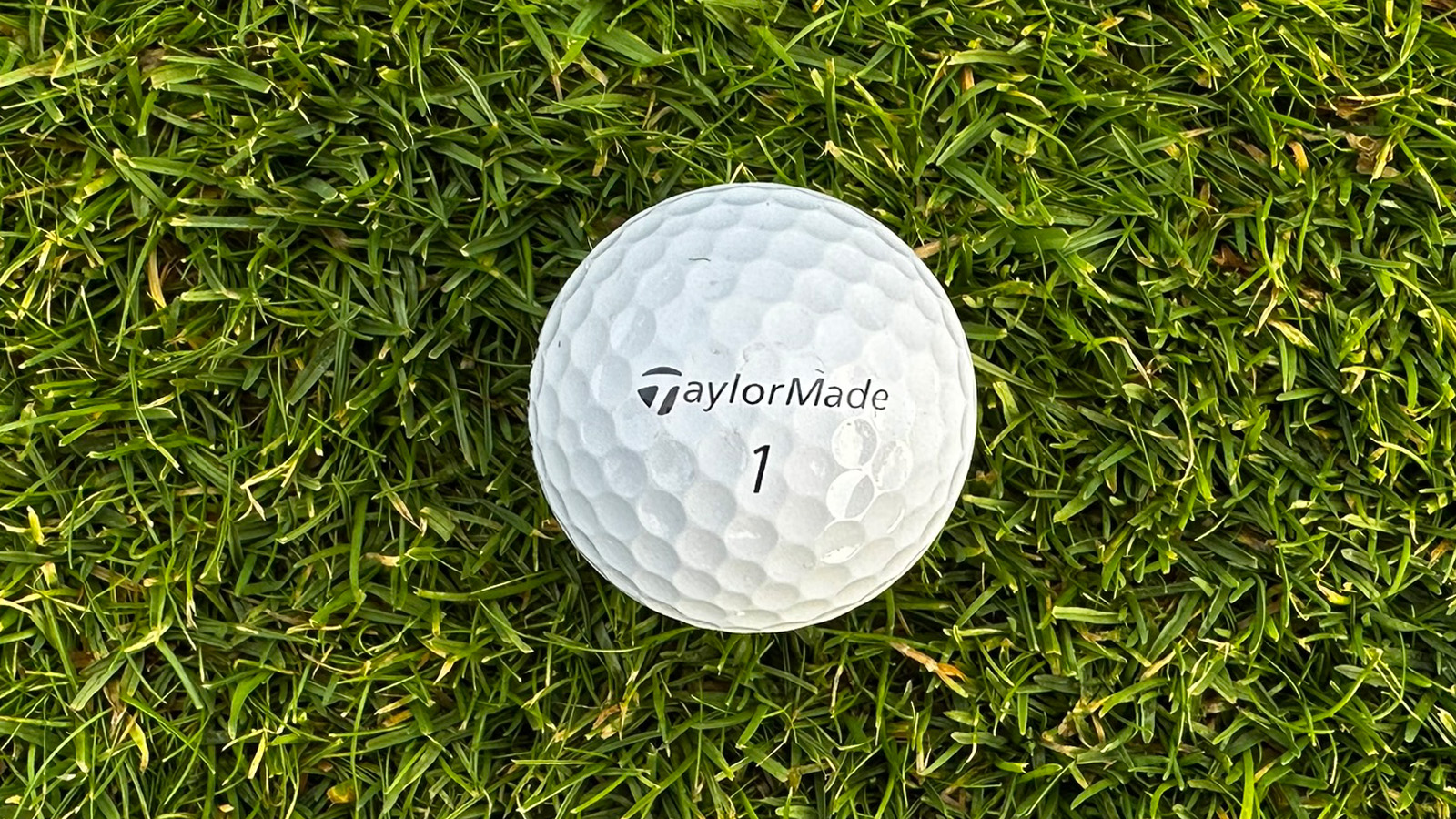
The 2026 TP5 remains a five-layer premium golf ball, but the internal engine has been overhauled and now features TaylorMade’s largest-ever tour core, designed to decrease contact time with the face for higher energy retention.
This is paired with an updated Tour Flight dimple pattern, which was designed to minimize turbulence and create a lift-to-drag ratio that stops the ball from ballooning – something I particularly struggled with when using the previous TP5 model.
(Image credit: Future)
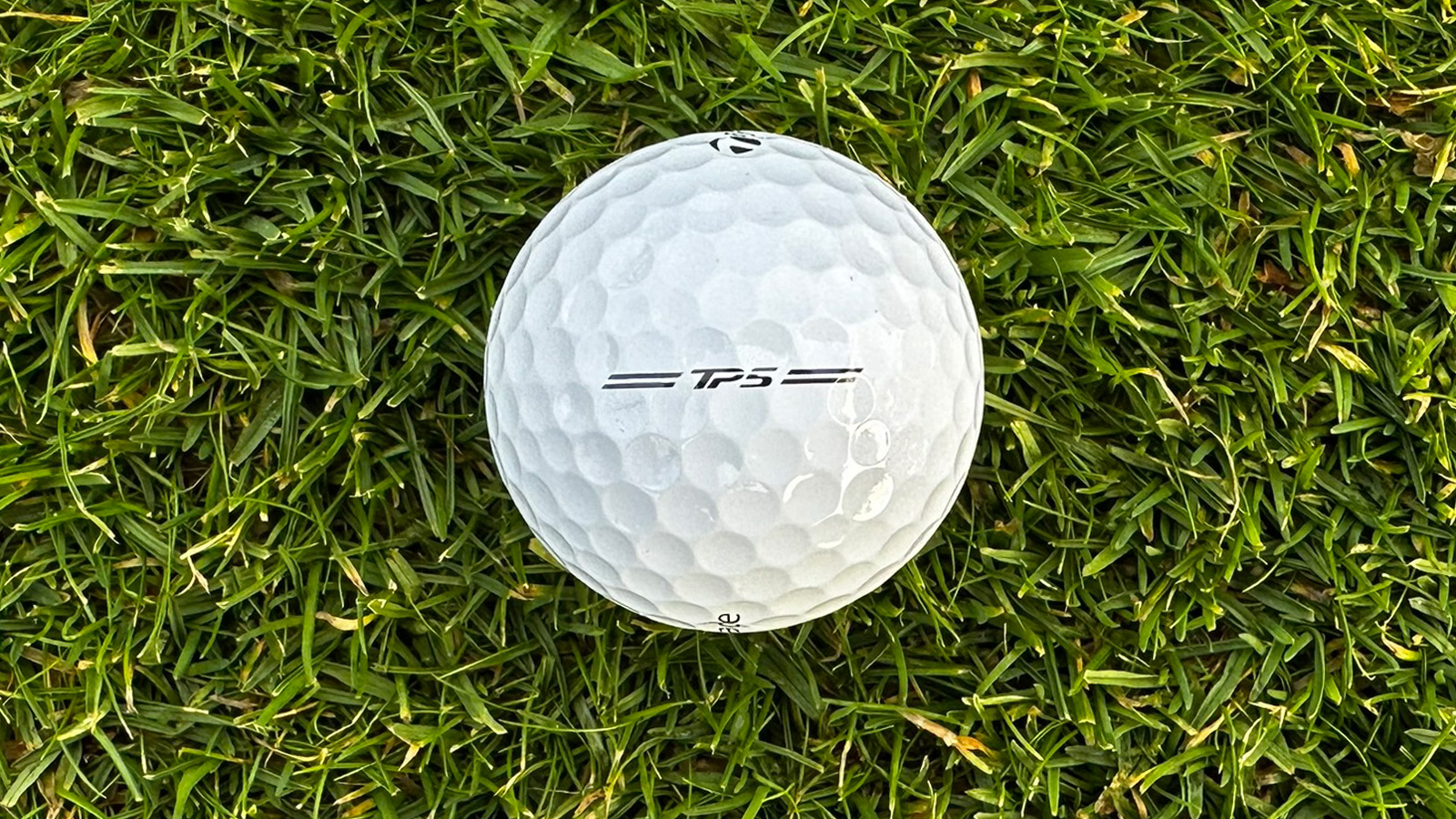
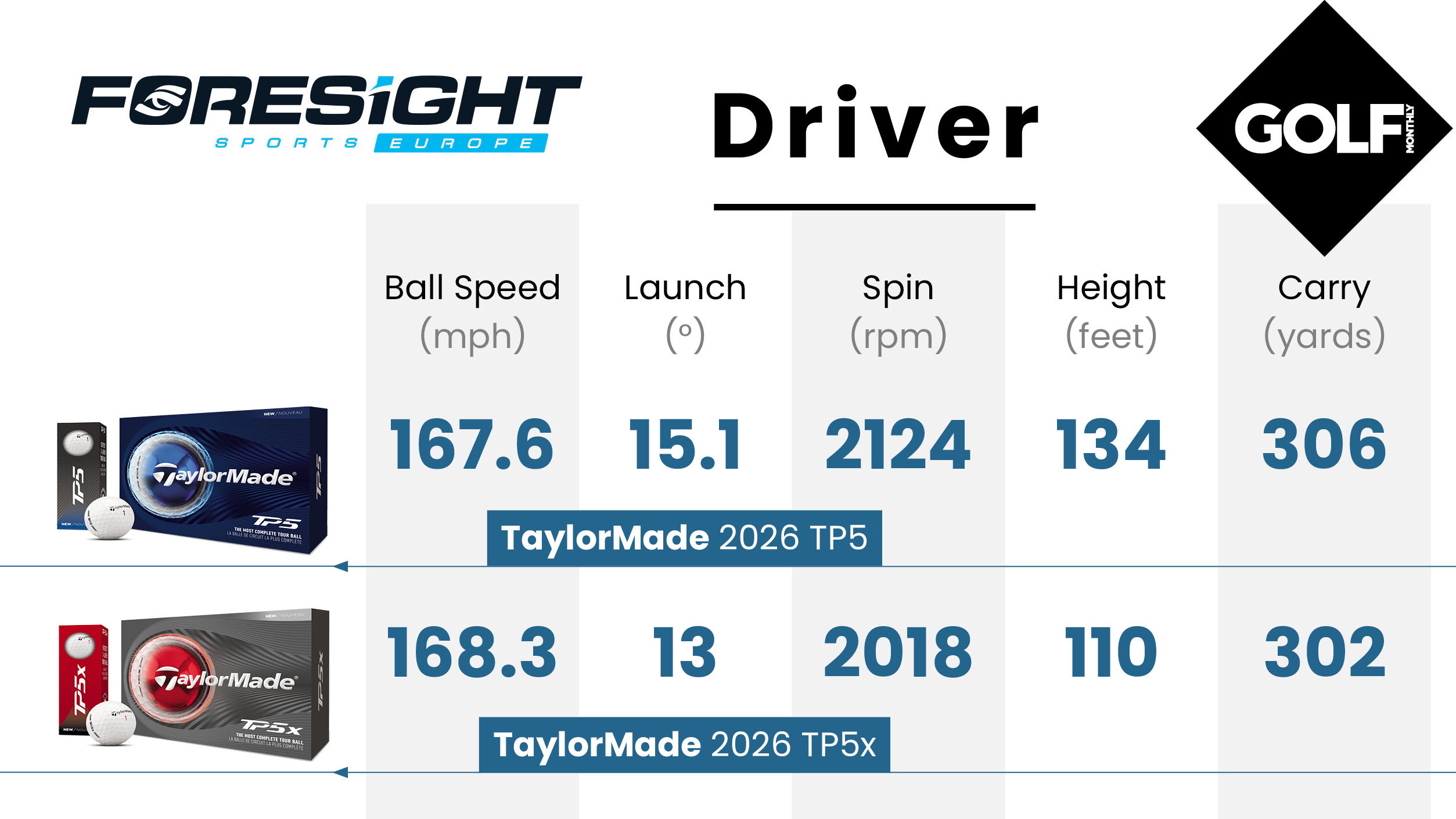
It’s interesting to note that while the TP5 is historically the softer, higher-spinning sibling to the TP5x, I saw really impressive distance out of the TP5. In fact, it was marginally longer out of the two balls for me with the driver thanks to the launch and spin, despite being slightly slower off the face.
I achieved a ball speed of 167.6 mph, which, for a ball that feels this soft, is seriously impressive and right up there with some of the fastest balls I have tested this year, such as the Callaway Chrome Tour X.
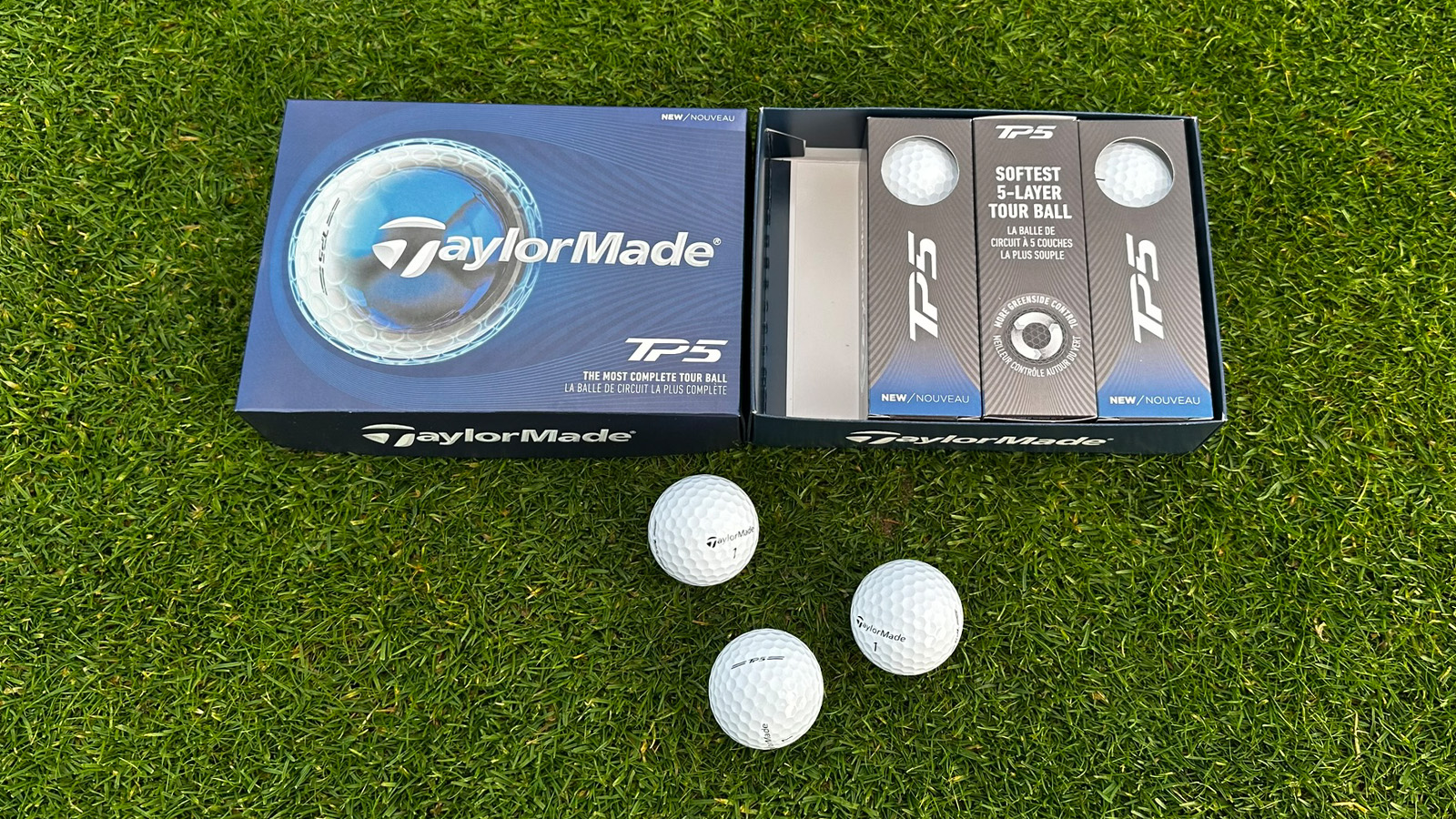
TaylorMade TP5 Golf balls
(Image credit: Future)
What stood out most, however, was the launch and spin relationship. I saw a high launch angle of 15.1° paired with a very low spin rate of 2124 rpm, which resulted in really impressive distance from the tee. Usually, to get spin that low, you have to sacrifice some launch or switch to a firmer distance ball. The TP5 gave me a high-launch, low-spin towering flight that carried 306 yards with a peak height of 134 feet.
The fact that I was seeing that launch and spin on the course, without the ball deviating too far off line even when the wind picked up, was a sign to me that the new painting and dimple pattern is working. I saw a really impressive dispersion pattern on my test hole, to the point I could claim with a degree of assurance that it was marginally better than my control test ball – the Titleist Pro V1.
I found the ball launched easily and flew high, and crucially, it didn’t balloon. That 2124 rpm spin rate meant that even at 134 feet in the air, the ball was driving forward rather than stalling – something I absolutely loved to see.
Image 1 of 2
 TaylorMade TP5 and TP5x golf ball data(Image credit: Future)
 (Image credit: Future)
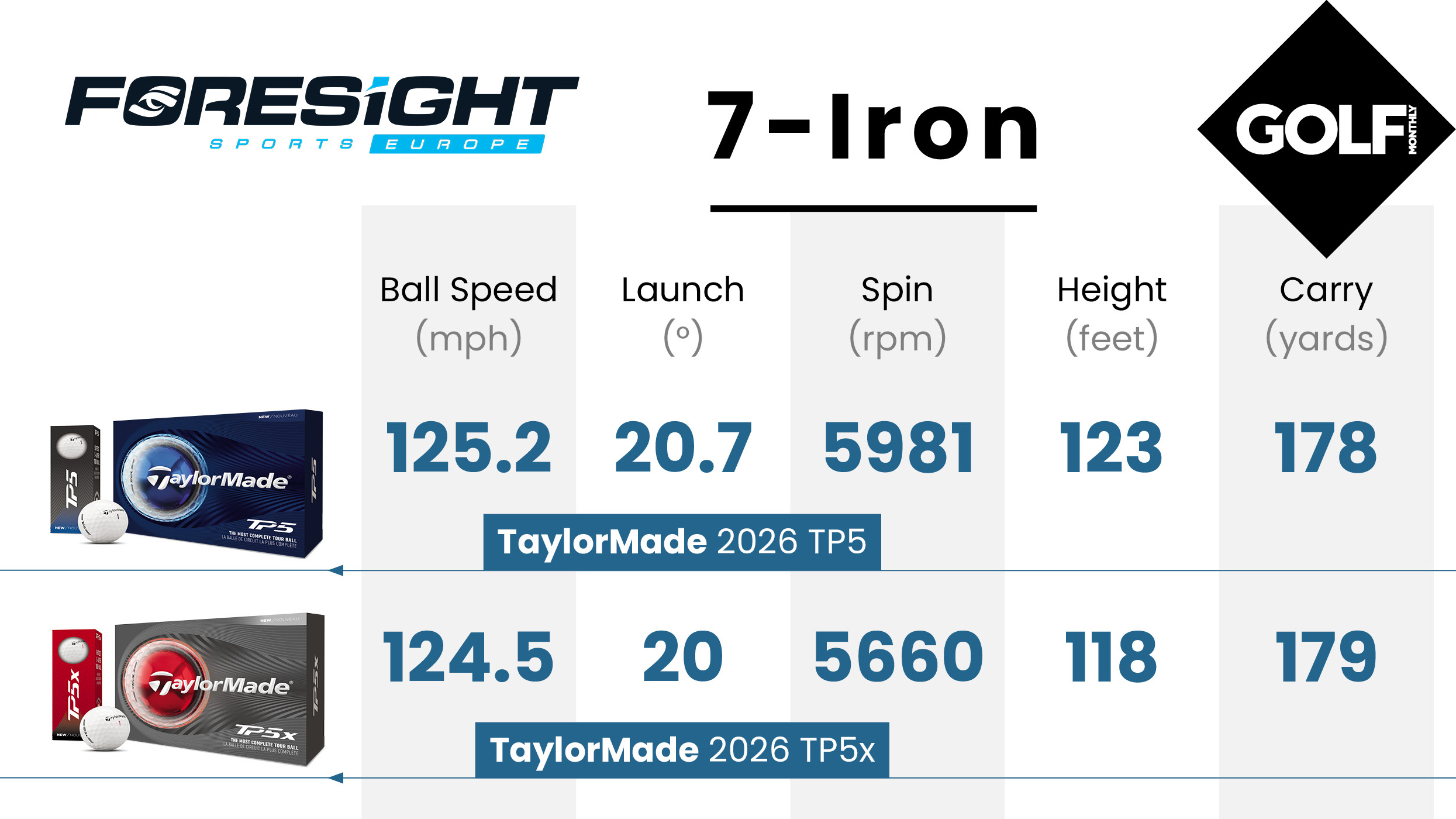
Moving down to a 7-iron, the consistency remained solid, and so did the ball flight. I recorded a ball speed of 125.2 mph and a carry of 177.8 yards, while the spin sat at 5981 rpm – a little low for my liking, but the steep descent angle made up for the slight lack in spin.
The peak height was 123 feet with a descent angle that felt as though I could hold any green – the true test will come on the firmer greens in the summer, so check back in for updates on this!
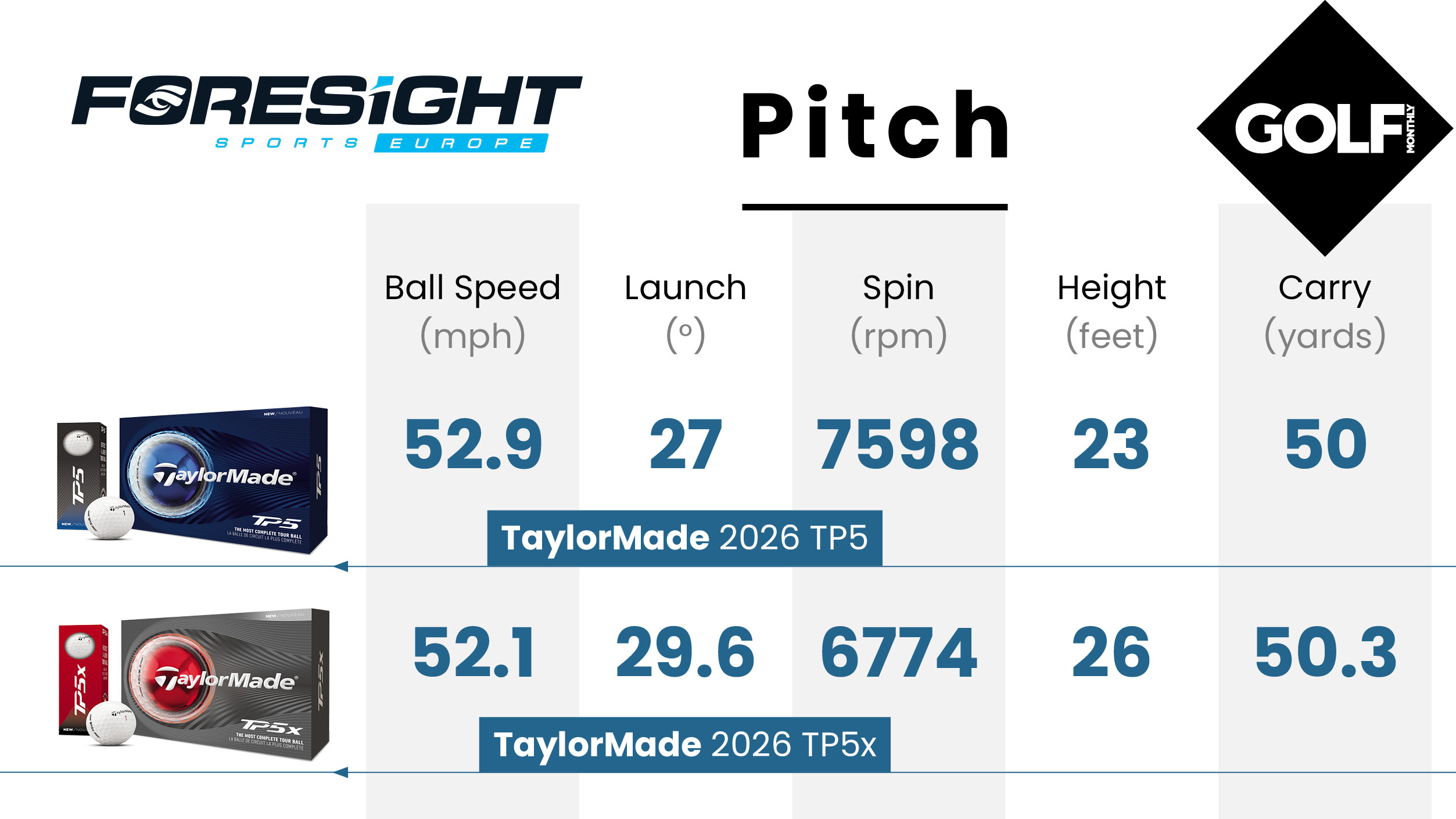
While already having impressed me with the long game performance, this ball continued to excel with its short game performance – an area where it was always reliable. On a standard 50-yard pitch, with a 54° wedge, the performance was conclusive.
TaylorMade TP5 and TP5x golf ball data
(Image credit: Future)
I saw a launch angle of 27° and a generous spin rate of 7598 rpm. For a half-shot, generating nearly 7,600 rpm of spin is phenomenal, particularly while using a 54° – my sand wedge loft. The ball carried exactly 50 yards with a controlled height of 23 feet.
This translates to that spinning action that better players crave and that you see the best players on the TV regularly execute. The cast urethane cover feels incredibly grabby on the face, giving you the confidence to be aggressive with chips and pitches, and despite taking off a little cover with fresh SM11 wedges for this year, the durability of the ball was another improvement I noticed with this ball over the previous model.
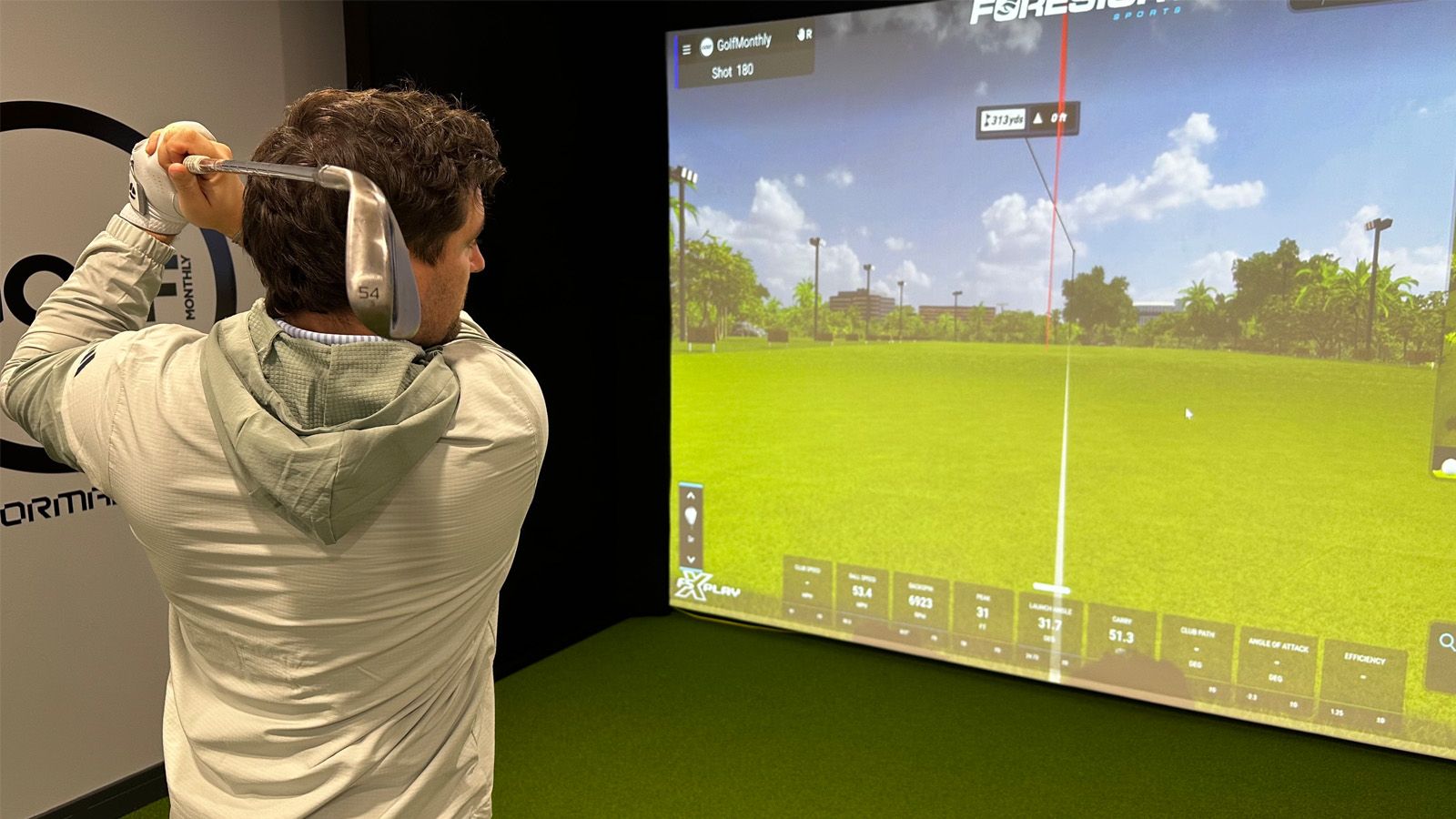
Sam De’Ath clipping a TaylorMade TP5 with a wedge using a Foresight Sports GC3 launch Monitor
(Image credit: Future)
The TaylorMade 2026 TP5 is going to be a ball that will seriously appeal to a broad range of golfers this year. Any performance and production glitches seem to have been rectified, and you’ll likely see your golf, like mine, reap the rewards. By cleaning up the imperfections in the paint and enlarging the core, TaylorMade has created a ball that launches high, spins low off the driver, while maintaining solid control around the greens.
The TaylorMade TP5 ball is available in stores and online now with a retail price of $57/£47 per dozen.