
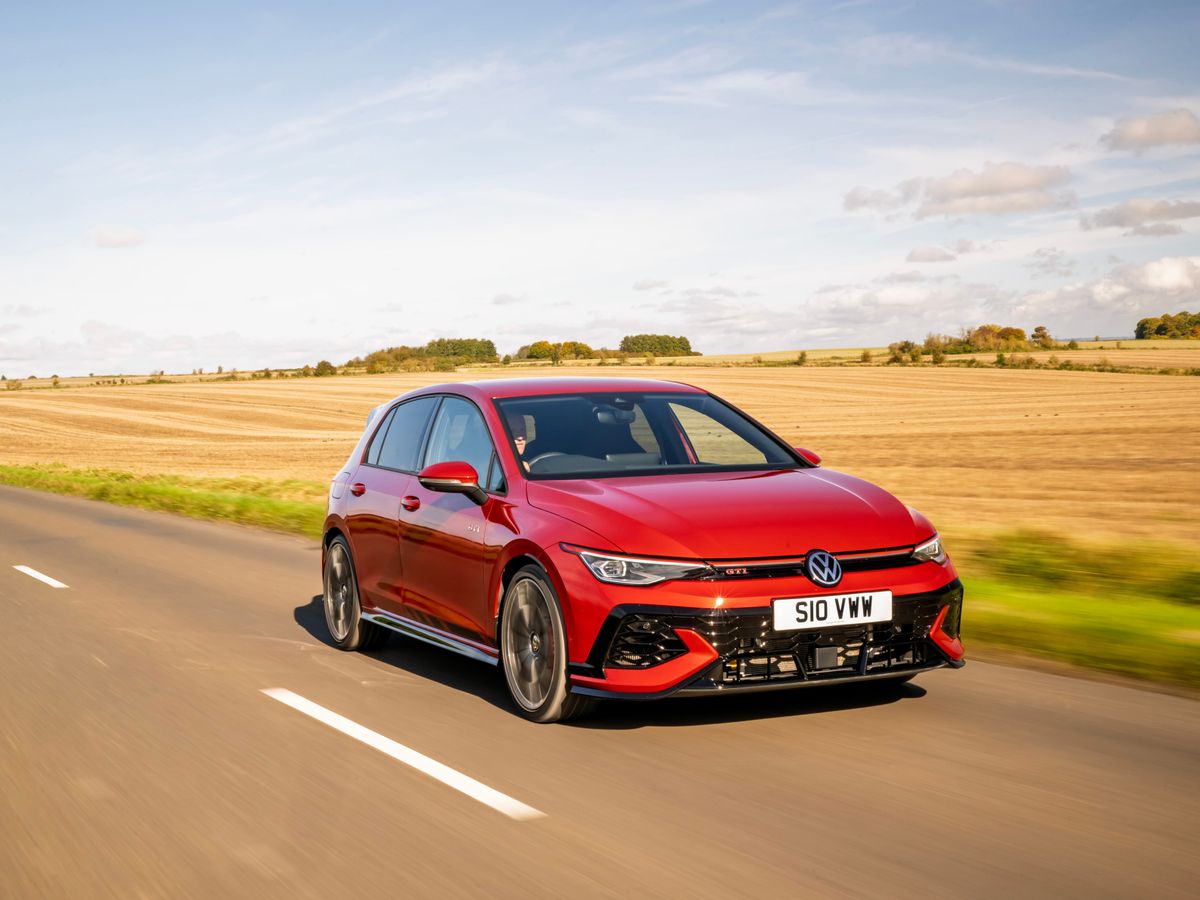
When it comes to hot hatchbacks, the Volkswagen Golf GTI needs no introduction.
Launched in 1977, the GTI was the pioneer of the hot hatchback segment, offering sports car thrills, wrapped in a practical package.
Fast forward nearly 50 years and eight generations later, the ‘GTI’ nameplate has become one of the most famous and recognisable badges in the performance car sector and the Golf GTI is still the go-to choice for many buyers that want a great all-rounder.
So, where did it all begin? And, what did each generation of GTI have to offer?
Here is our guide to every Golf GTI generation there has been, along with everything you need to know.
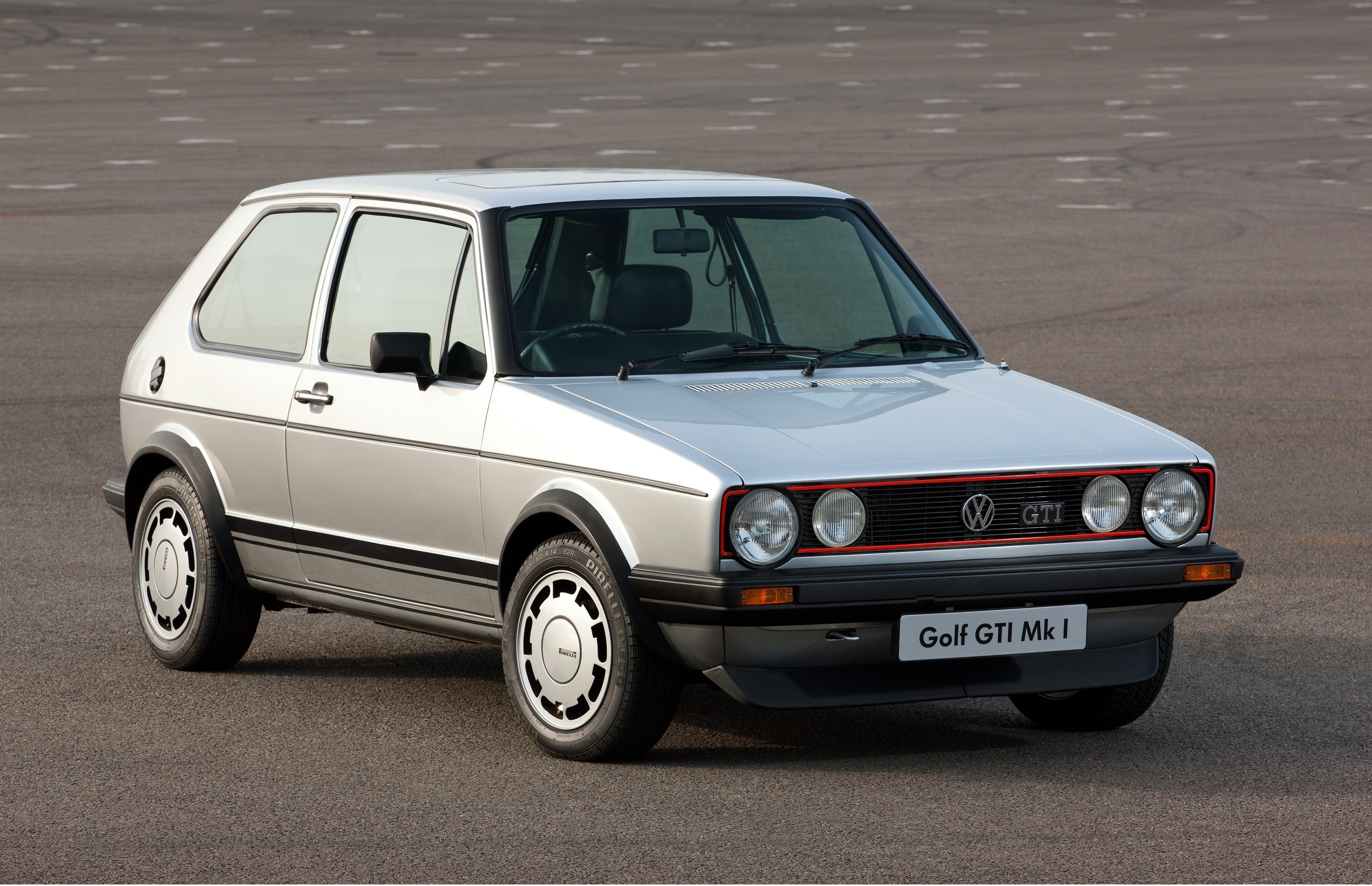 The MK1 Golf GTI was the pioneer of hot hatches. (Volkswagen)
The first-generation Golf GTI is where it all started in 1977, though sold originally in left-hand-drive for the UK market until right-hand-drive variants arrived on our shores in 1979.
Under the bonnet, the car was equipped with a 1.6-litre naturally-aspirated four-cylinder petrol engine that developed 108bhp and 139Nm of torque, which meant 60mph was dealt with in nine seconds and it would reach a top speed of 110mph.
The original car weighed just 810kg, making it extremely light, while the exterior boasted larger wheels, a lower-body sports stripe decal, a red front grille surround, tartan-patterned seat upholstery and a golf ball-styled gear knob.
 The MK2 GTI was bigger and heavier than its predecessor. (Volkswagen)
The second-generation model was launched in 1984 and had big boots to fill after the success of the first iteration.
The car had gained in size and weight, but to compensate for its larger dimensions, all cars came equipped with a larger 1.8-litre naturally-aspirated eight-valve petrol unit that produced 110bhp and 154Nm of torque. There was also a more potent 16-valve version of this engine, which boosted power to 137bhp and 168Nm of torque, which meant it was good for 60mph in eight seconds.
For the first time, the GTI was available in three and five-door body styles, and the car included more aggressive styling to differentiate itself from the standard Golf models.
 The MK3 GTI was rather slow compared to its rivals. (Volkswagen)
The third-generation arrived in 1992 and featured a new 2.0-litre eight-valve engine; however, power had only increased to 113bhp, making the GTI rather slow in comparison to its rivals and even the first-generation car.
Thankfully, in 1993, Volkswagen introduced a new 16-valve model that took power to 148bhp and 180Nm of torque, though with new safety regulations coming into force made the GTI heavier and not as agile as the models that had gone before.
 The MK4 Golf GTI had lost its way. (Volkswagen)
When the fourth-generation car arrived just before the millennium, the ‘GTI’ nameplate had lost a spring in its step, with this latest car powered by a 1.8-litre turbocharged petrol engine, which produced a mediocre 148bhp.
Furthermore, there was a naturally-aspirated 2.0-litre model that was sold for the UK market only, which made just 115bhp.
The car had very subtle styling details thanks to its larger wheels, but that was the only real aesthetic change to have been made compared to the standard Golf.
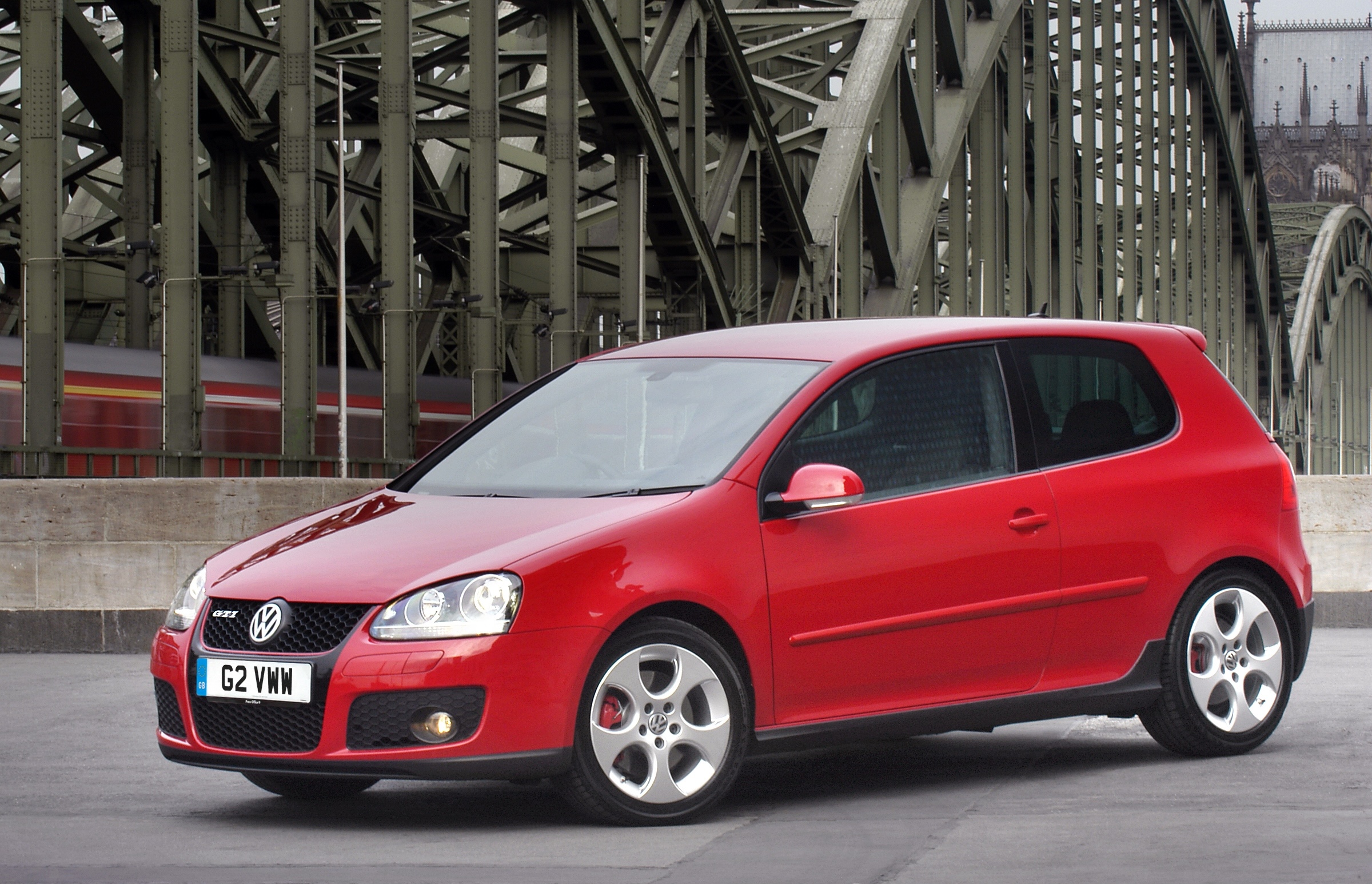 The Golf GTI MK5 was a class-leader. (Volkswagen)
In 2004, the Golf GTI got its mojo back with the launch of the fifth-generation model, which was light-years ahead of its rather sluggish predecessor.
The car received a new 2.0-litre turbocharged petrol engine that developed 197bhp, representing a big increase over the car it replaced. It also featured lots of exterior and interior styling updates and, for the first time on a GTI, it was available with Volkswagen’s ‘DSG’ automatic gearbox.
Underneath, the car featured multi-link rear suspension, which transformed the handling, taking the GTI back to the top of the class in the hot hatch stakes.
 The MK6 GTI was a technologically advanced car for its time. (Volkswagen)
The sixth-generation car was more of a heavy facelift over the fifth-generation GTI; however, there were a lot of changes.
Not only did it feature a sleeker exterior design, but the introduction of Volkswagen’s ‘Adaptive Chassis Control’ with adjustable dampers made it even more driver-focused.
The 2.0-litre turbocharged petrol engine also gained an additional 10bhp, taking the total power output to 207bhp.
There was also the introduction of a limited-run ‘Edition 35’ anniversary edition, which got even more power at 231bhp and featured unique alloy wheels and a bespoke exterior body kit.
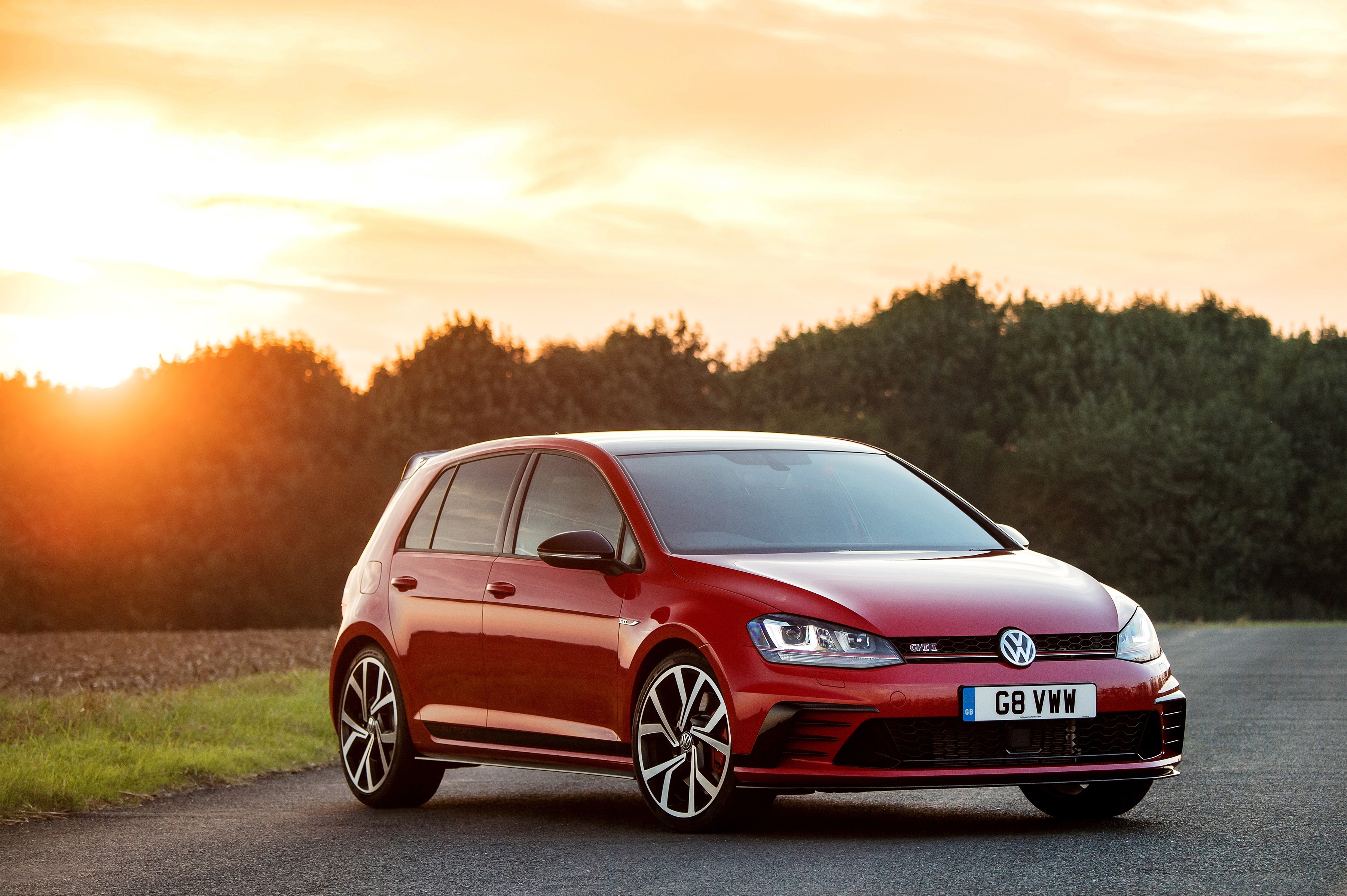 The MK7 Golf GTI sat on Volkswagen’s ‘MQB’ platform. (Volkswagen)
The seventh-generation car arrived in 2013 and was the last Golf GTI to be made available with a three-door bodystyle.
It sat on Volkswagen’s ‘MQB’ platform, which made it 100kg lighter than the old model, while the 2.0-litre turbocharged petrol engine had been upgraded to produce between 217bhp and 242bhp, depending on which model you chose.
The seventh-generation car also brought lots of safety features such as ‘automatic emergency braking’ and adaptive cruise control.
Plus, the seventh-generation car could be specified in ‘Clubsport S’ guise, which was the ultimate track weapon with its 306bhp 2.0-litre turbocharged petrol engine and two-seat layout. It set the fastest lap record around the Nurburgring race track in Germany for front-wheel drive cars, in fact.
Other models included the ‘TCR’, which used a 286bhp 2.0-litre setup and incorporated 20mm lowered suspension, unique sports seats, ‘TCR’ exterior graphics and tweaks made to its chassis.
 The latest Golf GTI is bigger, faster and safer than ever before. (Volkswagen)
The latest addition to the Golf GTI family tree is the eighth-generation car which has been on sale since 2020.
It comes as standard with five doors and is powered by a 2.0-litre turbocharged petrol engine that now develops 261bhp.
There is also the option of a more powerful ‘Clubsport’ model, which takes power up to 296bhp and it can hit 60mph in 5.4 seconds.
Since the car was facelifted in 2024, there is no manual option available, with all models now coming as standard with Volkswagen’s DSG automatic transmission.