
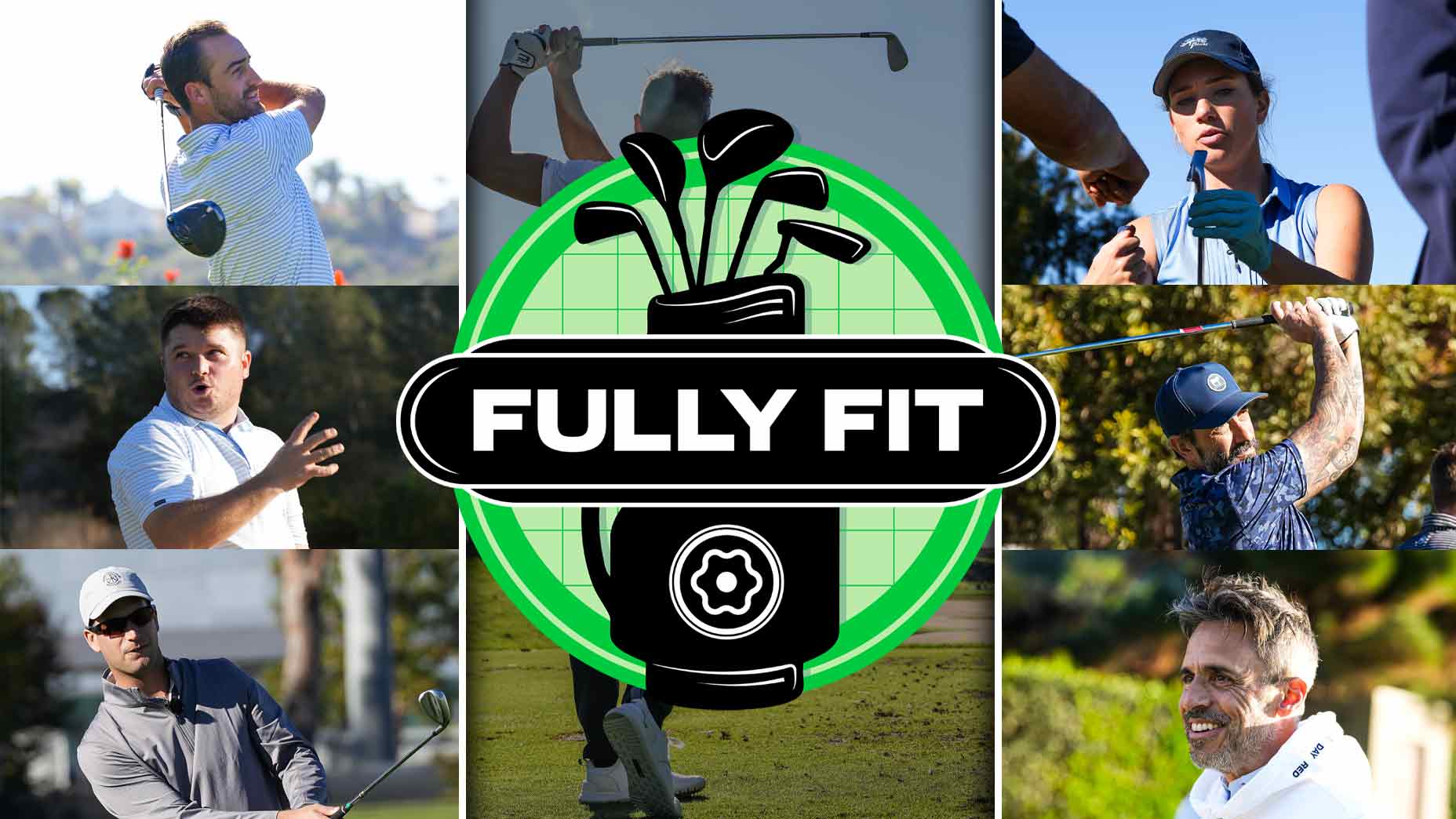
Welcome to Fully Fit 2026, GOLF’s new platform for providing you with real-golfer insights into what 2026 gear might be best suited for your game. To this end, we assembled six GOLF content creators of varying abilities and ran them through the gauntlet of six full-bag fittings (driver to putter!) at six major club manufacturers in Phoenix and Carlsbad, Calif. Our hope: that you might see shades of your own game in one of our panelists’ and take some learnings and inspiration from their fitting experiences.
***
Last year was a banner year for the new-look GOLF gear squad. We assembled what we think is the finest crew of creators, writers and producers in the industry; our content is better than ever (we hope you agree!); and the growth across our gear channels, especially in the video and social spaces, has been huge. I truly believe you, the golfer, now has the home base to answer any gear questions you might have.
Part of that growth was getting honest about what was working and what was not.
Golf media and equipment have both changed dramatically in recent years. Gone are the days when the written word, indoor testing with numbers and forum chatter were the only sources of information on how and why you would need to buy a golf club. Those remain important platforms, of course, but now gear guidance also is flowing through a host of digital spaces, from YouTube and Instagram to TikTok and Reddit.
MORE FULLY FIT: Fully Fit hub page | Inside 6 days of fittings and testing | Browse 2026 drivers | Browse 2026 irons
Our previous testing platform — “ClubTest” — was a herculean effort powered by several golfers convening at a host site to hit hundreds of clubs over two or three days. It provided learnings and data, but trouble was, none of that gear was fitted to the testers; it was more of a 35,000-foot view, with “best” really meaning “best for a given tester on a given day.”
Why nothing is ‘the best’ anymore
When it to comes to golf equipment, the word best can and has had a negative impact on the industry. There’s a best for you, sure, but not for everyone. Every leading clubmaker operates at an elite level, and to think or say that one company is better than another is not only silly but also a disservice to the consumer.
The biggest problem with grading clubs is that it says nothing about the club and provides only a tenth of its whole story. Hell, even on Tour, the fitters who work with the top players in the world are still in recon mode for the first four months of a new product.
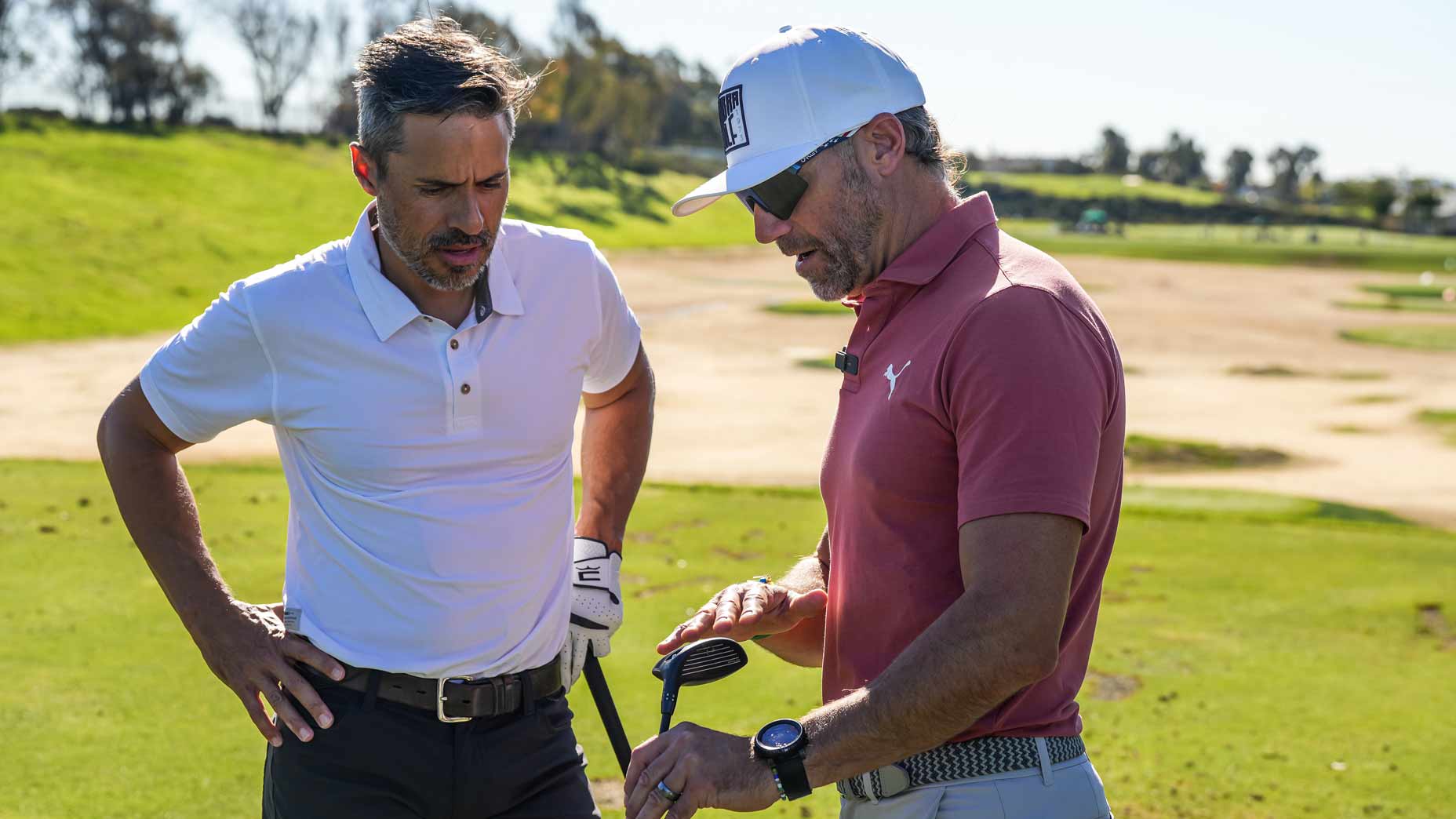
Johnny Wunder during a fitting at Cobra.
Adam Christensen/GOLF
I feel the same way about robot testing. Sure, that data can be insightful and fun, but ultimately you don’t call in a robot to hit the ball for you. So why would you buy a club based on robot data? That’s why club companies do both robot and human testing before a club ever sees the light of day.
Truth is, every club that hits the market these days is a 10 out of 10. They are all fast, forgiving, sound good, feel good, etc. The trick is finding the best of the bunch for you.
Full disclosure: I worked at Callaway for four-plus years, and I loved a good “test” rating or score from an outside agency. It was a fun vibe in the office when it worked in our favor . . . but we also knew it’s just not that simple.
Introducing Fully Fit
With Fully Fit, we wanted to do something different. We wanted a series in which we profiled a half-dozen golfers who are trying to build a great bag for 2026 — a set that not only performs but also delivers the trust golfers crave.
The GOLF squad, made up of Jake Morrow, Sean Zak, Jack Hirsh, Maddi MacClurg, Wadeh Maroun and myself, went on an epic nine-day quest from Phoenix to Carlsbad to Huntington Beach, Calif., hitting every major club company in search of the dream bag. At every stop, our team went through full-bag fittings (with ball), with the goal of determining, from a performance and emotional level, what clubs would make the six hitters the best versions of themselves.
This not only gives you, the consumer, six different player profiles (aka archetypes) to relate to, but it also gives you an inside look into the power and necessity of fitting.
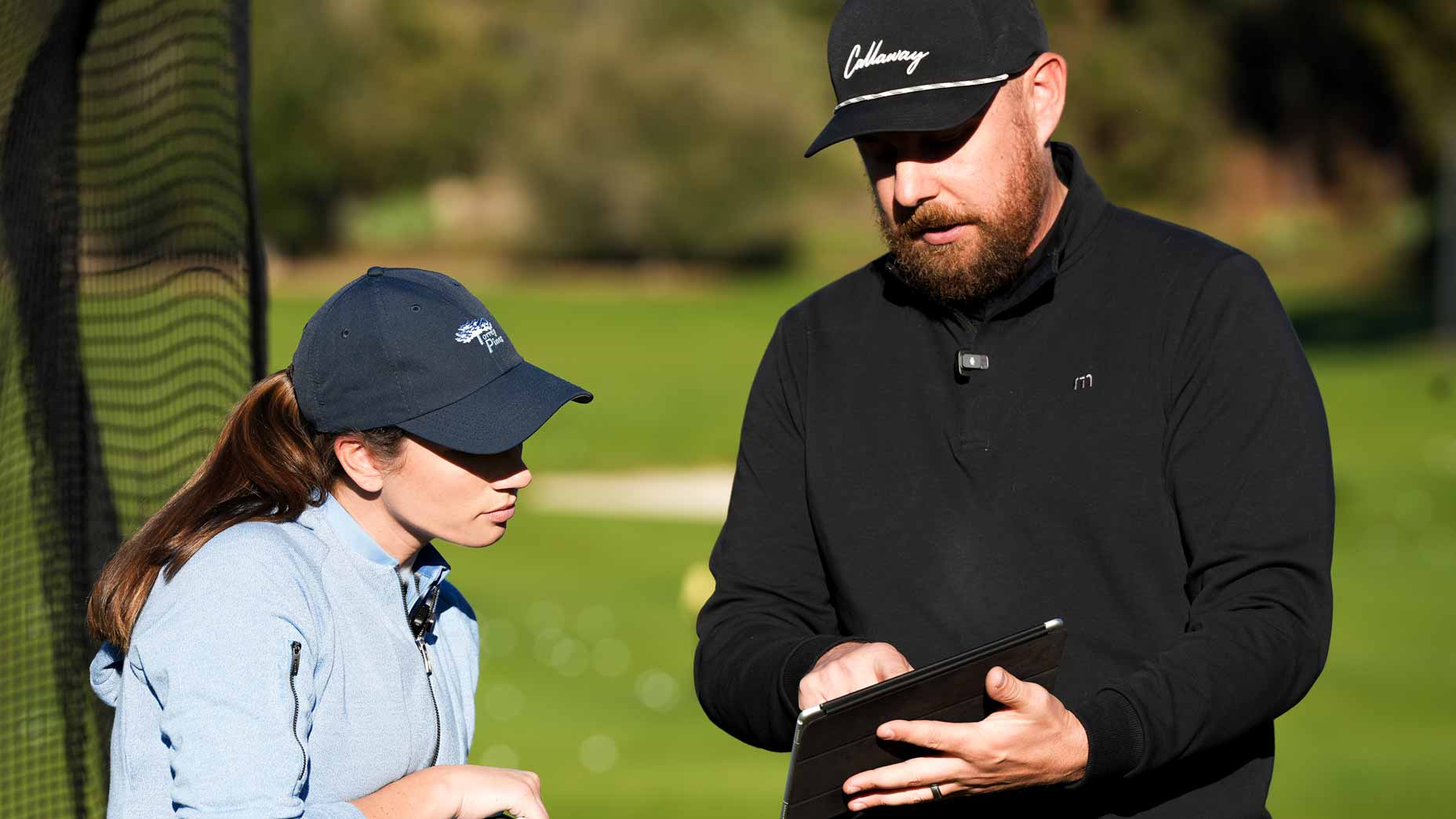
Maddi MacClurg during one of her Fully Fit fittings.
Adam Christensen/GOLF
Jake Morrow (handicap: 0) | Jack Hirsh (2) | Johnny Wunder (2) | Wadeh Maroun (2) | Maddi MacClurg (5.6) | Sean Zak (7.8)
Our hope is that at the end of this series, which will continue into the summer, you will learn something about how a club “should” land in your bag, how each OEM approaches fitting and, lastly, how to build a set that helps you shoot lower scores.
We will take it even further, though: the fitting and decision-making is a huge part of this but it’s the follow-up that will really tell the story. So, for this experiment, we’re including an initial 36-hole playing test and three-month check-in in the middle of the summer to get each player’s status.
Every hitter had a goal going into this process, and to have the platform to monitor the progress and learn if the clubmakers’ “stories” and “tests” hold water for the player will be fascinating.
I guarantee there will be something in Fully Fit for everyone, and at the end of it, you’ll see our final bags will be all over the map. No single company will dominate the conversation, and there certainly won’t be any “bests.”
Enjoy the show!
Ready to overhaul your bag in 2026 like our Fully Fit panelists? Find a club-fitting location near you at True Spec Golf.