
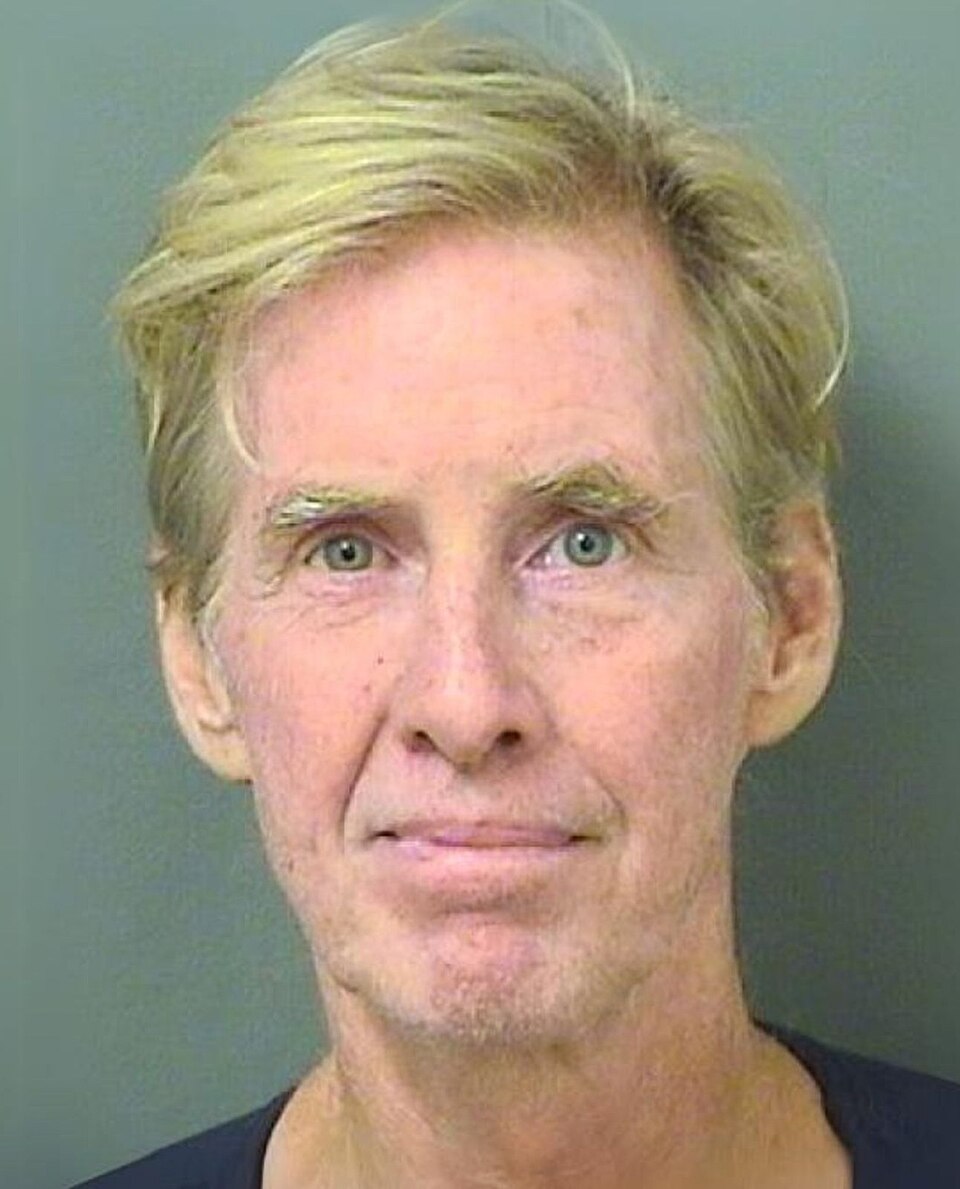
Ryan Wesley Routh, the 59-year-old Hawaii man who opened fire on former President Donald Trump during a golf outing in September 2024, was sentenced to life in federal prison without parole on Feb. 5, 2026, concluding one of the most high-profile political violence cases in recent U.S. history.
U.S. District Judge Aileen M. Cannon handed down the maximum sentence after Routh pleaded guilty in October 2025 to two counts of attempted assassination of a major presidential candidate, two counts of assault on a federal officer, and multiple firearms charges. The life term was mandatory under federal sentencing guidelines for the attempted assassination counts, which carried a statutory maximum of life imprisonment.
Routh showed no visible emotion as Cannon delivered the sentence in a packed federal courtroom in Fort Pierce. He declined to make a statement during the hearing, though his defense attorney read a brief prepared remark in which Routh expressed regret for the pain caused to Trump’s family and Secret Service agents but stopped short of apologizing for the act itself.
“I never intended to harm anyone that day,” the statement read. “I was trying to send a message about the direction of the country. I understand now how wrong and dangerous my actions were.”
Prosecutors described Routh’s September 15, 2024, attack as a meticulously planned, politically motivated attempt to kill the Republican presidential nominee. According to the 48-page criminal complaint and subsequent filings, Routh camped for nearly 12 hours in shrubbery along the perimeter of Trump International Golf Club in West Palm Beach, armed with a Czech-made Vz.61 Skorpion submachine gun, two AK-style rifles, a GoPro camera, and ceramic body armor plates.
At approximately 1:31 p.m., as Trump’s golf cart approached the fifth hole, Routh emerged from cover and fired four to six rounds toward the former president from roughly 400–500 yards away. Secret Service agents immediately returned fire, forcing Routh to flee. He abandoned his rifle, scope, and backpack — which contained the GoPro set to record the attack — and drove away in a black Nissan Xterra.
A witness at a nearby road flagged down a Palm Beach County sheriff’s deputy, providing Routh’s license plate. Florida Highway Patrol troopers stopped the vehicle on Interstate 95 in Martin County about 40 miles north of the golf course. Routh surrendered without resistance.
Investigators later recovered a handwritten letter Routh had mailed to a prominent media outlet days before the attack. In it, he offered $150,000 to anyone who could “finish the job” if he failed, referred to Trump as “the most dangerous man in the world,” and expressed support for Ukraine while criticizing Trump’s foreign policy positions.
Federal Case & Guilty Plea
Routh was indicted on Oct. 3, 2024, on 10 felony counts, including attempted assassination, assault on federal officers, possession of a machine gun, and possession of a firearm by a convicted felon. Prosecutors built a comprehensive case showing premeditation: Routh had researched Trump’s golfing schedule, purchased the Skorpion submachine gun illegally in North Carolina in August 2024, and practiced at a remote shooting range in Hawaii before traveling to Florida.
On Oct. 28, 2025, Routh abruptly changed his plea to guilty on all counts in a deal that spared him the death penalty. In exchange, prosecutors agreed not to seek capital punishment and to recommend concurrent life sentences rather than stacked terms.
During the plea hearing, Routh admitted under oath that he “knowingly and intentionally attempted to kill Donald J. Trump by shooting at him with a firearm.” He also acknowledged that his actions placed Secret Service agents in immediate danger.
Victim Impact & Sentencing Hearing
Thursday’s sentencing hearing lasted nearly three hours. Prosecutors called four witnesses: two Secret Service agents who returned fire, a golf course employee who first spotted Routh’s rifle barrel protruding from the bushes, and Trump himself, who appeared via videoconference from Mar-a-Lago.
Trump, who was not physically injured in the incident, gave a 12-minute statement describing the moment he heard bullets “whizzing by” and agents shouting “get down.” He called Routh “a deranged individual fueled by hate” and urged the judge to impose the maximum penalty to send a message against political violence.
“I’ve been through a lot, but that day was different,” Trump said. “It wasn’t just me they were coming for — it was the movement, the people who believe in America First. We cannot allow this kind of hatred to go unpunished.”
Routh’s defense team called two witnesses: a forensic psychologist who diagnosed him with delusional disorder and a sister who described a history of untreated mental illness, homelessness, and financial despair. The defense asked for leniency, arguing that Routh’s actions stemmed from severe mental illness rather than pure political malice.
Judge Cannon rejected the mental-health mitigation argument, stating that Routh’s planning, research, and attempt to record the attack demonstrated “a high degree of culpability and a depraved indifference to human life.”
Broader Context & Political Fallout
The attack was the second apparent assassination attempt on Trump in 2024, following Thomas Matthew Crooks’ shooting at a Butler, Pa., rally on July 13, 2024, which wounded Trump’s ear and killed one spectator. The incidents fueled intense national debate over political rhetoric, Secret Service protocols, and the rise of domestic extremism.
Routh’s case drew particular attention because of his eclectic political history. Voter records showed he voted in Democratic primaries in North Carolina and Hawaii, donated small amounts to Democratic candidates, and expressed support for Ukraine in online posts. Yet he also voiced frustration with both parties and appeared disillusioned with the political system overall.
The sentencing closes the criminal chapter but leaves open questions about security failures at Trump’s golf club and whether additional charges will be pursued against any individuals who may have assisted Routh. The Secret Service and FBI continue to investigate potential accomplices, though no additional arrests have been announced.
Trump, now in his second term, referenced the incident frequently during 2025 campaign-style rallies, using it to rally supporters and criticize opponents. The former president issued a statement after the sentencing: “Justice has been served, but we must remain vigilant. The radical left’s hatred will not stop us from Making America Great Again.”
For the families of the Secret Service agents and golf course staff who faced direct danger, Thursday’s life sentence brought a measure of closure. One agent, speaking anonymously, told reporters outside the courthouse: “We signed up to protect, not to be targets. Today the system worked.”
Routh was immediately remanded to federal custody and is expected to be transferred to a high-security facility within weeks. His attorneys have indicated they will not appeal the sentence.