


PR expert Andy Barr has dealt with enough corporate crises – and made enough apologies of his own – to know when a sorry sounds sincere. He reckons most brands have forgotten how to do it.
We have forgotten how to say sorry with sincerity and meaning. What the absolute hell has happened to the humble apology? I will tell you what, the evil corporate world, with its (me included) god-awful crisis comms types have muddied the waters to the point where it is hard to spot a sincere apology.
For my part in this, I apologize.
It isn’t really me and the comms brigade though, is it? It is the surrounding corporate fluff that causes the likes of the situation that Callaway this week found itself in.
As humans we are actually very good at apologizing. Brits say sorry at the drop of a hat. We are world famous for saying it, but not actually meaning it, and this has leaked over to the corporate world. Add to this corporate America’s desire to overthink every statement and we are in a right old pickle.
I will always advise a client that if they have done wrong, and they trigger no legal liability by doing so, they should just hold their hands up and say sorry.
The legal team then steps in, handkerchief to nose, to stop the nosebleed I have just triggered. They give their two cents.
Then, in my experience, a typically hippy-woke looking brand marketing person steps in and looks at how the apology is being framed, and gives their two cents.
The icing on the cake is the CEO. A FTSE 250 or above CEO, currently half way through their four-year tenure and with one eye on their goodbye bonus, reminding the comms person that they “don’t know much about crisis comms but…” and then go on to tell you everything you already know and how their opinion is therefore better.
Before you know it, the once grand and iconic sounding apology has been watered down and packed with such waffle that it starts to read like a Gwyneth Paltrow awards acceptance speech.
In Callaway’s case, I suspect that whoever had the idea for the truly woeful advert in the first place was of sufficient seniority and shoutiness that no one who played a role in the sign-off and approval process was brave enough to question the originator’s sanity, idea and decision making.
Want to go deeper? Ask The Drum
The crux of a good apology is never needing one in the first place by just, well, being better. But we all know that life is never that straightforward and brands sleepwalk into a crisis by accident rather than desire.
As someone who has been embroiled in a fair few crisis situations in his time, both personally (the less said about those the better) and also having worked for and represented global brands who have been in the trenches, I feel more than qualified to tell you how it should be.
The apology should be heartfelt, to the point, and delivered in the name of your most senior person. You see, it is simple.
No padding is ever needed. Ever!
Trying to add context always looks like you are trying to blame a third party, (very frowned upon) and if you launch into anything longer than one paragraph, in my experience you are encouraging people to start picking holes in what you have said.
If I was Callaway, I would have advised that the statement simply said, “We have made a mistake and we are sorry.” At a push, the CEO could have thrown in a “it is important that as an organization we learn from this.”
The mention of media partner Good Good, while understandable, was an epic mistake for many reasons and I cannot fathom who told them that it was a good idea.
Who does apologies well? I think the best example that springs to mind, albeit of a far more trivial nature, is KFC when its logistics switch to DHL from Bidvest went so wrong that a large flock of its restaurants had to temporarily close.
Its apology could have thrown DHL under the proverbial lorry, but it took full responsibility with its statement and, quite funny, responsive ad campaign.
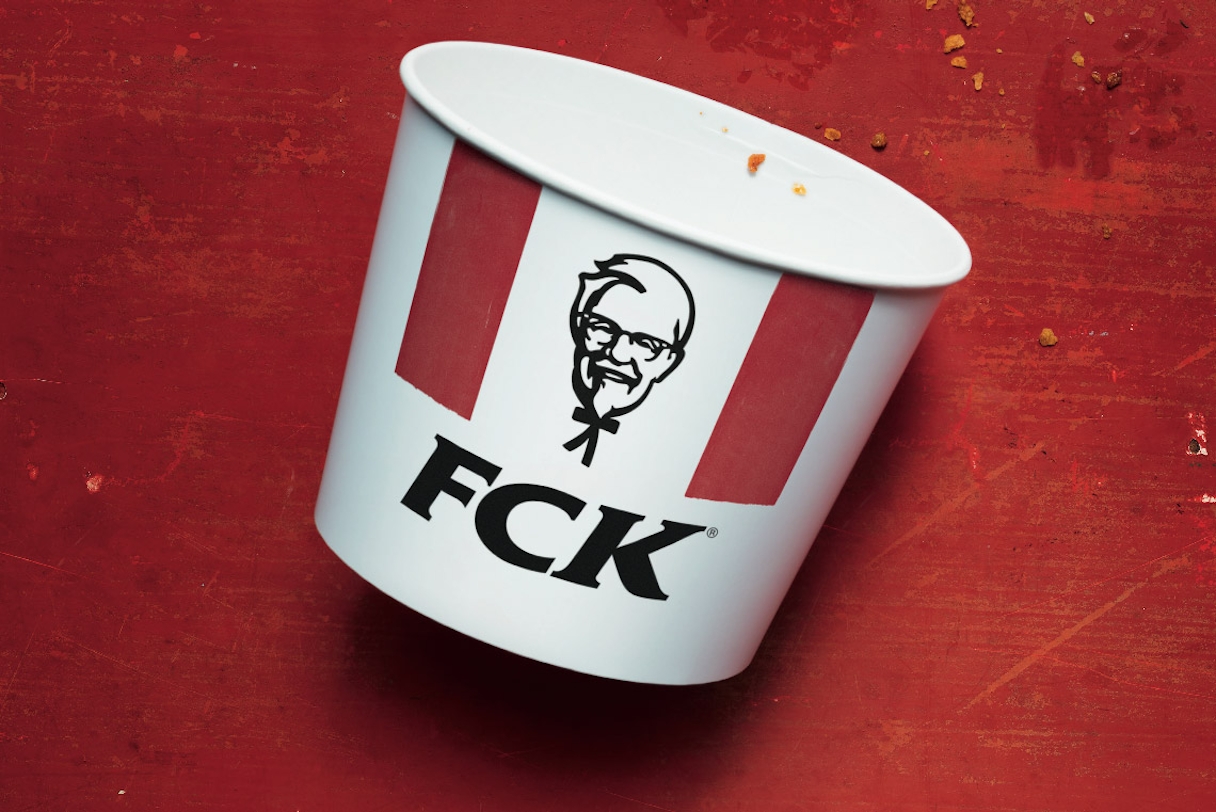
Ok, so you want a serious example? It doesn’t get any worse than the Smiler accident at Alton Towers. Merlin Entertainment was quite rightly under the cosh because of the sad and life changing events. Its then CEO, Nick Varney, is in all crisis comms expert’s guide to handling a situation well.
He fronted up everything and his core opening statement was spot on. “We are deeply sorry for the accident that happened”.
He even went on to successfully face up and defend his organization during a savage Kay Burley (I miss her, despite her blocking me on Twitter, rude) interview.
This is the same Kay Burley who once made Peter Andre cry during a live interview, so you can understand just how hard she tried to nail Varney. He took it all in his stride, despite severe provocation and is now the go-to for how to apologize with style, class and panache.
The humble, simple, short-sharp and to the point apology needs to return to the corporate world and don’t blame us crisis comms folk, these lengthy missives are nothing to do with us.
By the by, today I accidentally took both sets of my partner’s car keys to work with me, leaving her stranded at home and not best please. Melanie, I apologize.
Andy Barr is head of brand communications at Season One Communications