

A University Centre Myerscough research project, commissioned by The R&A, tells us that the future of golf depends not on how well people play, but on how deeply they connect with the moments that surround the game.

There has been a major shift in consumer culture that golf clubs can no longer ignore. People are increasingly seeking out meaningful and memorable moments, rather than traditional transactional services. The most successful businesses now shape stories and emotions that their customers can take away with them and relive long after the visit has ended. Research commissioned by The R&A reveals how exactly golf can benefit from embracing the rise of the ‘Experience Economy’.
From services to experiences: A changing landscape
The research project, undertaken by Dr John Fry from University Centre Myerscough, found that for golf facilities, value is no longer found solely in the quality of the turf or the efficiency of the service, but in the richness of the journey that players experience before, during and after their round.
For decades, industries competed solely on the quality of service: delivering the coffee quickly, checking golfers in smoothly or setting up the course neatly. While such activities are still of course important of course, the Experience Economy builds on the premise that it is the memory – not the product – that has become the true currency.
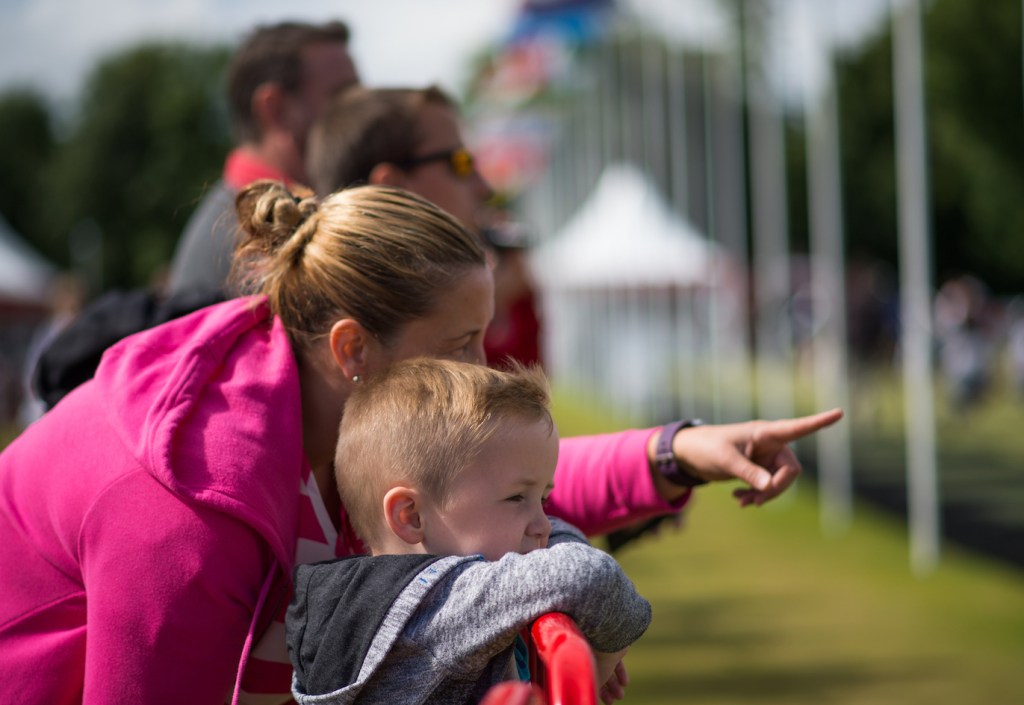 General view of Spectator village on the third day of the Ricoh Women’s British Open held at Kingsbarns Golf Links, Fife, Scotland on the 5th August 2017.
Photo: Jon Buckle/R&A
General view of Spectator village on the third day of the Ricoh Women’s British Open held at Kingsbarns Golf Links, Fife, Scotland on the 5th August 2017.
Photo: Jon Buckle/R&A
This now means people no longer want to merely receive a service; they want to feel something, achieve something and, crucially, share something. For years, many golf clubs have banned mobile phone use on site, but when a golfer wants to share with others online that they are at your venue, that should be viewed as a huge win for your club. Experiences are worn as badges of honour.
Evidence of this shift is everywhere. In the wider leisure market, venues such as immersive mini‑golf attractions, themed sports bars and entertainment-driven driving ranges are capturing consumer imagination. They create a sense of theatre, playfulness and story. These experiences offer guests something to talk about, photograph, post online and remember fondly. Golf has every opportunity to embrace the same mindset – without losing its heritage or its integrity.

What this means for golf clubs
For golf clubs, the implication is clear: the game itself remains important, but it is not the sole source of value. Families and new players are far less likely to visit simply to ‘play the game’. Instead, their decision to participate is influenced by what surrounds the golf: the welcome, the story of the course, the sense of belonging, the feeling of accomplishment or even the novelty of the moment.
Famous international venues embraced this shift early, and in striking ways. Courses with named stretches – like ‘The Bear Trap’, ‘The Snake Pit’ or ‘The Green Mile’ – have created identifiable narratives that build anticipation and turn the round into an immersive journey. When a player approaches a hole with history or personality, the moment immediately feels different. It becomes something worth photographing, posting or telling friends about. Virtually every golf club has ‘hidden gems’ they could do much more with.
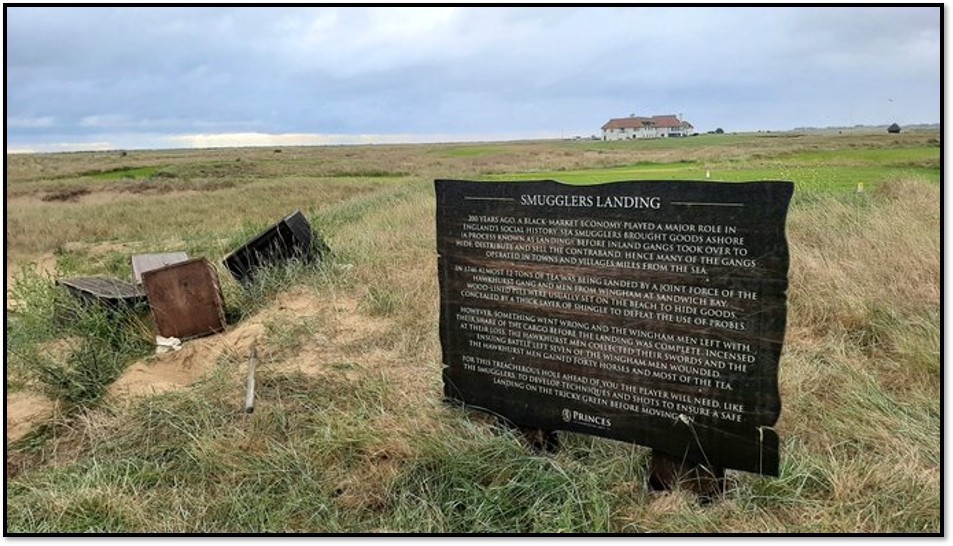
Other venues have leaned into heritage storytelling. At places such as Princes Golf Club in Sandwich, Kent, plaques like ‘Smugglers Landing’ connect golfers with the local area’s history. This transforms a simple walk between shots into an encounter with place, people and time. Championship venues often do this exceptionally well – small markers commemorate famous matches or iconic moments, which subtly remind players that they are walking in the footsteps of golfing legends.
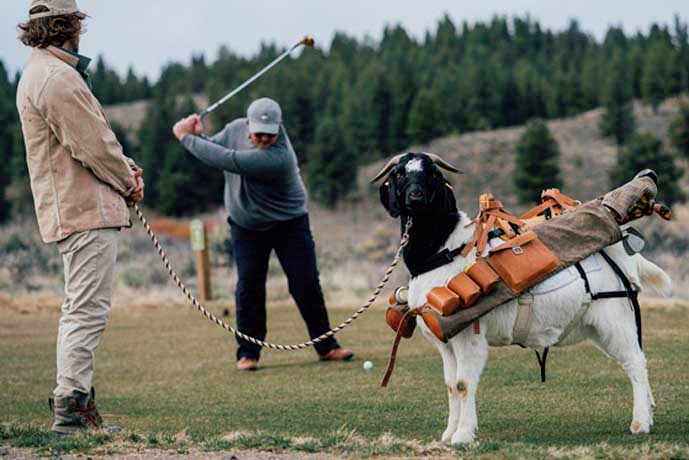
Some clubs have gone further into novelty. Silvies Ranch in the United States has become one of the most talked‑about facilities in world golf simply by offering goat caddies. It is a quirky, location‑appropriate idea that has become a signature experience – proof that memorable ideas do not always require vast budgets, only imagination and authenticity.
Even creative tee markers or illustrated course guides contribute to the experience. A carved stone marking a hole’s yardages or a colourful depiction of the fairway not only provides practical information but adds charm and identity to the course. It signals that the club is intentionally crafting an environment – one that players will remember.
Creating experiences without going to extremes
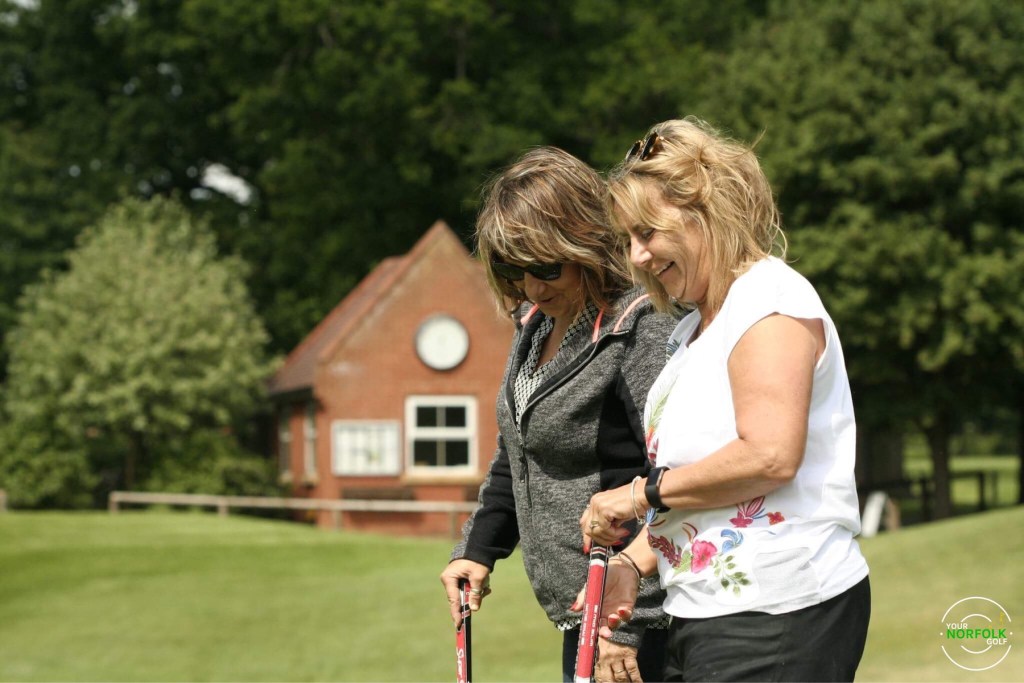
Importantly, golf clubs do not need neon lights, animals or theme‑park installations to succeed in the Experience Economy. Small, thoughtful touches can have just as much impact as extravagant features. One local story on a tee sign, one signature hole name, one family‑friendly evening event or one photo spot overlooking the course can elevate the round from functional to meaningful.
Even the most traditional clubs can enhance their experience offering simply by curating their heritage. A few plaques telling the story of the club’s founders, its early days, significant competitions or environmental stewardship deepen the sense of belonging. These details help players feel part of something bigger.
Meanwhile, modern clubs can stage subtle moments of delight: a hot-chocolate stall on a cold winter morning, a welcome ritual for juniors, a twilight social game with music, or a simple ‘memory memento’ like a stamped bag tag for first‑time visitors. The key is intentionality, by designing moments rather than hoping they happen on their own.
The experience journey: designing for memory
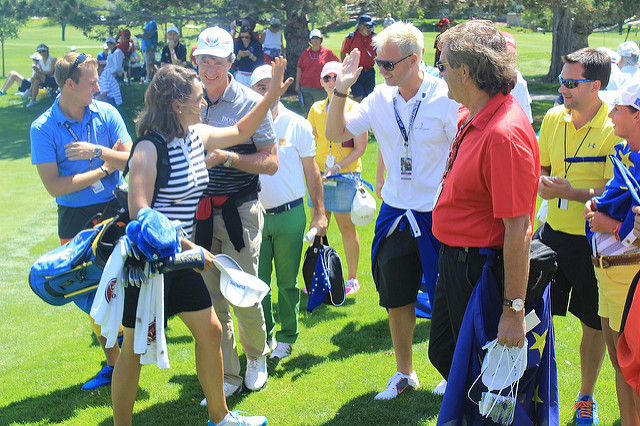
The essence of the Experience Economy is that clubs should aim to craft the emotional journey players go through. This journey often begins well before the first tee shot. It includes the welcome in the car park (whether that be human or signage), how a player collects their scorecard, the drama of a stretch of holes, a mid / post‑round photo opportunity, and the warmth of the clubhouse atmosphere.
Clubs that think carefully about these elements can differentiate themselves without competing on price. Memories create loyalty, and loyalty creates long-term sustainability. When a golfer returns home and tells everybody about their memorable experience, the marketing has already taken care of itself.
Shaping the future through experience
The future of the golf business lies in curating experiences, not simply delivering rounds. Whether through heritage, storytelling, natural beauty, social activity or small touches of personality, golf clubs have countless opportunities to stage moments that matter.
The Experience Economy is not a threat to tradition – it is an invitation to elevate it. By embracing the stories, landscapes and communities that make each club unique, golf facilities can ensure they remain relevant, memorable and meaningful for generations to come.
When every stage of the customer journey has the potential to become a story, the clubs that will thrive are those that intentionally design moments worth remembering.
The final question is yours to answer: what makes your venue memorable?
 Dr John Fry
The Experience Economy – Key Points
• Businesses must go beyond supplying goods or services and instead create memorable, emotionally resonant events.
• The memory itself becomes the product, carrying more value than the transaction or product.
• People increasingly seek activities that help them express identity, achieve personal milestones and build meaningful personal stories.
• Experiences now hold greater value than possessions, becoming something individuals proudly share with others.
• Social media and word of mouth amplify these moments, making experiences visible, shareable and desirable.
• For golf, this places the true value not solely in the act of playing the game, but in the atmosphere, stories, rituals, emotions and connections that surround golf and shape the player’s journey.