

The narratives about Rory McIlroy were already being written.
Not the celebratory kind, either.
The ones that get filed in the “we told you so” drawer—recasting last year’s Masters win as the exception to a choking rule, reframing a career of near-misses as a defining character flaw, and suggesting that the largest 36-hole lead in Augusta National history evaporating in real time was more verdict than stumble.
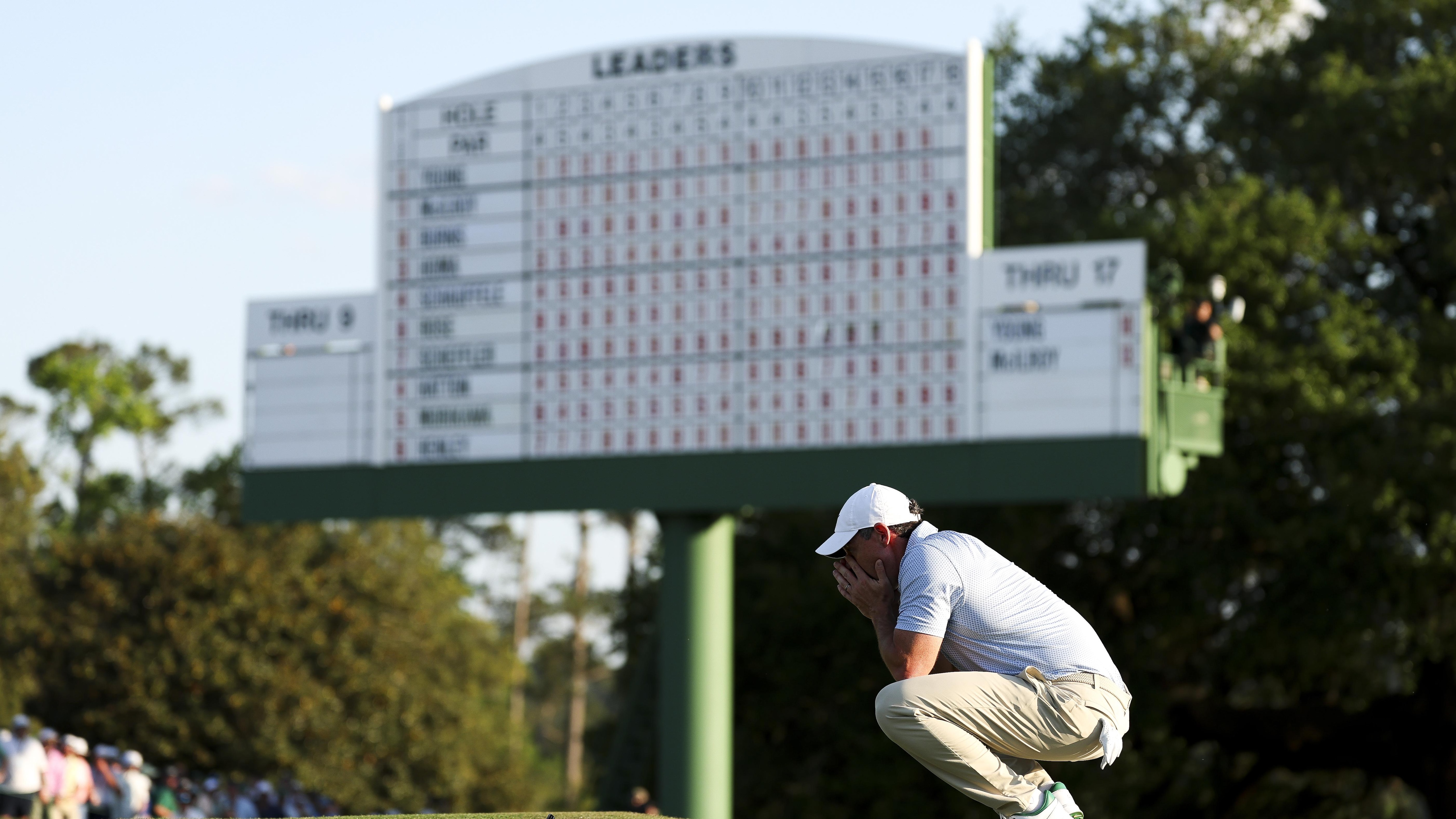
Fourth hole, Sunday. Three-putt double bogey. Two holes later, down by three shots after a tee shot found a spectator’s feet instead of the putting surface.
And just offstage, world No. 1 Scottie Scheffler lurked with the kind of final-round resume that hadn’t required invitations to close the deal.
McIlroy had seen this movie before. And so had everyone watching.
Except this time, the ending was different.
Maddie Meyer/Getty Images
He steadied. He scoreboard-watched—more than he normally would, he admitted afterward, because he needed to know exactly where he stood at every moment.
He identified tee shots on the 12th and 13th as the pivots on which the afternoon turned, played the back nine with just enough steel to hold off the game’s best player, and made himself a two-time Masters champion, winning by a stroke over Scheffler in a final round that was more finger-painting than masterpiece.
But no less legendary for it.
“Some good play by me,” McIlroy said with characteristic understatement, “and I’m fortunate that the guys really didn’t come at me this year.”
They came. They saw. He just didn’t let them conquer.
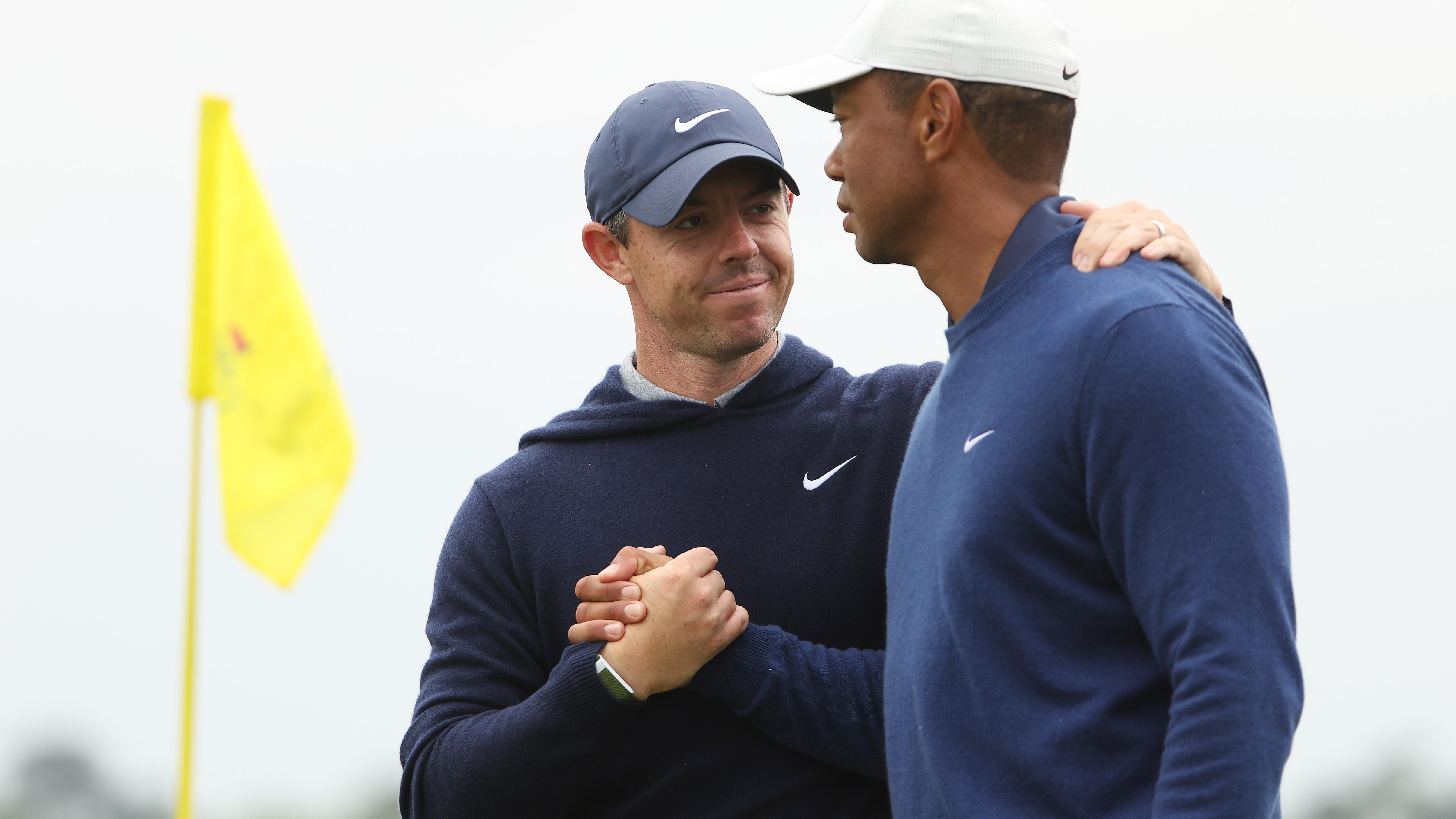
What he’s done across the last two Aprils is something that only three other golfers have managed—some guys named Jack Nicklaus, Nick Faldo and Tiger Woods.
Christian Petersen/Getty Images
The last man to pull it off was Woods in 2001 and 2002, when he was assembling the kind of run that made the rest of the field feel like set decoration. McIlroy is now in that conversation, a sentence not to be written lightly in this space or any other.
He’s also tied Faldo for the most major championships by a European player in the modern era. His six titles now match a generational benchmark that had stood alone since the Englishman ended American dreams at Muirfield and Augusta and wherever else he chose to inflict damage in the late 1980s and early 1990s.
And for those keeping a wider ledger, six majors also place McIlroy in a tie for 12th all-time, putting him alongside names on the sport’s shortest short list. They didn’t just win, they accumulated. They didn’t just contend, they converted when it mattered most.
None of that was preordained this weekend.
What McIlroy experienced Saturday was what Augusta does to comfy leads with robotic regularity, making them feel like a debt instead of an asset. When his deficit stretched to three shots by mid-afternoon Sunday, the “hot take” machines began warming up.
But here’s what the machines missed, and what McIlroy’s career—for all the agonizing near-misses and what-ifs, particularly at Augusta—has quietly been building toward: The man is more resilient than the story gives him credit for.
Last year’s win, which he nearly gifted back to the field in the closing holes, was not a fluke. It was evidence of a competitor who has learned, both painfully and publicly, how to survive his own worst moments on the game’s biggest stages.
Maddie Meyer/Getty Images
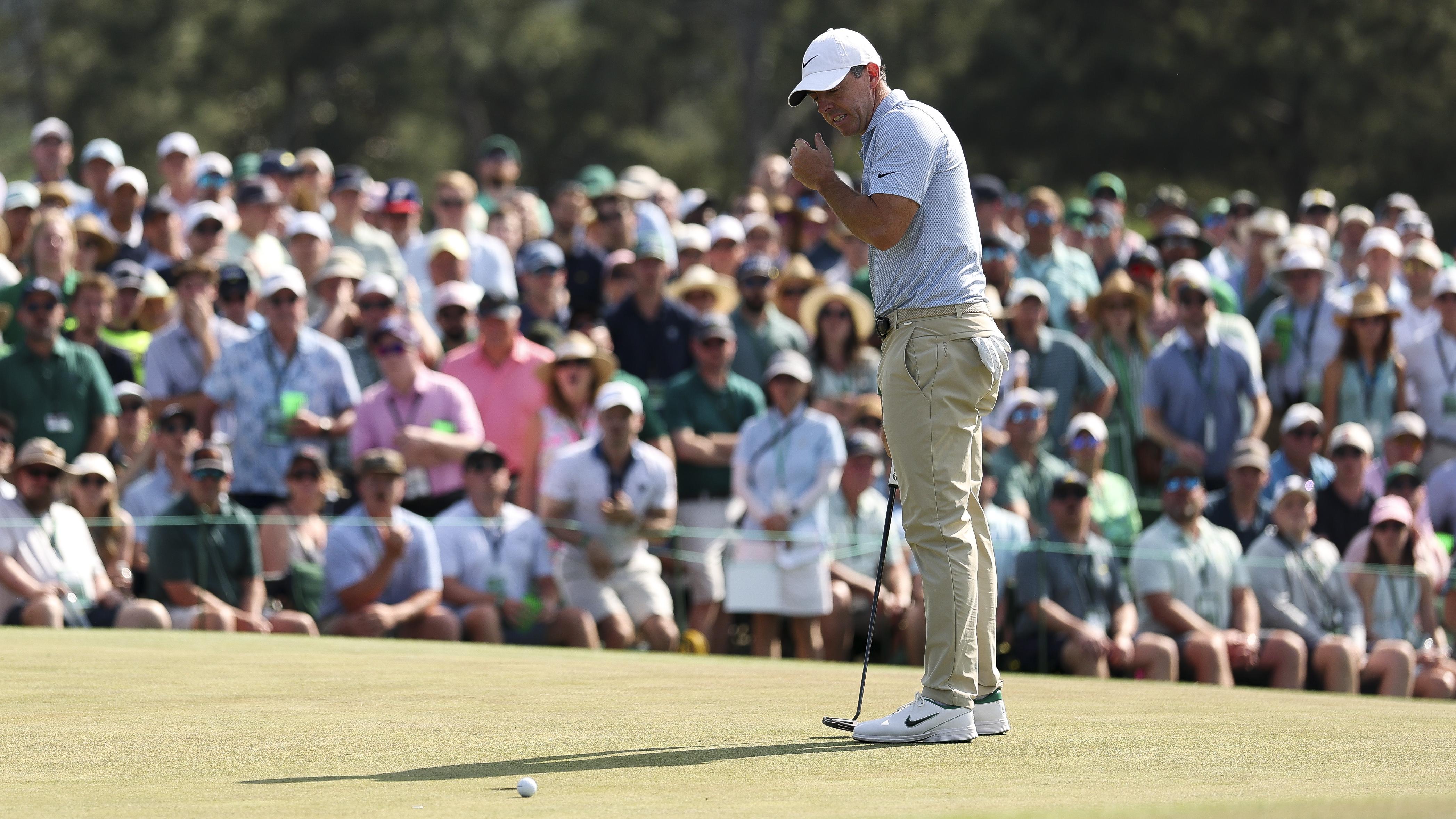
Sunday was more of the same. Uncomfortable. Unbeautiful. Undeniable.
“I was just a little kid with a dream,” McIlroy said, the green jacket on his shoulders for the second consecutive spring. “Some people probably thought it was outlandish to dream the things that I did.”
They did. And for long stretches of a career spent watching lesser players hoist the Claret Jug and the Wanamaker Trophy and slide on the very green jacket he’s now worn twice, it was entirely reasonable to wonder whether the dream had an expiration date that no one wanted to mention out loud.
Back-to-back Masters titles. Six majors. A place among the handful of golfers about whom the conversation shifts from “great” to “legendary” without argument or asterisk.
Those narratives that were being written on Sunday’s front nine?
McIlroy rewrote them himself.