
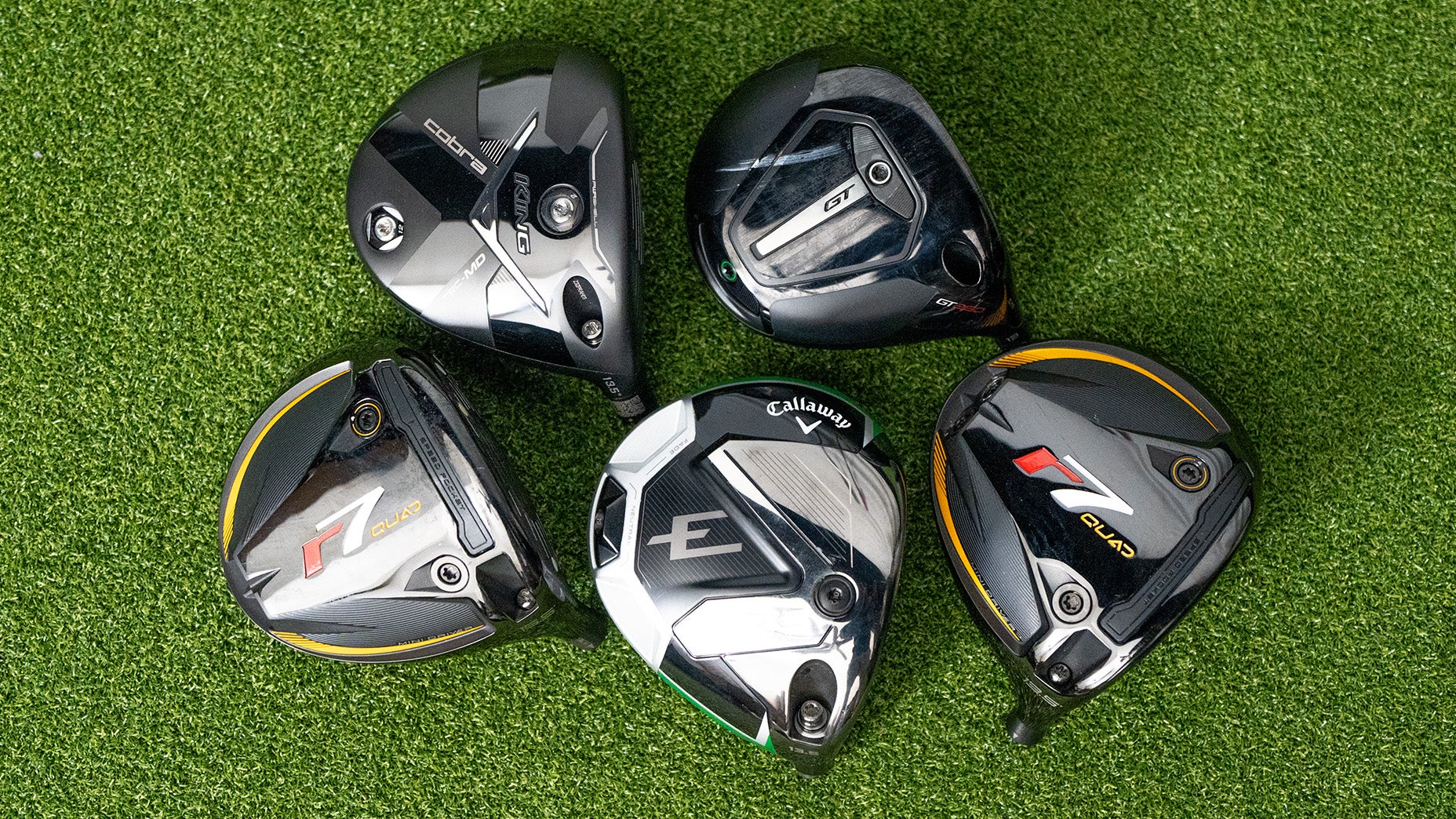
Mini drivers have grown in popularity over the past couple of years. TaylorMade kicked off the mini driver segment, and players on tour putting it in the bag sparked consumer growth as well. In 2026, we’ve got several mini driver options to choose from, and in my opinion, there’s a unique aspect to each of them that makes them a better or worse tool for certain players. Here are my highlights for the current mini driver options on the market.
Identify your ideal outcome
The most important part about buying a mini driver is knowing why you’re buying it. Are you replacing your driver? (Which I absolutely do not suggest.) Are you building a secondary tee option with a different shape? There are tons of different needs for a mini driver, and I think that the segment growing with more options has been really fun to tinker with and build out different options for different reasons. It’s also exposed what some are good or bad at, and why one may be better than the other. I personally think the most important two aspects of a mini driver are the distance you need it to go, and whether you need to be able to hit it off the deck. So you have a clear perspective on my end, I can’t hit a 3-wood for the life of me. It’s a constant struggle in my game, and with my 5-wood being about a 245 yard club for me, I don’t really need the 3-wood anyhow. So a mini driver is a perfect secondary tee option for me, and I build them very specifically to sit between the 5-wood and the driver. So here it goes; here’s how I see each offering on the market.
*Disclaimer: I do not have a PXG Secret Weapon, so it is not included in this breakdown. Callaway also unveiled their new Quantum Mini in the bag of Justin Rose this week at the Players, so there’s an update to be had soon!
1.) TaylorMade R7 Quad Mini Driver — The driver replacement … kind of
TaylorMade is definitely still the category leader for the mini driver segment. They started the craze a while back, and although the concept wasn’t incredibly popular for a number of years, it’s definitely picked up steam and TaylorMade has stayed ahead of the curve in design. I also love that TaylorMade uses their mini driver segment to bring back some retro themes. We’ve had the Original 300, BRNR, BRNR Copper and now the R7 Quad. Hopefully this means that we’ll see an R1 or R11 mini soon.

Why you shouldn’t replace your driver with a mini driver | Bag Builders
By:
Jake Morrow
The TaylorMade is easily the most “driver-like” mini driver available. I have been able to build 11.5-degree TaylorMade minis that go nearly as far as my driver. I am a firm believer that players should NOT replace their driver with a mini driver, which I have previously written about, but if you’re that player, this would be my suggestion. The R7 Quad is the lowest spin woods offering that TaylorMade makes, but with the quad weighting, you can create whatever you need out of this head. Throw the weight in the back for a higher launching secondary tee option or throw it in the front for a low spin bomber to replace your iffy driver. It’s a very, very easy head to hit with lots of forgiveness, and being so easy to launch, it ends up working out as a fantastic primary tee option for lots of players.
All of that being said, the R7 was never really the head that suited me the best, until they dropped the 15.5 degree head, which now lives in my bag. The issue that I’ve had with the mini driver segment is that they go too far. My driver is the rock of my game. If I am not hitting my driver well, things are really bad. I’ve gotten my driver into a really comfortable spot, and as I started testing mini drivers, I couldn’t see the benefits of having a secondary tee club that was 10 yards short of my driver, or sometimes going the same distance. We’ll talk about the Elyte Mini ending up in my bad because of this, but it’s been replaced with the 15.5 degree R7 Quad because of how I could build the club. By setting the loft sleeve down to lower, I am playing the head in 14 degrees of loft but with a square face at address rather than the traditionally closed face that mini drivers provide. Combined with building it a little bit shorter, I was able to build what I think is the perfect mini driver for my game.
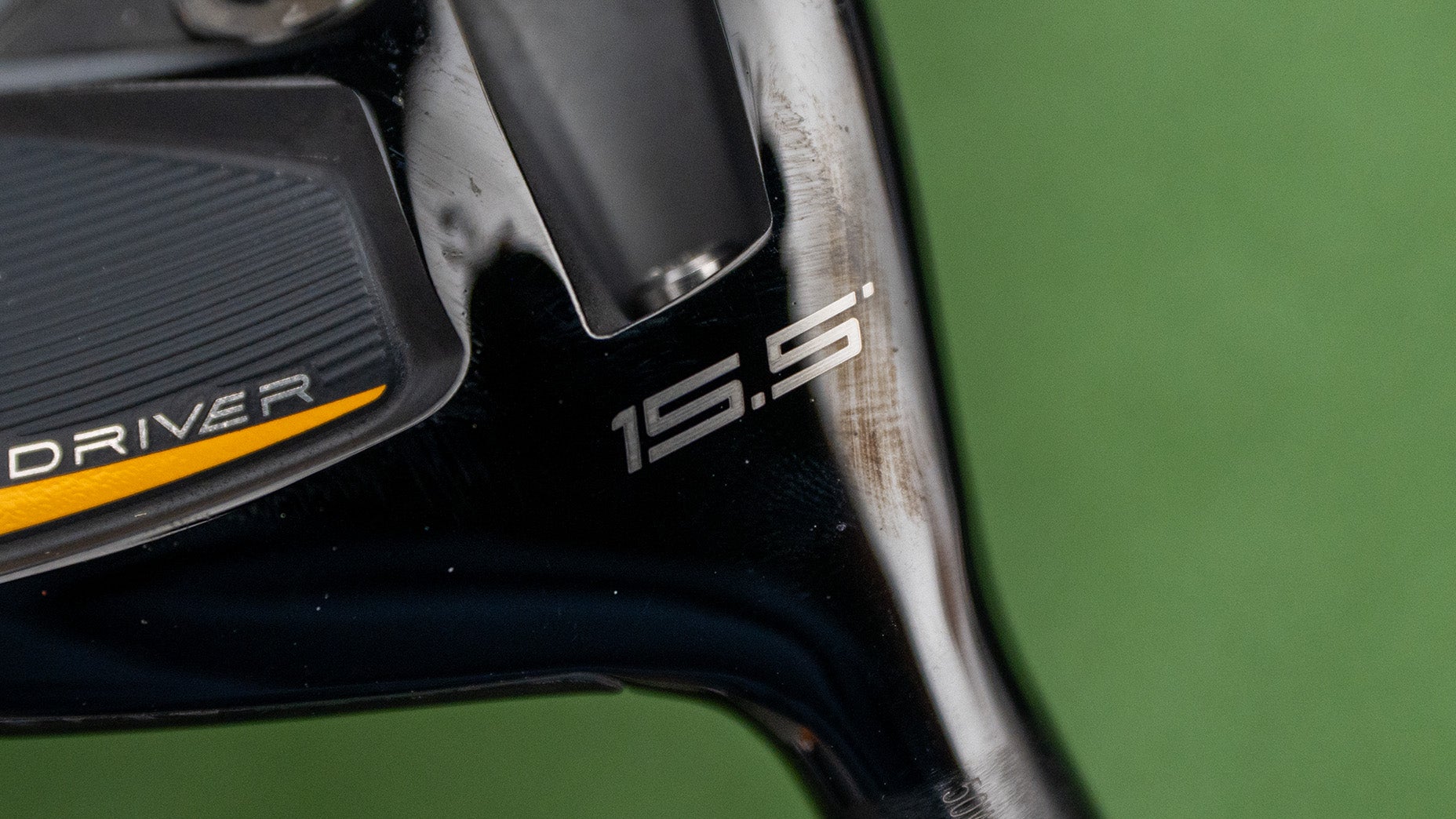
TaylorMade R7 Quad Mini Driver 15.5 degree loft marking
Jake Morrow / GOLF
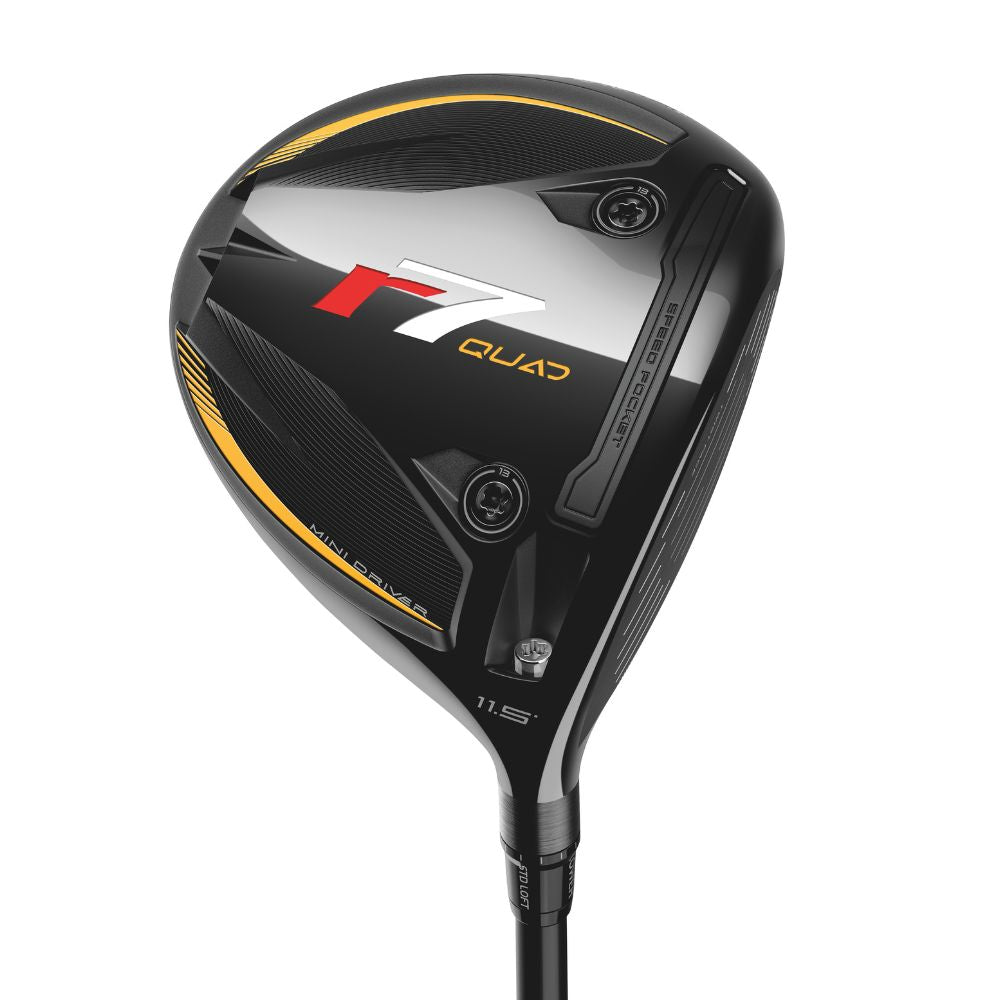
TaylorMade R7 Quad Custom Mini Driver
PERFORMANCE FOR THE MODERN PLAYER
Inspired by one of the most iconic models in TaylorMade history, the R7 Quad Mini Driver pays homage to what’s come before, while creating its own modern identity in the same breath. It’s that very modern design that incorporates proven TaylorMade technologies to give golfers versatility and playability.
R7 QUAD WEIGHTING SYSTEM
The new quad weighting system features four movable weights (13g x2, 4g x2) that provide the ultimate in spin management and shot shape control. Forward CG creates a penetrating flight best suited for maximizing distance whereas rear CG helps prioritize control and ease of use from the deck. Shot shape can also be fine-tuned helping create the most optimal flight. Additional weights can be purchased for a wider range of adjustability.
INFINITY CARBON CROWN
A new satin Infinity Carbon Crown has been added to the R7 Quad Mini Driver chassis creating a stunning look while saving weight for better mass optimization. The cosmetic package is clean, elegant, and confidence-inspiring.
View Product
2.) Callaway Elyte Mini — The spinny one
The Callaway Elyte Mini was in my bag for all of 2025 and it had a very solid place that was uninterrupted by just about everything except for a small flirtation with the Titleist GT1 Tour. The reason being, the Elyte Mini spun a bit more than the other mini drivers on the market and that’s exactly what I needed. The extra spin allowed me to play the head at its standard sleeve setting, which is a slightly closed face at 13.5 degrees. Because my normal shot shape, particularly with the mini driver segment, is a draw, adding spin helped me keep the ball more in control and got rid of the big left miss that I would experience with something like the BRNR or the R7. I still built the Elyte Mini shorter than retail, at about the length of a 5-wood, but it was the easiest one to get in the bag as far as distance was concerned.
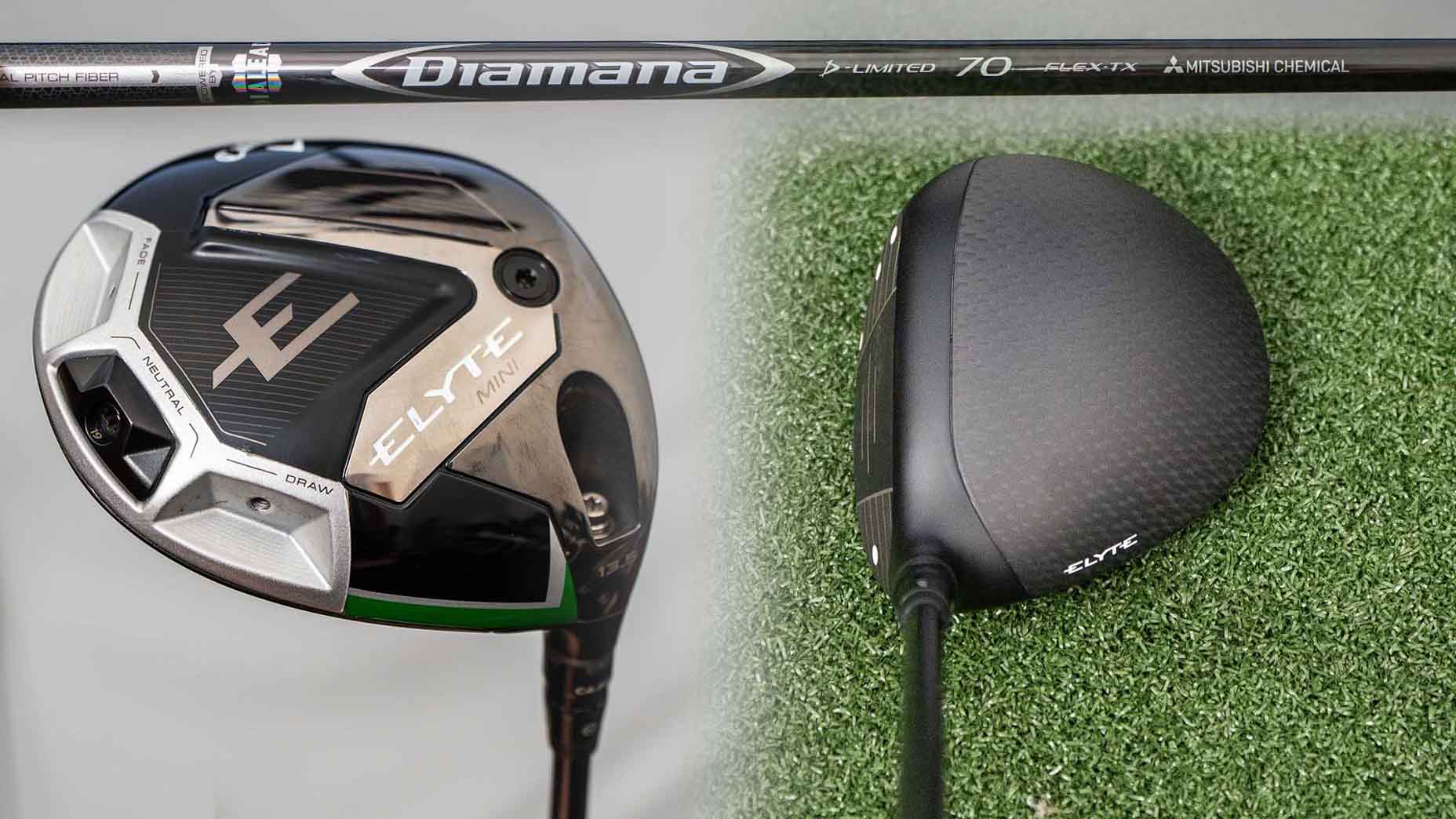
My Elyte Mini build in the bag for a full year.
Jake Morrow / GOLF
To me, the Elyte, before the introduction of the R7 15.5 degree, was the best true mini driver. It was really fast, but with a slightly higher spin profile that proved to be more useful for high speed players looking for a secondary tee option that didn’t run into their driver. I was also able to hit the Elyte off the deck when I REALLY needed to. It was never a shot that I was looking to hit purposely, but as long as I went into the swing with some trust and commitment, the Elyte Mini proved to work out. Who doesn’t love a mini driver DOD from 265 yards? I think the Elyte Mini is still my recommendation for higher swing speed players prioritizing a secondary tee option that’s a bit shorter, but that want to be able to work the ball off the deck. It was a bit easier for me to do with the Elyte Mini than the R7 15.5 degree. If the R7 is a 80/20 tee to deck ratio, the Elyte Mini is a 70/30.
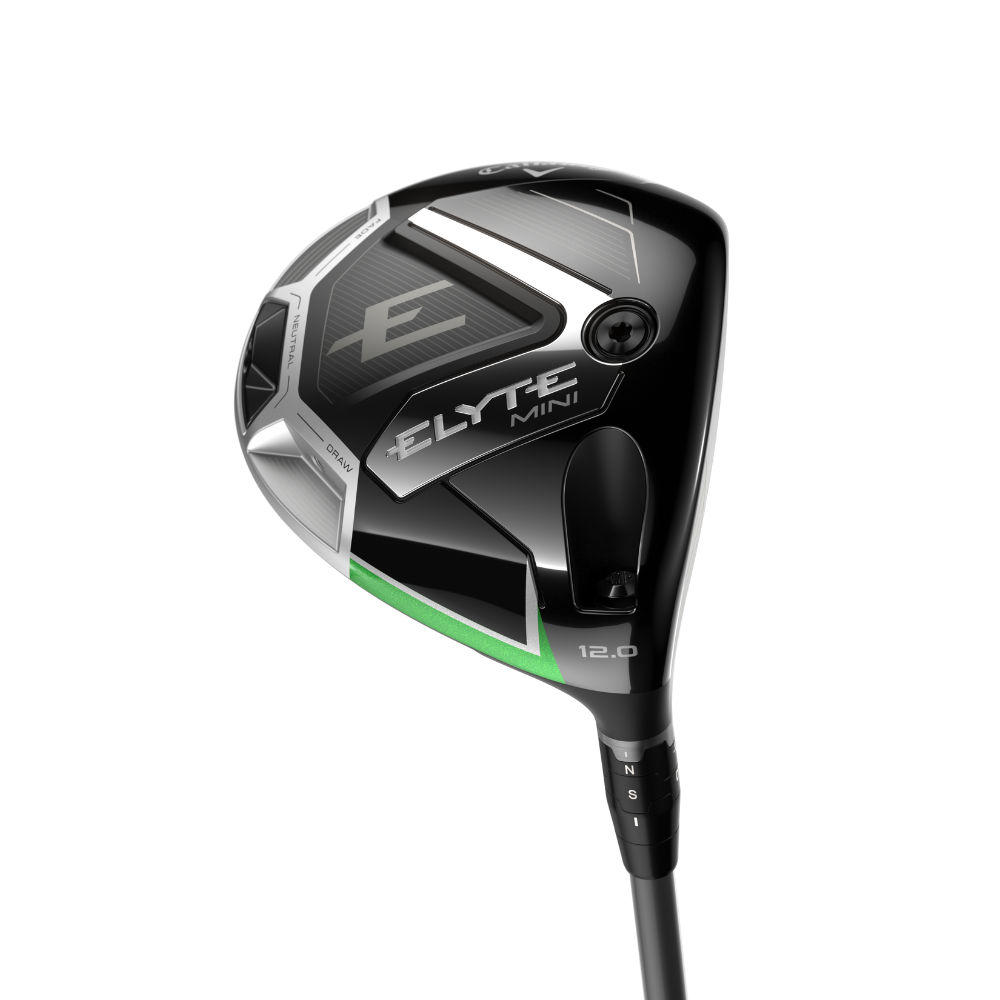
Callaway Elyte Custom Mini Driver
View Product
3.) Cobra King Tec MD — Is this the one that does it all?
To be clear, the Cobra King Tec MD is the mini that I have the least amount of time on, but it’s the one that has me the most curious. It only comes in 13.5 degrees, but the one thing it has that nobody else has is the FF33 sleeve. One of the larger problems with mini drivers is the starting face angle. TaylorMade actually had a really cool video on their Instagram last year where Tommy Fleetwood was working with tour rep Adrian on his new R7. A big part of that conversation was based around face angle and making sure that it set up properly behind the ball, which allowed him to feel like he could hit the shot type that he was looking to achieve. With the FF33 sleeve, you can make the driver flat, which doesn’t necessarily bring the face back to square, but it certainly helps with start lines. I am the player who WANTS the mini to draw and only draw, so the closed face isn’t the end of the world, but sometimes it means starting the ball too far left. Flatting out on the FF33 adapter is very helpful for this. And since you can also adjust loft separate of lie, you can turn the head down just a little bit if it’s really bugging you behind the ball.

Cobra King Tec MD sole in-hand.
Jake Morrow / GOLF
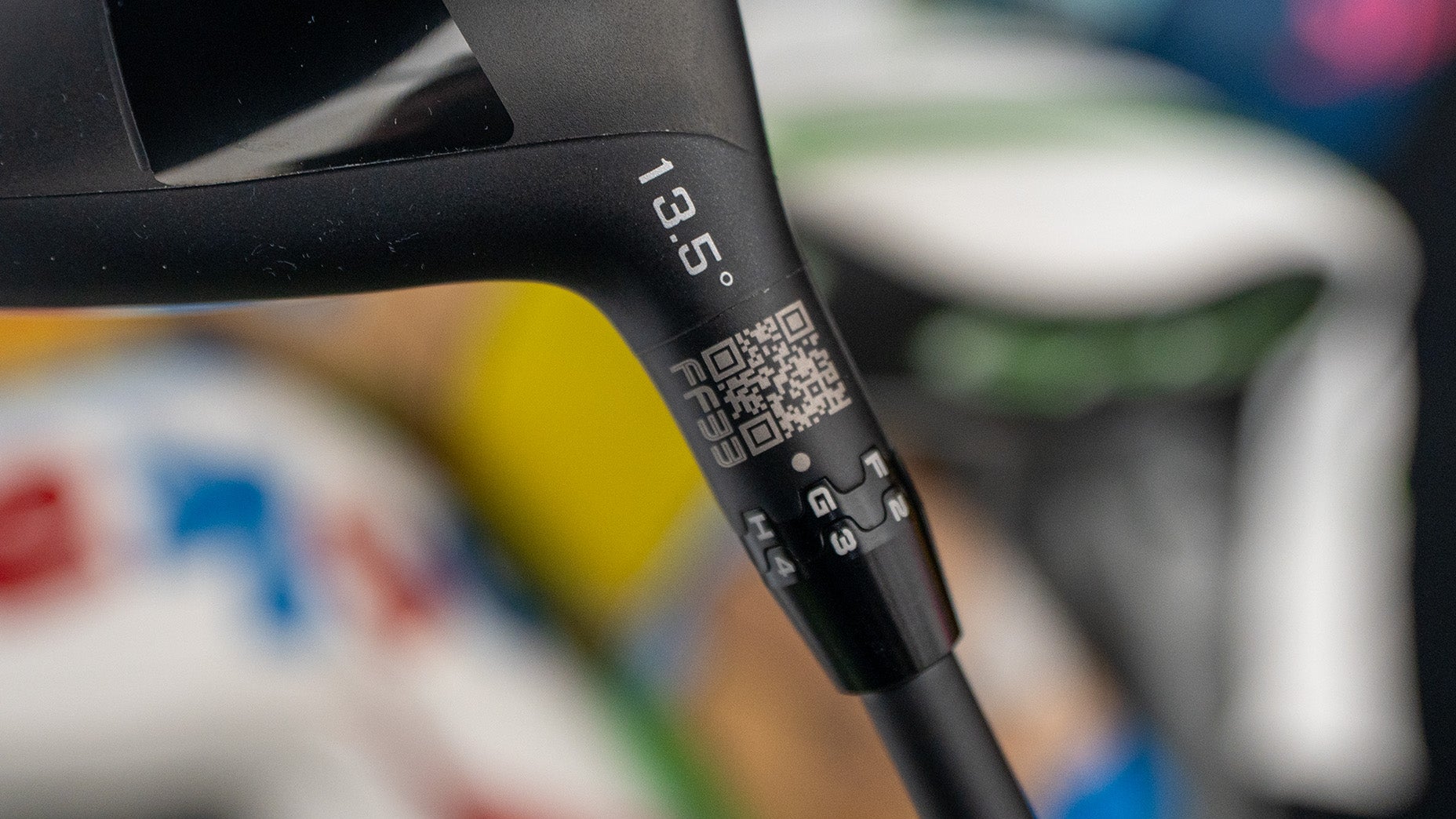
The Cobra FF33 adapter on the Cobra King Tec MD.
Jake Morrow / GOLF
As far as off the deck performance is concerned, I would say the Cobra is a bit easier than the R7 but not as easy as the Elyte Mini. So using our relationship ratio from above, I’d say the Cobra is 75/25 tee to off the deck. Again, that’s coming from somebody who can’t really hit a 3-wood well off the deck, so take that with a grain of salt. I want to do a bit more experimenting with the Cobra. It’s got easily adjustable weights, the FF33 sleeve, a fantastic look behind the ball, and a great sound and feel off the face. This really could be the one that fits the most amount of golfers. Especially if you’re a more confident 3-wood player than someone like myself. Which brings us to our final option.
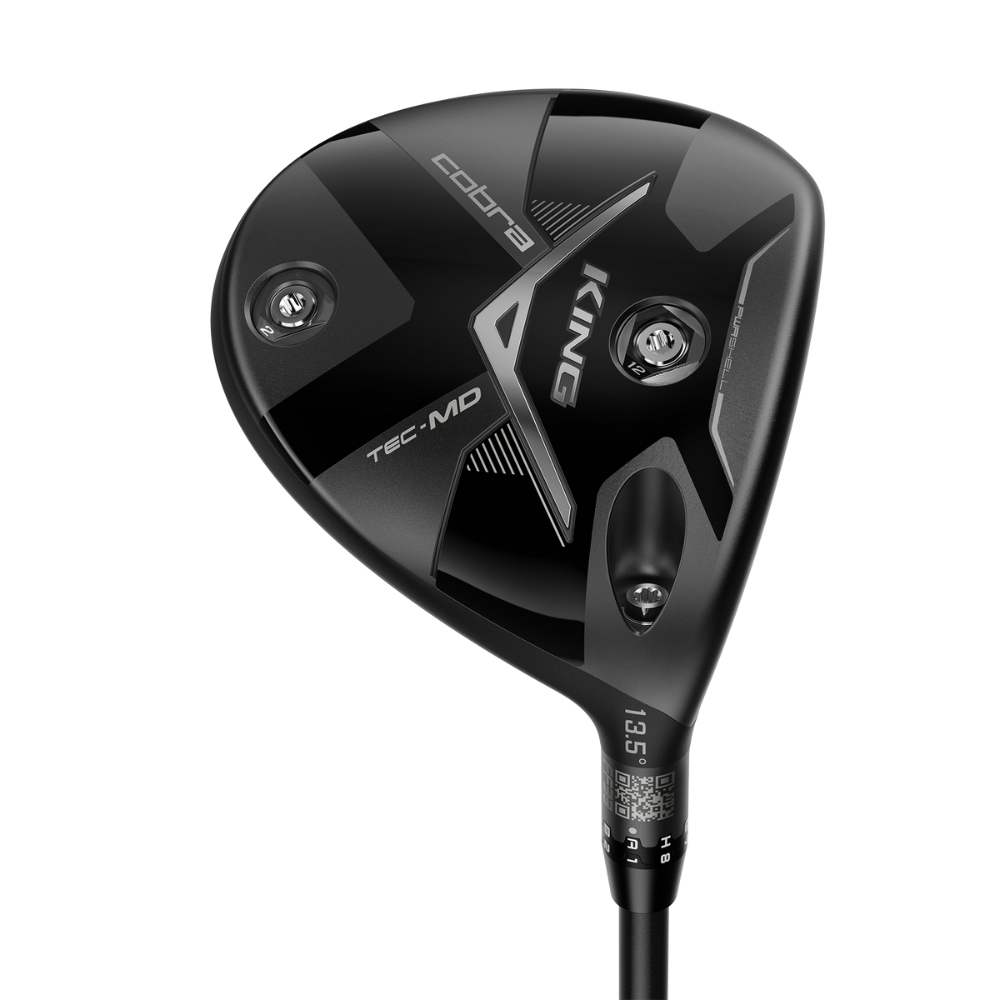
Cobra KING TEC Custom Mini Driver
View Product
4.) Titleist’s GT280 — More of a MAX wood, but maybe that’s the best way to do it?
The Titleist GT280 is the dark sheep of the mini driver family. With it’s 280cc shape, it’s smaller than its competitors, but I think that’s the biggest advantage. Everything listed above was between 70/30 and 80/20 for off the tee to off the deck performance. The Titleist GT280 is the closest thing to 50/50 that I’ve tested. Just to be safe, I’ll officially list it at 55/45. It’s the one that I have the most confidence hitting off the deck, for sure, and I’d say that sentiment runs through most others that I know who have tested as well.

Titleist GT280 Sole in-hand.
Jake Morrow / GOLF
The GT280 still works very well off the tee. It’s a dependable option, that can still be built just like the others I’ve built. The distance issue off the tee isn’t a problem, unless you want it to be. It can still very easily be built as a bomber just like the others. What’s funny, though, for my own bag is that until I have 100 percent faith in my ability to hit this off the deck, I still can’t put it in the bag. That’s a big me problem, and a very niche excuse to not play it. Because I don’t worry about off the deck performance, I just take the highest score I can find in secondary tee shot ability. But if you’re a player looking for a super easy to hit tee option that’s also usable as a confident off the deck option, the GT280 really is the best option for you. Players who also have the opposite problem as me — those are confident with a fairway wood off the deck, but hate the shallow profile off the tee — will also feel very at home with the GT280.
Find what works for you, and be honest about it
The biggest thing with the mini driver segment is being realistic about what you need. There are plenty of great options on the market to suit different types of players, and while they can all be made to achieve different goals, they really do have a standout pros and cons list. As I stated in the beginning, just know what you want. If you’re like me and just can’t hit a 3-wood anyhow, you should probably invest in a mini driver so you have a reliable second tee option. The mini driver is also a very versatile build tool. Weight can be added easily so don’t be afraid to play it short to make sure it’s giving you the exact performance that you’re asking from it. I build mine at about a 5-wood length, there’s no restrictions here.
“>