
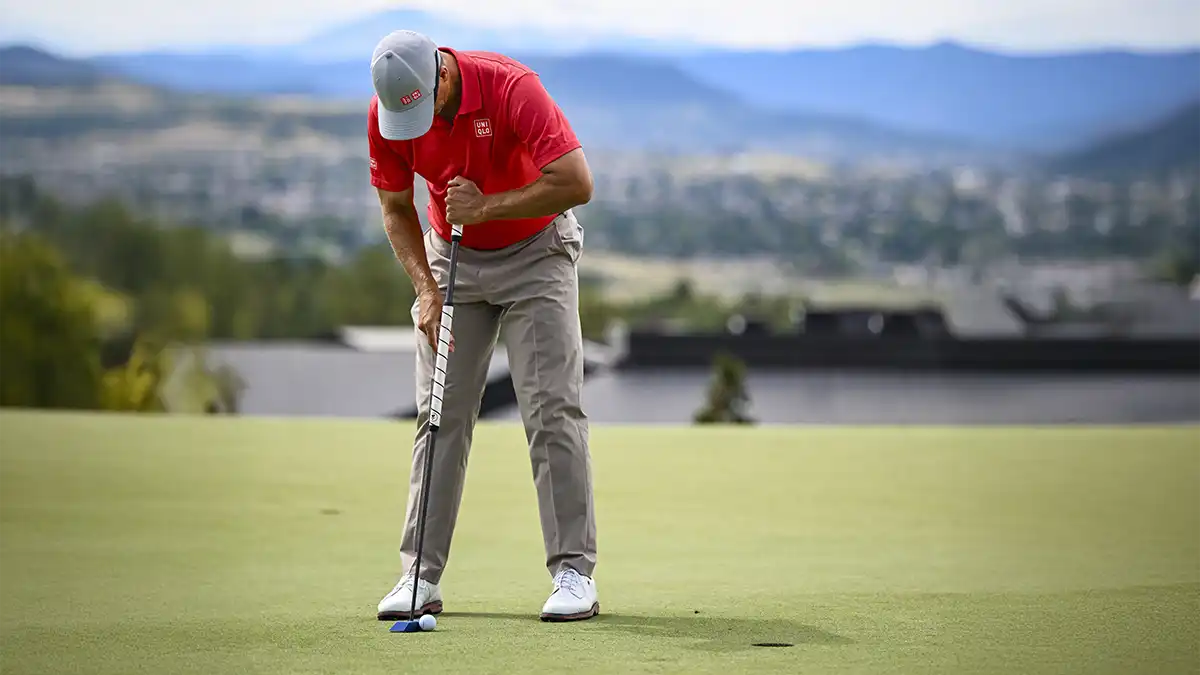
A cool, sciency way to overcome first-tee anxiety and putting nerves.
It’s true that all you need are two fingers and a stopwatch to figure out if your heart is in overdrive as you play golf. Your heart rate is a key indicator of how the sympathetic nervous system, the fight-or-flight nerves, are behaving. Knowing you are nervous is one thing, but what if you could better control those feelings and the manifestations it has on your body (shaky hands, jerky backswing, etc.)?
Many of the game’s best players know about a “hack” that you can also utilise when you’re stepping on the first tee or standing over a testy four-footer.
It’s something called heart-rate variability or HRV. If you’re not familiar with the term, HRV is the measured time between heart beats. Just because your pulse is 70, that doesn’t mean the time between beats is uniform. In fact, it shouldn’t be. A variance in time between beats is a key indicator of good health, says Ben Shear, Golf Digest’s chief fitness adviser. Shear has trained many pro golfers (including European Ryder Cup captain Luke Donald) and is the architect of Golf Digest’s Fitness Trainer Certification.
Although the science of HRV has been around since the 1960s, the training for it has become increasingly popular among elite athletes only in the past decade or so. There are a number of devices that can improve HRV, but even holistic techniques such as meditation, sleep and breathwork can improve the variance in the gaps between beats.
If your HRV improves, so does your ability to adapt to stress, to squelch the sympathetic nervous system,
to improve endurance and to recover from fatigue. In a gruelling match, winning can come down to three things: (1) How stressed your brain is, (2) How nervous you are, (3) How much energy you have left. If your HRV is better than your opponent’s, Shear likes your chances.
“HRV is a measure that reflects the ANS (autonomic nervous system) function, which looks at stress,” he says. “It can be used in athletic performance to accurately reflect recovery status, determine if an athlete is overtraining and identify when an athlete might be more or less adaptive to training. The measure can also predict when a player might or might not play well – and even when they are more susceptible to illness or injury.”
In other words, monitoring HRV and working to improve it also is an important step to understanding when to train and when to rest. You know those days when you hit balls for more than an hour? Check your HRV the next day. Just a hunch, but the pacing between beats will probably be much more regular – meaning bad – than normal.
If you’re interested in monitoring and improving your HRV, the following products [below] can be super-helpful. Even if you don’t want to invest in one, a lot of evidence suggests aerobic and strength training can make a difference, says Golf Digest certified trainer Karen Palacios-Jansen. “I mix golf-specific exercises with swing training, and that naturally works on HRV through movement-variability training. It helps your nervous system to stay flexible so that when things don’t go perfectly, you can quickly adapt.”
Also important is hydration. A study in Scientific Reports found that even being a little dehydrated negatively impacts HRV. Also, brisk walking on a regular basis can boost it – another reason to ditch the golf cart.
There is one more thing to remember, Shear says. Rest and recovery are very important. If you go from a relatively inactive lifestyle to working out five days a week, or you start your golf season by hitting balls multiple days for hours at a time, that added stress will probably hurt HRV and potentially ruin all the hard work you’re doing.
Help for your heart
Here are some of the popular HRV products on the market, which range in price from thousands of dollars to a few hundred. Many pro golfers use these, says golf-fitness trainer Ben Shear.
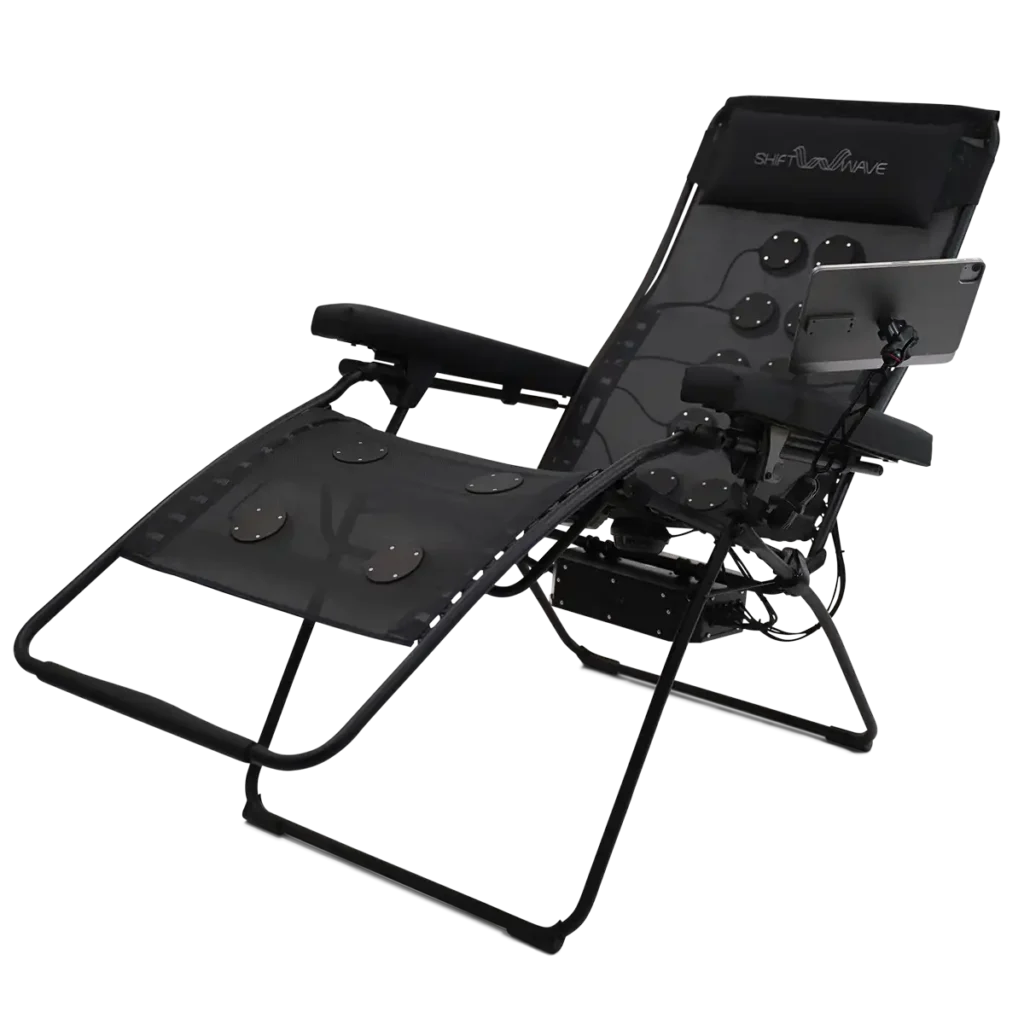
Shiftwave Pro Chair
One of the best products for rest, recovery and improving the autonomic nervous system, Shear says. The designers say it “uses gentle pressure waves that work with your nervous system to slow your heart rate, quiet your mind and put your body in a deep rest-and-recovery state” (shiftwave.co).
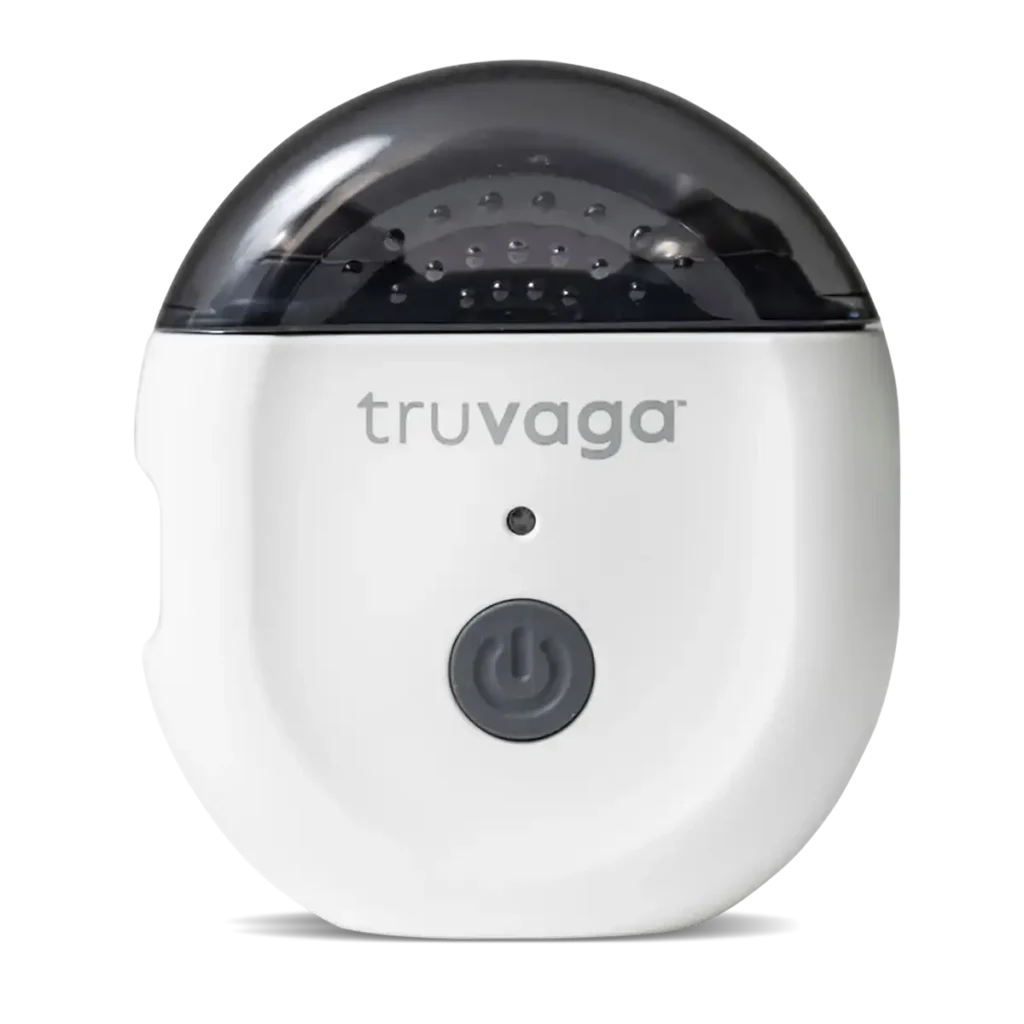
Truvaga Plus
This device, synced with your smartphone, stimulates the vagus nerve, which controls a host of body functions related to better health. Activate the device, hold it to your neck and monitor your progress (truvaga.com).
Hoolest Pro
These headphones are designed to activate the nerves that work with the vagus nerve. The “vagal” nerves carry signals to your brain, heart and digestive system. They’re a key part of your parasympathetic nervous system, which is the “rest-and-digest” part (hoolest.com).
Pulsetto Lite
This device is worn around your neck and is also designed to stimulate vagal nerves. The inventors suggest you use it two or three times a day for up to an hour per session (pulsetto.tech).
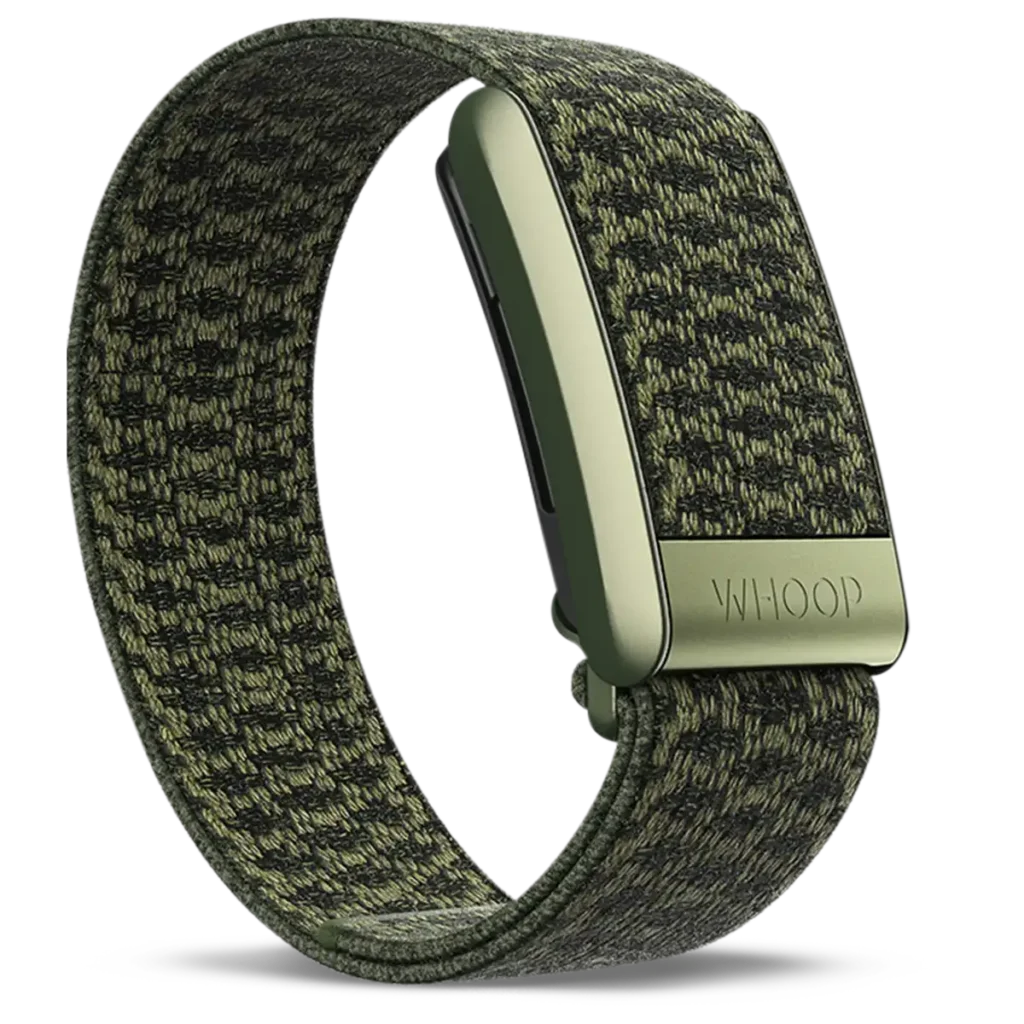
Whoop 5.0
This lightweight band monitors your HRV, among many other useful health metrics, and comes with a 12-month subscription. It can go up to two weeks without needing to be recharged (whoop.com).