

Each and every one of us understands that when it comes to drivers, it is a never-ending arms race for golf manufacturers. There is a constant dance being done among R&D teams in which speed and power collide with innovation, physics, and the regulations which the governing bodies make them abide by.
Mizuno Golf has always been an active participant in that race. Sure, within metalwoods they may not have always been at the front of the pack, but they have been there by consistently creating reliable, and often underrated, designs.
That last point certainly seems to have changed with the release of their JPX ONE driver lineup.
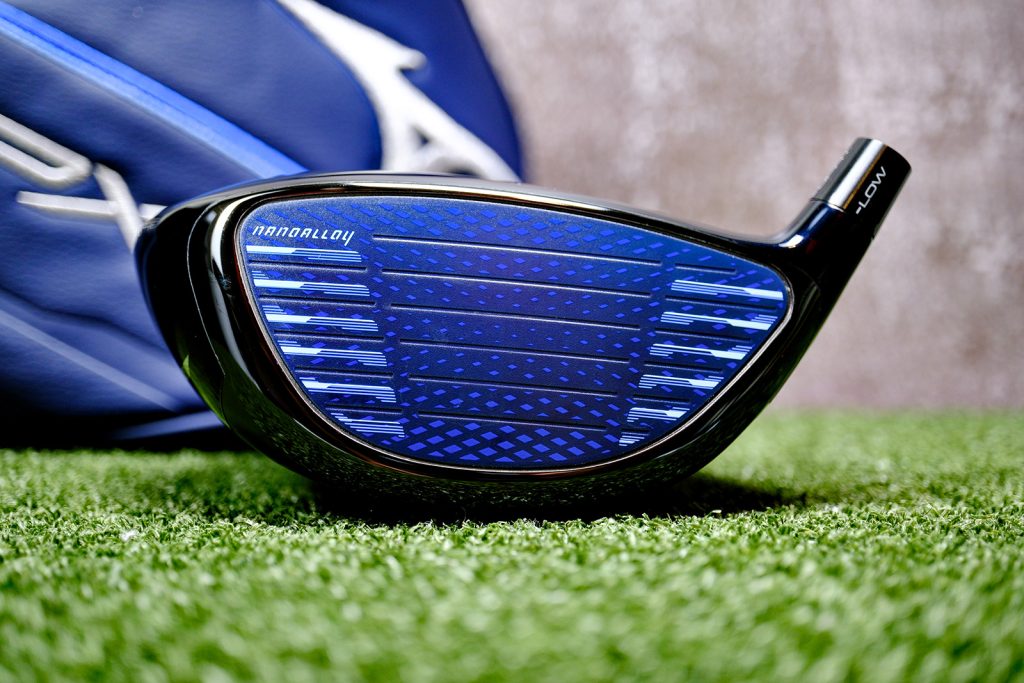
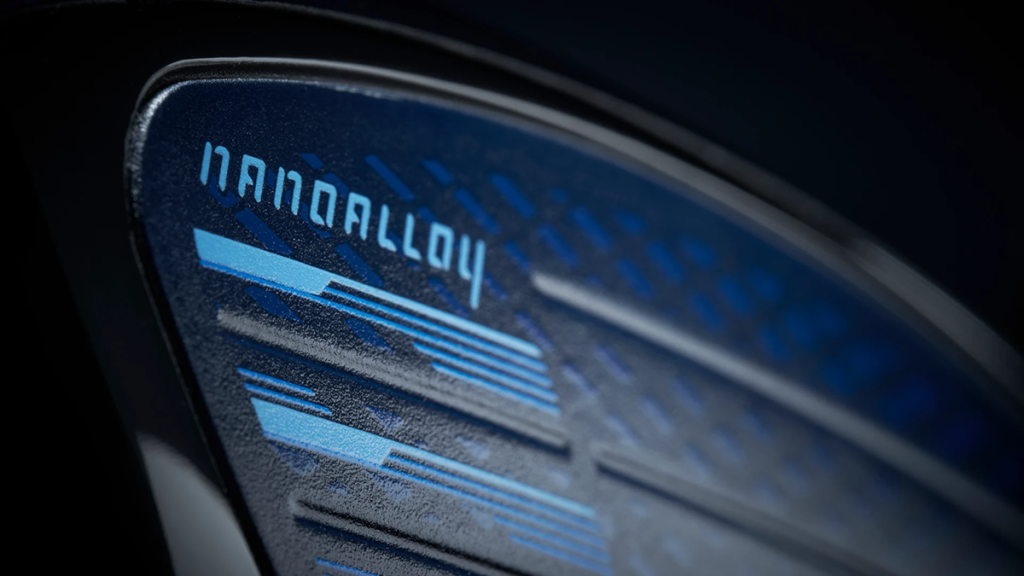
Although officially released just over a month ago, the hype has been impossible to ignore both in official THP testing as well as among reviewers across the globe. At the core of it all, is Nanoalloy, Mizuno Golf’s answer to the arms race. A material which has been a game changer in other sports like softball for the brand and has now been integrated into the face of both JPX ONE models.
With so much feedback indicating that this truly could mark a new era for how Mizuno is viewed when it comes to drivers, we here at THP thought it only made sense to dive into exactly what makes Nanoalloy so significant.
The Roots of Nanoalloy Technology
While most of us who can somehow manage to remember our science classes from our school days know that an “alloy” is a mixture of elements, many don’t realize there is more nuance to it than that. More specifically, when it comes to golf equipment we have been trained to think primarily of metal alloys. However, that leaves out the world of polymer alloys, which includes the material we are discussing here, Nanoalloy.
What Is a Polymer Alloy?
Just as a metal alloy combines multiple metallic elements in order to improve specific properties like strength, flexion, durability, and corrosion resistance, polymer alloys blend multiple materials to achieve similar improvements.
With Nanoalloy, we are talking about a nylon based polymer alloy which has been engineered with a level of microscopic control that allows its structure to behave in incredibly unique ways, especially when it comes to how it responds to impact.

Nanoalloy was born from the labs of Toray Industries in Japan, one of the preeminent global leaders in advanced material engineering. With Nanoalloy, Toray was able to combine resins into a homogeneous mixture that, through the curing process, creates a more efficient internal structure. Without getting too far into the weeds, this is where the material’s “superpower” originates in how it behaves under load (force/pressure).
The Duality of Nanoalloy Technology
At rest, the material is incredibly firm and stable. However, when pressure or force is applied, in this case impact with a golf ball, it becomes highly flexible and reactive at the molecular level.
This “duality” allows it to store and release energy more like a coiled spring as opposed to relying solely on the traditional rebound properties of metals like titanium.
You might be asking yourself after diving into all this science: what brought such a material into the new JPX ONE driver for Mizuno? For that answer, we look toward the brand’s softball division. Since the adaptation and application of Nanoalloy in their bats, the adoption rate among elite programs has been eye-opening.
Given that the performance dynamics of a softball bat and a driver are not all that different, both aim to maximize energy transfer within an extremely short impact window, it only made sense to explore its application in golf.
Applying Nanoalloy Technology to JPX ONE
When Mizuno’s R&D team set out to design their newest drivers, they knew that ultimately, in order to create the power and efficiency that would separate the clubs from the pack, everything would come down to the face.
From Benchmarking to Breakthrough
Mizuno began by benchmarking the performance of their existing titanium face designs. From there, they methodically tested boundary materials that might influence speed and energy transfer. Initially, urethane was tested for its unique properties, and while it is widely used throughout golf equipment, it slowed the face too much. Nylon was then evaluated and showed enough promise to warrant deeper exploration, which ultimately led them to Nanoalloy.
Through testing, Mizuno found that pairing a layer of Nanoalloy with their forged titanium face structure not only held up structurally, but also created a design platform capable of pushing right to the limits of USGA COR (Coefficient of Restitution) guidelines.
Now, while all manufacturers aim to approach the legal COR ceiling, Nanoalloy’s significance goes beyond simply maxing out center-face rebound. The real breakthrough lies in what happens away from the center.
Controlled Deformation Redistribution
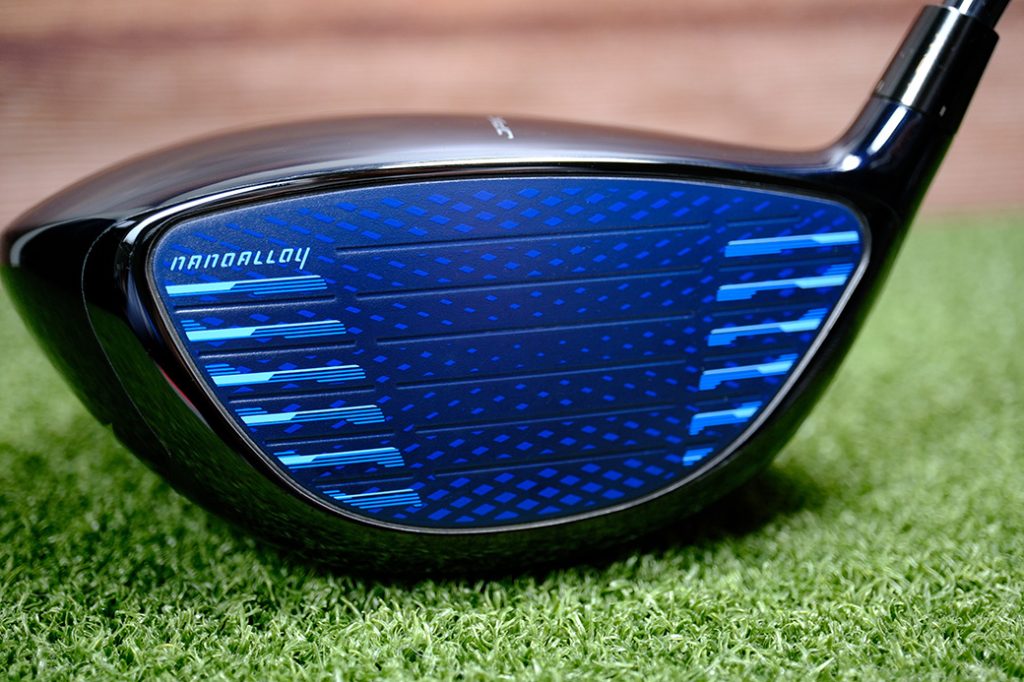
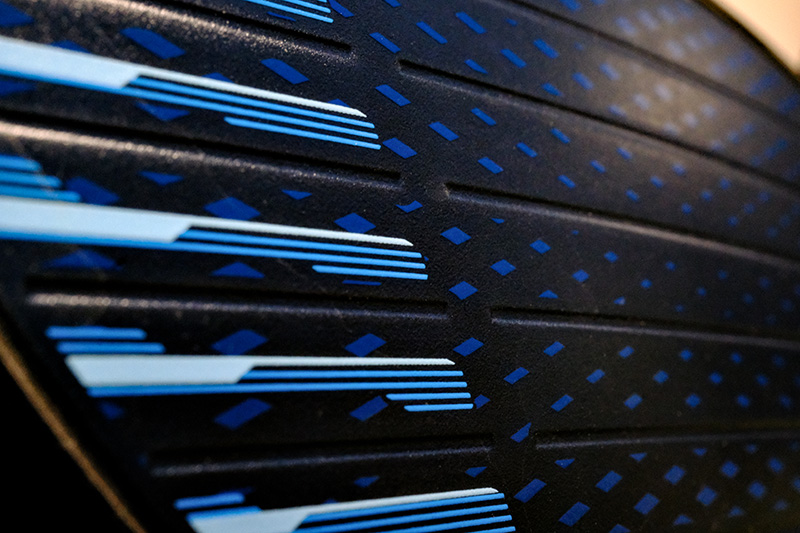
At its core, the design is elegant in its simplicity. The JPX ONE driver heads utilize Mizuno’s refined multi-material construction, combining a composite body with a forged titanium face. A Nanoalloy layer is then adhered to the titanium face, acting as a dynamic intermediary between impact and rebound.
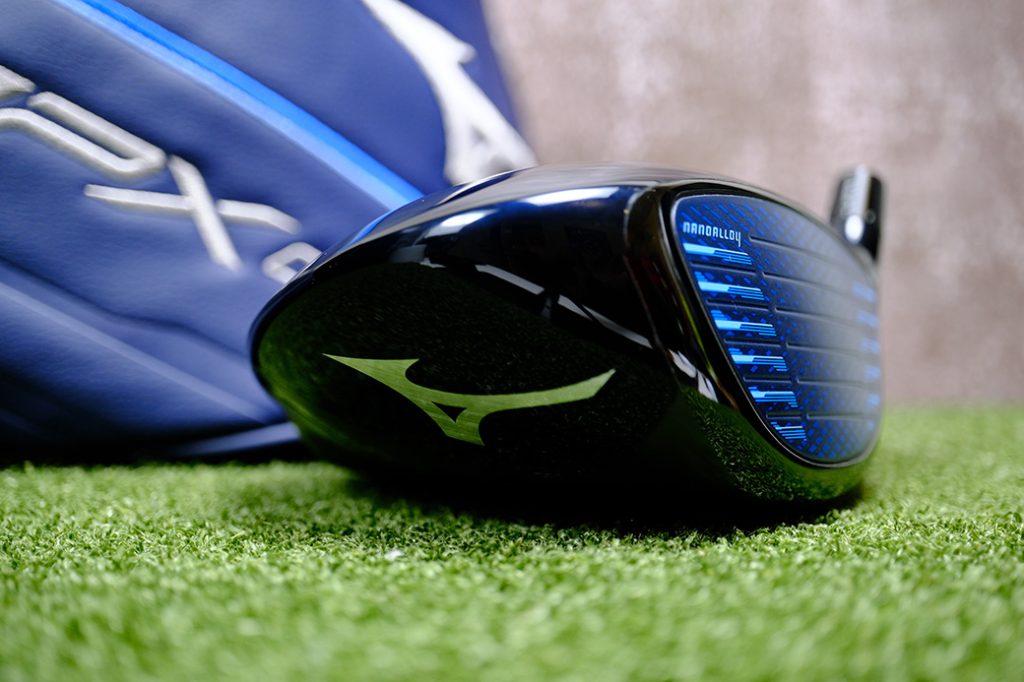
Mizuno refers to the resulting effect as “controlled deformation redistribution.”
In traditional titanium faces, impact force remains largely concentrated around the strike point, creating a hot center with gradual falloff. With Nanoalloy integrated, impact energy spreads more efficiently both horizontally and vertically across the face.
The practical result?
Greater face deformation efficiency
Reduced reliance on ball deformation alone
Improved compression efficiency across a larger strike area
That translates into increased ball speed not just at the center, but across a significantly broader portion of the face.
Nanoalloy Technology – The Science of Speed
By integrating Nanoalloy into the face of the JPX ONE drivers, Mizuno reduced face thickness by approximately 11% (0.25–0.33 mm) compared to the ST-MAX 230.
What does that mean in real-world terms?
In internal testing, Mizuno reports not only faster ball speeds, but more importantly for everyday golfers, it also has a CORAREA (the rebound area) significantly larger than not only their previous models, but also the most popular driver heads on the market.
To nail it all down, Mizuno’s application of Nanoalloy to the face essentially rewrites how driver faces perform on mishits. When you bring it into one concise thought, it means more ball speed retention even when you don’t catch it flush, to maximize distance potential not only on your best strikes, but your everyday ones as well.
Final Thoughts – Nanoalloy Technology is a Material Shift, Not an Incremental Step
Every release season it is easy to simply try and label a new club as the “latest and greatest” without much extra thought, but that undersells what is happening here with the JPX ONE and JPX ONE Select drivers.
After examining Nanoalloy more closely, it becomes clear that this is not simply another iteration, it represents a fundamental material shift in Mizuno’s metalwood strategy.
Mizuno’s identity has long revolved around feel, specifically in being the benchmark to which all forged irons are compared. With drivers though, the story has always been a bit more difficult to tell. The innovation and technology have always been there, but with Nanoalloy it no longer feels like a brand trying to keep up, instead they are now redefining what innovation looks like off the tee box.
Visit their website for more information or to purchase yours today.
Go to discussion…