
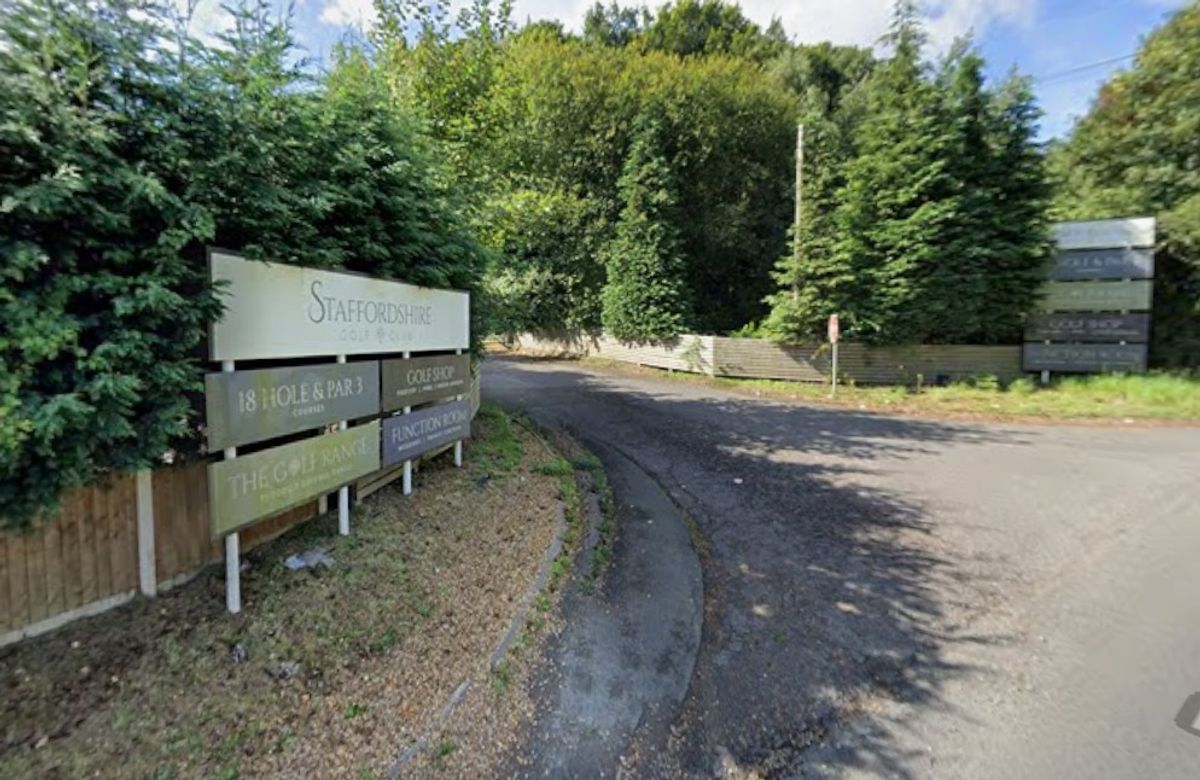
Developers Prime Oak said redeveloping the site was the most economically viable option. They claimed that the houses would be limited to the area already occupied by existing buildings and contributions would be made to ecological enhancement and habitat creation.
However the plans were dismissed by South Staffordshire Council due to the impact on the greenbelt and the inappropriate location of the development. They further stated that the development would contradict national and local planning policy.
During the appeal the developers argued that the lack of five year housing land supply, which is currently just 0.86 years, supports the fact the council is failing in delivering housing. The statement supporting the appeal said that the benefits of the scheme would outweigh the impact on the green belt.
The statement said: “The degree to which the development would affect the sense of openness of the green belt is negated by the surrounding boundaries, vegetation and position in the landscape.
 Staffordshire Golf Club. Credit: Google Maps. With permission for all LDRS partners
“The location, extent and design of the proposals would minimise the extent to which the aims and purposes of the green belt are affected, such that it is assessed that the proposals would have negligible effects on the overall integrity of the green belt.”
The appeal was dismissed by planning inspector K Stephens. In the decision, the inspector said future residents would have little genuine choice of transport modes and would be reliant on cars.
The judgement said: “The development represents inappropriate development in the green belt and there would also be substantial harm to its openness. I have also found the site is not in a suitable location for housing, such that future occupiers would be unduly reliant on the private car to access day-to-day services and facilities contrary to the council’s spatial strategy that guides the location of housing to more sustainable locations.
“With the Council having a lack of a five year supply of deliverable housing land, the three dwellings would make a modest contribution to help reduce the housing deficit. However, the dwellings would be retained by the appellant and used for marketing to showcase dwellings built by Prime Oak.”
The inspector said there were some benefits to the scheme including reduced traffic movement, biodiversity enhancements and the buildings designed to sustainable standards. However, the inspector concluded that these benefits do not outweigh the harm to the green belt.