
Erika Tulfo
| Special for The Republic
The grass parking lot screamed tailgate more than golf tournament, more casual barbecue than the elusive celebrity-studded experience some 20 miles south of TPC Scottsdale that morning.
The Good Good Desert Open was a refreshing change of pace, said golf fans who were disillusioned by the party scene at the WM Phoenix Open Annexus Pro-Am, and the success of the influencer-led competition represents a desire for relatability without compromising the essence of the game, they say.
“This is more of a true golf fan base rather than a party crowd with highfalutin rich people stuff,” said 49-year-old Queen Valley resident Adam Bonner, who also attended the Pro-Am. “The reason [the Good Good] guys are so intriguing is because they’re very personable and down-to-earth. It’s like if you go hang out at a bar, these are just the guys that are there talking about their golf round.”
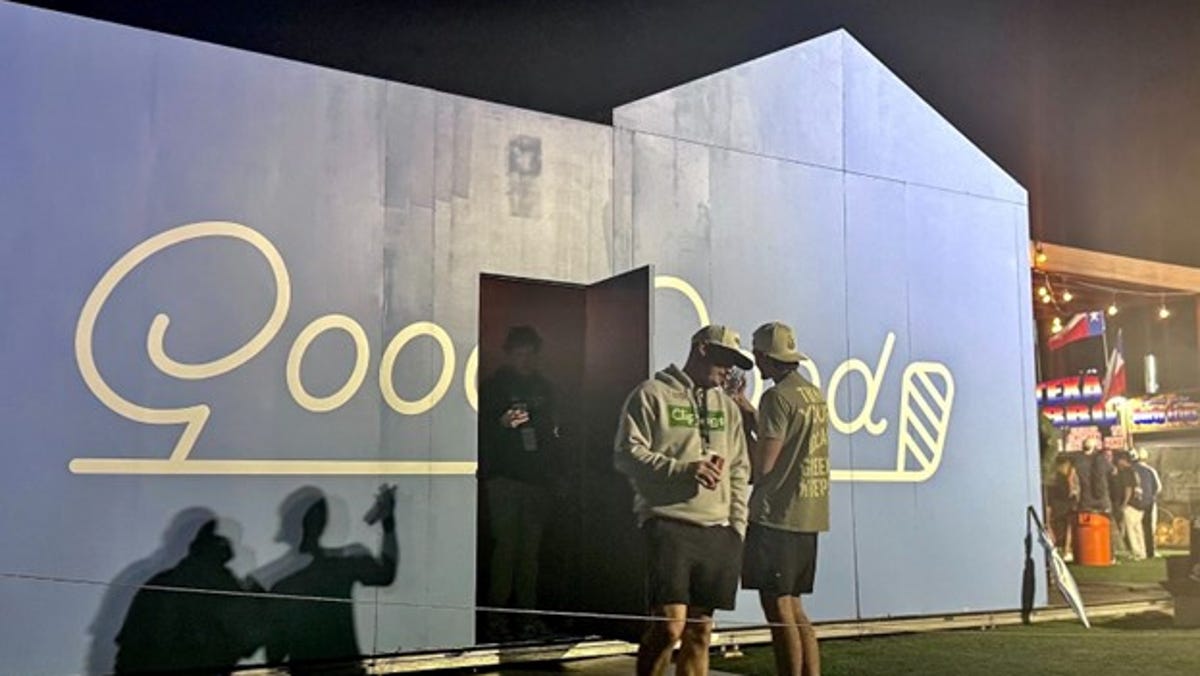
On Wednesday evening, a sizable spillover of the WM Open’s attendees migrated to Grass Clippings Rolling Hills for an event hosted by YouTube channel-turned-golf media and apparel company, Good Good. It featured its regular roster of young men and women golfers with a prominent online presence competing in teams of three on a par-3 course and handicaps anywhere from plus-3 to plus-8, according to handicap-tracker.com.
It’s the third time the group has hosted the competition on the same week as the WM Phoenix Open but this year, it comes after it announced in October that it was sponsoring its first-ever PGA Tour event. The Good Good Championship, which is set to debut this November in Austin, Texas, marks a milestone in its efforts to establish a presence in professional golf.
Good Good began in 2020 as a group of talented amateur golfers in their twenties who shot videos of themselves in a series of golf-related challenges and vlogs. Six years and more than two million subscribers later, the brand has evolved past social media to include a sportswear line and live events where fans can watch the creators play against each other in person.
Jacob Eisenhour, 18, a Prescott Valley native who has been playing golf since he was 5 years old, is a faithful Good Good viewer who said he’s drawn to being able to watch exciting matches and see players’ personalities at the same time, something he thinks professional golf tournaments lack.
“I just wanted to watch golf, and pro golf wasn’t very enticing to me when I was 10,” he said. “With Good Good, you get to actually know them as people instead of figures who make a ton of money and you don’t really get to see their personal lives.”
This year’s WM Phoenix Open features a field of 123 gifted athletes, many of whom have more than one PGA title. But even for some older, longtime PGA watchers, seeing athletes consistently compete at that level has lost its novelty.
“[At the Open], they’re the best of the best. They’re so good that you can’t relate to them,” said former high school golf coach Dana Hagen.
Hagen, 60, from Washington State, said he has been keeping up with the PGA Tour for years, but is beginning to favor YouTube golf more for its casual, low-stakes atmosphere.
“At Good Good, there are some bad shots. You want to see some mistakes,” he said.
It aligns with the group’s mission to dismantle the notion of golf as an exclusive sport with a high barrier to entry. Players embrace bad shots and talk openly about their disappointment, which fans say makes them easier to empathize with.
“People watch, and they feel like they get to know us through the screen because we’re talking to the camera,” said Good Good player Sean Walsh. “With the PGA Tour, they don’t talk to the camera. I think there’s a personability aspect that a lot of these people know stuff about me that they don’t know about Scottie Scheffler, Xander Schauffele.”
Walsh said he believed YouTube golf would continue to play a role in the sport’s growth as it draws in more young people. Data from the National Golf Foundation shows that young adults ages 18-34 made up the sport’s largest consumer segment, with more than 6.3 million playing on-course, a demographic that makes up most of Good Good’s fan base.
Some of golf’s biggest names, including Bryson DeChambeau and Tommy Fleetwood, are also trying to cash in on the YouTube golf wave by starting their own channels.
Still, as Good Good grows, it’s trying to straddle the line between winning over professional golf hardliners and not jeopardizing what makes it so appealing to its original fans.
It unveiled a new brand campaign in January, “There’s More to Golf,” which reiterates its commitment to inclusivity and positions it as a serious player in the mainstream golf space.
Good Good CEO Matt Kendrick said in a statement that the goal of the campaign was to “[bring] a new dimension to the brand beyond just ‘YouTube content’, in order to legitimize the brand to the traditional retailers and audiences who may have otherwise been skeptical.”
But even as the brand continues to grow exponentially, fans say they plan to continue supporting it as long as its players continue to inspire younger audiences to pick up a club.
Katie Paulson, a golf instructor in Gold Canyon, said she observed a rise in new players during COVID at around the same time Good Good took off.
“Watching how these players play and practice gets them motivated,” she said. “The kids have to be able to grow the game. That’s the only way that this game will survive.”
Erika Tulfo is a graduate student at Northwestern’s Medill School of Journalism