There’s something special happening in professional golf this week, and it’s playing out on two courses that couldn’t be more different in character yet share an equal commitment to championship-caliber golf.
While the PGA Tour heads to the rugged coastal cliffs of Torrey Pines for the Farmers Insurance Open, the LPGA Tour kicks off its season at the pristine, inland sanctuary of Lake Nona Golf & Country Club for the Hilton Grand Vacations Tournament of Champions. Both venues tell compelling stories about what makes great golf courses great.
The Beast by the Pacific
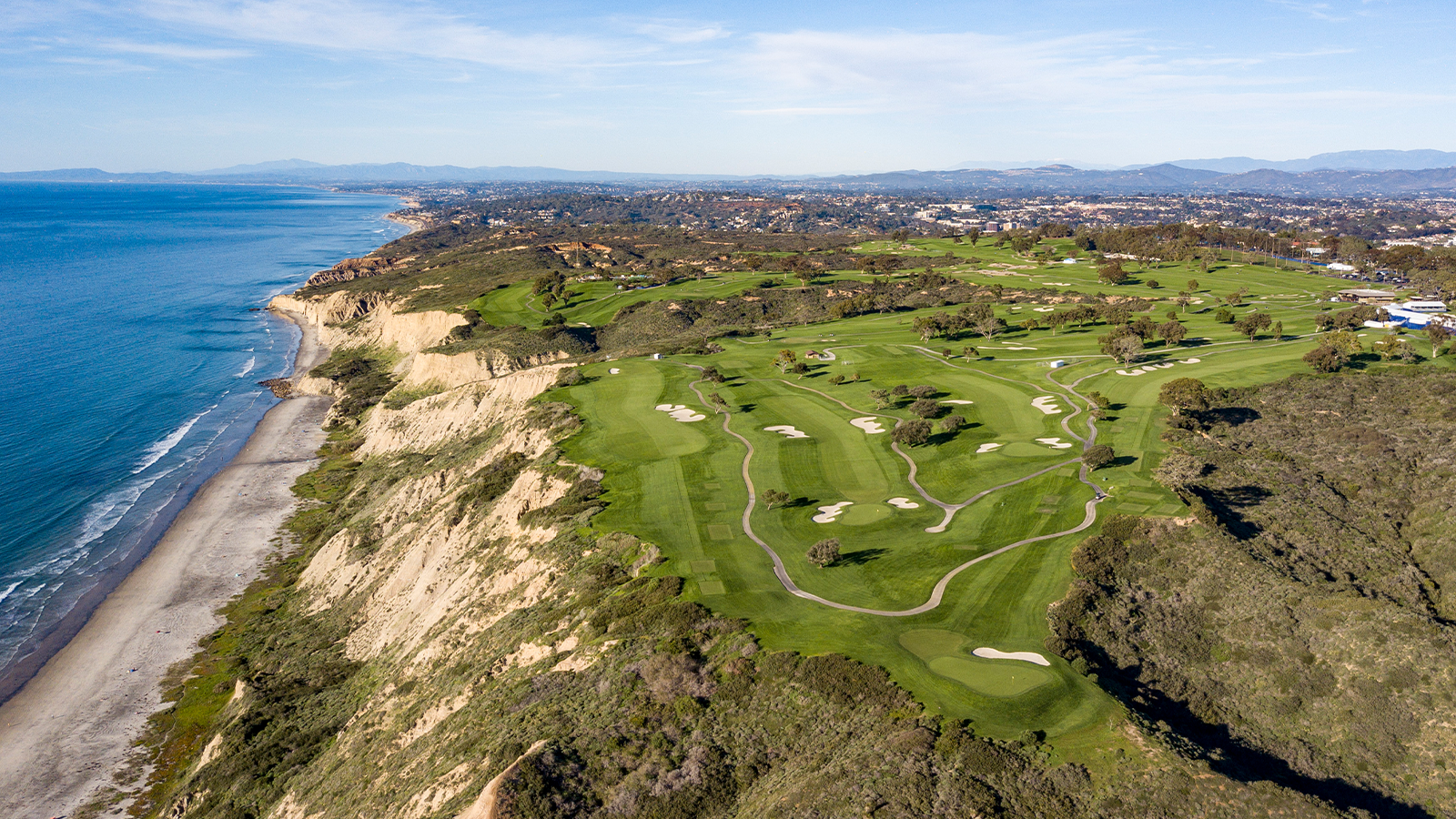
Torrey Pines needs no introduction to serious golf fans. The South Course, stretching to an eye-watering 7,765 yards for tournament play, stands as the longest track on the PGA Tour. That’s not a typo. At 95 yards longer than any other course the pros played last year, this municipal facility in La Jolla proves that public golf can hold its own against the most exclusive private clubs.
The South Course earned its stripes hosting Tiger Woods’ legendary 2008 U.S. Open victory over Rocco Mediate, a 19-hole Monday playoff that remains one of golf’s most dramatic moments. Woods played on a stress fracture and torn ACL, birdieing the 72nd hole to force the playoff and doing it again on Monday to extend it. The course returned to U.S. Open duty in 2021 when Jon Rahm claimed his first major championship.
What makes Torrey Pines South so demanding? Start with those Poa annua greens cut to .095 inches, averaging just 5,000 square feet. They’re the fifth-smallest greens the tour played last year, which means precision matters more than power, though you’ll need plenty of both. The course features 82 bunkers and plays through clay soil that can get sticky when the marine layer rolls in.
Director of Agronomy Devin Cullen and his 40-person crew manage an incredible workload. The South Course alone sees 78,000 rounds annually, while the North Course handles 90,000. That’s serious traffic for any facility, let alone one hosting multiple tour events.
The North Course, renovated by Tom Weiskopf in 2016, plays 7,258 yards and offers a slightly gentler test with bentgrass greens and a slope rating of 134 compared to the South’s intimidating 148. Both courses use ryegrass overseed on their kikuyu fairways, creating that perfect coastal California playing surface.
Florida’s Hidden Gem
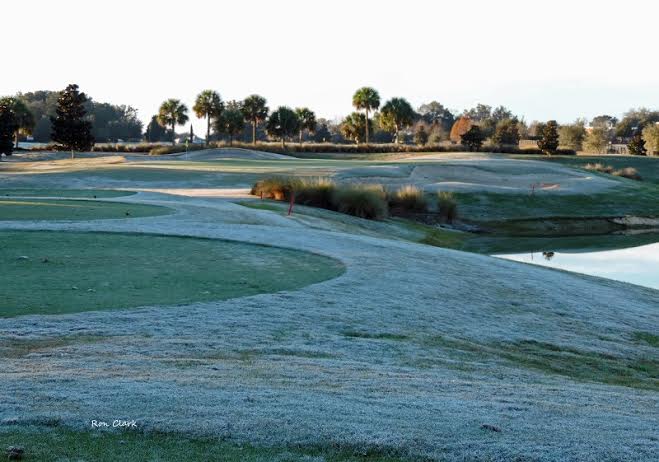
While Torrey Pines battles the elements on exposed clifftops, Lake Nona Golf & Country Club offers a completely different experience in Orlando’s master-planned community. Tom Fazio designed this 7,215-yard layout in 1986, and it’s aged like fine wine.
The course weaves through natural pine forests and oak groves, touching three lakes along the way. What strikes you first is the contrast between the front and back nines. The front plays through a secluded, wooded canopy that feels intimate and strategic. Then you make the turn and suddenly you’re treated to breathtaking lake vistas that open up the course and test your ability to manage risk and reward.
Lake Nona’s greens are fascinating. Superintendent Nick Dolimpio maintains Poa trivialis overseed on the putting surfaces, cut to .100 inches. Last year, Lake Nona was one of only three U.S. courses on tour with Poa greens, and the only one overseeded with Poa trivialis. That’s a bold agronomic choice that creates a unique playing surface.
The course averages 5,900 square feet per green, giving players slightly more margin for error than Torrey Pines South. But don’t let that fool you. The 58 formal bunkers, plus three large waste areas that play as bunkers during tournament week, create plenty of trouble. Water comes into play on nine holes, and the sandy loam soil drains beautifully, keeping conditions consistent.
What Golfers Can LearnStep 1: Study the Grass
Pay attention to what you’re playing on. Poa annua greens like Torrey Pines South require a different putting stroke than bentgrass or bermuda. The ball tends to bounce more on Poa, especially in the afternoon as the grass grows.
Step 2: Know Your Yardages
Both courses prove that length matters, but accuracy matters more. Torrey Pines South’s tiny greens and Lake Nona’s strategic bunkering reward players who know their exact distances and can execute under pressure.
Step 3: Manage Expectations
These are championship courses designed to test the world’s best players. If you’re fortunate enough to play either venue, adjust your expectations accordingly. Bogey golf is good golf on tracks like these.
Step 4: Appreciate the Maintenance
The crews at both facilities perform minor miracles keeping these courses in tournament condition while handling massive public play (Torrey Pines) or maintaining pristine private club standards (Lake Nona). That’s expertise worth recognizing.
The Bottom Line
Torrey Pines and Lake Nona represent two distinct visions of championship golf. One battles the elements on public land overlooking the Pacific. The other creates an exclusive sanctuary in Central Florida’s fastest-growing community. Both deliver world-class golf that challenges the best players on earth and serve as a great way to show how golfers can prepare to play a new course.
This week, we get to watch it all unfold on two courses that prove great golf architecture comes in many forms.