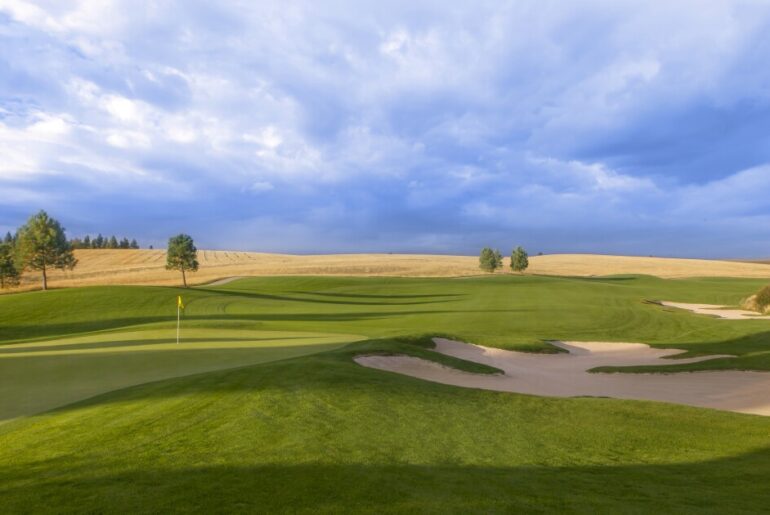
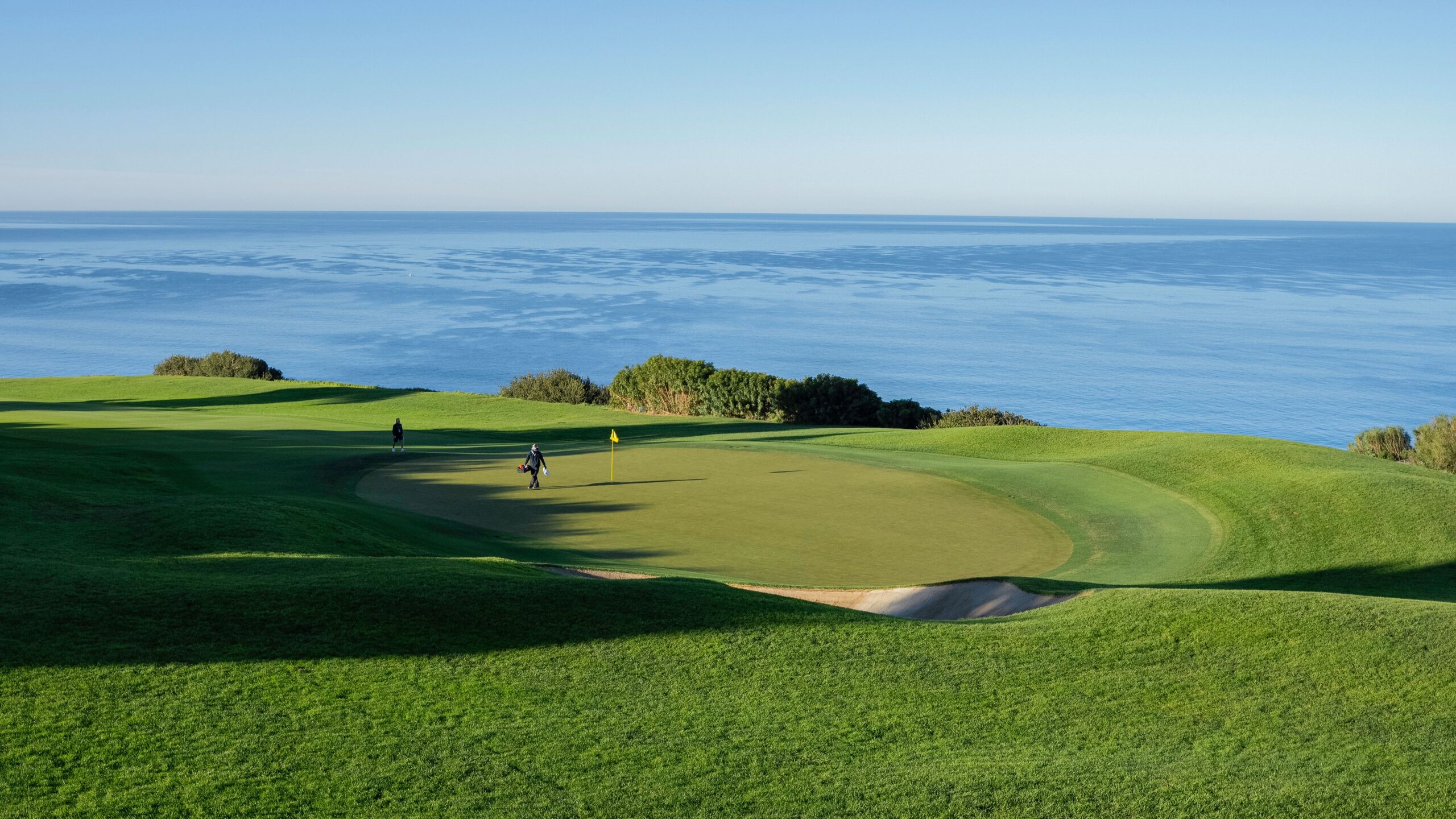

The first thing Torrey Pines does is make you stop. You walk onto the tee, look out over the cliffs of La Jolla, watch surfers carving waves hundreds of feet below—and then remember you still have to hit a golf shot.
Stretching across one of the most dramatic pieces of coastline in Southern California, Torrey Pines Golf Course is one of the greatest municipal courses in the country. It boasts two 18-hole courses that occupy what would be an astronomical amount of beachfront real estate if history had gone another way. Instead, Torrey Pines is public, accessible, and unapologetically for everyone—while also hosting an annual PGA TOUR stop and multiple U.S. Opens.
How to Watch, Tee Times: Everything You Need to Know for the Farmers Insurance Open at Torrey Pines
It’s that contrast that defines Torrey. Breathtaking beauty paired with a quiet, constant challenge.
Zigging and zagging alongside 400-foot cliffs, both the North and South Courses use every inch of oceanfront property to their advantage. The views can be overwhelming—but the golf demands your full attention. Fairway bunkers are sparse but purposeful, requiring you to miss in the right places. The rough is thick. The Poa greens, especially as the day wears on, turn into controlled putting chaos.
The two courses complement each other well, and at a glance, there isn’t a dramatic visual difference between them. The South Course is the bruiser—longer, tougher, and built to test the best players in the world with demanding green complexes and deeper defenses.
The North Course, meanwhile, offers a slightly gentler experience and maybe—just maybe—an argument for the better views, highlighted by its signature par-3 15th hole.
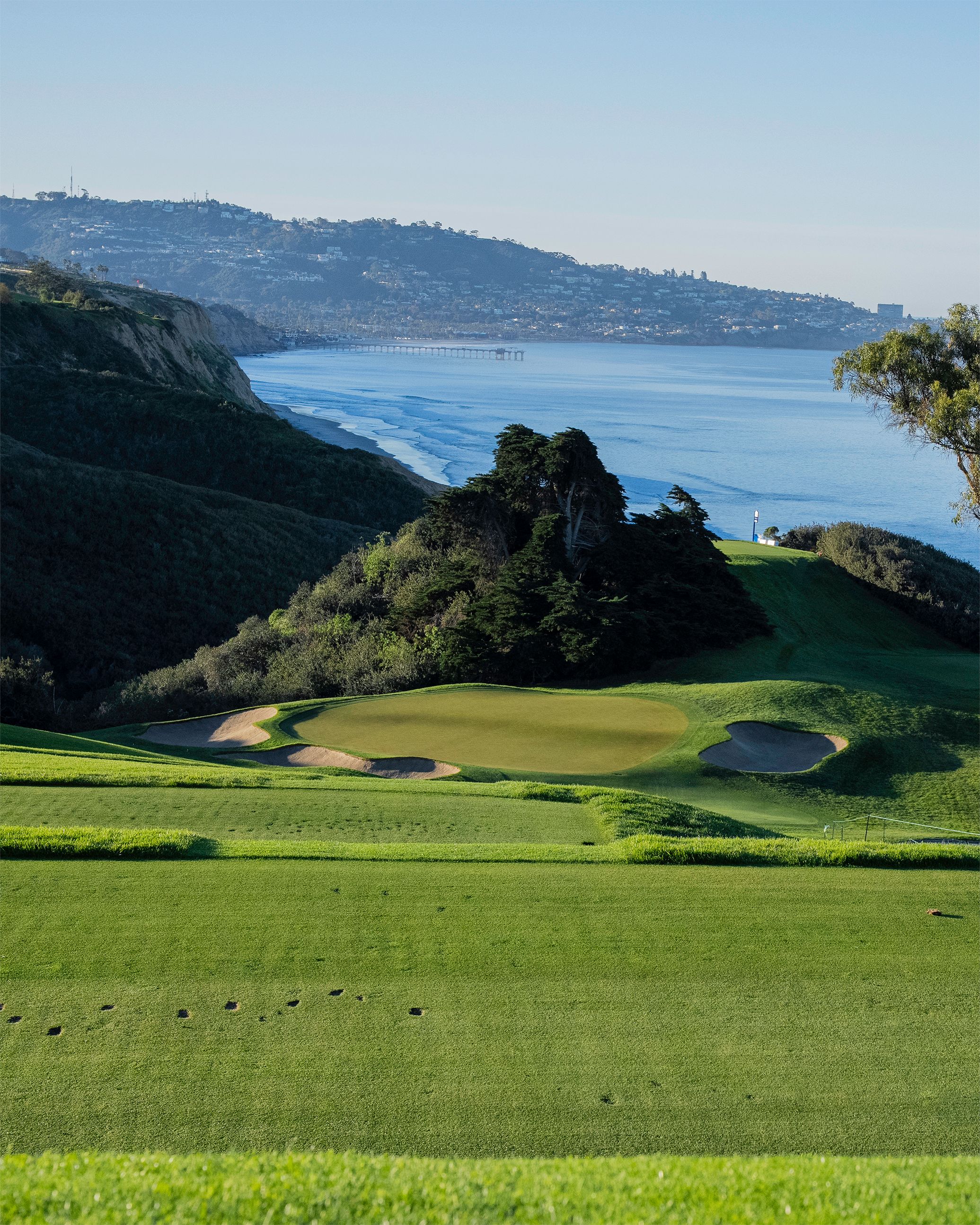
No. 15 is a downhill par-3 perched above La Jolla Bay. I mean—c’mon.
The clubhouse sits at the heart of the property, and both opening holes point straight toward the Pacific. These tee shots create an “infinity fairway” effect—ocean first, golf second. You can’t see the green from the tee, and that’s part of the magic. Crest the hill and the course reveals itself, the green suddenly framed by sky and sea like a stage set for the moment.


From there, both courses take you on a coastal rollercoaster—playable, punishing, and endlessly engaging if you want to score.
If you ever attend the Farmers Insurance Open or a U.S. Open at Torrey, walk with a single group for at least nine holes. You’ll see how the course fits together and how it tests even the best players on the planet. Every hole asks a question, especially on approach shots, where pins are tucked onto tiny shelves that reward precision and punish hesitation.
RELATED: What Torrey Pines Means to Tiger Woods
The land Torrey Pines occupies was once a World War II military training center, then a 2.7-mile professional racetrack, before the City of San Diego decided to turn it into a golf course in 1955. Father-and-son architects William P. Bell and William F. Bell designed both courses simultaneously, envisioning a public golf destination worthy of its setting.
Torrey Pines could have been private. It could have been lost to development.
Instead, it remains one of golf’s great public treasures—world-class views, world-class tests, and a reminder that the best golf doesn’t have to be behind a gate.
 JOIN OUR NEWSLETTER
Get our top stories in your inbox, including the latest drops in style, the need-to-know news in pro golf, and the latest episodes of Skratch’s original series.