
Photo by Evan Schiller
From bespoke clubhouses to thoughtfully crafted fairways, these ICONIC architects reveal how design, landscape and lifestyle converge to elevate the private club experience.
Before an alfresco lunch is enjoyed at the clubhouse or the first tee shot is taken, there is an architect with a vision—one that sees the golf course and clubhouse as spaces shaped by experiences, not just functionality. Achieving this balance is no easy feat. Architects must preserve the elevated luxury of a private club while honoring the relaxed, welcoming atmosphere members cherish. To learn more about this process, we spoke with ICONIC architects known for their bespoke projects in the golf course and clubhouse environments.
Erik Peterson | PHX Architecture
Erik Peterson’s architectural style is defined by having a deep understanding and respect for each club’s history and focus on creating something that will stand the test of time.
“Because clubhouse developments unfold over multiple years, our role as architects is to strategically position the club for sustained success. By engaging in thoughtful early-stage planning, we ensure that the design reflects both immediate needs and the future goals that shape the club’s trajectory,” he explains.

Photo by Jason Dziver
Peterson knows all about creating timeless clubs, as he has worked on several bespoke projects, including designing the Mickelson National Golf Club in Calgary, Canada. While the project, which PHX collaborated with local Canadian firm Davignon Martin Architecture + Interior Design on, was Phil Mickelson’s first signature course in Canada, it was the third collaboration between PHX Architecture and Mickelson’s team.
YOU MAY ALSO LIKE: PERFECTING A GOLF SWING: 5 TIPS
As with any club project, Peterson focused on three primary elements to bring about premium function to the space: member flow, service flow separation and functional golfer flow. Member flow emphasizes creating a natural function for club members, both elevating their experience at the club and establishing it as “their second home.” Service flow separation is what Peterson defines as the “hallmark of a luxury environment” because it guarantees that employees and management can function in the space discreetly, so as to not disturb the peaceful environment of the club. Finally, functional golfer flow considers each step golfers take from bag drop to the first tee-off. This ensures that each golfer is able to transition from the club to the course with ease.

Photo by Jason Dziver
The result was a club that incorporates stunning natural features, thoughtful architectural elements and an emphasis on cohesion between the course and the clubhouse—attributes that define a PHX Architecture project.
“The design responds to three key environmental factors: the dramatic Rocky Mountain vistas, the dramatically contoured course topography, and the clubhouse’s role as a central focal point for both the golf experience and the surrounding Harmony residential community,” Peterson says. “Each element was carefully considered to create a connection between the landscape, the course and the clubhouse.”
David McLay Kidd | DMK Golf Designs
In the golf course architecture space, there are few names as ICONIC as David McLay Kidd. The Scottish architect has become notorious for his courses, which are both thoughtfully crafted for optimal play and aesthetically beautiful.
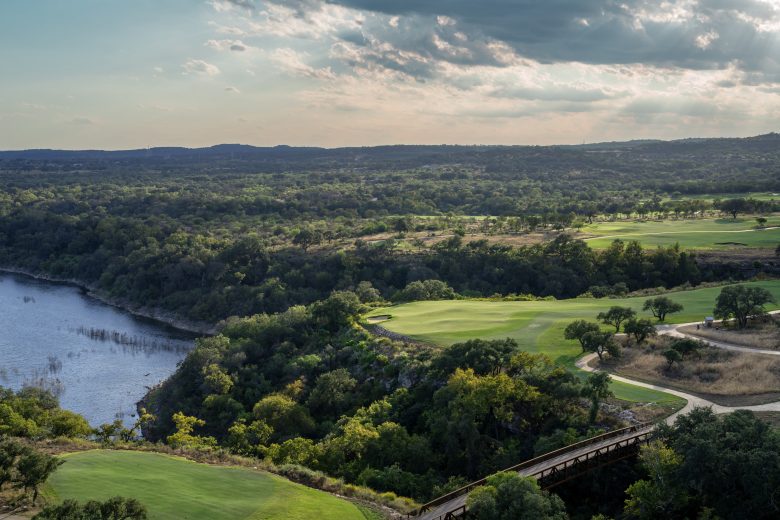
Photo by Evan Schiller
“Golf is more than just about playing 18 individual golf holes. It’s about playing in a landscape with your friends, hopefully in good weather, enjoying the experience from the moment you arrive on the property until the moment you leave.” McLay Kidd says.
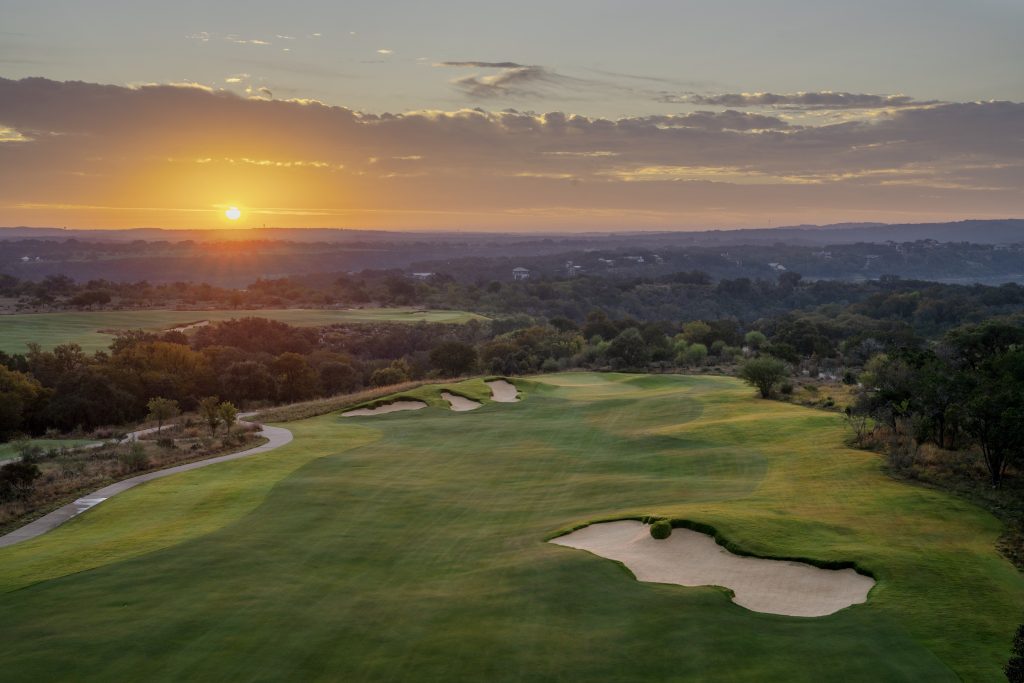
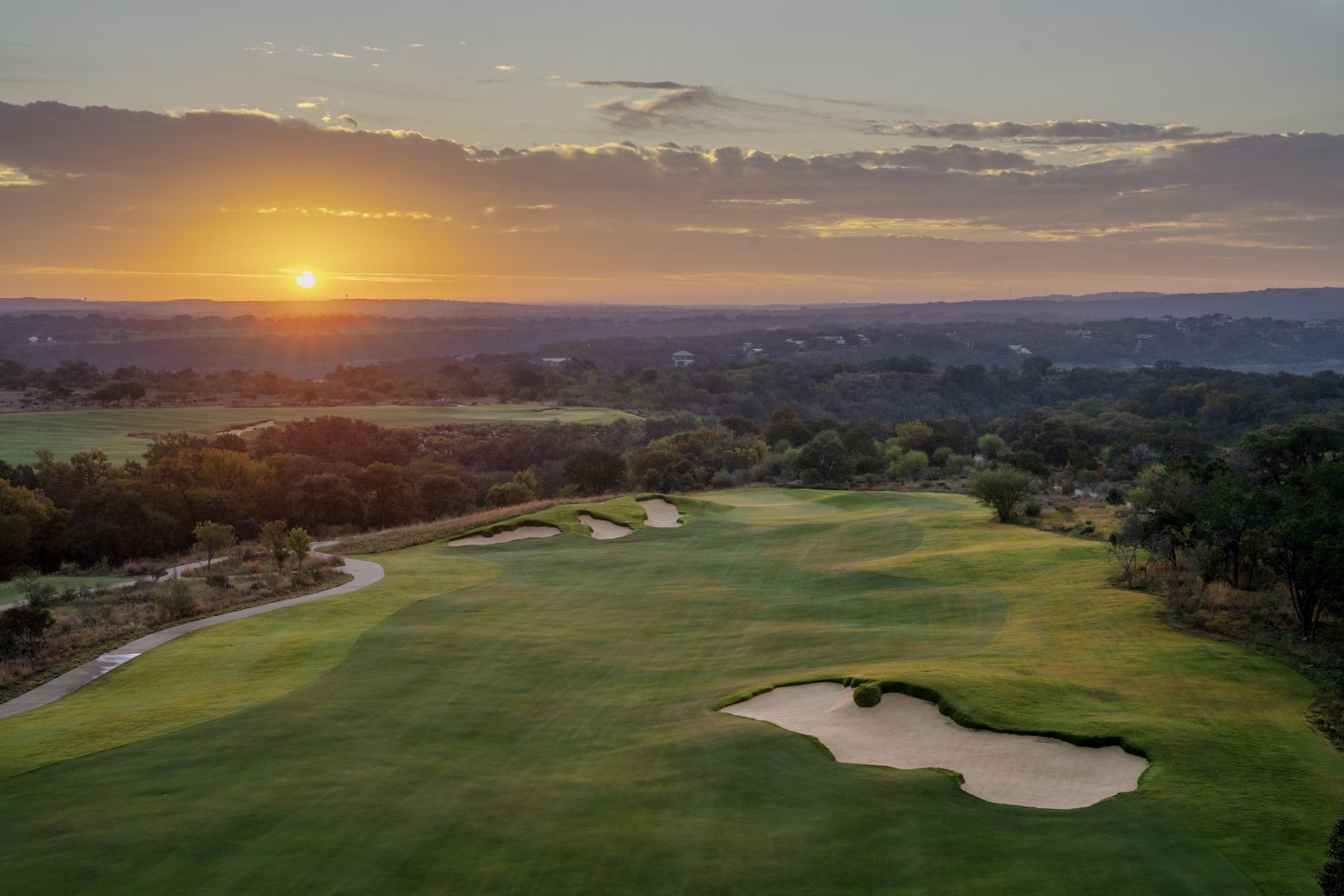
One of McLay Kidd’s most recent projects, Loraloma Private Club & Estate’s par 72 championship course just outside of Austin, Texas, is a testament to his philosophy that golf is about more than just the game—it’s about the landscape and the rhythm of the course.
“For me, finding ways to get the golfer to be a little bit lost out in the landscape, to make them second-guess what’s coming next, to always be thinking about what adventure lies around every corner as they make the rise on every hill—this is what’s important to make them feel like they’re lost for a few hours in this beautiful landscape, having a wonderful experience where time no longer seems to matter,” McLay Kidd explains.
YOU MAY ALSO LIKE: YOU GOTTA PLAY THE BEST GOLF COURSES IN THE WORLD
From the moment he began designing the course, he knew that the topography would naturally lend itself to the vision he had for the course: natural rolling hills, perfect for interesting play and visual aesthetics.
“Golf is more than just about playing 18 individual golf holes. It’s about playing in a landscape with your friends, hopefully in good weather, enjoying the experience from the moment you arrive on the property until the moment you leave.” McLay Kidd says.
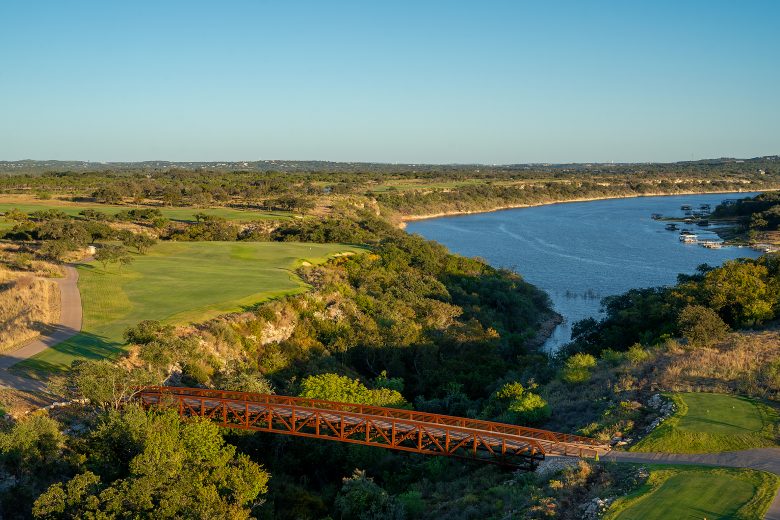
Photo by Evan Schiller
“The best way to honor the natural topography to get a great golf course is to start with good topography. Loraloma had just that—soft rolling land, not steep but not featureless. It had great vegetation: sparse old oak growth scrub that hadn’t been used for decades for any kind of agricultural pursuits,” he notes.
The course is pressed up against a river cliff edge and is one of the first courses in the United States to feature Zoysia grass. Not only does Zoysia grass require less fertilizer, watering and pesticides, it also eliminates the need for overseeding in the fall—which is a big bonus for the club and players. It’s this kind of thoughtful consideration that defines McLay Kidd’s architectural style.
“The land was relatively raw and untouched when we started, so we were able to let the golf course find its way—and through these beautiful oaks—without having to do too much,” he says. “We ended up with a golf course that’s both playable and strategic, and something that honors the land and the best it has to offer.”