
While golf may be benefiting from a participation boom, UK golf clubs and courses are still feeling the economic pinch. But has one golf club found a way to adapt for the future?
Since we came out the other side of the period of blight that was 2020’s COVID-19 pandemic, golf, in both the UK and across the globe, has seen an economic boom.
Participation is up, with new starters and old players coming back into the game in their millions; equipment sales are going from strength to strength, both the latest and greatest clubs as well as a healthy pre-loved second hand market catering to a wide selection of budgets and needs; and the revelation that is YouTube Golf has helped bring a complete different demographic onto the links and parkland spaces we all love.
It’s an impressive turnaround for an industry that, despite what the image of golf might have you believe, may not have had the strongest financial outlook come the end of the 2010s.
There are, however, aspects of our great game that are still in a position of something of a mortal peril. With the advent of technology and innovation, the most well-established elements of golf, namely the clubs and course you find throughout the UK, are facing dilemmas and decisions when it comes to balancing their commitments and costs.
 Balancing the books
Simon Fitton, Director of Nene Park Golf Club, is all too aware of the nature of our beast, having been involved in the running of courses his whole life, as both PGA professional and business owner.
“Across the country, golf clubs have very similar costs. Food and beverage in the clubhouse, the golf course itself is the biggest cost, and staff wages.
“Greenkeeping, fertilisers, machinery: the list is pretty endless on the golf course, I have to say, and post -pandemic, which we probably shouldn’t be able to use as an excuse anymore in terms of cost, [but] it is genuinely what is driving the costs up and up, and has done every year.”
While we’re all aware that course maintenance can be an expensive affair, there’s plenty at play beyond that which most of us might have considered as well.
“One [thing] people don’t really tend to think about, that’s coming up next year, is business rates. They are a bit of a shocker for golf courses… and one that I think people have got to look out for.”
Indeed, you’ll find few golf clubs immune to the financial outlays and stresses of the year-on-year increases of running their sites.
These demands have historically been countered by gentle rises in annual membership fees, but for the post-pandemic golfer, one who has access to a wide range of offers for reduced green fees and other enticements, as well as no longer needing membership to retain a handicap, thanks to England Golf’s iGolf system, traditional club structures are losing their appeal.
Without new members joining, and significant increases in subscriptions threatening to see long-term members, who don’t wish to shoulder more than their perceived fair share of the burden, leave, UK clubs are in a tricky position. This often sees much-needed maintenance deferred to avoid the cost, something that will come back to bite in the near-future, if not eventually addressed.
 Modern problems, modern solutions
While it may be known as taking a more conservative approach to change, golf has done well when it comes to modernising in the face of technology.
Look at how far the equipment we use has come in its use of materials and engineering, even compared to just 10 or 15 years ago.
For Nene Golf, embracing these changes has been major in their ability to keep up with expenses while also optimising their ‘value for money’ with new and current members.
“We are public golf courses that are solely focused on golf,” says Simon.
“We haven’t got the food and beverage clubhouse costs [or potential, depending on which way you treat it as a business]. I would say we are fortunate in a setup perspective – the golf courses, the driving range, and a par three pitch-and-putt – that percentage of turnover from different areas means that we are a bit more robust to the ups and downs of turnover and cost, so we can flex that.”
Nene Park’s Director is underselling the club’s strategy here. The club does still have facilities to entertain the golfer outside of the course, but by outsourcing those burdens to other businesses, like food and beverage, the club is able to better utilise their funds to manage on-course costs over less profitable areas.
That diversification extends beyond just reducing outlays, though.
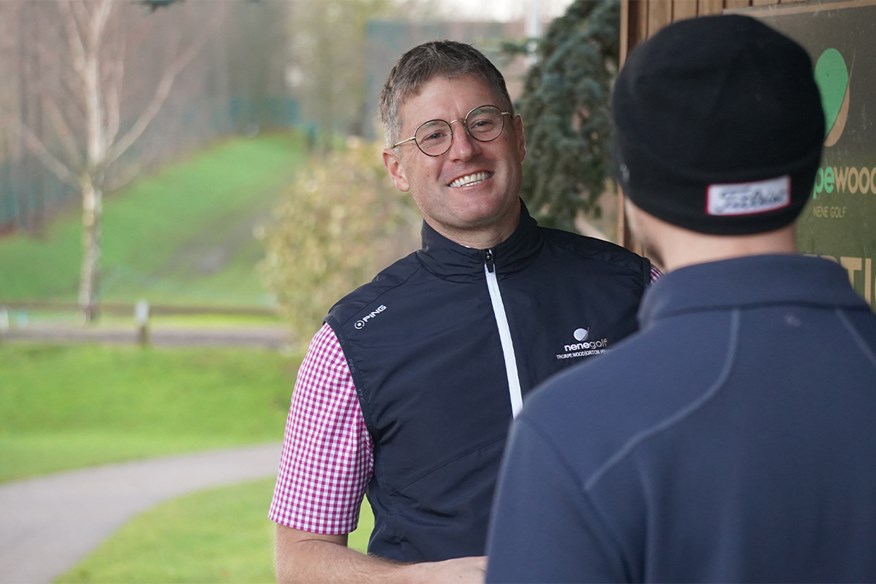
Speaking to Nene Park’s general manager, Luke Rich, a big part of their focus is now on identifying how they can meet the needs of the next generation of golfers, gaining their loyalty by providing versatile services over the traditional club structure.
“Our key M.O. is golf for everybody, and making it as accessible as possible,” Luke tells me.
“We’ve implemented a pathway from beginner lessons, both single and group experiences with our professional staff and [adults, ladies, and junior] academies, to getting out onto the golf course, playing, where everyone ultimately wants to be.”
Once golfers have graduated to that level, Nene Park has another way to accommodate membership around the player’s lifestyle.
“We offer what we refer to as a Season Ticket, which is closest to a traditional membership, where you pay your green fees upfront, either monthly or annually, and then play as much as you wish, or you can become a Flexible Member, which allows you to maintain an active handicap, access priority booking, and play competitions for a one-off charge.
“This option does also provide reduced green fees, so you can pay-and-play whenever suits you, instead of feeling an obligation to use your membership by going out in bad weather or the colder months. Additionally, we believe that communicating any site updates is essential to improving our members’ happiness and community feel.”
Nene Park’s combination of both working with their community, as well as finding where they can reasonably offload some of their less-productive costs, means they are not only thriving now, but are prepared for whatever the future may bring them, and serves as a leading example in the UK of how a golf club should look in the modern world.