
Green fees are up sharply across Great Britain and Ireland. Rising costs play a part, but there’s more going on beneath the surface…
If you’ve played a variety of golf courses this year, you’ve probably noticed something. Green fee prices have jumped higher than a flea with a jetpack.
The average green fee for the courses in our Top 100 UK & Ireland ranking is now £237. That’s a 10.7% jump on last year and almost 50% higher than in 2021. The range is vast – from £1,000 at Turnberry to £40 at Shiskine – but the direction of travel is unmistakable.
Some of the individual rises are eye-catching. Castlerock is up 41% year-on-year to £225, with a July spike of 69% to £270 as The Open visited nearby Royal Portrush, which itself is up 13% to £385. Pennard has climbed 40% to £175, St Enodoc is up 33% to £200, Burnham & Berrow has risen 30% to £195, and Nairn now commands £300 after a 30% increase.
So why the sudden surge?
 Operating costs
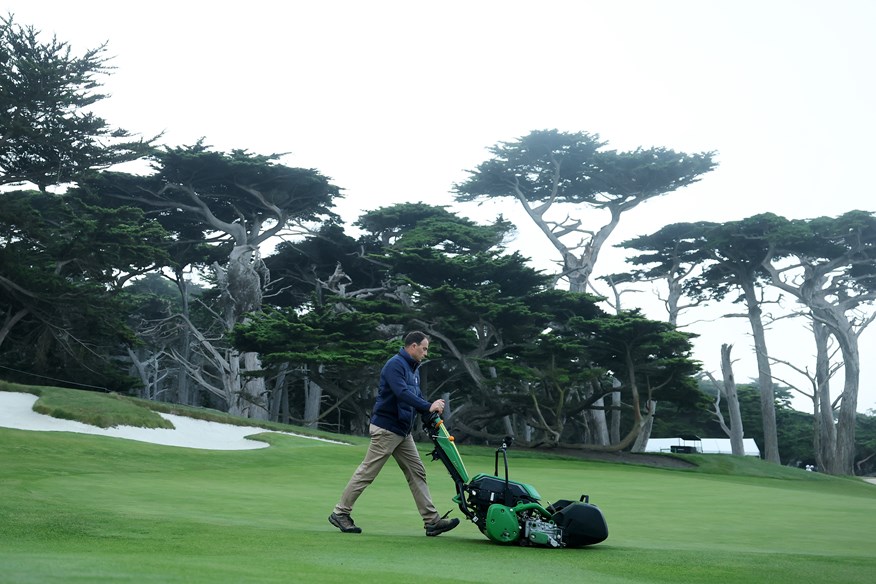
The obvious answer – and the one clubs are quickest to point to – is increased operating costs.
And it’s a valid argument. Maintaining an elite golf course has never been more expensive. Fuel, fertilizer, machinery, staffing, and utilities have all risen sharply, and top-end venues can’t simply cut corners to save money. If you’re charging north of £200, the greens had better be immaculate and the bunkers better not look like they’ve been raked with a garden fork.
But that doesn’t account for the entirety of the rise. There are two other major factors at play – one of which is less-discussed but may be the biggest reason you now need to remortgage your house to play some of the UK’s best golf courses.
 The cost of Covid
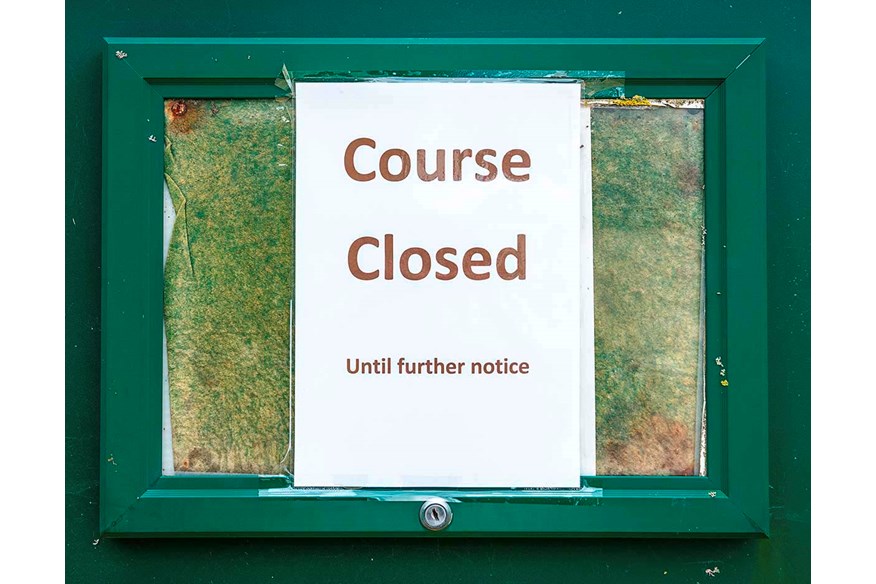
When lockdowns eased, golf emerged as one of the first sports people could play safely and socially. Participation surged, membership lists swelled, and tee sheets filled up. Courses that once relied heavily on visitors suddenly had unprecedented demand from local golfers too.
Crucially, that demand never really went away. While some sports saw participation drop back, golf held onto many of its new players. The result? Fewer spare tee times, less need to discount, and far more confidence among clubs to push prices upward. Basic economics took over: demand soared, supply stayed fixed, so green fees shot up.
Once courses realized they could charge more without losing custom, a reset occurred. Prices that might once have seemed ambitious quickly became the new normal.
But this is where things get even more interesting.
 The price of perception
There’s a well-established concept called the Veblen effect, which describes how people often perceive expensive things as more desirable because they cost more. Price becomes a signal of quality, status and exclusivity. In luxury markets, higher prices don’t suppress demand – they reinforce it.
Golf, especially at the top end, now behaves in much the same way.
Tourists drive much of the demand for the UK and Ireland’s most famous courses. Many overseas visitors will build a trip around one or two iconic names, then look for other courses nearby to complete the itinerary. The problem is that judging the quality of a golf course from the club website is notoriously difficult. Every club promises “stunning views” and “immaculate greens”. So how do visitors decide which ones are worth their limited time?
They look at the price.
A £50 course, however good it may be, is easily dismissed. A £250 or £300 course, on the other hand, must be special – or so the logic goes. Price becomes a shortcut for quality. Clubs know this, and increasingly they’re pricing accordingly.
Raising fees doesn’t necessarily scare golfers away. For many visitors, particularly those travelling long distances, an extra £50 or £100 barely registers against the cost of flights, hotels, and car hire. In fact, the higher price can be reassuring. It confirms they have chosen somewhere “worth it”. It’s your big trip of the year, so you’d rather stump up a little extra than risking wasting a day playing a dud.
Events like The Open only amplify this effect. Nearby courses are always going to capitalize, and from a business perspective it makes perfect sense. Demand spikes, prestige rises, prices follow.
The numbers back this up. Business growth agency The Revenue Club revealed that visitor income in the UK recently hit record highs. After surveying 202 clubs across Great Britain and Ireland, it found the average club generated more than £170,000 in green fee income over the course of 2024 – an 11% increase on the previous 12 months.
According to Chris Knight, a director at The Revenue Club, that rise is “slightly above the inflation rate” and reflects “many golf course operators passing on increased operating costs to the customer, and a general acceptance of higher prices for many consumers”.
But this strategy isn’t bulletproof. Top-end visitor play is now overwhelmingly American. If the dollar weakens, those trips suddenly look more expensive. And if US consumer confidence dips amid economic or political uncertainty, some of those once-in-a-lifetime trips could be put on hold.
In the meantime, the uncomfortable truth is that green fees are no longer just about covering costs. They’re a branding tool – a way of positioning a course within golf’s luxury hierarchy.
As long as golfers continue to equate price with prestige – and as long as the post-Covid demand remains strong – the upward trend looks set to continue. The real question isn’t whether £400 is justified – it’s how far green fees can rise before the game quietly prices out the very golfers who helped fuel golf’s remarkable boom in the first place.
Golf flourished after Covid by being open to everyone. It would be a strange legacy if the sport’s biggest boom ended by making some of its best courses feel closed again – this time, not by lockdowns, but by price.