
Listen to this article
Estimated 4 minutes
The audio version of this article is generated by AI-based technology. Mispronunciations can occur. We are working with our partners to continually review and improve the results.
The Resort Municipality of Whistler is considering increasing the property tax rate — also known as the mill rate — for large tourism companies as part of its 2026 municipal budget.
The proposed increase would generate $3.1 million in tax revenue as the municipality’s mill rate for Class 8 properties increases from 10 times the base residential rate to 20 times the base rate.
Mill rate is the amount of property tax paid per $1,000 of a property’s assessed value. The proposed increase would apply to a dozen properties in Whistler.
Mayor Jack Crompton said the resort community is having to find creative ways to fund tourism while taking the pressure off small businesses and workers who live in Whistler.
“We want to grow tourism to British Columbia, and we feel like it’s incredibly important to find ways that tourism funds that growth,” Crompton said.
WATCH | Whistler council proposes increase to mill rate for ski hill, golf courses: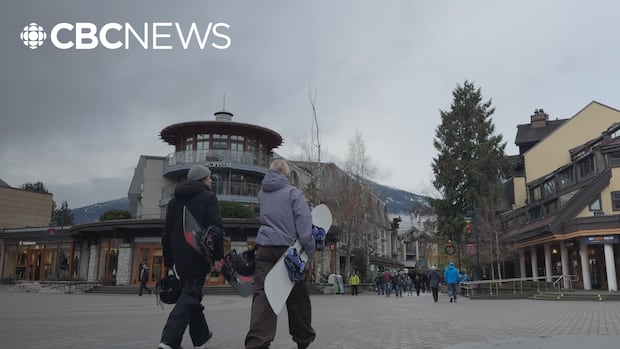
Whistler council proposes doubling mill rate for ski hill, golf courses
Recreational properties in Whistler, B.C., could soon see a mill rate increase. As Alanna Kelly reports the Resort Municipality of Whistler is recommending a significant shift in the budget that would generate more than $3 million in tax revenue.
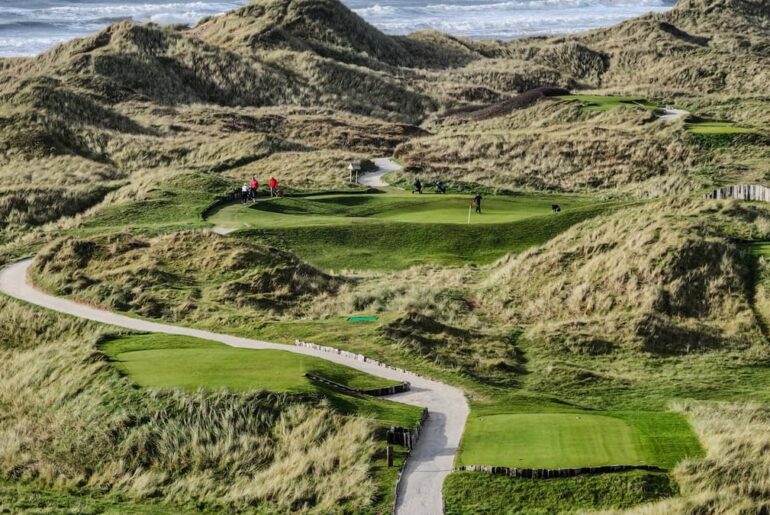
The tax change would primarily affect major recreational tourism operators, such as the ski hill and golf courses, Crompton said.
He said Whistler competes on a global stage with ski resorts in Colorado, Utah and California.
“A lot of those communities have different tools to fund tourism, things like sales tax that tourists will pay while they’re in the resort. Those aren’t tools that we have,” Crompton said.
Each year, Crompton said, three million people visit Whistler.
He said the resulting revenue from the proposed mill rate increase would mean major tourism operators would make up five per cent of Whistler’s property tax base, up from three per cent.
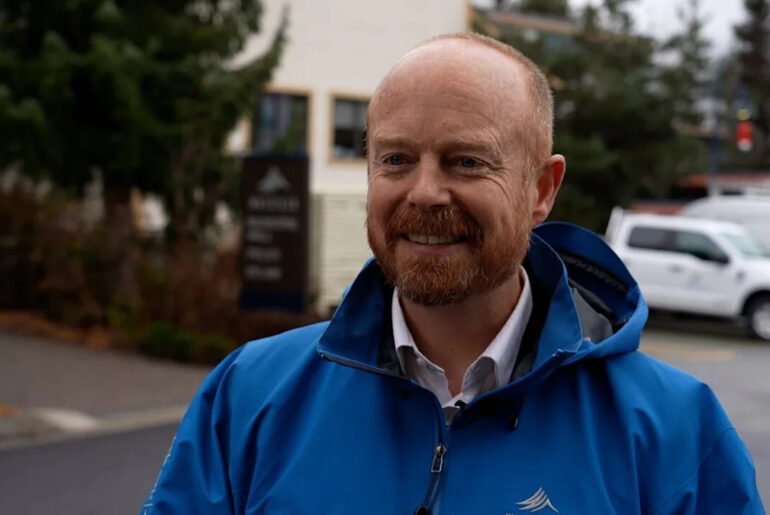
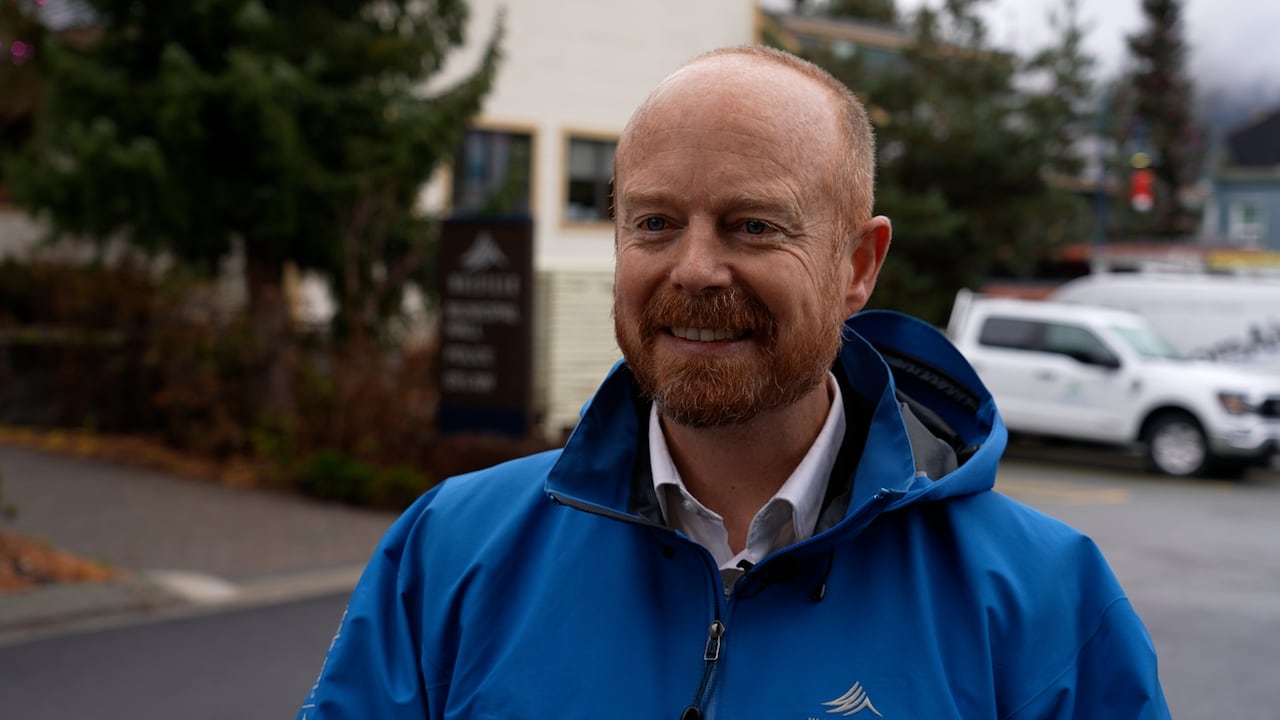 Whistler Mayor Jack Crompton is hoping the new budget will ensure that tourism pays for tourism. (Alanna Kelly/CBC)
Vail Resorts, the owner of Whistler Blackcomb, said in a statement it recognizes that council is navigating important funding challenges.
“As a trusted resort partner, we are committed to collaborating on practical solutions that prioritize community needs and position the Resort Municipality of Whistler for long-term success,” said the statement.
Fairmont Chateau Whistler said the increase may impact its golf course but, at first glance, will be minimal compared to its overall operating costs.
Thompson Rivers University associate professor and tourism department co-chair Patrick Brouder said Whistler is a unique destination.
“In some ways, they’re at the vanguard of what we might say are the future needs in tourism,” Brouder said.
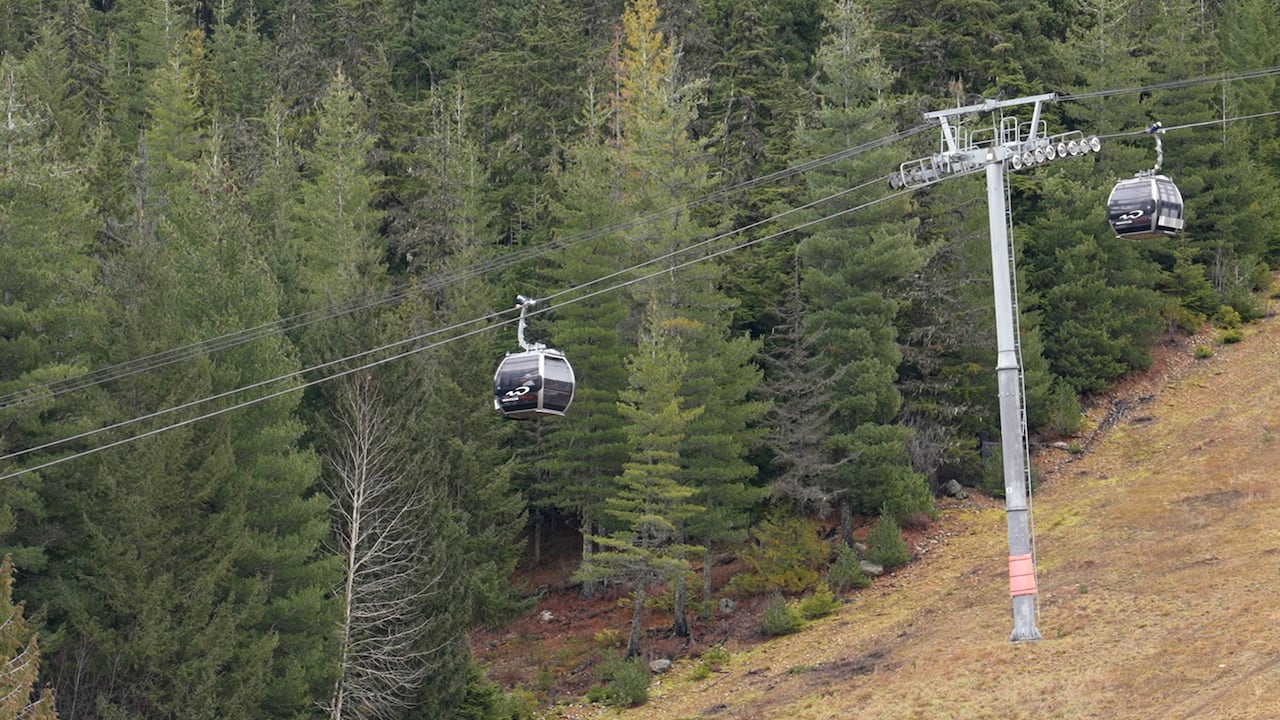 The higher mill rate for the recreational tax class would result in an approximate $1.6 million reduction in tax revenue from residential and small business properties. (Alanna Kelly/CBC)
While Whistler might be one of the first resort communities to increase the mill rate in this way, he said it likely won’t be the last.
“The challenge for all of the tourism stakeholders across the province is how do we get that balance right, between making sure we cover the hidden costs that we don’t see of tourism, but at the same time, making tourism as accessible as possible to as many British Columbians and visitors as possible,” Brouder said.
Housing economist Thomas Davidoff, an associate professor at the University of B.C.’s Sauder School of Business, said it is common to have property taxes fall more heavily on businesses than homeowners.
“The concern, of course, is that you chase away business when you tax them, and this is a very narrow tax increase,” Davidoff said. “So the key question is, is this likely to chase away new recreational businesses?”
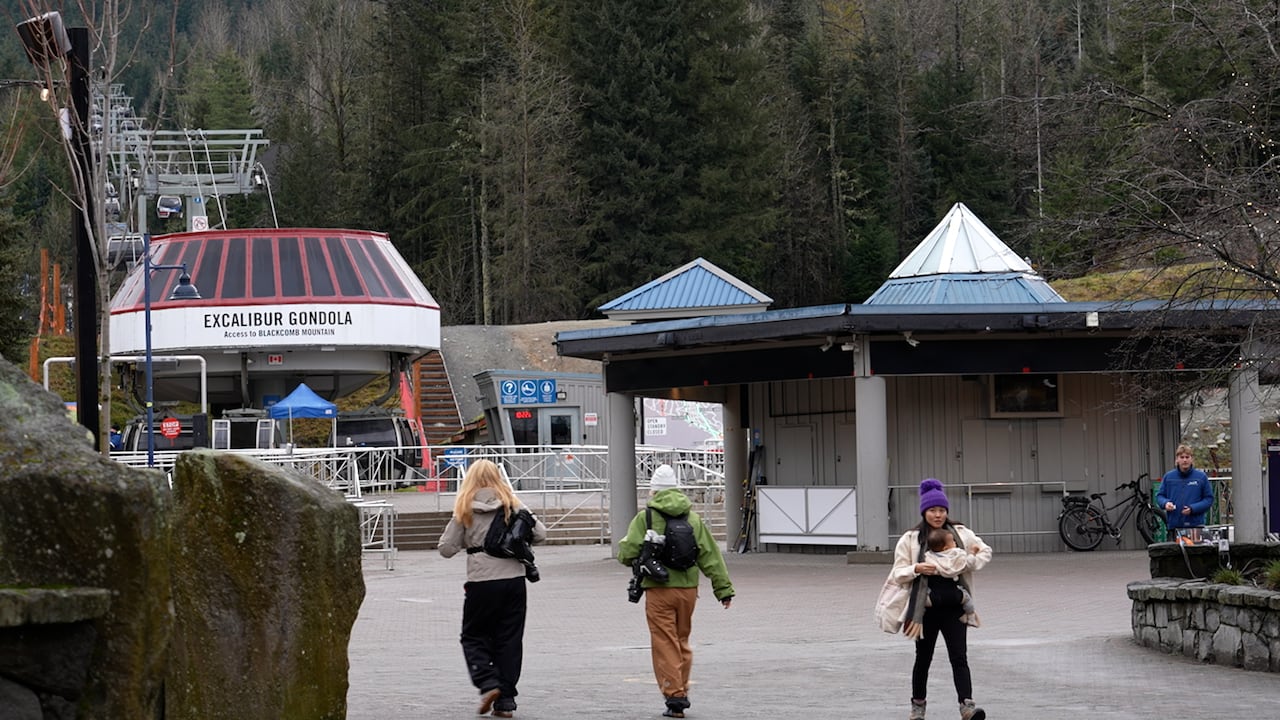 Whistler council is also considering raising parking rates. (Alanna Kelly/CBC)
Council is also considering raising parking rates, which would include raising day rates by $5 and increasing some of the hourly rates.
“The goal of that is to fund more transit for workers and to keep the products for transit as low as we can,” Crompton said.
The proposed budget also aims to address aging infrastructure.
“We have $500 million of asset replacement to do in the next 30 years, so it’s a huge cost,” Crompton said.
Council will vote on the proposed increase on Tuesday night.