
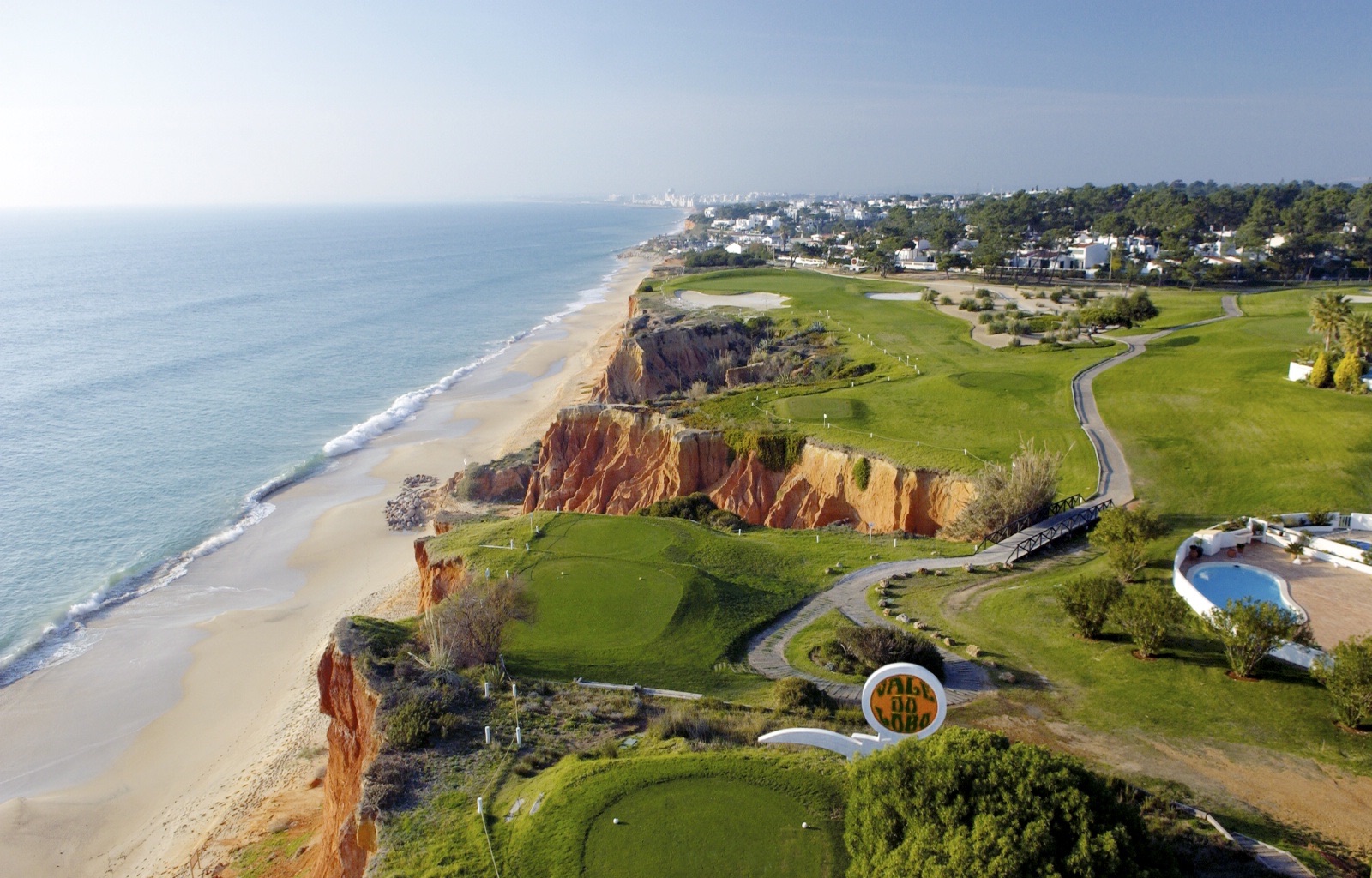
Portugal’s golf industry has a highly positive effect on the national economy and goes beyond the sporting sphere. Its impact also extends to construction, real estate and property services, tourism operations, and residential tourism.
According to a recent study, ‘Assessment of the Impact of the Golf Industry in Portugal via Residential Tourism and the Real Estate Market‘, the sector contributed a total of €760.5 million to Portugal’s economy between 2014 and 2024.
The study was presented at the European Golf Business Conference, which was held in Madeira from November 10-12 and which brought together around 150 of the world’s most influential golf professionals to discuss the sector’s future.
The analysis, carried out by NOVA School of Business and Economics and coordinated by João Duarte and Pedro Brinca at the request of the National Golf Industry Council, concluded that the golf industry is a major driver of economic and territorial development in Portugal, with significant effects on employment, tax revenue, and the value of tourist real estate.
In addition to the €760 million in total output between 2014 and 2024, the golf sector recorded €407 million in gross value added, €70 million in tax revenue, and €143 million in wages, according to the study’s findings. The impact of the golf industry on employment in Portugal is also extremely positive, with 810 full-time jobs created each year.
However, the largest share of the sector’s economic impact is in construction, representing €679 million in output and €344 million in GVA. Meanwhile, growing demand for tourist developments with golf courses, or located nearby, results in €81 million in property sales and resale activity linked to the industry.
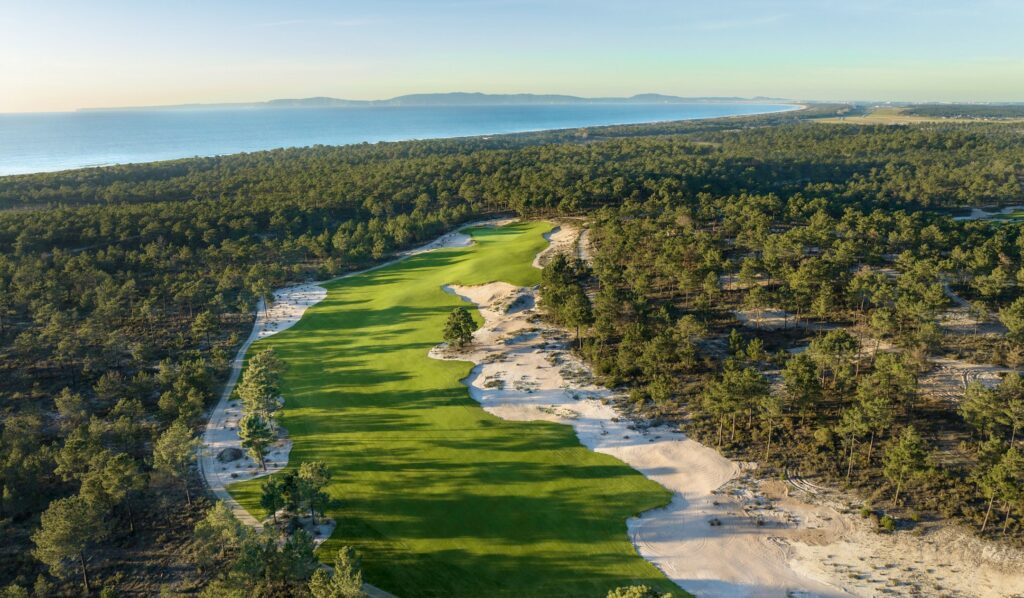 The two championship courses at Terras da Comporta, which is located south of Lisbon, are attracting more international golfers to this largely undiscovered part of Portugal
According to the NOVA SBE study, golf accounts for 12% of total construction in residential tourism and resort developments, as well as 12% of property sales mediation. In resale mediation, the share rises to 24%.
Properties located within or around golf courses increase in value by 20%, with the highest premiums for properties adjacent to or overlooking the courses, which are on average 19% higher than comparable properties outside such developments, according to European Tour Destinations.
João Duarte, study coordinator at NOVA SBE, emphasised that the results “confirm that golf is a strategic sector for the country, with structural effects that go beyond tourism and extend to construction and residential investment. It is an economic asset with strong capacity to create value and employment.”
Nuno Sepúlveda, President of the CNIG, said: “The economic and social relevance of the golf industry in Portugal has been confirmed on a scientific basis through the university-led study. The sector is now a pillar of quality tourism and a factor in Portugal’s international competitiveness, which must be recognised.”
With a view to promoting territorial cohesion and supporting golf in Portugal, the CNIG continues to work on issues such as VAT reduction, sector support programmes, efficient water resource management, and other strategic initiatives.