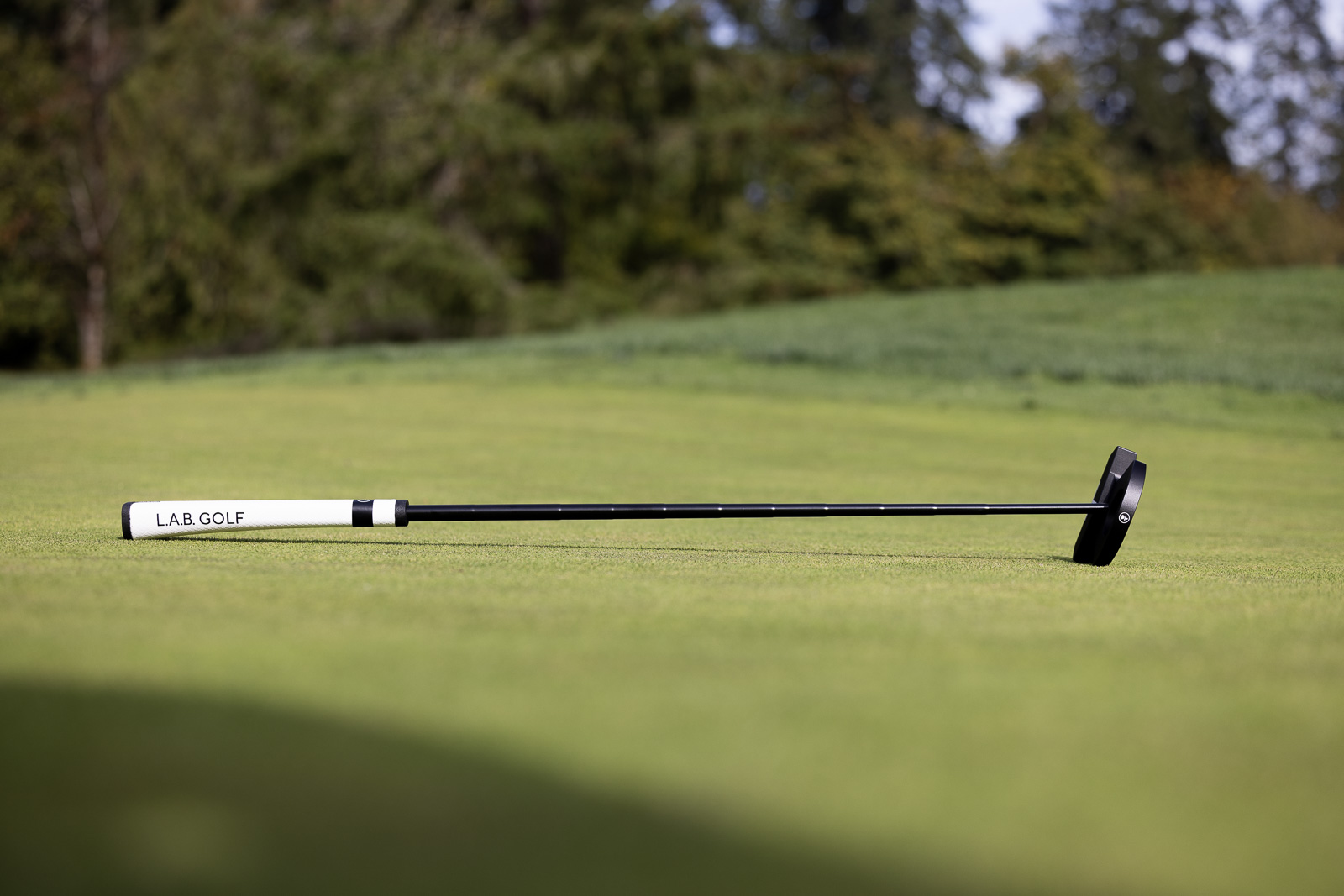
L.A.B. Golf putters have a way of polarizing golfers almost instantly.
Some people see one for the first time and think, “There’s no chance I’m putting that in my bag.”
Others roll a few putts and immediately start questioning everything they thought they knew about putting.
If you’ve made it here, you’re probably already past the shock factor. The more interesting question — and the one I get asked constantly — is this:
Which L.A.B. putter actually makes sense for your game?
Because while all L.A.B. putters are built around the same Lie Angle Balance concept, they don’t all play the same, and they definitely don’t all feel the same. Over the past couple of years, I’ve spent extended time with the DF line, the Mezz.1, and the OZ.1i HS, including a full fitting at L.A.B.’s headquarters. My opinion has evolved along the way — sometimes in ways I didn’t expect.
This guide is meant to shortcut that learning curve for you.
First, a Quick Primer: What L.A.B. Is Actually Trying to Do
At a high level, L.A.B. putters are designed so the face wants to stay square to the arc of your stroke without you manipulating it.
When they’re fit correctly, you’ll typically notice:
Less face rotation
Easier start lines
A stroke that feels more stable and repeatable
That part isn’t marketing fluff — I’ve seen it across multiple models, and it’s why L.A.B. has built such a loyal following.
Where things get interesting (and more personal) is how much help you want, and how comfortable you feel standing over the putter. That’s where the different models start to separate.
The Directed Force Line (DF 2.1 / DF 3)
Best for: Golfers who want maximum forgiveness and don’t care how it looks
The DF line was my introduction to L.A.B., and honestly, it changed how I thought about putting technology.
When I first put the DF3 in play, what stood out immediately was how automatic it felt on short putts. Inside eight to ten feet, it was almost boring — in the best possible way. The face just wanted to stay square, and I found myself making putts that I’d normally feel at least a little nervous over.
That’s the DF’s superpower.
But after a few months, I also started to notice the tradeoffs. The feel off the face is firm, and while that stability is incredible on short putts, lag putting took more time to dial in. Distance control wasn’t bad — it just required more conscious effort than I expected.
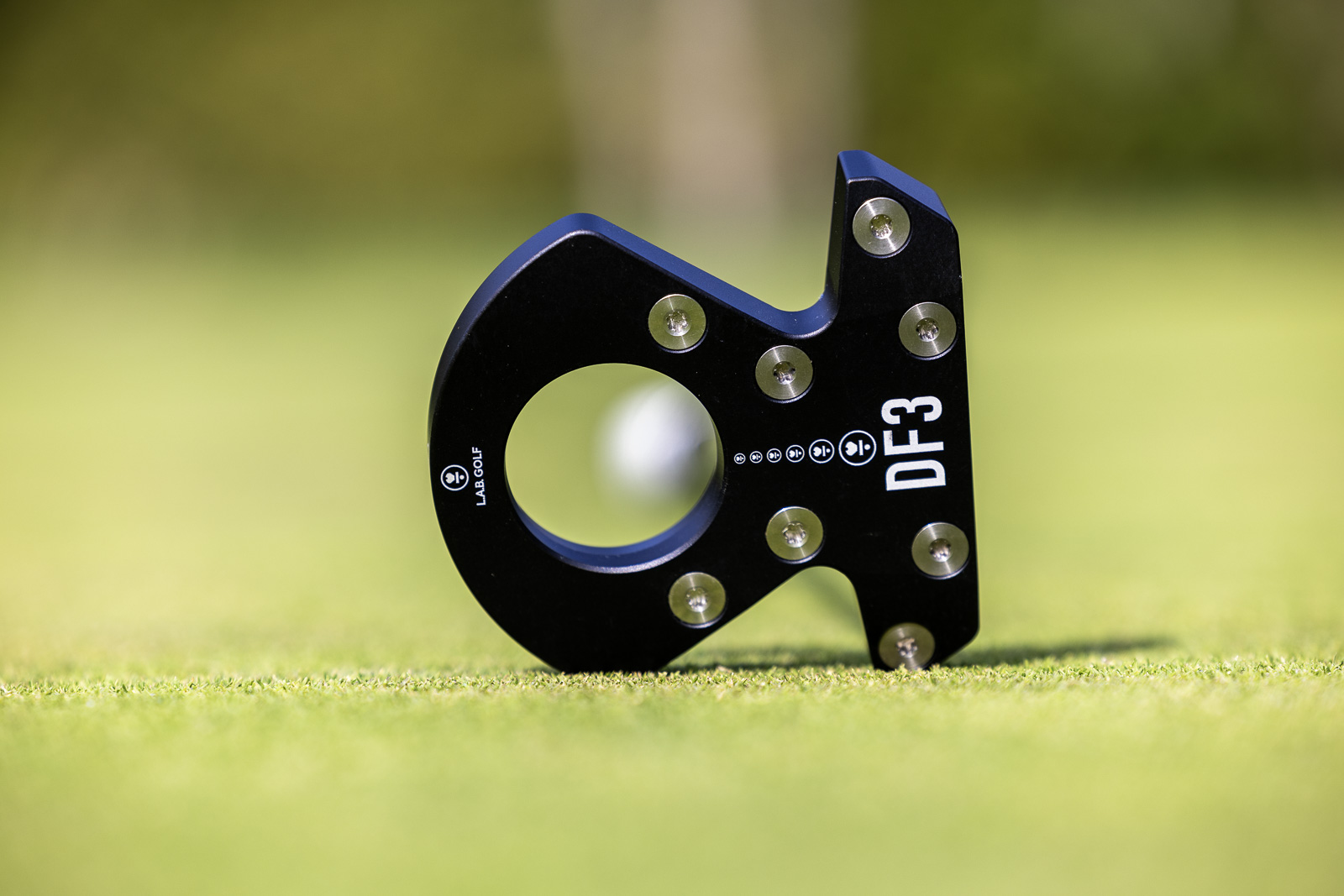 The L.A.B. DF3
Where it shines
Exceptional face stability
Outstanding short-putt confidence
The clearest demonstration of L.A.B.’s tech
Where it can fall short
Firm feel, especially on long putts
Lag putting can feel less intuitive
The size and shape are still a hurdle for many golfers
Who it’s really for
Golfers who struggle with start line
Players who miss too many short putts
Anyone who’s willing to trade aesthetics for results
If you want the maximum amount of help L.A.B. offers, the DF2.1 is still the purest expression of that idea. The DF3 on the other hand, is very close but it comes in a package that’s a bit less… extreme.
Just know that either of these asks you to fully buy into the L.A.B. concept.
My Take: LAB DF3 Review: Is it a Golf Cheat Code?
Best High-End Putter
LAB Golf DF3 Putter
The hype is real when it comes to LAB Golf. Once you dial it in, this putter really will help you hole more putts. If it’s in your budget, it’s absolutely a product you should consider.
Buy from LAB Golf
Buy from Golf Galaxy
We earn a commission if you click this link and make a purchase at no additional cost to you.
The Mezz.1
Best for: Golfers who want L.A.B. performance in a more familiar package
After spending time with the DF 3, the Mezz.1 felt like the logical next step.
It’s smaller, cleaner, and more approachable at address — especially if you’re coming from a modern mallet. In my testing, the Mezz.1 was noticeably better for lag putting than the DF line, and fitting data later confirmed that it was a better overall match for my stroke.
That said, this is where personal preference really started to matter.
Center-shafted putters have never fully clicked for me, and while the Mezz.1 did a lot of things well, I never reached the point where I completely forgot about the putter and just reacted to the target. It wasn’t a performance issue so much as a comfort one.
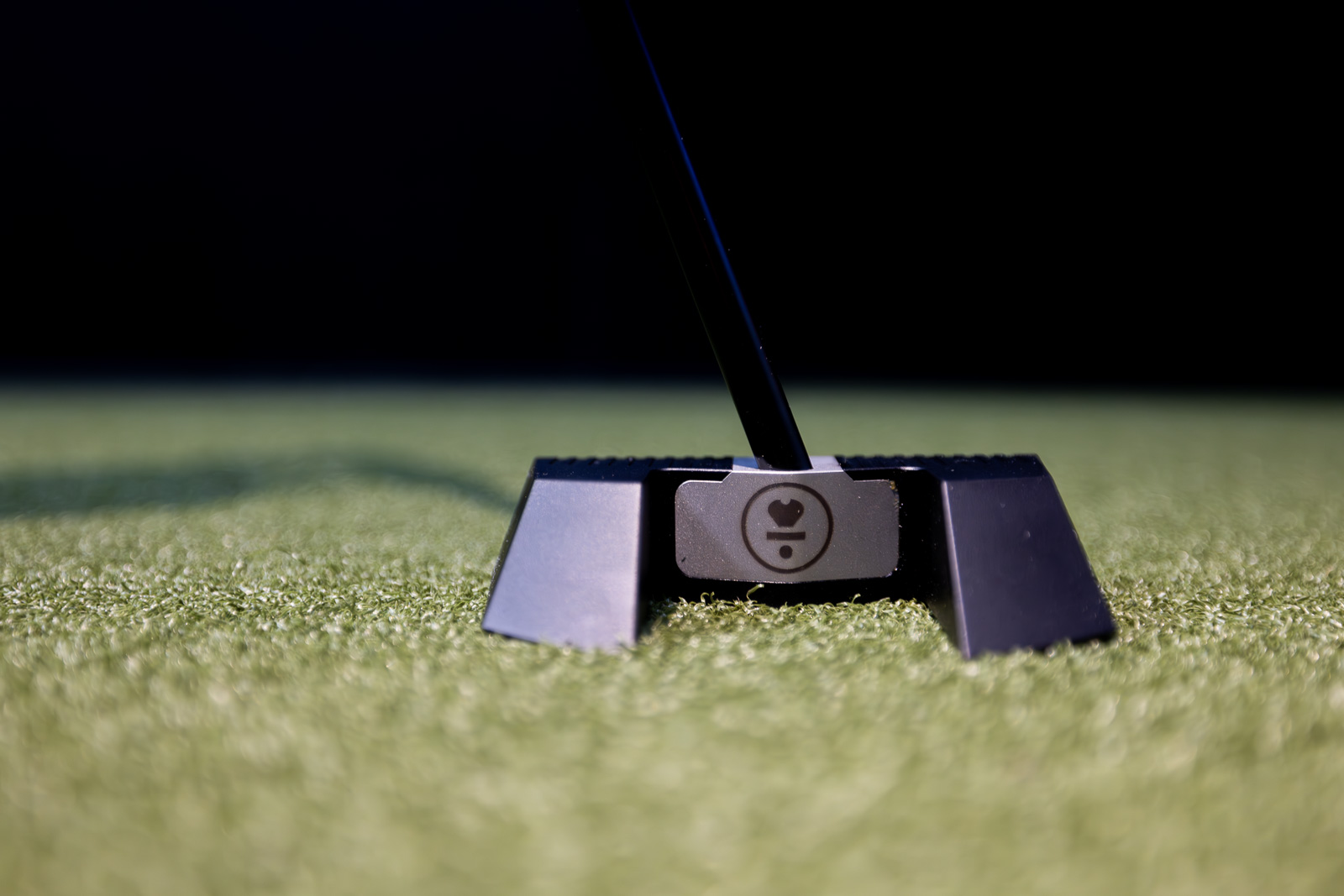 The L.A.B. Mezz.1 model I’ve been gaming.
Where it shines
More balanced feel on long putts
Easier visual transition than the DF line
Still delivers meaningful L.A.B. benefits
Where it gives up ground
Less forgiving than the DF line
Center shaft isn’t universally loved
Doesn’t disappear at address for everyone
Who it’s really for
Golfers curious about L.A.B. but hesitant about the DF shape
Players coming from mid-mallet designs
Anyone looking for a “safe” entry point into L.A.B.
Even though it wasn’t my long-term gamer, the Mezz.1 is probably the L.A.B. putter I’d recommend to the widest range of golfers — and that says a lot.
My Take: Is the Mezz.1 Better than the DF3?
LAB Golf Mezz.1 Max
If the DF3 isn’t for you, then you might consider the Mezz.1 MAX. It’s a different look that we’ve found easier to line up properly, and it’s proven deadly on the course. Downside? It ain’t cheap.
Buy from LAB Golf
We earn a commission if you click this link and make a purchase at no additional cost to you.
The OZ.1i HS
Best for: Golfers who want L.A.B. performance with a traditional look and better feel
The OZ.1i HS is the putter that finally brought everything together for me.
On paper, it didn’t seem like it would be that different. In practice, the heel-shafted design and more traditional look made a massive difference in how confident I felt standing over the ball.
Over roughly ten rounds, it became clear that this was the most well-rounded L.A.B. putter I’d tested. Short putts were still rock solid, but lag putting improved dramatically, and the feel off the face was noticeably better than earlier models.
It didn’t feel like I was forcing myself to adapt — it just felt natural.
 The heel-shaft configuration of the OZ.1i HS.
Where it shines
Excellent distance control
Softer, more responsive feel
Traditional look that inspires confidence
Still very strong inside ten feet
Where it’s not perfect
Stainless feel is improved, but still firm compared to some inserts
Price and build times are real considerations
Proper fitting matters more than ever
Who it’s really for
Golfers turned off by center-shafted putters
Players who value feel and lag putting
Anyone who wants L.A.B. tech without the extreme visuals
For my game, this has been the best L.A.B. putter so far — not because it’s perfect, but because it struck the best balance between help, feel, and confidence.
My Take: My Oz.1 HS Review
LAB’s First Heel-Shafted Putter
LAB OZ.1i HS Putter
Finally, LAB releases a heel-shafted design that still incorporates the lie angle balance technology that’s made them the most hyped brand in golf. This is the LAB I’ve been waiting for, and it’s the one that’s worked best for me.
Buy from LAB Golf
Buy from Golf Galaxy
We earn a commission if you click this link and make a purchase at no additional cost to you.
A Quick but Important Note on Fitting
One thing I’ll always emphasize with L.A.B. putters: fit matters.
Remote fitting will get most golfers 85–90% of the way there, and that’s plenty for many people. But my in-person fitting helped explain why certain models worked better for me, especially when it came to distance control and roll.
These putters aren’t magic — they just work best when the setup matches your stroke.
Here’s the full story of getting fit for my recent LAB putter.
So… Which L.A.B. Putter Is Right for You?
Here’s the simplest breakdown:
You want maximum forgiveness and don’t care about looks → DF 3
You want a balanced, approachable introduction to L.A.B. → Mezz.1
You want L.A.B. performance with a traditional look and better feel → OZ.1i HS
None of these are universally “better.” They’re just optimized for different golfers.
And that’s really the point.
L.A.B. isn’t about finding the best putter — it’s about finding the right amount of help for your stroke. If you get that part right, the technology tends to take care of the rest.
This page contains affiliate links. This means that if you click a link and buy one of the products on this page, we may receive a commission (at no extra cost to you!) This doesn’t affect our opinions or our reviews. Everything we do is to benefit you as the reader, so all of our reviews are as honest and unbiased as possible.