

Journey at Pechanga
Scott Kramer
Not sure about how it is in your part of the country, but out West we have a pretty good selection of Native American-owned golf courses that are increasingly earning accolades and capturing the hearts of golfers. Many are offered as a complement to upscale casino, hotel and dining options. I’ve had the opportunity to play quite a few over the years, including three in the past two weeks. And I’m impressed – not just with the courses but by all of the history behind them. Many have artifacts between holes that golfers can check out. I usually take a few minutes to read the placards and learn some interesting facts.
This past weekend, I ventured to Temecula, Calif. – which is in Southern California’s Riverside County – to play a couple of courses that are owned by the Pechanga Band of Luiseño Indians.
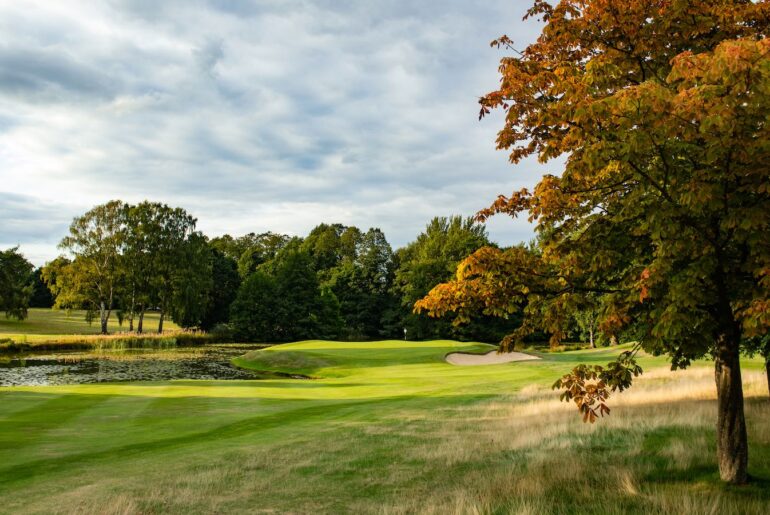
The first was Temecula Creek Golf Club. It’s a 27-hole layout with a diverse golf experience across three distinct nines: Stonehouse, Oaks, and Creek. Each has its own unique character, from tree-lined fairways to more open, links-style layouts, ensuring variety and replayability. But as a whole, the golf experience is consistent. The course is known for its playability while still being challenging to most players. That of course makes it a favorite for better players and hacks, alike. And you will likely see both ends of the spectrum on the course. The day we played, there was a junior tournament going on but also groups full of couples, golf bros, and retirees. It’s a diverse mixture of golfers. As if the course’s mature trees, strategic bunkering, and well-kept fairways aren’t enough of an attraction, the greens are always super smooth and roll faster than they look. The tribe purchased this course seven years ago, and I can tell the difference in turf conditioning since that sale. It’s the second time I’ve played here in that time, and a far cry from the old, tired grass. There’s a quaint hotel on property, as well, and the Cork Fire Kitchen restaurant above the pro shop is simply outstanding for every meal – with plenty of atmosphere.
You don’t find this between golf holes on every course
Scott Kramer
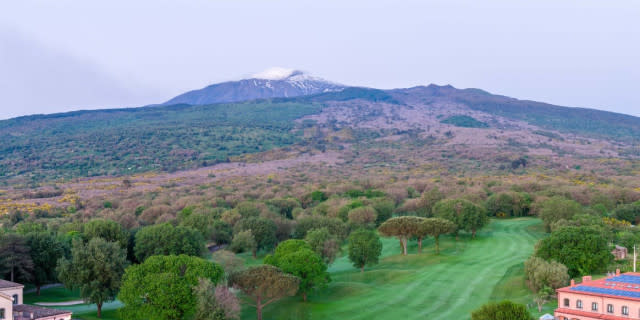
I also got the chance the following morning to play the Journey at Pechanga – which is maybe two miles away. Nestled amidst the breathtaking rolling hills of the Pechanga Indian Reservation, this course is an E-ticket thrill ride. Designed by the acclaimed team of Arthur Hills and Steve Forrest, the Journey masterfully integrates the natural topography, with dramatic elevation changes, stunning mountain and winery views, and excellent routing that makes you use all of the cubs in your bag. Scratch players to hacks will love this course. Our group had everyone from low, single-digit players to my wife who has played only a handful of times in her life, and everyone had a great time. The staff’s commitment to excellent conditioning translates to pristine fairways and greens. Some of the dramatic drops mean you’ll be able to brag to your friends about hitting a 300-yard drive. But looking past the golf, Journey is also a serene parcel of property. The day we played, we could see for at least 20 miles in each direction. And nestled in between some of the holes are Kiicha huts made of what looks like straw. It all makes for a truly fun and educational round. Afterwards, while my wife got a relaxing massage at the highly acclaimed Pechanga Spa inside the adjacent hotel, I ventured into the casino to watch football.
Part of the Journey
Scott Kramer
Which got me to doing a bit of research on this whole concept. Native American tribes have invested in entertainment and hospitality for years – but the golf aspect was largely fueled by the economic success of the Indian Gaming Regulatory Act of 1988 that’s since let tribes hire top course architects. I’m stoked that golf has emerged at an estimated 80 such locations around the country. These ventures are more than just economic engines for tribal communities; they’re a gathering of pride, culture and a dedication to delivering fantastic, luxurious guest experiences. I’ve played other such courses, such as Barona Creek near San Diego, Circling Raven in Idaho, and We-Ko-Pa near Phoenix. And some of them consistently make various Top 10 lists, because of the quality of the courses, amenities, and attention to detail. Apparently, these facilities embrace a concept to focus purely on the golf experience, often utilizing expansive tracts of land to follow the natural topography – rather than cram 18 holes in-between housing developments. Maybe that’s why the courses I’ve played seem to flow so well that result in relatively fast rounds. Plus, their high maintenance standards and relatively reasonable green fees means an exceptional value for local and visiting golfers.