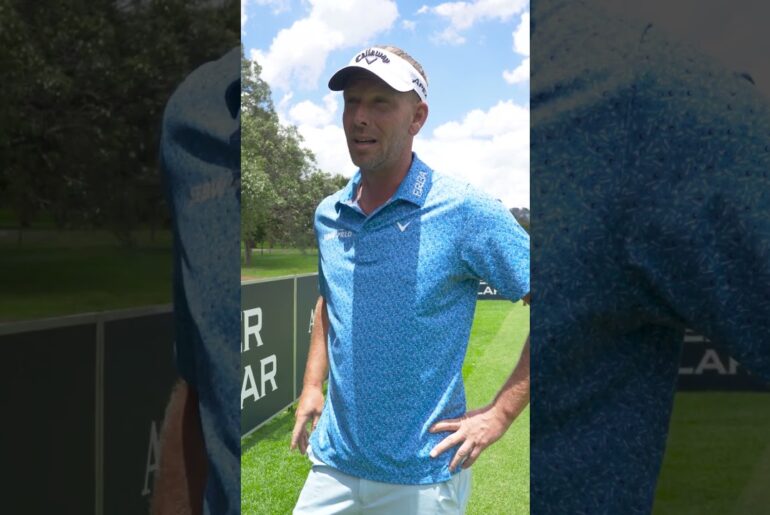
This week, Jimmy is joined by Wake Forest Golf Head Coach — and member of the legendary Haas golf family — Jerry Haas.
From growing up in a dynasty of champions and watching his uncle, Bob Goalby, win the Masters green jacket, to carving out his own path on tour and now shaping the next generation of stars, Jerry has seen it all.
Tune in and enjoy the ride as Jimmy and Jerry relive unforgettable moments from a life lived inside the ropes. ⛳️ 🔥
SUBSCRIBE to the Orange Whip Golf & Fitness channel to see more professional golf instruction, hitting drills, speed training, and golf fitness programs.
COMMENT below to let us know what questions you have or if you need help with any swing tip.
FOLLOW US on social media @orangewhipgolf
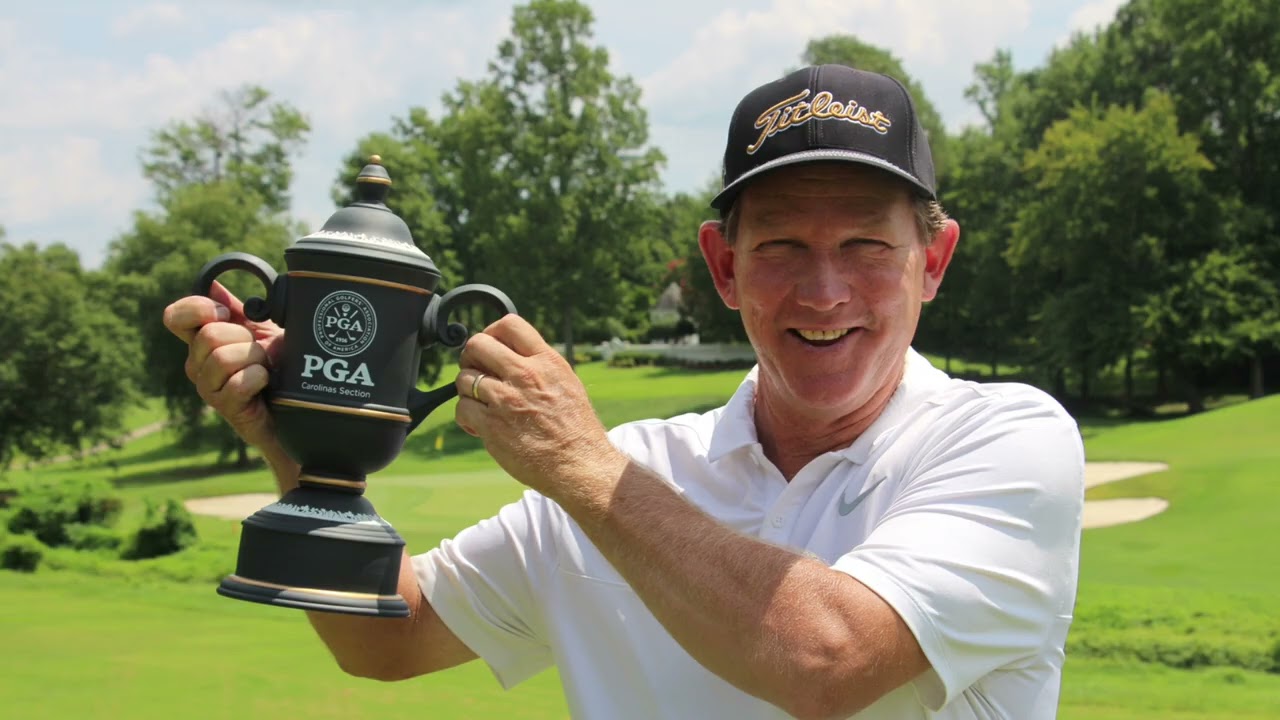
[Music] Everyone, welcome to Whip It Good with Jimmy Hack. Joining me today is a great guest. He’s a buddy of mine. We’ve played some tournaments together. His name is Jerry Haw. Jerry is the head men’s golf coach at Wake Forest University. He’s a former player for the Demon Deacons. And you were an all-American while there. Plus, you were a I think you were Walker Copper in 1985. You then played the tour for a while. So, he’s lived an illustrious golf life and he’s been around the block in the golfing world. So, I’m lucky today. Just ask some questions, talk about golf, talk about how it all came to be. So, Jerry, tell us a little bit about your background. When did you start the game? How did you start? Let us know what uh what got it all going. Jimmy, um I love the name of the show, Let It Whip. Great, great song there by DVO. Exactly. Right. Yes, sir. Um, well, first of all, proud of you what you’ve done with your company and you know, like myself, we both love golf and uh my uncle Bob Goldby, the 1968 Masters Champion, who is my mother’s brother. My mother just celebrated her 99th birthday back in Belleville, Illinois. Wow. I went home last week and uh It was a great time. My uh my father who passed away of of a stroke, but his twin sister just celebrated her 100th birthday in early September. I mean, crazy crazy. It’s uh people are living longer. I’m not sure they want to, but they are. Uh but anyway, my uncle Bob Goldby was a great player and um he basically was an 80s shooter when he came out of the army and uh he took Ben Hogan’s five fundamentals of golf and laid it on the ground and then he put a bed sheet over the clothesline and he tried to emulate everything he saw in the book and he’d hit balls about 10 15 feet and they would just fall to the ground and his parents said, “Man, there’s something wrong with our kid here.” But he was a great athlete. Bob Goldby was. He went to Illinois on a football scholarship as a quarterback and um big strong guy and he ended up just falling in love with golf. He didn’t turn pro till 27 years old and uh 6 months later he won the Greensboro Open over here at Star Mount Country Club. He birdied the last two holes to beat Sam Sneed by a shot, Art Wall, Champagne, Tony Lima, and Don January, and I don’t know who the fifth one was, but when they put his name up there at 10 under, Sam Sneed said, “Who the heck is Bob Goldby?” And uh they became great friends after that. So, he taught me in those formative years. My brother Jay uh has made the most cuts in PGA Tour history, 592 cuts. Wow. uh a record I don’t feel will ever be broken because guys just don’t play as much anymore. And he told coach Haddock about his nephew Jay Hos. He ended up at Wake Forest. I’m 10 years younger. So I’m 12 years old. My brother’s already on the tour. And then my uncle Bob taught me in those formative years. He was a a wonderful instructor in the fact that you know he al used to talk about tall through the ball. You got to be tall through the ball if I heard that once. and he worked on my grip and things like that. But what he was basically saying is what they say today, you got to work from the ground up. You know, you have to uh you have to that hip has to fly open. But everybody kind of did that. They just didn’t know kind of what they were doing until we’ve kind of broke it down a little bit more. But they, you know, they he he played with Hogan and Sneeed and Nelson and Casper and Nicholas and Palmer and Tino. He played against them all and was a great player. um but got started late in life and um then he was very influential on the Champions Tour getting that started. So I had no choice. I’ve got my uncle who’s my A player. I got my brother Jay who’s uh made the most cuts in history, my B. And then I got the FedEx champion Bill Hos as a C player. So I’m a pretty strong D player is what I am. Well, you mentioned Bob was a great athlete, Bob Goldby, and I uh I did a little research. He also in high school was a pitcher and a catcher which is a pretty impressive and imagine how fast he must have been to throw the pitch and then still get there and catch be there. That’s good. And he also played basketball and you know he said back in the day when he was in high school, you know, golf was kind of a sport. You didn’t tell people you played golf. And believe it or not, they won the state baseball championship in I don’t know somewhere in Illinois. And his buddy from Belleville, Illinois, the golf team came up to Peoria on a bus. He caught a bus and went over and met him. Hadn’t played all year, shot 72, won the state high school. So right after they’d won the baseball championship. So he was he loves sports and was a great athlete and uh just a unbelievable mentor for both my brother Jay and myself. Wow. And actually you had told me a story once when you were a kid cuz you said Jay’s 10 years older than you. Is that correct? Correct. You told me something that that once in a while they’d go out to this field and hit balls but they’d have you with a baseball mitt catching shots they were hitting at you. Now tell us tell us about that cuz that’s a very interesting experience I got to believe. How old were you then? Uh I was probably 8 10 years old. Uh maybe a little maybe 11 12. But I would go out there because we grew up at St. Clair Country Club in Belleville, Illinois. Uh right kind of across the river from St. Louis. We got to play Old War and St. Louis Country Club and Bell Reeve and all these great courses in St. Louis on Mondays when they were closed for junior program. But I would go out there with a baseball glove and then my uncle would hit and then my brother would hit, you know, and they they’d whistle at me to go back and move over and there was no driving range at at St. Clair. We just played every day, but he they would go onto a hole and I had my baseball glove and I later played high school baseball as a center fielder. And I figured if I can catch that little golf ball, I can surely catch a baseball. So, u Oh, that’s it was great because I I told you this. You’re from a distance, but you’re watching beautiful motion. You know, they go up and they’re on plane and they come back down. Good balance almost right to you one after the You didn’t see bad movement. So, as a kid, you’re like, “Oh, I see how the swing supposed to go up and then come down.” So, I mean, I think think all the time, Jimmy. I mean, how lucky was I to have not only one great player in the family, but two great players to kind of guide you, show you. It was I’m really lucky. Ah, that’s awesome. And you know, previously he talked about his first win at Star Mountain Country Club. If I’m not mistaken, you won one of our Carolina’s event there not so many years ago. Is that accurate? That is correct. 60 years later, almost to the day I won. And uh I shot 63 the first day with no fives on the card. I made birdie on the last. I was saying, “All right, come on. No fives.” And I called him up and I’m like, “Man, you shot 10 under for three days.” I said, “I just shot eight under for one day.” I’m like, “Man, I thought you were pretty good.” He he really liked that. But I took a picture in the lobby there kind of down by the locker room of him holding the trophy and then me holding the trophy. It’s one of my favorite pictures. But uh I really wanted to win that week and then the next day I somehow shot 71. Then I was fortunate enough to play okay the last day and bring it home. So ah that’s awesome. Nice win for me. Hey, so we were talking about golf and sports and athletics and especially your uncle uh tremendous athlete. you as a head golf coach at a at a premier university golf program when you’re picking out kids, do you look for kids who play other sports? You stated you played baseball in high school or nowadays do kids are they so specific in their game that they don’t even play other sports? So, how does that work for you as a coach recruiting kids and athletes? I I tell you, you hit it right. I I love kids that play other sports to be honest. And it it in many ways it rounds them a little bit more. they’re not burned out on golf when they get here or they’re not burned out on their sport. But, you know, it’s hard for parents because today they want them to be specialized because that’s their best opportunity to get a scholarship or to be able to play their sport in college. And they often have time have to choose. I mean, I I played golf in the summer, then I we had golf for fall and then I went right into basketball in through the winter and then went right into baseball and then I didn’t play golf again until So, I was lucky enough I won the state high school and coach Haddock gave me the Arnold Palmer scholarship to come to Wake Forest and uh I had it for one year and people are like, “Oh no, what happened?” Well, Coach Hadtie came to me and said, “We got a chance to get Billy Andred, the best junior golfer in the country from Rhode Island. Would you give up your Arnold Palmer scholarship? We’ll put you on the Buddy Worship.” And I’m like, “Absolutely.” So, I had it for one year. But, uh, I I do love good athletes because I think they they know how to compete maybe a little bit better. They’re, uh, their whole body is wellrounded. I always think of Christian McCaffrey. He said he he ran the track for the straight ahead speed and he ran the he played basketball for the vertical and he he did, you know, he did many different sports to try to make him better in his sport that he chose football. Well, even like we were talking about just launching from the ground like your uncle would do that. I mean, you’ve got to have that in many other sports. That’s a big aspect to the game. So, yeah, I’m glad to hear that because I’m and I’m glad to hear that there are some kids who still do play multiple sports. That’s a Yeah. And I, as I’m recruiting them, I encourage it. You know, I uh I always say to him, you know, oh, I don’t know if I’m going to play basketball. I’m like, oh, you you only get to be in high school, play basketball. You know, if you love basketball, play it. If you love football, play it. If you love baseball, play it. Um, you got plenty of time to work on your golf game. Good. Hey, so I got another question regarding recruiting and I’m going to use a story that you and I were a part of together and it was actually the first time we played golf together and but I want to well I’ll go to with recruiting in a moment with this. So I’ll set up the story. We were playing in the final round of the Carolina’s PGA section championship. It was at in Charlotte. It’s now Trump Charlotte. I think it it had a different name back then. It was called the point. Yeah. Yeah. Exactly. Yeah. and we were playing together and we were both in a position where if we finish well, the top 10 or so from our section go to nationals. So, that was a high objective of mine and it was my very first uh Carolina’s PGA section championship as a new member here. I was in the New England section before. Yeah. Anyhow, so we’re playing and I’m not having a great day, but it’s not bad, but it’s just kind of drift drifting away. I think you you qualified easily, but I I think I was drifting. But there was still a thought where maybe if I can birdie this last hole and I remember I hit it over the green and it was a weird situation where the it was the green then the fringe and then basically this like foot long tall grass just a whole row of it for really no apparent reason other than to frustrate me I guess. And I and I stubbed a few chips in that and then I finally bladed one pass and ended up making like a triple. And I mean I would have had a birdie or eagle. I think it was a par five to to make it. Well, anyhow, I lost my cool and I started swiping like like you like a hay bor just trying to so I hit through some grass and I kind of lost my mind for a moment and I feel bad to this day about it very awkwardly. But you’ve you kind of made me feel better and kind of jokingly said, “Hey, you know, it’s no big deal.” you know, you kind of calm me down a bit, but anyhow, what I’m getting to is I generally don’t lose my head that often, but when you’re watching a kid at a tournament and you start to see them, do you do you do you keep away from a hot head or do you sometimes say, “Well, this kid’s got passion.” So, how do you handle that when you see a kid at a when you’re recruiting them, watching them play before they come to college? Yeah, that’s a great question. you as a coach and a recruiter, we want to kind of we don’t mind sometimes if we go watch them and they play poorly. Uh they don’t want to do that. They don’t want to play poorly. The parents don’t want them to play poorly, but that kind of shows us kind of who he is, what’s going on. Um I mean I you’ve thrown a club. I’ve thrown a club. We’ve all been We’ve all quit this game and now we’re going to love it. Now we quit, you know. So yeah, I I what you would do then, Jimmy, is do a little background check and find out from the local pro where he plays or so or maybe the person that runs that junior section and they say, “No, no, he’s a really good kid.” Cuz cuz we all have our moments and you don’t know what happened, you know, is on the way to the course or something happened the night before. You don’t know why he’s a little bit on edge. And uh so I I love that passion. you you got a better chance with that kid to kind of channel that in the right direction than you do the kid that just doesn’t look like he’s cares to be there. Yeah. You know what? And there’s a lot of people like that, too. They have talent, but they just don’t care to be there. And that’s got to be really tough to coach, I would imagine. I actually did a thing last night. I went over to Carolina Country Club with Webb Simpson and Ted Keagle, the head pro over there, and we did a little question and answer and just talked about golf and, you know, Web’s career and this and that and and and I’ve said this many times, it takes a lot to be a great player in this game of golf. You know, everybody’s like, “It’s all mental.” Well, it’s not all mental. It’s maybe 1% mental. You physically have to be able to do it. You have to be able to chip. You have to be able to putt. You have to be able to think. You have to have composure. You have to do all those things. Then you have to have some length. You have to have some strength. You have to have, you know, there’s a lot that goes into being a good player. And people just think, oh, you know, it’s going to I’m just going to roll out there and it’s be good. It it takes time to develop who you are. Um I saw somebody breaking web swing down the other day and they had all the lines and he’s cuppy here and there. And I I always think of something that my brother Jay said. If you’ve got a good swing and it’s your swing, Jimmy, or it’s Jerry’s or general public out there, if you can produce the shot you need to hit under pressure, then you have a good swing. It might not be appeasing to the eye, it might not look great on camera, but if it goes where it needs to go when the heat’s on, then you have a good swing. And I would say that’s Web Simpson to US Open champ, players champ, $43 million playing golf. Yeah, that guy, he knows what he’s doing. He may not look like it to you and me, but he knows what he’s doing. That’s a great point. So, you had mentioned that you were talking about your nephew Bill, FedEx Cup, FedEx Cup champ, but he also played for Wake Forest. Uh, and currently your son Kyle is playing for you. What’s that like for you? Family members that you are coaching. That’s a that’s a tricky one. you know, they uh obviously Bill won 10 times here at Wake Forest, was a first team all-American three years and uh you know, won the Haskins award as player of the year. So, uh if the van was running and he wasn’t in it, I had a big problem. I needed Bill House in that thing. Uh my son Kyle, I’m I’m really proud of him. He’s a junior this year and he’s really gotten better kind of every six months and uh played every event this fall and counted all but one round and he’s got the third best stroke average. So I I treat him he’s not going to get any preferential treatment. I’m not going to pick him over other guys if he doesn’t deserve it. You know, basically it’s harder on him. He’s got to qualify. He’s got to do this and that. He’s got to finish there. Um but he’s turned into a very consistent player. He’s a wonderful chipper and putter and um he’s starting to get the long game now that’s starting to to match it up. And I I’ve said this and you know this the the swing owns us for many years and then eventually we kind of own the swing. You know, we kind of figure out who we are. We get stronger. Michael Brennan, I don’t know if you saw that last week, Wake Forest golfer just out, 23 years old, wins his first tour event as a pro in Utah. And he he had 50 of 56 fairways, averaged 364 off the tea, uh 22 under. He wins by five. But I look through my phone on the plane riding home and I can see what we’re seeing now, but man, it it it was kind of the same motion, but it didn’t have the strength. it didn’t have the it did wasn’t cleaned up, if you will. It wasn’t perfected, but he worked really hard to get there. And uh that’s just as a coach, that’s awesome to see because, you know, you often look through through old pictures, you’re like, “Wow, I I thought I swung pretty bad back then, you look at like, I swung pretty good back then.” So, Well, you know what’s interesting? I knew about the distance he had, but I didn’t know he hit 50 of 56 fairways. That blows my mind to hit it that far and in play. Yeah. and he said he only hit it in the rocks one time and that was his second shot on the last hole. So, uh knowing Michael like he is, uh he’s like that really made me mad, coach. I hit it in the I said, “Yeah, I know. Get it on the green two putt it and uh victory is yours.” And uh he’ll do really well if he if he stays healthy like any sport, you know, guys are great in their sport if they if they stay healthy. And uh he loves it. Uh he won eight times at Wake Forest. He won two ACC titles. So, it it’s a great progression of golfers. You don’t see many that weren’t very good as juniors or weren’t very good in college that all of a sudden tear it up. They they’re good junior players and then they’re good college players and they play well in the summer and then they play, you know, it kind of just keeps transitioning. So, I I I got to throw this in. I spoke to Lanny Watkins yesterday and he was telling me about he said that the Fred Haskins ward was kind of invented because of the year he had in 1970. He won the Western Amiter. He won the Virginia State Amiter. He won like the Richmond County Amiter. He won the US Amiter. Um he won the Transmiss. Um he won one other big amateur tournament. Then he was runner up at the Porter Cup, runner up at the NCAA, runner up at the tour event down at uh at um where my uncle Bob Goldby actually won at Hilton Head. So it was almost unbelievable. And he got nothing for that. Like, hey, nice playing, but no award. No. So anyway, so just talking to him yesterday was uh just how great of amateur career he had and then obviously a great professional career in the Hall of Fame. So Wow. Yeah, that’s impressive. No, did he play for Wake? He did. Oh yeah. Yeah. Yeah. That’s right. That’s right. Yeah. He was part of those great teams way back. Yeah. Yeah. He was back in the late 60s, early 70s with Eddie Pierce who runner up seven times on the tour and just a fantastic player and uh Joe Inman and then it went from there to Curtis and Curtis Strange, my brother Jay, Bob Bman, the US Junior champ, David Thor from Reedsville. Man, talk about a guy that could score his ball and um shot 69 68 about every day. So, what a team they had. And then I was lucky enough to go with Billy Andred here in school. And it’s just kind of gone on and on and on. And uh uh I’ve only had five kids not graduate in 28 years. So I’m that’s probably my proudest uh and about three three of those guys turn pro. So um which is fine. Hey, you mentioned David Thor could score his ball. I remember probably five six years ago I played with him in the South Carolina Senior Open at TPC Myrtle Beach. Uh I ended up shooting 76. He shot 75. He We had a beer afterwards. We’re talking. He goes, “Jimmy, if after your first two shots in every hole, I took over around the greens, you would have shot 68 today. And if you would have took over for me, I would have shot probably 82 or three.” I love it. And he’s he’s telling the truth there, Jimmy. Telling the truth. And it was very accurate because I did I did it pretty well, but that guy can score. And he can get it. He can’t. And And that’s a uh let me just That’s a great lesson for any player out there. uh an amateur golfer, a junior golfer, I always tell the kids here at Wake, when you’re done with your round and you’re laying in bed at night, be realistic. Say, you know, I was in the fringe there on the par five, 25 ft away in two and I made par. You know that on a good day, that’s a birdie. Um and then kind of go through your round and then you know really where you’re at as a player. you might have shot 74, but like you’re just saying, it could have been a 68 or nine because often times we look at that score and we think, man, I’m terrible. I’m threwing this wrong. But if it’s just cleaned up just a little bit, and I’m not talking hole in bunker shots or making 50footers every hole. I’m just trying be realistic about I three putted from eight feet. Probably shouldn’t do that. And and then you kind of get a good grasp on your game. If you shoot 90, you say, “Man, I could have had 84 today.” And then all of a sudden you think, man, I might could break 80. Who knows? So, say you’ll So, you grew up in Belleville and that’s basically a suburb of St. Louis. Is that correct? Or near It’s just uh just across the river. It’s in Belleville, Illinois. Uh 45,000 people. 109 singles titles in tennis. Jimmy Connors is from Belleville, Illinois. Yeah. He used to come to the the health club in those full gray sweats, bottoms and tops, and then he would go into the sauna for 45 minutes, and he would stretch in there, come out just soaking wet. Then he’d get on the Versa Climber for another 40 minutes. Then he’d get on the tread, the the stairmaster that came out, and he’d do that for another, then he’d go back into the sauna and stretch. And that was his workout. And if you remember the unbelievable run he made at the US Open when he was maybe 35 39 something like that. So um he he really worked hard at but he’s he’s from Belleville Illinois. Nice man too. I’ve uh I played a lot of golf with Jimmy. Did you uh did you play any golf with Jay Deli? I know he’s a couple years older than you but he’s from that same area and I’ve become good friends with Jay and he’s a wonderful guy but I imagine you had to run into each other back then and on tour. We did. Yeah. because of that. We were the only club from Illinois that was in that St. Louis District Golf Association, but Jay was a little older than me, but I just spoke to him the other day. He just wrote a book and u it’s good. It’s a good read. I I knew I loved it because I knew everybody was talking about him. I’m like, “Oh, yeah. I remember that guy.” So, um but yeah, he was his father was a great baseball player and um yeah, so Jay Jay’s a Jay’s a good man. Good family there. I played a lot more with his brother Bart Deling who was maybe I met Bart as well. Yeah. Yeah. Bart was a crazy man but he was a good he was a talented player. Wow. Say uh so you you um you played on the Walker Cup in ‘ 85 with a couple buddies of mine on that team. Mike Pelac from North Dakota. Oh yeah. Who was my hero growing up and then Sam Randolph who I’ve gotten to know since I started Orange Whip. So that must have been a great experience at Walker Cup. Yeah. People ask, “Have you ever played Pine Valley?” I’m like uh yeah. six straight days in the Walker Cup, the hardest course I’ve ever played. So, um, yeah, mentioning Sam Randolph, PGA Tour rookie of the year. Um, he was, uh, he was the best player on our team. Uh, he was, in my opinion, yeah, Scott Verplank was on that team. Davis Love, uh, Jay Sigle, unfortunately, who just passed away recently. Wake For was he a plane? He was. Yes, sir. He was the plane captain. Duffy Waldorf, uh, a guy named Clark Burroughs who went to Ohio State, Mike Podac, as you as you mentioned. Um, it was it was a really really nice team. I was I was the 12th man on that team basically. But, uh, I played with Sam the last day in the first match out in the alternate shot and basically I just got it in play out there and then Sam took over from there. He was a he was a heck of a player. Heck of a player. Very athletic, very competitive. Yeah, he was incredible. Yeah. So tell me this. So from there you went and you you got on the tour. Now tell me about this because there’s a lot of very talented people in the world but some of them don’t like traveling or you know doing all of that. How did it affect you? Like how what’s your perception on traveling and playing tour golf? Are there more players that would be out there if they didn’t mind traveling? Cuz it’s a grind and it’s a difficult world. So what was it like for you? Did you enjoy being out traveling, playing golf, or was it hard for you? No, I I loved it. I mean, I still love it. I’m 62. I see you at our events and anytime there’s a chance to play in the summer, I I love to compete and play and uh just kind of been instilled in me. But I I actually played on the European tour in the late 80s and uh that was great experience. And then at the end of ‘ 89, I played well at tour school at um down in at Houston at the Woodlands. I finished third. So then in 1990 I had both my European tour card and my regular card. And um but I always wanted to play in the United States, you know, always wanted to be on the PGA tour. So I played mainly on the tour then for the next I played 125 events. So I had a I had a cup of coffee out there and I had some moments but not enough of them. Um but I I loved it. I loved um I think I got that from my uncle. you you got you shoot 80, you go to bed, you can’t wait to get out of bed and do it the next day, you know, and you kind of got to try to figure it out. And I think that’s the allure of golf that really it’s it’s almost like a disease in the fact that once you get pretty good at it, man, it’s hard to hard to quit, hard to not try to get better. But I would say the traveling part, if they if they’re not out there because they don’t like to travel, well, there’s other reasons. They’re not good enough or they’re not playing good enough. And trust me, everybody would love to be a PGA Tour Pro and travel around and play great courses and make ton of money. So, uh, but very few get to do that. And, uh, that’s what makes it, uh, so good. Once you get a little taste of that, it’s hard to, uh, hard to not walk away. Yeah, that’s for sure. No, that’s that’s interesting. What about like with your kids? They’re guys on your team. I mean, do you I’m sure they got to do a lot of them have to learn the lesson of traveling or have they been playing AJ events and all that that they’re pretty comfortable with. I think they have to learn that lesson of traveling because AJA your parents book the flights, your parent, you know, you it’s like everything’s taken care of. But now when you’re on your own, you kind of have to do how am I going to get there? Should I drive? Should I fly? All right. Well, if I’m going to do two weeks from now, I think I should just take my car. And um I told Bill Hos this once, Thursday comes very fast when you’re playing well. Um you make you make the cut, you have a good weekend, you’re playing great, you kind of roll into town Monday somewhere, you might do an outing somewhere and then all of a sudden you play nine holes and Tuesday you kind of hit a few balls Wednesday and boom, let’s go again. But you miss the cut. Now you might miss it at 1:00 on Friday because you played early that morning and you know you’re going to miss the cut. Well, now you got to figure out what to do for Saturday, Sunday, Monday, Tuesday. You know, now you kind of work, oh man, I missed the cut. And you work hard and now Thursday rolls around and you’re like, oh man, I got to play four more days or I don’t know if I’m, you know, so it’s good to be successful and keep making cuts and then it just kind of keeps on going for you, if you will. It makes your life easier and easier and easier. So, hey, tell me this. the uh you were in the Walker Cup in ‘ 85, but you that spring you played the Masters. How did And you played well there. How did you get in the Masters? What was the qualification there? Uh I was a semi finalist in the US Amitter. I uh I actually got dusted by Sam Randolph, six and five in the semis. That’s why I thought Sam was really good. That that that Go ahead. I’m sorry. Where was the US amateur that year? That was at Oak Tree in Edmund, Oklahoma. And I I won the medalist. I played real nice. So I was on the fringe of making the Walker Cup team and I played really nice and then I made it to the semis and that kind of helped. I’d won the Illinois State Amiter. I lost to Scott Verplank in the semis of the Western Aminer in 20 holes and I was playing pretty nicely and I was a very good putter and uh so anyway that got me there and um it it was a uh it was a great experience obviously to play in that but that’s what got me in. And then they started realizing, Jimmy, you had everybody from the Walker Cup team, the American, if you made the Walker Cup team, you got in the Masters. If you made the European Walker Cup, the GBNI, you got in the Masters. And then they had a few. So then they started looking at the field and they thought, man, you know, there’s 70 players playing and 25 of them are amateurs. So then they started realizing that the Masters is actually the weakest field. So they’ve done away with a lot of the amter spots, which I understand. But I stayed in the crow’s nest and the USGAA said, “You have to charge this kid something or else he’ll lose his eligibility.” That was, you know, all about the USGAA or whatever. And they charged me a dollar for breakfast, a dollar for lunch, and a dollar for dinner. And then they charged me a dollar a night. I remember my bill, my bill was $31, and I got there Sunday night, and then I made the cut. Um, and then I I left on Sunday. I got home back on campus about 10:00. I went to my 8:00 8 a.m. class on Monday. And the teacher looked at me, he’s like, “What are you doing here?” I’m like, “What do you mean?” He goes, “I saw you played really well last week.” I’m like, “Oh, well, thanks for noticing.” And I just said, “Well, your class is at 8 a.m.” And I said, “I got back at 10:00.” He’s like, “Oh, wow. I didn’t think you I’m like, “Yeah, end up getting a C in that class, baby, because I went.” But I stayed in the crow’s nest with John Enman and uh Scott Verplank and uh I I shot 76 with Ray Floyd and then I shot 69 with Art Wall. I played very nicely that day and then I shot and played with Calvin Pete the third day and I shot 73 and then I shot 34 on the front. The last day I was I was about ninth tenth place and then I shot 41 on the back. I made a triple. I chunked it in the water on 16 and made a triple. I was playing playing with Bill Billy Kratzard and um anyway ended up finishing 31st 75 the last day. But my brother Jay shot 67. He was playing right behind me and you know I’m making birdies and I’m jousting my putter and he’s pointing at me and uh he ended up shooting 67 finishing maybe fifth. So uh that was a great something I always remember. Bob Goldby, Jerry Hos, and Jay Hos. The only only three members of a family to play in Augusta. So that was a cover of Yeah. cover of Golf World magazine. And I did a little diary every day. And you know, we stayed in that crow’s nest and we try to sneak down the stairs at night and there’d be a a night watchman there. What are you doing? And he’d send us back. We was like, we couldn’t get out of there. You know, we couldn’t even come down and look around. So, but as soon as the sun came up, we were out there and we had played at Ferman University and I had driven separately from the team and we finished on Sunday afternoon. So, I drove over to Augusta and it was about dark. I went out and I threw three balls on the green and the first putt I hit, I mean, Fermans weren’t run rolling that fast. The first putt I hit, I mean, I just smoked this thing right off the front of the green. And there’s one guy on the putting green. He kind of looks over at me and just kind of shakes his head and he’s laughing. So we kind of putt for a while. We end up coming near each other and he goes, “You must be one of the amus. I am Burnhard Langa.” And I’m like, “Oh, hello Mr. Langanger.” So he ended up winning the tournament that week. That’s right. You won. Yeah. Yeah. But what a what a what a great man. So he was that was my first introduction to Burnernhard and uh but I just absolutely puted this thing right off the front and he he knew I was an amateur right then. So Wow. Well, when I’m going to be winding her down, but is there any quick tip you’d give to golfers or or or just even right before you go play in an event, is there anything you do that seems kind of subtle or simple, but like that because you probably haven’t played for a bit coming up to a tournament, what what kind of suggestion or thing you had mentioned one one time to me about short putts just because, you know, when I’m out playing my practice or I was playing at night, I’m you know, everybody’s a gimme, you know, rather than actually finishing in the hole. Yeah, I would say a couple things. I stretch every day. I’ve stretched today already. Um, and I might not play for two weeks, but I still stretch and I still try to. So, when it is time to maybe get to play, then I’m not behind the eightball as much. Um, you know, I’ve swung enough times. You’ve swung enough times. I mean, the orange whip is great for getting loose both left and right of the sides of the body. I’ve got some surgical tubing that I do to try to open my chest and then I put it behind me, you know, like I’m in handcuffs in a sense, but it it kind of opens my shoulders and it keeps my shoulder flexibility a little bit better. And going back to your short putts, if you’ve got an 8ft putt and it’s a right edge putt, that first foot, foot and a half is pretty important whether you’re going to make it or not. So if you go up to the hole to about a foot and a half away, a pretty straight putt, you start noticing, oh man, they’re squeaking in the right side or they’re squeaking in the left, you start noticing that you’re not starting the ball very well. Because a 15-footer is basically starting that, you know, how hard to hit it. Everybody knows how hard to hit it, but it’s whether they start it. And that’s why we three putt is because we run it by three or four feet. And if you don’t start it in that right center or in the left center from that distance, it misses. Now 15, 20 feet, you might pull or push one. It might hit something. You might have misread it. You might have hit it too hard or too soft and they go in, you think, “Oh man, why do I not make my short one?” It’s because you don’t start the ball. So that would be a great suggestion. If you haven’t played much, um, if you only have five minutes to get to the tea, hit a few short putts. Use the card edge to stretch your shoulders and your back. But I always had this rule as a player. If I misread my tea time and I showed up, I always tried to show up about an hour and 10 minutes before my tea time. And if I somehow misread it and I’m on the tea in 10 minutes, I always wanted to feel like, oh, I could throw my shoes on, go over, take a couple swings, and be ready to play. Um, not all based on that 50 minutes or an hour it’s going to take me to get loose. I always wanted to be ready. Now, I didn’t misread my tea time too often, but that was always my always my goal to be ready to go when it was time to go. Awesome. Well, Jerry, thank you very much for taking the time to do this. I’m very proud to be a friend of yours and I’ve learned a lot from you and you’re just you’re very fun to be around. Everyone who knows you enjoys you. So, thank you for doing this today and uh great job and go Demon Deacons this year. Let’s uh you guys continue to have a wonderful year. We had a great fall. We won a couple events, couple seconds. So, uh, I’m very excited about this team and, uh, I really appreciate you having me on. I I remember like yesterday when we played over at the point and, uh, I said, “Man, why is this guy from New Jersey playing in our section here?” And they’re like, “Oh, he just moved.” So, that was you, buddy. That was Jimmy. Hey, I think it was the 17th hole there. And it had 17. Yeah. And it had all that all that high grass around the green, which I’ve never seen that. You’ve never seen that to this day. I’m like, “What is this?” And it got stuck. I remember that. So, man, I felt good. I’m glad you still liked me after that. Oh, yeah. Jimmy, you’re the best. Thank you so much. Thank you, Jerry. Have a great day. See you, buddy. Bye.