One of the best things I have listened to recently was when broadcaster and former player Brandel Chamblee joined golf writer John Huggan on ‘The Thing About Golf Podcast’.
Among the many compelling topics discussed in this episode, an old episode I should add, were golf courses in the professional game, their evolution in relation to the distance players hit the ball, and which players suit which courses.
The conversation began by considering the range of winners of the Masters, speaking to Augusta National’s credit for producing many a different champion. Then, Huggan used an example of how the very best courses in the world often identify who the best player is:
“I talk about this a lot. Tiger at the last Presidents Cup at Royal Melbourne (2019). He separated himself by a mile from everybody else. An absolute mile. It was an education to watch on that golf course.”
“He came out there and schooled everybody,” Chamblee added.
In other words, golf courses that ask the most complex questions reveal the players who can answer them. Royal Melbourne is a puzzle, and Woods used his superior talent to solve it.
ALSO: Ignore PGA Tour players where golf course design is concerned
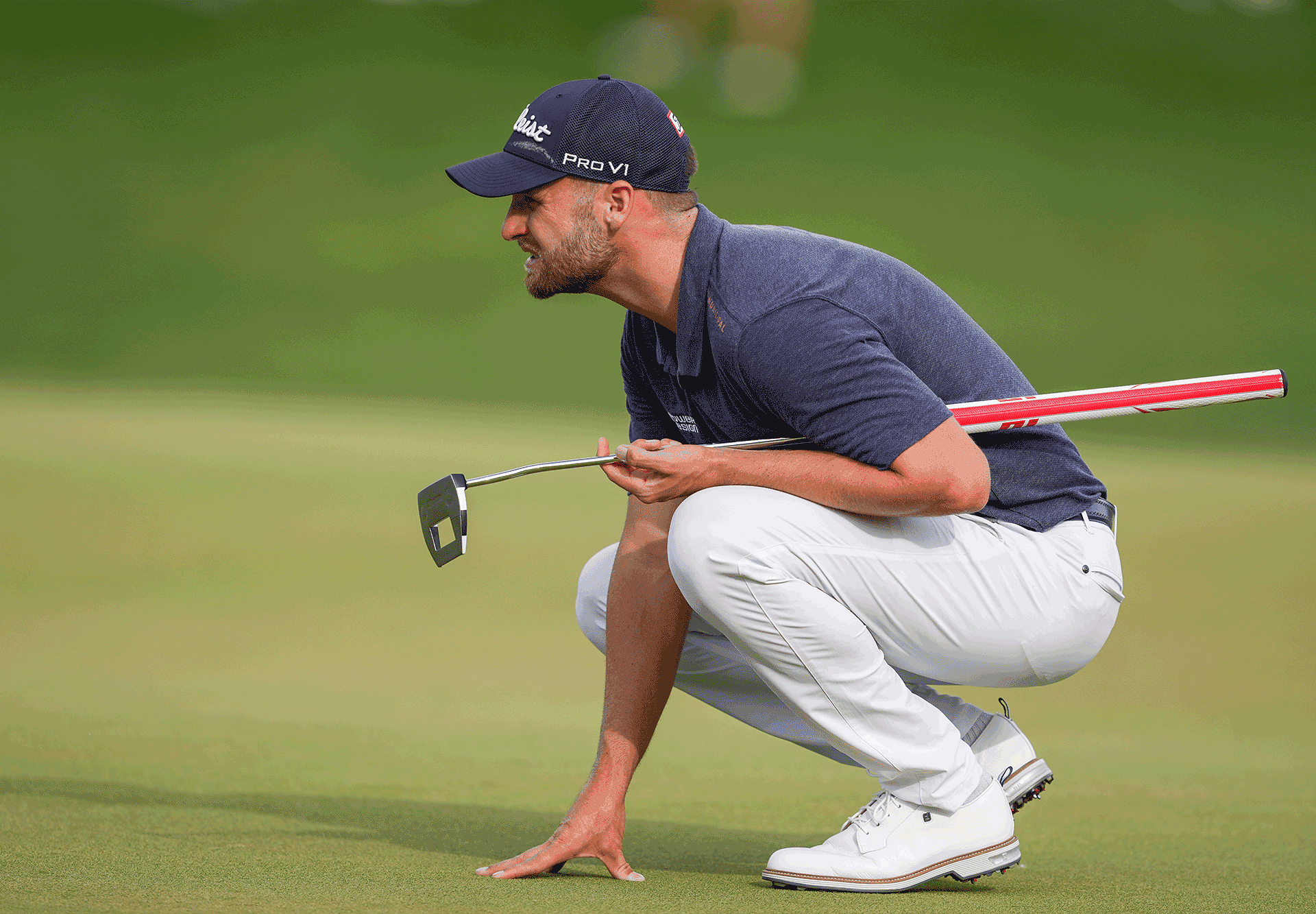
I was reminded of this random memory during the week of the Crown Australian Open, and it was pushed even further to the front of my mind after seeing the comments of former US Open champion Wyndham Clark, who played in the corporate hit-and-giggle event in the same week, otherwise known as the Hero World Challenge in the Bahamas.
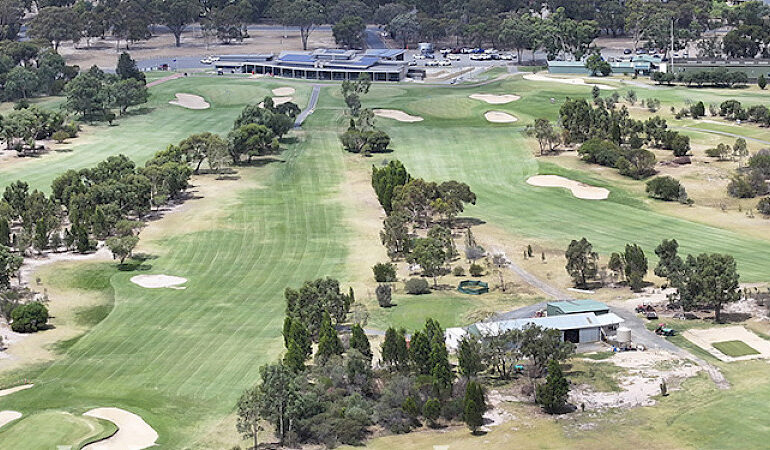
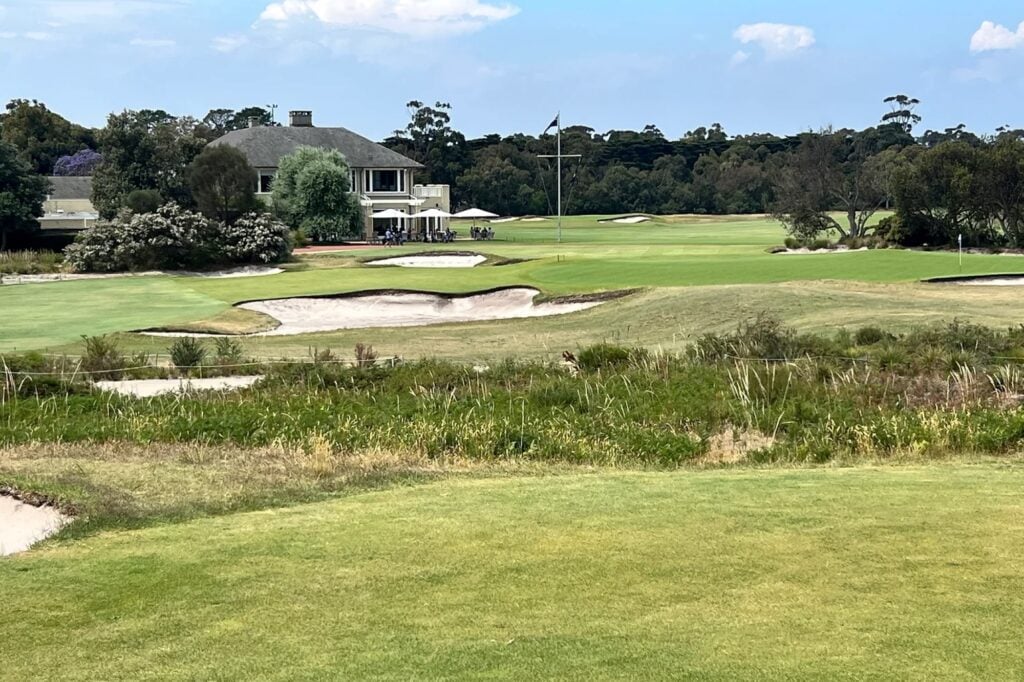
I’ll head back to Black Rock, Victoria first, where Rasmus Neergaard-Petersen won the Aussie Open. You might say on this occasion that Royal Melbourne didn’t produce the correct winner, in a week where Rory McIlroy and Adam Scott graced the famous sandbelt turf with their presence.
But, for an uncharacteristic three-putt on the final hole, Cam Smith could’ve won, the man who steamrolled his way past McIlroy to win The Open at the Old Course. To Neergaard-Petersen’s immense credit, he found the shots and his best game to experience the best moment of his career by far, a moment that might never be topped, but also a peek into what could be an exciting future for the Great Dane.
Greg Norman, Tom Watson and Gary Player are among a handful of golfers who have done the same (won the Aussie Open at Royal Melbourne). Just a few glances up at my television screen at this magical, mystical venue on show was a privilege.
It encourages creativity, it demands shot-making, and you must show cunning around the greens and sand traps. There is little margin for error, you might say (This proves to be a witty reference, the further you read).
But Royal Melbourne won’t apologise for that, and neither Neergaard-Petersen nor the Woods of 2019 would’ve expected one either. They understood the assignment, as the kids say, and got on with it.
Speaking of apologising, I’ll move on to Clark, who was “really sorry” for smashing up lockers at Oakmont when missing the cut at this year’s US Open. He has been banned from the historic venue, unless he covers damages, donates to charity and undergoes anger management.
He was invited to the Hero World Challenge last week, which was won by Hideki Matsuyama.
After round one, he asked about the difficulty in chipping and short game at Albany, in relation to how the course presents itself.
He replied, “Do you want the politically correct answer? It’s not in good shape. You’re always chipping into the grain and there’s a lot of chips that are up and over, so you have to chip up, and you’re coming from really bad lies in Bermuda, and you have to hit it up, and there’s just very little margin for error.”
Maybe Clark’s comments are fair. Maybe other players share his gripes with the turf at Albany.

ALSO: Why Royal Melbourne’s glorious West Course is the subject of every golfer’s dreams
However, I couldn’t help but place these comments in the wider context of the golfing week, when an event was being held across the Pacific Ocean in Australia at a course on the edge, where shots played outside said margin were punished, and accepted.
“In the news today, Wyndham Clark criticises a golf course for having ‘little margin for error’. Meanwhile at Royal Melbourne…” I hope you can see what I’m saying here.
It plays into the narrative that once top players, conditioned to pound their way around lush parkland courses all year, can’t cope with a little adversity once they are placed in an environment they aren’t used to. A different challenge should be met with an open mind, instead of complaints.
Clark possesses a wide skillset that helped to win his first major in Los Angeles two years ago, and is armed with the best technology available. Unless they are playing golf on farmland, I struggle to believe there are many surfaces these guys can’t play from.
I’ve only played Royal Melbourne in my dreams, but what I read and hear tells me that a shot played badly is punished accordingly and, a little like links golf, you have to adapt to whatever lie or awkward predicament you find yourself in.
It’s a real shame Clark didn’t head down under last week. Several pennies would be given for his thoughts on the cruel injustices Royal Melbourne would’ve thrown his way.
NOW READ: Which golf courses are on your bucket list in 2026?
NOW READ: The evolution of the Ailsa at Trump Turnberry continues
What do you make of these Wyndham Clark golf comments? Tell us on X!