If you asked someone to draw a picture of the archetypal golf hole, they would probably sketch different shades of green to represent the definition between fairway and rough, leading to a smooth surface with a flag sticking out from it. Also likely to be present is a bunker or two – those deadly sand pits that will ruin many a scorecard.
These are undeniably part of the aesthetic iconography of the game, but do golf courses even need bunkers?
Why Do Golf Courses Have Bunkers?
Emerging naturally on the linksland in Scotland, once typically formed by sheep and livestock burrowing into depressions on the landscape, these hazards were an integral part of many early layouts.
Once design principles and the strategic element of golf became more sophisticated, those forefathers of course architecture like Old Tom Morris saw that bunkers were further incorporated into the examination presented by individual golf holes.
When we think of the most distinctive bunkers – and many of them have become iconic – they add a great deal to thousands of courses around the world. They have become part of the template that course designers have usually followed, but somehow the more artificial bunkers have far less charm than those that emerged naturally.
These days, especially on modern creations, some bunkers seem to exist more for what they add visually than how they actually impact golfers during their round.
Not Every Golf Course Has Bunkers
(Image Credit: Andy Hiseman)
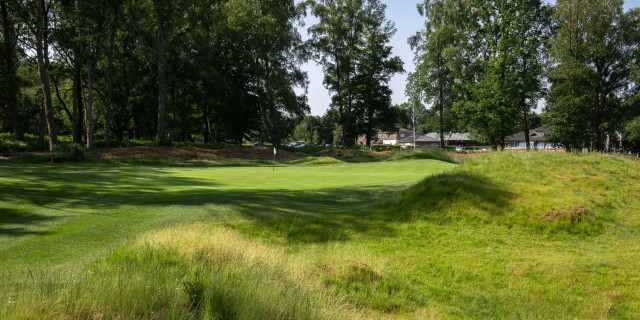
That said, not every venue in the game has bunkers, as we recently showcased in this feature article, while many others have a limited number that rarely influence play.
Just as water and trees aren’t present on every course, bunkers could be viewed in the same manner. The likes of Royal Ashdown Forest, Berkhamsted and Kington have shown that you can offer a captivating test without the need for these sandy hollows of terror.
I spent many formative days playing the eponymous Bute Golf Club on the Isle of Bute, which only began to add a few bunkers within the last decade. Previously, it was all grass of varying lengths with swales and undulations to keep the golfer engaged.
Wise minds have often said that the best hazard in golf is short grass – simply because it gives the player a range of shot choices to either make a recovery or play themselves into further trouble.
Do Golf Courses Even Need Bunkers?
Bunkers also require considerable maintenance to keep them up to an acceptable standard. Thousands of golfers review courses on Golfshake each year and the state of bunkers will be among their chief complaints, whether it be lacking sufficient levels of sand, or even just the general structure of them, which often declines when not managed properly.
Ensuring that these hazards are well kept can be a costly endeavour for golf clubs – and it’s certainly a time-consuming one.
During winter, it’s probable that extensive works will be carried out on bunkers at places where you regularly play, which is fine for those destinations that have the manpower and means, but for venues where resources are more scarce, it seems apparent that bunkers – in some cases – are an indulgence they could do without.
Would Golf Courses Improve Without Bunkers?
If there were fewer bunkers at golf courses, unless they were absolutely necessary from an architectural standpoint, would players even notice their disappearance or regret their absence?
Many of us struggle to escape from them, and they demand time to rake afterwards, all of which can contribute to slower rounds of golf and increased levels of frustration.
What is gained by having bunkers on a course that are located in positions where only the shortest hitters or weakest players are likely to find them?
Bunkers Do Have a Place at Many Golf Courses
Despite there being famous examples of courses that don’t have any bunkers, many of them found on common land in England, they clearly have a place elsewhere and add much to the beauty and strategic challenge of numerous distinguished holes.
But on courses where maintenance is difficult to facilitate, perhaps at municipals and smaller clubs, or where the bunkers only exist for aesthetic purposes and have little to offer other than to discourage less skilled or able golfers, there is an argument to consider that less is more when it comes to sand and that some courses would be better if there were fewer of them.
Kieran Clark is the Digital Editor of Golfshake. He oversees editorial content, community engagement, forums, and social media channels. A lifelong golfer from the Isle of Bute in Scotland who has now lived in St Andrews for a decade, he began playing at the age of five and maintains a passion for exploring courses, with a particular affection for historic layouts. Kieran regularly contributes in-depth opinion pieces and features, drawing on his enthusiasm for the game and its culture.