
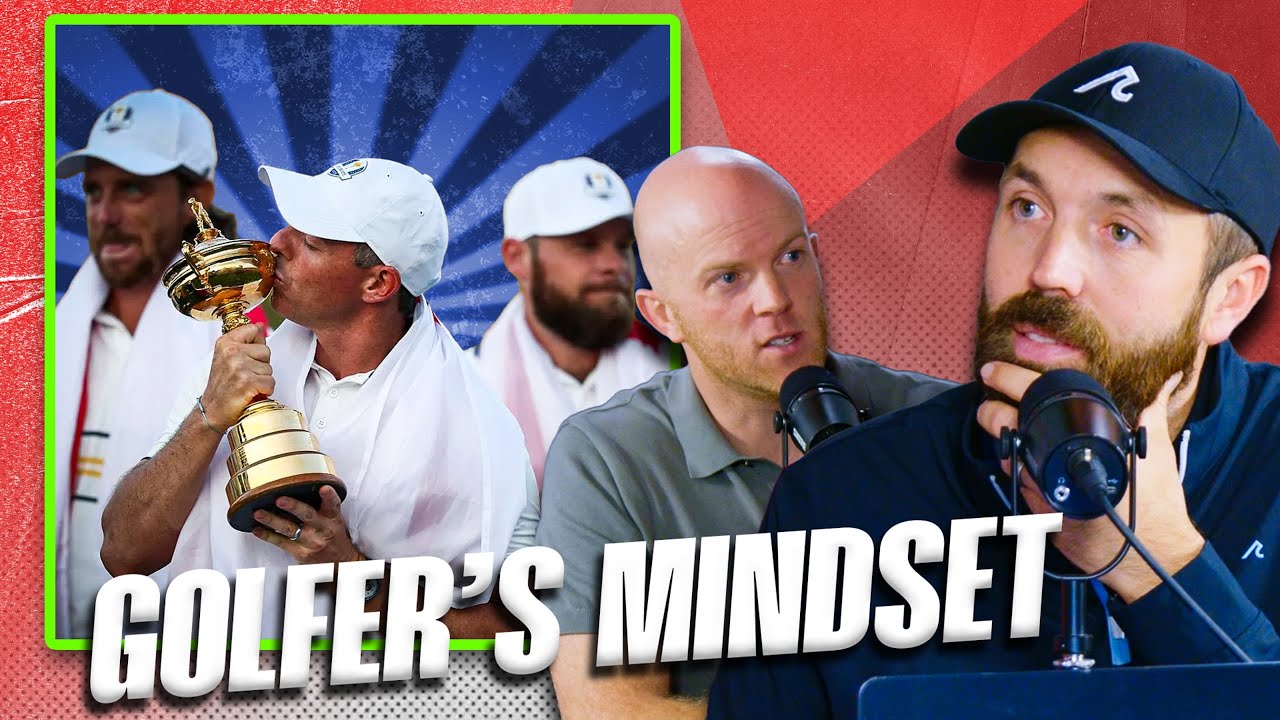
The Psychology Behind Europe’s Ryder Cup Wins (Tom Young)
All right, guys. Welcome back to the Rich Shields Golf Show podcast, episode 320. Today, I honestly think you guys are going to absolutely love this podcast episode. We have a guest on today who’s going to really help you with your psychology, your mindset out on the golf course, Tom Young, who is a performance psychologist who’s worked across loads of different sports, including football, rugby, obviously golf as well. He’s worked with top professionals in the game including Tommy Fleetwood and many others and also Tom was part of team Europe for the last four years helping the team become the powerhouse they have become when we overcome the USA guys. So in this podcast we really dive into a lot of that you I think I feel like team USA might be even listening to this to pick up some tips but you’re not going to learn. We’re too good. Um Tom covers loads of things not only to kind of understanding professional sports at the highest level, how they overcome things like nerves and making sure they get the best out of their performance. Things like Rory Maro at the Masters this year, like how did he go on and win it after so many disappointing results. Things like how Tommy Fleet would have had a fantastic year this year and what what has he done to overcome those kind of hurdles, etc. And obviously we dive loads into the Radical Cup, but also there’s loads of top tips, Tom’s top tips to help you guys as well with your own performance, whether that’s first nerves, the Yips, how the young golfers perform at the best level without getting too hard on themselves. Honestly, sit back with a notepad and pen because there are loads of great tips in this podcast you are going to learn from. And even I I’m going to listen back to this podcast because I need it for my own game because I get a little bit nervous every now and again. So guys, without further ado, episode 320 with Tom Young, sports psychologist, performance psychologist, and I honestly believe this is one of our best podcasts we have ever, ever made. Right, Tom, I think this might be one of our most valued podcasts we have ever done. Okay, no pressure then. No pressure because I think so many people listening and watching really struggle and I’m the same. I am literally that person struggle with the mental game when it comes to golf because how much is golf with between the ears? Well, I think psychology can’t beat physics for a start. So, there is a golf swing element to it, but 100% it’s massively between the ears. Like, we all do psychology, don’t we? Yeah. So, we’re all doing it all the time. those who work on it are going to get better at it. Those who don’t, you’re kind of just working with what you’ve got. So, for me, it’s something you’ve got to work at. Even just small things that you can start to do to build into your kind of practice and your routines and things like that. I think my goal by the end of today’s podcast, um, and I feel like we should be doing this where I’m sat on like a Shayons and a leather sofa. I bet you get that a lot, don’t you? But I want to get at the end of today’s podcast, I want people to be listening and watching to really pick up on a few top tips that can help them with the game. Because like you say, we all go to driving range, hit balls, and then Saturday morning thinking, “Right, here we go. This is going to be my best round ever, and then lo and behold, the nerves, the tension, whatever happens, our our brain stops us from performing.” Yeah. Kicking things off then, Tom, you’ve worked in numbers of different sports. Mhm. in football, rugby, golf, obviously. What are the most common traits you see in the best athletes? It’s a really good question and it’s one that you wish you had like a really simple answer to cuz I think sometimes when you watch these people on TV, you think they’ve got some magic ingredient that we don’t have. Yeah. And often that’s one of the things is that they are all different. So they’re all unique personalities. So they all have strengths. They all have a sweet spot that they can kind of tap into. They all have times where those strengths get overplayed a little bit and we get a little bit fixed. So the first thing is they’re not perfect whether that’s football, rugby, golf, running, whatever it might be. They’re human beings first and foremost. I think a couple of things they do have. There will be an element of resilience in there and that can be bouncing back from from a setback, but it can also be the ability just to manage your own emotions in the moment. So to choose how you respond rather than to react instinctively would be one. Um, and I think probably being getting to the point where you’re almost comfortable in your own skin. So you realize that what you’ve got, that’s what you’re working with. That they don’t waste time trying to be something that they’re not or wishing they were more like somebody else. It’s about you as an individual and how you can then work with that. Unlock your own superpowers. Yeah. Yeah. So, a lot of the time, especially if you work with someone maybe as a young athlete, they’ll often have like idols or people they might look up to and they’ll think, “Oh, I wish I was more like him or I wish I could be more like her.” And that’s great to take things from people that you look up to. But often you can waste time trying to be something that you’re not. Yeah. And trying to almost wish away or or, you know, kind of want to tap into something else as opposed to working with those raw ingredients that you have. So, one of the things I’d often say to people is you’re already enough. is how we can improve that and we can take little things and add that on but fundamentally it’s about what we’ve got as a as a human being and how how does somebody understand what ingredients they have I think it’s self-awareness that builds over time so I think you can see with certain athletes as they progress so it might be that they come they they kind of burst onto the scene as a talented athlete but as they get older they almost start to realize that self-awareness okay when am I at my best when do I maybe fall into certain thinking traps and almost constantly reflecting. So, one of the things I’ll find is that athletes will constantly be reflecting and it’s quite easy to reflect when we don’t do things well, but what about when we do do things well? So, one of the things you might often see with an athlete is they’ll be a bit of a perfectionist. So, they’ll really dive deep when something goes wrong. And when something goes well, they kind of just go, “Well, that’s my job. That’s what I should do.” And we kind of skirt over that. And people do it in teams, they do it in business. So, actually unpicking success. What did I actually do? what was present, what were the ingredients? Those kind of questions can be really good at kind of realizing what raw ingredients you do have. And also like resilience would be something that we talk about a lot. I would challenge most people, all people listening, they already are resilient. You’ll be able to think of a time when you’ve been resilient. Okay. So, what made that up? It’s not something you’ve either got or you haven’t. Yeah. You’ve not learned it, have you? No. It’s something that’s ingrained. Yeah. And you might have learned it kind of as a kid. And one of the things that like the studies on Olympic athletes that they almost have like a fanatical reaction to challenge. You know, if you tell someone they can’t do something. Yeah. Yeah. Some people go, “Oh, okay. You must be right.” And some people go, “I’m going to prove you wrong.” I think so. I think that fanatical reaction to challenge is probably something that a lot of elite athletes would have would have in common as well. Do you think as whether this is sports people, golfers or or just humans in general, are we almost too hard on ourselves? Like you mentioned there, like how many times have of have probably everyone listening and watching has played a really good round of golf, like the best you’ve ever played, but whatever it is afterwards, you still pick up on the negatives. Oh yeah, but that three-footer I missed on the third or oh, just if I had hit that shot a little bit closer, it could have been this, it could have been that. And you’re right, you don’t really ever sit down and go, well, my first T- shot was wonderful today. I handled the nerves and I managed to hit that brilliant shot. Coming down the stretch when I needed to make par to shoot my best score, I actually managed to make par. As much as I was nervous, I managed to do it. Yeah, we’re very quick to judge ourselves, aren’t we? And and is that is that a human trait? Is it is it a sports person’s trait? Is it weirdly like a British trait? Like what what have you found working with different professionals? Um or just people in general? I would say that it’s something I see across sport and business like people who have those kind of busy brains that the perfectionist in them. They’re often high achievers as well because they have such high standards that they expect that of themselves. So when they don’t hit hit that they’re really tough on themselves. You sometimes admire the people who can kind of just forget it, don’t you? So some sometimes you’re kind of thinking but you wouldn’t want to get rid of that because that’s probably the same thing that makes you turn up again and keep going and never being satisfied. So there is an element, you know, like a trade-off. If you were to get rid of that, you would lose some of these other things as well. So there will be athletes that kind of can forget quite easily that train themselves to look at those kind of successful moments. So after a round of golf, I would always say like, what were the three best moments? Like how did those feel? Try and tap into those because it’s very easy to dwell on the stuff that didn’t go great. You know, you go into a clubhouse and everyone’s talking about, oh yeah, well I shot 80, but it could have been a 76 if I just done this. and they kind of forget the one that they drained from 30 ft or you know they got up and down miraculously or they found their ball when really it was probably you know it bounce back in bounds and things like that. Could we almost title this as Tom’s top tip? Uh maybe I think could you give a little top tip of like one of the things that everyone should do after a round is almost write down actual positive things that have taken place. Yeah, that that would be one of them. So, you know, I think it’s a good practice to do anyway. Like it sounds a bit serious, doesn’t it? You try and especially if you’re kind of just giving tips to people who are just playing golf over a weekend. You want things that are quite quick to do. Of course, you don’t have to sit down and go and see a psychologist or sit on a couch or any of that kind of stuff. It’s just little habits that you can build into like a framework of your of your performance. And you can break that down into like what do you do before a round, what do you what can you do during a round? And then after a round, how do you kind of take the lessons from that? Yeah. because you you will dwell on the negatives naturally, especially if you’re kind of attuned to threats and things like that and you’ve got really high standards. So, what were the things? What were the three moments, three best shots, three best reactions, whatever it might be and what did I learn about myself or what did I learn about the game? And sometimes if you do that and you go through that process, it just quietens that brain down. If you’re an overinker, it’s not going to stop you overthinking, but it might mean that you’re not thinking about it at 11:00 that night. You’re thinking about it at 8:00 next week. Exactly. When you’re next on the tea. So that would be one of the one thing you can kind of implement quite easily. Well, also like I think when you highlight positives, they happen more often. Like when you when you highlight those I did hit that great first T-shot or I did hold that 30footer. Suddenly you’re kind of putting that into your brain that you’re somebody who can hit great T- shots when it’s when it matters. You are the person who can drain a 30-footer. Like you you almost positive affirmations set you up for the next round of golf, don’t they? As well. Yeah. Yeah, it’s like remembering the the good stuff, like reminding yourself, kind of conditioning yourself that you you can do these things, but also how did those things feel when you did that? Or what did I do beforehand? How did I feel as I was approaching that shot? Cuz a lot of athletes chase like a flow state. You’ll have heard that phrase, right? Oh, I was in flow. Is this the zone? Yeah, that would be that would be one way. And and in reality, you probably only get in that zone as as amateurs. probably not not a huge amount, but you know, a couple of times a year maybe, I don’t know. Whereas, if you’re constantly chasing that state and then missing it, that can feel quite disappointing. So, actually, I kind of try and go, okay, well, it’s great when you’re in flow. You almost don’t need any of this stuff when you’re in flow cuz it is just flowing, right? So, what’s your clutch state? How can you get the best out of a round when you’re grinding, when you’re you’ve got to kind of stay in there, when you’ve got to make par on the last or whatever it might be, that kind of stuff. They’re almost the some of the most kind of satisfying rounds, aren’t they? When you’ve stuck in there. Of course they are. Yeah. The amount of times where you’ve not got your best stuff, but you’ve managed to grind out a ground, you think, I’m really proud of myself there, cuz that the scorecard doesn’t reflect how I felt that day. Yeah. Well, they’re your best mental performances often, aren’t they? Yeah, they are. Like when you’ve got something out of it that maybe you didn’t deserve. Do you think golf is is one of the hardest sports to get into flow because it is so stop and start and you have a lot of time to think because I I think there’s a lot of the time you know as a footballer how many times do they actually get nervous like I’m sure they’re nervous preournament pregame sorry but I’m sure when that kickoff starts they’re off aren’t they? Yeah. and and unless they get a penalty in the last kick of the game, I bet nerves don’t really come into play that often where golf it happens a lot. Like you’re up and down your emotions all the time in golf, aren’t you? Because it’s much more slower pace, static sport. You’ve got time to think. Yeah. And it I think that’s the big thing with golf. Like I started playing golf. I think we’ve actually had this conversation like having grown up playing like football, rugby, team sports that if you get angry, you can just kind of take that out with a bit of kind of physical aggression. You can hit something a bit harder. You can satisfying hard. And I quickly realized when I started playing golf that actually if you do that often gets worse. Um, so the thinking time, you know, all the stuff you just talked about, the the the walking between shots, the the fact that something can happen that just seems so unfair or someone can say something that winds you up and it’s just you. Like there’s nobody else who you can kind of hide behind or you can pass it to or kind of abdicate responsibility. You’ve got to do everything. And I remember one of the golfers saying to me like almost I wish I was a a footballer at times because I can just turn up. You get given a protein shake and you get given a breakfast and you get told when training is and you get a program in the gym and you go out and you do it, then you eat, then you go home and it’s all done. Whereas these guys, especially at the highest level, are kind of like mini CEOs. They’re having to make all the key decisions. They’re having to hit all the shots. They’re having to kind of manage a team as well. You’re doing it all yourself. And no one comes in at nine holes and gives you a a team talk. You know, is not there to give you a team talk. But you’ve almost got to do that to yourself. So there’s so much more load I guess. And then if you look at like a football or a rugby, you’re right. Like I’ve seen players throwing up like in changing rooms that becomes part of their ritual. So there’s obviously nerves and anxiety there. But that becomes just once you’re on that field and the the whistle goes. You’re in kind of it’s so fast pace. You can almost run it off, can’t you? You can almost run those nerves off. It’s like right I’m I’m going. Let’s go. You might get someone in like a team sport where they’re almost got so much anxiety or nerves that you, you know, when your legs feel heavy because you’ve got so much kind of or you’ve used so much energy beforehand, you sometimes got to manage it in that way. But yeah, in terms of actual nerves before a specific shot and things like that, you’re probably comparing it to like a penalty kick or a conversion in rugby or something like that. And and in golf, you’ve got 70 odd of those. Yeah. Or 80 odd. when uh when you start working with an athlete and and obviously this is a golf podcast. I know you’ve worked over loads of different sports, but when you start working with an athlete and you can tailor it to golf if you wish, what what are the things you’re looking for? So, you get a phone call tomorrow. Okay. Yeah. And it’s a it’s let’s say it is a tour player. Okay. High profile top 10 player in the world and they ring you, Tom, I need your help. Mhm. What are what are you what’s the process? Um the actual process like to start with is you would have an initial conversation with them to kind of see if you don’t know them for instance you got to see if you can gel and you can work together. So often if I’m working with a client or a potential client you’d have like a 15 20 minute call or you say it’s going to be that and it’s normally an hour. Yeah. But they’ve then got to decide if they think they can work with you if there’s a connection from that point of view. And I’ve got to do the same as well. Now when I started you’d have probably just said yes to everything because you just want to do the work. But you’ve got to look for that connection and then once you’re through that process I suppose someone can come to you and they just want to get better and sometimes that’s a really kind of nice brief. So, one of the things that I found, and I think it’s changing and it’s changed a lot over the over the years, is that you almost go to psychology as a last resort or there’s something wrong or we’ve got to like fix a problem, which is fine. Like, I’ve worked with people before, it might just be a couple of sessions and you just try and tweak something. But if you have someone who just wants to work on themselves and it’s kind of like, I think I’ve got a pretty good handle on this, but I’d love to get a little bit better next level. Yeah, that’s almost a perfect a perfect brief, but you’re looking for that connection and then you’re looking to really get into this. Like, is this something that’s going to be something that’s relatively kind of a a really direct I need to improve this or is it something that they want to look at their overall performance and really kind of dive deep into that? When we first first ever met, I think it was about 2020 2019 in Dubai. Mhm. at L’s Club and in the locker room you came up to me and introduced yourself to me and you were working with at the time Tommy Fleetwood. Yeah. And you’d worked with Tommy for quite a while, didn’t you? A number of years. What were the things that you were working on with Tommy? I mean, so I worked with Tommy for for a number of years. We worked together for kind of a couple of years early on in his career around 201 13. Then we stopped and then we started again in kind of end of well start of 17 up to 2022. So that’s quite rare to work with someone for such a long period of time. Um so he would obviously fit into that category of you kind of working with someone in just who wants to get who wants to get better. So obviously going back to 2013 you meet this young player who you know is is a brilliantly talented golfer who also happens to just be a really good he’s been on here and lives up the road from me. So I’m in Preston he’s in Southport. So that was kind of the the connection and that kind of brief I suppose goes from like like those first couple of years where it’s maybe a little bit more like coach to athlete or teach a pupil in some ways cuz young athlete coming through to fast forward to like obviously that period in 2017 2022 where it’s a little bit more of a I would say a collaboration. So with an athlete like that you’re working on stuff off the course. So you’re working on things like like who you are as a person, where do you want to go, what what your values, what your trademarks, those kind of things. And then you’re then looking at kind of the team dynamic side of things. How do you work with a with a caddy? Obviously got Finnow working with him. Um the coaches around the the team as well. And then there’s encourse elements to it. So mental skills, trying to build a mental framework where you can kind of tap into those skills, I guess. Um understanding again understanding that self. So what are my strengths? Yeah, you know, someone who’s very consistent, very patient. Um, you know, he’s obviously a a lovely guy, but he also has a a real toughness to him. He’s got a dog in him, hasn’t he? He has got that dog in him. And and now when you look at what he’s doing now, and he’s kind of he looks like someone who’s completely comfortable in his own in his own skin. Um, probably in that sweet spot where you realize that, you know, who I am as a person, as a human being, this does work. I don’t have to be someone that I’m not. I can get those results that that my talent obviously shows. So you worked with him for an a long time off and on. Mhm. This year certainly the back end of this year has been the greatest last three or four months that he’s probably had in his career. Yeah. But you must have you must have been following his journey a bit this year and going wow he’s continuously getting so close, weren’t he? Like how many times was he knocking at the door you know that time when he when he missed out to Keegan Bradley and all like he was literally there. Yeah. At that point, are you looking at it from an outsider thinking it it’s just a matter of time? Yeah, just because you can look at his I think you can look at his career. I think it’s someone who probably does kind of get close, get close, then overcome that hurdle, proves to himself that he can overcome that hurdle and then kicks on. Do you know do you know what I mean? So kind of and has that ability just to be persistent, to grind, to keep talked about resilience before. Yeah, I mean one of the things that really impressed me with Tommy this year was like his post round interviews. Yeah, they were unbelievable, weren’t they? I actually messaged him just saying those interviews are are brilliant cuz it’s quite rare, I think, especially for someone who’s still playing. So, you get loads of interviews, don’t you, in in sport now for people who’ve retired and they can be quite vulnerable and they quite open and they reveal things that we didn’t know. when he came out and gave those interviews kind of just after falling short kind of like like I mean it was really like wow and you know he’s saying he was just say it’s going to it’s going to happen you know I’m keep putting myself in this position but it’s gutting it’s now happened and I’m thinking wow and and I think the fandom he got from that as well was huge well everyone bought into that story didn’t they and I think probably because you’ve seen him for so long now as well you know he’s not faking it do you know what I I mean like over in the US they they obviously really buy into him. Over here we we love him as well. So that kind of I think the process the journey being on any story that’s worth kind of reading watching any film there’s always a lot of hardship in it. Of course there is. So and the fact that he was kind of saying well I’d rather be challenging and coming short than finishing 30th. Yeah. I think that shows and like it’s not about just thinking positive all the time. Like there are times we have to confront like the facts right. I am coming up short. How am I gonna overcome that final hurdle? And to me, it was just a matter of time. I think you could, as I say, you map kind of his his career going back. Yes, he’s obviously hugely talented, but having those bumps and then getting over it, he kind of just thought he is someone who will stick with the process and just stay in there. Like some of his best rounds like I mentioned before when we worked together were like those rounds. I remember one at Burdale where it was like down dark horrible and obviously huge pressure and he had to I think he shot one of the best rounds of the day in horrible conditions to make the cup. Yeah. On the Friday of the open. Yeah. And it’s just that ability to gr and it’s it’s it’s kind of undervalued I think at times. What do you think his next steps are moving into 2026? Obviously the Open’s back at Bert Dale, the home open. Like how does someone manage those emotions? You worked with him 2017, I guess, the open at Berdale. Was that the year 2017? I remember which year it was. Yeah, you’ll know better than me. I think it was. So like, you know, I know you’re not currently working with him, but going going into that for next year, that must be a huge target for him. Yeah. But is there is there a is there almost a a fault of almost making that too big of a of an event? like the people almost build these events up too high in their in their own mind or can you not do that? Um I think there’s no point downplaying it too much. There’s no point saying it’s just another tournament or it’s just it’s just the open which doesn’t make sense anyway, does it? But it’s just the open bird that doesn’t work. So there’s no point denying that because you just waste all this energy and then when it comes to it, it hits you. So I think he’ll be in a much better position to having done it before and gone through it before that home open. he knows he’s got the support which is which is positive and you’ve got to kind of harness that and because he’s then done that in team team events, rider cups, etc. Um I think he’ll be a lot better equipped for that. Um but yeah, it’s still going to be there’s still going to be pressure, but it’s a privilege really to be in that in that position. If you go back to what he was probably thinking as a kid, that position, how lucky are you to be able to do that? Well, we we’ve seen it Rory at Raw Port Rush. Yeah. in 2019. Like that was real. Like I felt I was stood there on that first te home lad that literally the hero and he stood there and he smashed it out of bounds left and and like you think oh my goodness. I mean he did similar to Tommy. He had a terrible first round in the in their home opens and actually went out the Friday and and played unbelievable golf. Like obviously the pressure is off and you actually then can feed from the home home crowd a bit more. Yeah. almost it’s like the almost subconsciously you think I’ve got to like I’m going to push now cuz it’s complete freedom in some ways. Um but subconsciously it’s like well I’m not just going to fade here and just miss the cut kind of I don’t know in like a boring way. I’m going to do it in a Rory Maroy kind of way. So I was staying with a family that week um in Port Rush and this who who are from there and he just got on his push bike. He was like I’m going down. He’s a member. we got in his push back and rode down to watch the last bit, you know, and the whole place was just kind of the energy was crazy, but it does it does show, doesn’t it? You know, this is someone who’s one of, if not the best player in the world who can perform under huge pressure and it’s it’s had an impact. Do you feel like talking to about Rory as well, obviously he he came over a huge hurdle this year, winning the Masters in April, like how you talk about resilience. I mean that again is a perfect example of resilience into like every year I mean he’s not going to not turn up but he’s every year he’s trying and he’s trying and he’s trying and he would he would have died trying to win that green jacket. He did in a very dramatic style. Yeah. like what this is the way you’d want to do it really looking back not in the moment but I guess like looking back you think it’d be quite cool to win it in a dramatic fashion you know like and even the final round it was full of mistakes really like you watching that as a as a sport psychologist and a huge fan of golf how how do you even look through that round like was your brain just going mental on that final round of roar at the masters I think I’d always look at from a positive I guess and and you kind of think how good it is to be able to recover from each one of those kind of setbacks. So for me how he dunked it into the stream on 13. So what’s the process in that? Because so it’s so easy. We all know like and he is a human being who’s very good at golf. So from a human being point of view the brain’s going get on with this like let’s get let’s get out of here. Like that little voice that we all have. Um, so to be able to quieten that and that’s what I mentioned at the start, being able to choose your response rather than react in that way. Yeah. So having a process to do that, obviously this is what they do from a a kind of job point of view, but to have that framework that they can tap into and go, “Right, what do I need to do next?” Being able to do that is a real is a real skill. Sounds really simple, but actually when it when everything’s speeding up to be able to just stop and just calm down. Like I always think of is it Danny Willlet when he won it and he talked about when he went into the the portaloo. Yeah. And he just went in and kind of had a little quiet word with himself. That ability to choose that response or just to reframe something in your mind is a really really key skill because how many times God I’ve done it golfers listening watching you’ve just three puted or you’ve just double bogeied the last and you stand on that next tea and you just want to smash it don’t you? You just want to smash it as hard as you can. You almost you’re not thinking rationally at all. Like you don’t almost care about what happens. You just you just want to get that anger out. Like how do you how do you stop that from happening? I’ve done it so many times. I’ll do it now. Does it work for you? Never. No. But some people there might be some people where it does work for Yeah. Like Tier’s. Yeah. Yeah. Terrell Hatton is such an interesting character and I don’t think many people could operate No. how how he operates and manages his his nerves or his his anger on the golf course is is unlike any golfer. Yeah, you wouldn’t try and change you wouldn’t try and change him. I know there was obviously some sometimes where he might get some negative press and things like that but it it works for him in terms of that kind of humor as well like his dark humor essentially isn’t it? The way he talks to himself so you’d listen to that and go that sounds like negative selft talk. Well, it is, but it’s so negative. It’s kind of positive and it obviously kind of turns it around for him. But what I was saying in terms of that you have a three port if some people are angry or if you know sometimes it just frees them up. So you’ve got to like almost realize where someone’s starting point is. So if you’re someone who might be a little bit cautious um who might overthink a bit and you’re on the tea and you kind of just think sort of I’m just going to whack this that can actually be something quite quite beneficial. If you’re someone who naturally is quite aggressive and it makes you get more aggressive, that can sometimes be the negative because you’re overplaying that strength or that tendency. Sometimes you like to go, “Right, what do I need to do here?” Yeah. Yeah. So, it depends where your starting point is. Sometimes you need to kind of step into a mindset that’s not yours. Does that make sense? So, so if you’re a naturally assertive, aggressive individual who wants to take everything on, at some point you almost need to tap into a more what would sound like a negative or defensive mindset to just go, right, what’s the best way of doing this or what could trip me up here. Whereas if you’re someone who’s naturally seeing the threats, watch this, watch that. Sometimes you need to dial up that like optimistic, more forceful approach to just go, we’re just going for it here. So that you can’t work with every player in the same way. So when we say like, oh, what’s this person like? Or, you know, what are the common traits of a elite golfer, elite athlete? Everyone’s starting point is totally different. Yeah. And so being able to tap into a different mindset is a real skill which I think we sometimes miss. Wow. That that that’s mental. The other thing I was thinking of then just when we were talking about how golf is very different to other sports, a match of let’s say it’s a cup final, you’ve got one night to be nervous about which is hard because you you can’t go to sleep that night and you wake up next day and you’ve got the rest of you get 90 minutes to play in golf. I mean all tournaments now even now live golf is it’s four rounds of that. It’s four nights of trying to like if you’re leading the masters from start to finish. How the hell do you sleep at night? Yeah. How do you not think about it? Like have you worked with athletes in those positions and what what kind of guidance do you try and give at that at that point? It’s really difficult because you can’t you can’t just say I’ll just be in the process or you know like just go to sleep. Yeah, just just go to sleep. Get to sleep early like cuz what do you do then? you lie in bed kind of you know trying to get some kind of some kind of sleep. So I think obviously that is the norm to an extent as in there is an element within golf like of the kind of load both from a physical point of view but a mental point of view you know these guys do a lot of physical recovery as well don’t they now like um almost treated like the athletes that they are I guess um and then there’s mental recovery so what we talked about before in terms of reflection after a round planning before a round like almost little pockets of focus that you’re trying to use to quieten that brain a little bit and then you would want somebody to go and do something that’s going to enable you to recharge. So if you want to recharge, think about yourself as a mobile phone. We plug it in every night. What small things could you do to recharge? They would be things that naturally play into that sweet spot. So it might be okay, think about watch a film. Watch it could be watch a film. It but it could be something spend time with family, spend time with loved ones, have a phone call with someone who’s back home, play on play on PlayStation or whatever, read a book, whatever it might be. So how do we recharge? So I would say recharging in between those rounds and they’re not not going for a hike or anything like that. Just something could be quite stationary, could be something that takes 5 minutes and then between events as well. If you’re then playing again the amount of times I think I remember Tommy after Port Rush like just came in and obviously disappointed after but really disappointed after that week in terms of the outcome straight back on the on a plane to somewhere in America. I was like all right see you and you kind of how do you recover from that? Yeah. And I think he’s someone who who’s very good at doing that because he does get into that process. But you’ve then got to almost how do I kind of recharge between Yeah. events sometimes don’t do that extra practice day maybe depending on what events coming up. It’s hard though, isn’t it? Cuz it is hard because then you’re going they’ve done it. Yeah. Do you know what I mean? So it’s then you get to a point where you can back your own prep and you know that you’ve done it before and those kind of things and seeing yourself as that individual rather than I’ve got to do that because he’s doing it or she’s doing it. So it is it is difficult and you would almost encourage those players and they’ll do this anyway to have that protocol to have that kind of an energy playbook. How do I how do I recharge between rounds? How can I then recharge between between tournaments as well? Yeah, it’s a lot. It’s like you say as a professional golfer, you are the CEO and you’ve got to think all that and like you say sat on a plane for you know you’ve just had disappointment let’s say a tournament you got to sit on a 12-hour plane then licking your wounds going constantly thinking about what’s just happened and then you got to get the motivation to get up the next day or or you are hyper motivated and you almost got to bring yourself back down a little bit again. I’ve had I’ve had times in in different sports where you’ve planned to do a session or you’ve planned to travel to do some work and I can think of a couple of examples where you get there and they go I’m knackered. I’m just going home. Yeah. Sorry, what? Like I just planned the whole diary around this and but but what’s the the other the other side is they’ll they’ll do the the right thing to me and do the work. They’re going through the motions. So I’ve literally had to fly home before and but then you go well yeah because you know you need to recharge and that’s the kind of mindset these people need to you it’s no good for them if they’re not doing it it’s really selfish don’t they exly yeah and that’s my ego then going well we should be doing this and actually realize well no what’s the right thing here for that individual and if if we’re working on themselves to kind of be able to know themselves and to back those decisions you got to back it as well ask you a tough question there who do you think is the most mentally in charge of their own game. Who Who do you think has the best psychological mindset? That is a that is a tough one because there’s obviously the I’m trying to think of one that’s not like a um you know like an obvious one. Well, tell us what in your opinion who do who do you think has literally and and you’re right, it’s not someone that people can copy cuz you mentioned before you can’t copy those mindsets, but who do you look at and go, “Wow, they have they have really got this nailed on from the outside.” This is probably um like I quite you can look at Rory at the Ryder Cup and the reactions to those the crowd and being able to turn around. We talk about the emotion and showing that reaction and and things like that to be able to hit that those shots under pressure. Yeah. Is just mind-blowing from a psychologist point of view and pro you could probably say that for a lot of those players to be honest to be able to recover reset and then execute a shot and there was one from Justin Rose that was kind of miles to the right near an advertising board. You’re thinking how’s he going to do this and he just plays this unbelievable shot. But I quite like your you know like love big Oberg. Yeah. you kind of you don’t really know what’s going on because it just seems so kind of like stoic almost robotic. Yeah. Yeah. And and quite quite quiet, quite kind of consistent. Um it doesn’t get too up or too down. So quite contained. So I think that’s a mindset that you can kind of you can you can’t force. I think it’s often quite quite natural that one. So sometimes you almost want him to show a little bit more. But that contained mindset doesn’t get too high, doesn’t get too low. Now, that’s how it looks from the outside. That doesn’t mean they don’t care. You know, like sometimes you see these people and you think, well, then, you know, they’re kind of just going along with it. There’ll be real passion and fire behind it, but the ability to kind of stay in the moment. Um, so that would be one that’s maybe a little bit a little bit different. Who do you think’s the best that’s ever done it? Well, you probably have to say Tiger Woods, wouldn’t you? I mean that’s the obvious answer but I just want to kind of hear it from you as well but like what what pressure like the kind of well you talk about clutch mindset like you know obviously brilliant sportsman talent and everything like that but in terms of the real kind of competitor and that kind of I’ll take it to you I’ll go headtohead and I’m just going to back myself to win in those moments you can’t really how much goond how much of this is built from reps as in Like how much of how much is the mindset as well built on I have done the work like I am I’ve not I’ve left no stone unturned. I am so unbelievably prepared that that it gives you that kind of inbuilt superpower. I always feel like Tiger had that in him. It was like I’ve done the work. Yeah. I’ve left nothing one has worked harder than me. So I I deserve this. Yeah. You’ve got to you’ve got to pair that mindset and with with the work. So you can look across loads of different sports, can’t you? So you can I was watching something Steph Curry and he made 105 like shots in a row from the from the side and I I was watching him talk about it and saying like when did you feel nervous? Well, I felt nervous at like 42 cuz I was aiming for 50. But just the reps like that confidence on I’ve done the work. It’s like I I’ve done it. Yeah. So 100% like we talk about that like that almost like a perverse enjoyment of practice. I that’s the one thing honestly the more time I’ve spent with the guys on live it’s it’s unbelievable how much they love practicing you got to really dial into it haven’t you like it’s crazy honestly they’re there for hours regardless of the weather whether it’s boiling hot like we’re in there in Singapore and they’re all it’s like they jumped in a swimming pool but they’re on there hitting balls hitting balls hitting and I’m like it’s it’s mental I find it unbelievable surely you don’t need to do that anymore guys you you’re already pretty good at it. Like that’s from the outside that’s often what you think about it. But it’s falling in love with that process, I guess. And or even when you’re not in love with like love’s maybe well it is love hate, isn’t it? Cuz you’re not doing it well enough so you do it more. But I also really enjoy it. So sometimes one of the things you’re trying to do is tell like that maybe that is enough if we’re thinking about energy and and things like that. Um but it’s a bit like the gym at the moment. I’m been dead into the gym for the last six months. Yeah. Did I love it at first? No. Didn’t love it. And now I genuinely like I kind of love it. I feel bad if I’ve not done it. Like I actually get so much like you know I feel stronger now cuz I’m like I’ve kind of done the work. I’ve lifted the weights. I’ve done what I’ve needed to do for the last 6 months. I feel prepared. You know what I mean? And and I probably need to do that with my golf practice as well to be fair. But like I I do love it and and I think that’s what the the elite athletes can do. they they just love that kind of hard work and that graft and then even when they’re not loving it, they still rock up and do it. So there is a really boring element to this and it’s kind of like just keep rocking up, just keep turning up. And again, going back to that point, there are certain times still now that I just get it done. I don’t want to work out. Doesn’t mean I hate it. I don’t want to. I’m tired. But I do and I go, “Yeah, I’m glad I did that. That was that was worthwhile.” It’s an interesting one because I was having a chat with a golfer the other day and they were really like, “Well, I do this in my practice.” and they were mapping it all out and you’re kind of thinking but but then in a clutch situation he was saying I’m just I’m really good in like kind of playoffs and my record in playoffs and this is kind of a young up and cominging professional and um one of the things we looked at his profile and he was very kind of detailed and perfectionist and structured and stuff and one of the things we talked about was when you were a kid what did you used to do like short game for instance what did you used to do because obviously that’s a little bit more creative is a little feels a little bit more playful so we then talked about well how can you add a little bit of that into that process so it’s not purely kind of relentless structure and so precise like when you just throw some balls down and almost give yourself 15 20 minutes to play. Yeah. Like almost with a deliberate sense of what you’re trying to achieve. So you’re not just messing about but there’s a freedom to it because if we train like this but then expect ourselves to be able to be creative or curious when we’re plating we’ve not practiced it. So that would be that would be one element. Sometimes you kind of help someone like tweak their practice a little bit because it doesn’t feel like practice if you’re just hitting chip shots or do you know what I mean? But it but it is because you’ve got to be able to do it in different ways. And then what we were talking about before with obviously the Steph Curry example and the grind and the practice um there’s a player who in in rugby league who who came and spoke to me and he he kind of was talking about his mindset that he wanted to get into and he was someone who is super professional. They all are to be fair, but like no stone left unturned. And he said, “I’ve I think I’ve got something.” And it was like ultimate preparation in the week. Ultimate surrender when it comes to match day. And that he was kind of saying, “Well, there’s 50,000 people coming to watch. They don’t know what’s going to happen. I don’t know what’s going to happen, but I’ve got more control than them. So, I’ve done all the work. Trust that process. And now I just want to play with freedom and kind of trust that instinct.” It was quite a good way of putting it across. So obviously that’s a team sport, but that was his kind of way of trying to tap into a different different mindset. What about Scottish Heffler? Yeah, I mean again from the outside from the outside again it looks like someone who’s just very kind of consistent, very persistent, very kind of structured. I mean you can see when he’s playing himself in kind of regular events, it doesn’t seem like anything can really kind of rattle him. So, in terms of those responses, um, he shows a bit of anger every now and again. Yeah. Yeah. Which, which is nice, isn’t it? You want to see that. It’s hard when you look back when you see I’ve really grown to like him a lot over the last few years. I think he comes across well. I thought he was boring at first. I was like, he’s boring. He doesn’t show a lot. But actually, the more I’m seeing these little glimpses, I’m like, “No, he does show a lot.” And he obviously shows emotion when it comes to the the team events as well. Like, we’ve seen him at the last few ride showing showing emotions. And that’s I don’t I don’t mean that’s good to see. I I just mean in general like it’s nice to see like Yeah. You care to see these people as as human beings, not just kind of robots that we can sometimes see on on TV. I’m going to ask you a really interesting question here and I’d I’ve keep wondering this a lot recently. How much do you think Scottish Sheffller’s belief is religion comes into play when it comes to psychology? Um, yeah, because obviously you gave some interesting interviews at at different times in this year and I think they got kind of turned on in in different ways. I think it’ll be a massive part. I think it’ll, you know, I think in general if you think of a human being, how they’re conditioned kind of growing up, their early experiences, but also like their values and that’s really closely intertwined with with religion. Um, and it probably gives a sense of freedom to a point, you know, almost that kind of the sense of something bigger. Yeah. It kind of makes you feel it’s not all about me. That spotlight’s not as big. And I I think he said before about it’s probably already a plan for me to kind of let it unfold. I know. But then that kind of I think he it sounded like he had a bit of a conflict. there’s that, but then like why do I really want it so much in the moment? But then afterwards when I can reflect, they kind of maybe the faith and the values and and the beliefs kind of give a little bit of rationality to that. So you’ve got someone with like almost two contrasting elements like I really want it but actually maybe I don’t want it as much because in general this is part of a bigger a bigger picture. I mean I’ve not been a religious person ever. I must admit this year more than ever I’ve been curious about religion because because it it makes me think is it almost this lovely kind of freedom and I know there lots of people listening and watching will be religious and they’ll probably yeah that that’s what we get but like looking at Scott it’s like it almost like just floats through life letting what what’s going to happen happen. Obviously he works hard of course he does and he’s got unbelievable skill. Of course he does. He wants it. Of course he does. But like it must be quite nice just to be like, “Yeah, if I win, I win. If I don’t, I don’t.” And it, well, also happens when you, you know, it’s quite nice when you’re the best player in the world as well, doesn’t it? You got a few quid in your back. So that that kind of balances that out as well. So it’ be interesting if you kind of went back. But I think definitely it gives someone a sense of kind of like grounding. It gives someone a sense of like authenticity that that’s part of who they are. And then there will be an element of kind of well there’s a bigger plan in place. So that element of ultimate surrender, like if I do everything I can do and I control the controllables, then we’ll we’ll kind of see what happens. Um, with your profiling, when you’re starting to work with players, athletes, is is religion almost a a chapter within the profiling that you you’ve got to explore. Sure. Yeah. So it would come so when you start working with an individual you you have that initial conversation and once you’ve decided to start working together there’s two elements that I would look at. So one would be like a psychometric profile. So that is okay what’s our preferences you know what are our performance kind of preferences under pressure what might stress us out how do you manage this person what when those strengths get overplayed what does that look like where do they get confidence from and that’s kind of an automated profile and they’ll end up in that process telling you about religion so you have that which is quite that’s like an online thing that they would complete and then but that’s got to sit alongside a conversation ideally so you can’t just like we human beings We’ve talked about this this kind of stuff even this morning. You can’t put them in a box, right? And say, “Oh, well, we’re both extroverts, so we’re the same.” And then we’re both, you know, aggressive, so we’re the same or whatever. We don’t fit neatly in a in a box. There’ll be times where you might dial something up or dial something back or when you’re with the family versus golf and work and everything. So we’ve got to try and understand that this human beings in in front of you is quite a complex combination of like beliefs, emotions, experiences, values. So we do a profile which is kind of neat and tidy and we’re trying to just understand where someone starts from. What’s their mindset like? Does their brain is it activated by rewards? So if you’re playing golf, you’ll have someone who just goes, “Oh, how good would this be? Like this is what I’m going to do. I’m going to make a birdie or I’m going to shoot 500 today.” And then you’ll have someone who’s really kind of level. Doesn’t get too high. it doesn’t get too low. You’ll have someone who’s really threat activated. So, I’m quite like that. I’m kind of like, what might go wrong here? What do I need to be aware of? But that can be quite effective mindset as well. Um, and then you can have another mindset which like really wants the reward, but is also really kind of conscious of the threats. So, they’re often like being pulled in two different directions. So, quite alert, ready to respond quite easily. So, you’re looking at where that individual’s mindset might be and when they might need to flex. But then you pair that with a conversation of like who are you? What’s your story? What hardships have you gone through? Who’s shaped you? Who’ve been the biggest influences? Like what do you want to be known for? What kind of human being do you want to be? How do you want that to feel? You know, it’s a lot, isn’t it? All those kind of questions. Well, is it is a lot, but typically people are quite kind of open with those kind of things because you’re just trying to understand what makes them tick and almost what’s got them to this point as well. Um, so really pairing a neat and tidy profile with the ability to have a just a conversation with a human being and that gives you that input. So you would then know, okay, if religion is a big part of that person’s upbringing and their faith and their beliefs, then you know that’s going to be part of the work going forward. What um we’re going to talk about radicop slightly hands tied because we don’t want to be giving any secrets away to our US audiences. I’m sure Keegan Bradley’s listening, but you explain to the viewers and listeners your role for the last is it last three Ryder Cups? Last four. Last four Ryder Cups. Is that right? Paris was the first one I was involved in. Whistling Straits, Rome, Beth Paige. Yeah. You’ve been there. You’ve been part of the team. You’ve been You’ve had your team Ryder Cup uh Europe tracksuit on. Explain to the listeners and viewers what your role’s been and how did that how did that come about? Um yeah so going back to 20 well probably 2017 so I met Thomas Bjorn ahead of head of Paris um and working in different sports like we’ve talked about so team sports predominantly um and having a bit of a knowledge on things like leadership team dynamics how kind of teams knit together um we started working essentially on like we just talked about there understanding the the personalities in that team um and working with the captain to go right how do you get the most out of these guys. If you pair them together, what are you going to get from a combination? Because you got to remember that the captains, they’re given this role as an honor because they’ve been a great player and they’re getting to a point now where they can kind of put some of that kind of wisdom onto this team and they start to build this team and but it’s a challenge because you’re putting together guys who are used to playing against each other, mini businesses, mini businesses together, all playing for money and suddenly you’re going to play and it’s not for money and we’re just going to all get together and play. And obviously there’s a huge history behind the RDER Cup and um the stories and the narrative and and everything that goes goes kind of beyond that. So my role then is very much kind of sitting alongside like the data points that we use. We all like to analyze everything in in golf in every sport in life. So I’m sitting alongside that stuff going okay let’s understand the people from like a personality point of view, a character point of view. What are you going to get under pressure? And just try to understand that. So it’s an extra piece of information that the captains and the vice captains can then kind of tap into a tool. Yeah. Yeah. Because you got I think what’s really important with this you hear like psychologist and ride a cup and people might think oh the guys sitting on sofa like couches or am I am I kind of giving motivational speeches and all those kind of things. It’s not. It’s very much in the background trying to work with the leadership from a point of view of just understanding the people that make up make up this team. And that stuff sits alongside, like I said, the data that Eduardo provides, it sits alongside the instincts of a captain and kind of builds into that. Um, and and yeah, so it’s been a it’s been a pretty cool journey to to this point. A real privilege to be to be part of it. And you’ve got a 75% win rate. Yeah. Yes. Well, I haven’t you know, we don’t talk about this rit. No, but what’s interesting with I think looking back on those working with those captains obviously Podre the captain at at Whistling Straits like really bought into it you know from a leadership point of view you got to start to understand like yourself as well like okay what’s going to be my leadership style and how do I kind of adapt to these guys without losing that authenticity and I think even through those four rider cups the players would would be pretty positive on on the captaincies going through it and also you do try and reflect on on those kind of journeys as well. And I I would say that I wouldn’t class it as a negative experience at all. Like it was still a great group of people. It’s it’s fascinating to watch people try and perform under that under that pressure. Um and they always have a good party at the end. They’re great parties. Yeah. What um these guys feel tremendous pressure, don’t they? Like it I think some people forget that like when they are teeing up on that first tea. Yeah. Their hands are literally shaking. Like it’s one of the most nerve-wracking experiences ever. How the hell do they deal with it? Yeah. Like what what is it? What are they doing to help them with the hu I mean I was in Paris. I was in Rome. Certainly one in Paris that grandstand around the first tea was unbelievable. Yeah. and you stood there and you’re watching these guys and you’re thinking don’t know how they do it. What what is it? How are they h how are the how is it baked into obviously this is the professional golfers but like how is that all baked into to your process and your involvement with the team as well. I think I’ve always got to remember that these guys are like individual athletes. So they’ll be working with a psychologist individually if if they want to. They’ll have their own teams. But I think one of the things that they’ve done really well in the last kind of couple of years is be really clear with the players that we expect you to have a kind of response or a kind of framework or skill set to be able to kind of perform under pressure. That doesn’t guarantee you’re going to be able to, right? But being able to kind of practice those moments, having something to fall back on. So what what kind of has helped me in the past with these kind of things? what are my kind of uh kind of I don’t know frameworks or key things that I can tap into that work for me and it’s having that presence of mind to manage that. So I think what they’ve done really well is being able to go we expect you to have a response to this kind of stuff. We we expect you to have a little routine. It might be something quite simple to be able to kind of do this under pressure. Now that doesn’t mean your hands aren’t going to shake. Do you know what I mean? It’s it’s it’s a little bit going to that to that point of how do we respond rather than react. So if it was us or I’m talking about myself really I’m going to get off this first te right not got a framework. No I don’t have a framework. No when I’m nervous I don’t have a framework. So what do you do? Just kind of wing it and often not do very well but like it it’s almost there isn’t maybe something I need to work on with you Tom. I I feel like when I’m the most nervous, I it feels like it affects me. Feels like it affects me a lot. I’m like, “Oh god.” And and I I do weirdly enjoy it. It’s a weird enjoyment nerve, isn’t it? Yeah. Cuz it means something. And I’ve seen a lot of people say that this year, like nerves is a privilege. Like it is cuz you’re in that position and it’s pretty cool. Well, it’s what’s I can think of people that I’ve played golf with who are athletes but other athletes. So you might have batted cricket, batted in front of 20, 30,000 people and you’re at a golf course in the northwest of England and there’s six BS behind you watching your tea off who probably don’t know who you are and you’re shaking. Oh, okay. This is like this is interesting. But there’s an element there of like expectation and there might be with you as well, you know, in terms of what you do for a job. These people are what like if someone’s watching you that might be the one shot they see you hit. you’re like, “Shit, these guys probably think I need I need to be like really good at it.” So, there’s an element of expectation. And if you go like to if you’re if you play another sport, oh well, he’s good at rugby, so we should be able to hit the ball fair. There’s this expectation. So, there is an element of that sometimes. So, it’s very human thing because it is just you and you’re putting the ball and your hands are shaking a little bit. Um, I think we do have to respect these guys are obviously the best in the world at doing it. So, there is an element of they have that skill to fall back on. Um, but framework, they all have a framework. That’s really I would expect them to have some kind of framework or some kind of routine, you know, right? Okay, what do I need to do here? And there’ll be some that are really regimented, you know, in terms of number of practice swings, things like that. That fits Patrick. Yeah, quite quite possibly. Um, and then there’ll be some that are a little bit more kind of they walk out and they see it a little bit more like a challenge and a little bit of a confrontation probably. Um, so you’ve got to understand and appreciate that each one will be will be subtly different as well. Um, but it’s I think it sounds quite simple when we talk about it now. You can’t just expect to do it on the first day of a Ryder Cup. So, I would expect they’re doing it in practice at the Ryder Cup. I expect they’re doing it on the practice trip before the Ryder Cup. I expect they’re doing it when they’re playing with a playing partner that’s going to be at the Ryder Cup with them in these other events and building in that kind of the reps that we’re talking about. Do you think this is why Ryder Cup players go on to do better things as well? Like since the Ryder Cup, the Ride Cup players have done fantastic and is it is it those tools that they learn? Is it the sharing ideas? Is it all I’m more talking European team is it those you you’re being put in a position of high pressure? You’re learning so much of yourself. You’re learning so much from teams, experts around you which actually you then take away as your own little mini business. We talked about before as a CEO going, “Wow, my toolkit is so much more fuller now. I can use that to my own advant my own personal advantage and it kind of work and you kind of if well if I can do it with this lot shouting out then I can do it at a regular tour event you know and there’s an element of proof you know so the brain finds it harder to kind of consider new things. So when you’ve got kind of evidence I’ve done this here I’ve done it there played that shot I’ve played this shot kind of going I can I know I can do it. It’s not like I believe I can do it. I actually already have done it. I proved it to myself. So, and there’s probably an element of momentum and energy as well for these guys coming off that just kind of feel good factor, I guess. How wild was Beth Paige? Because a lot was talked into the atmosphere. Yeah. The crowd. Yeah. And that really falls back into the psychology of players, doesn’t it? Like you mentioned already before the Rory shot when you had a bit of a chirp at the crowd and turn around and hit a world in Justin Rose like like that away Ryder Cup is the most hostile Ryder Cup ever. Yeah. Yeah. Our guys still managed to perform at that level. Yeah. Like what the hell? I think and it it was wild. And it’s funny because when you you’re kind of part of it and you’re kind of in the with the back room staff and you’re you’re in kind of the team room. So I watch quite a lot of it on TV, right? which it sounds like people go, “Oh, you just watched it on TV.” But then you’d walk out and it would hit you and they were I remember walking out and I was kind of walking against the crowd and I obviously had my team Europe top on. So you’re getting a little bit of stick and then Oh, they shouted at you. They call me bald and you know all like you know whatever. Not a lot but you get the odd one and then people looking at you up and down and things like that. Um cuz you think about it, you’re one person walking that way and you’ve got a whole kind of throng of Americans who’ve had a few beers walking the other way. So you’re target you’re getting a bit. Yeah. Um so but I remember walking out and it was baking hot and cuz there was loads of dust and sandy kind of on the paths and I remember it kind of rising and he just and there was like beer bottles kind of discarded everywhere and I just thought, “Oh, this this is kind of getting it.” It was at that time when Shane and Rory’s match was they were bringing out the state troopers and all that and you could smell weed. Weed was like in the air. I didn’t kind of realize till I got there that was kind of legal in in that state as well. So it kind of kind of all kind of I don’t know all the senses were kind of activated. I kind of thought okay and I’m I’m doing like a what felt like a one-hour walk to try and catch up with a certain match because you want to see what everything’s going on. Um, so that’s kind of what comes to mind when you say like how wild was it and obviously some of the abuse and things like that that you that you hear. Um, how was that abuse being brought back in the team room? So obviously out in the public they were kind kind of like biting the tongue a lot of the time. I guess there a few little snaps when they were back in the team room and you were kind of around. What what was that feedback from players, caddies, etc. about the abuse? Were they f were they letting it fuel them or was it was it affecting them? I think there was an element of fueling and I think there’s probably a little bit of kind of gallows humor with it as well. You know, there will be some things that will have said that will have been quite amusing I I imagine behind closed doors and then obviously certain stuff which will make him just want to go out and and go again. That kind of confrontational nature. Um, but I think that was where Luke and the vice captains would have been really good at kind of just calming it down, you know, and using it as fuel, using it as part of our narrative. Um, but yeah, I didn’t sense anything kind of obviously there were the certain matches that were were pretty full on spicy. Yeah. But it’s funny cuz on once those days finish, it’s kind of like back in they do a bit of recovery and then they’re they’re off. Do you know what I mean? So then they’ll have their debrief players and caddies only. Do you know like so you’re not in there for all for all that? What um what makes Luke such a great captain? I I knew you’d ask this and it’s it’s quite interesting um kind of reflecting on it because having worked with different leaders in in different sports and I think like the the assumption that maybe we’ve had in the past that leaders need to be kind of really kind of assertive dominant like extroverts as well would be something that we’ have tapped into in like business and sport kind of in the past and I think that’s changed over the last decade and he would certainly fit into that category as in he’s he’s not like that. So I would say with with Luke there’s a quiet confidence to him. Everything he does is done kind of to such high standards. Um it’s thoroughly professionally thoroughly planned. I think he has an empathy with people. So a real team first mentality. So we’ll do what is right not what is easy. So has an ability to connect with different personalities. So um there’s a kind of warmth to him in that sense. So we talk about building trust, building connection. You don’t do that. Super well respected in terms. Yeah. You don’t do you don’t build trust in a sports team by like heroics or doing big things. You do it by little conversations that you you almost couldn’t see. So I think he’d be really effective at at doing that. And also the respect from the fact that he’s what he’s done in the world of golf. So world number one, he’s obviously been super successful as a player in Rider Cups. So that automatically gives you that credibility, but really switched on with his kind of, and you can see this in his speech, I thought, with the narratives, with the messaging, everything he does has been thought through. Um, and then the other side of it, I would say, is I’ve seen him make decisions really quickly, like on the ground. You know, if something’s not quite right, he’ll get something sorted quite quickly. So, there’s a lot of warmth there. trust that he’s going to do trust and things, but then there’s also a like you know an element of but that’s trust as well like if you know something’s going to get done. Yeah, that’s great. So yeah, it’s been quite there’s a there’s a book on Carlo Ancelotti. It’s called Quiet Leadership and I think it’s quite an interesting one because you know it goes against that kind of assumption of extraversion, you know, this aggressive style and probably fits into that and probably between Jose Marinho and Carlo Angelotti. Yeah, exactly. Or even Jurgen Klopp or someone like that, right? Who’s obviously is a little bit more kind of extrovert or um so you can see there are different ways of doing it. And I think the best leaders, they have a an element of authenticity, but not to a point where you just go, “Well, that’s who I am, so I’m just going to be I’ll treat everyone the same.” They have an element that they can flex. So, they might treat you differently to they treat me, but they’re still being authentic to themselves. Clever really, really clever skills. Yeah. So, it’s not like a like a superficial like, oh, I know how to get the best out of you. There’s a real genuine like, how do I get the most out of this guy? if I put him together with him, what’s that going to play like play out like under pressure? And what struck me with him was that he’s just someone who, you know, he he would take things away and reflect on them and think about them. So, I learned quite quickly not to expect an answer super quick. He would go away and decide if he found this useful and if he could use it within his captaincy. Um, so yeah. Yeah. Okay. More uh more hard-hitting question. Is he going to go again? I don’t know. I don’t know. I mean, it would be one of those, wouldn’t it? Like, I imagine um the three Pete can be quite attractive. Um narative. Nobody’s ever done it, have they? No. So, I imagine there’s a bit of a a kind of decision to be made for for him there. Um if he wants to do it again, I I can’t give you any inside information. I don’t have any. Do you think they would like a dare manner? I know. Yeah. Like like it’s not it’s not as if he’s going to an away rider cup. It’s a home rider cup which is obviously massively normally stacked in your advantage. I think the Irish crowd are gonna be unbelievable. I can’t wait to go to the dare manner. I know. Um I think obviously Do you think he’s going to go again? I think the players want him to. Yeah. Um yes, I think he will. It would surprise me if he didn’t. Yeah. But I also totally get if he didn’t. Yeah. It’s it’s tough one. Is it You know what? As for me, I’d go your legacy is intact. you you’ve you’ve done something unbelievable. I’m a bit gutted. Yeah. I’m a bit like I’d be gutted if you didn’t go again. Yeah. But I also and you’ll probably know this better than me. How how much is what has been built now in those RDER Cups will continue anyway. I feel like there’s quite a lot of good process that have been built in. Yeah. That regardless of who’s the actual captain, the back room that you know is kind of pretty good. Yeah, I can’t imagine someone’s going to come in after the success. Let’s say a I don’t want to use an example, but let’s whoever might come in as the next captain go, yeah, you know what? Yeah, me let’s wipe the slate clean. Like, that was great, but I’m going to do it my way now. I can’t imagine that’s going to happen. The USA team will keep doing that because they’re trying to find the answer at the moment. So, whoever the next Ryder Cup captain will be, we’ll go again, wipe the slate clean. It didn’t obviously work. Let’s try again. Yeah. But we’ve built on on three in the last four rider cups now they’ve been pretty successful by our western straits. It’s like we built on that, you know, let’s keep building on that and regardless who the front man is, we’ve still got this really nice process. Yeah, there’s a there’s definitely if you if you look at that that spell from from Paris, even after Whistling Straits, do you know what I mean? Like there was a lot of consistencies that they they carried on with. And I think the team that that runs it, like even when you you know when you look at all the stuff they put out like social media point of view, um like the content, I just think it it’s it’s just so well thought through, but also that that balance between that kind of family feel, but also like super professional. They obviously had the New York the photog uh David Yarrow photo that they did this year. Like all these little touches are so are so good. And I think it’s getting that that balancing point between, okay, what’s worked before, so what are we going to keep going? How do we bottle that? So with successful teams, they’re able to kind of bottle that culture, like define it. What does that actually mean? And then have some things that are kind of like your set plays, like what what can we fall back on, like what what’s really worked for us while still allowing someone to come in and almost put some of that individuality on it. Um, so to keep that consistency with a little bit of kind of different like it did this time, you know, obviously the the stuff that they’ve talked about in the buildup. Um, I think the the VR stuff that they talked about, you know, I think that’s a really fascinating example of, you know, like some sometimes something like that people might be worried about how the players going to react to this. Are they going to think it’s a bit naff or a bit kind of quirky or whatever? And you’ve got to understand that out of those players, maybe some of them might really tap into it, really buy into it, really love it, and and use them quite a lot. And some people might go, “Yeah, it was a bit of fun. I quite enjoyed it.” And but that’s it. So, but being willing to do that, that would be an example of we can’t just go, “Well, let’s do exactly the same again.” So Luke said to me, we can’t just do the same thing for Beth Page as we did for for Rome. It’s a different challenge. It’s an away match. It’s under pressure. So, we need to know more about that kind of stuff. Um, and the VR would be another example of that. Let’s try things. Let’s do it like as a team would. Whereas I think maybe in the past that’s been harder to do because of the fact that it’s a team that’s together for a relatively short period. This team feels like it’s been together longer because of the consistency amongst it because of like the stuff they do in the buildup to it. Um, so I think it’s just getting that balance right. What’s worked and then what might we want to just tweak a little bit? Let’s practice with the stench of Guinness. Yeah. Everywhere. Yeah. Yeah. For for a Dare Manner. Yeah. There’ll probably be some better uh banter, I guess, in a Dare Manner than there was in Wait for the bantering. I think it’ll be hilarious. This is a more interesting. What did What do the USA team need to do right now? Keep doing what they’re doing. Double down. Keep changing. No consistency. Keep swapping your processes. Yeah. It’s it’s a really kind of tough question I guess um without knowing too much about it because there will be stuff they’ve done that they I think the danger is as well you know like you said you kind of you always rip it all up and start again but what if there were a couple of things that were really well you don’t know do you do you know what I mean so obviously that final day was there anything that kind of drove that was it just kind of momentum and kind of freedom like we talked about before but what would they like to keep you know because it it might be that you don’t need to rip the whole thing up but there might just be some some other things you want you want to add in or you want to change or That last day was wild. Yeah. Yeah. You lost a bit more hair. If I had any, I’d have lost it. Yeah. I mean, how that was honestly I remember watching it and going, “Yeah, we’re not going to lose it.” And we’re not going to Yeah, but we’re not going to lose it. And it was like, “Yeah, like it got really really nerve-wracking.” Yeah. And I got asked like, “How did you feel at that point?” And I was like, I just felt like everyone at home I expect cuz you and I remember we were watching it. So it was the physio, some coaches, like some of the recovery guys. Um we were watching it in like the team room because there’s obviously all these matches going on. People think people think you’re watching like you’re on the course all the time. Watch on the course. It’s not a great you can’t follow anything. No, cuz then you feel like why am I picking this guy? What about this guy? He’s on his own now and he’s not. But that’s how you feel and you want to see what what’s going on. So it’s funny because at that point you are just you are just a fan. Well that’s how I felt and people were pacing up and down around the gym. We had Julian who’s like the king caddy who looks after all the all the guys that he was kind of pacing up and down kind of trying to keep everyone calm. He’s don’t worry it’s going to get done. It’s going to get done. Um so yeah I mean I was getting messages in the morning enjoy the the champagne. I know. I’m like and I ready to pop the cork. Well, as I’ve said before though, what I say about my my brain is like scanning for threats. So, I’m always like, what what could go wrong here, which can sometimes be helpful and can sometimes be be unhelpful, right? But I was getting all these messages thinking, oh god, like they’re still really good at golf, these Americans. Do you know what I mean? And it’s kind it’s not done. And Luke said something similar to me. He said, it won’t be as easy as everyone everyone thinks. But you are just watching that and you’re watching those first matches and obviously the first two go to the last and you’re kind of thinking well if they’d got half a point you’re kind of going we’re okay here and obviously yeah so but I remember when obviously Shane played that shot and then hold that put we were watching it on TV and mental it was it was brilliant because it’s almost like I think it’s part of the the privilege of being in those environments people think it’s like I don’t know being near the players or whatever which is which is obviously Cool. But that is my core memory from that with these random guys, some you know well, some you’ve only met that week and you’re jumping around like kids watching it on a on a screen like that in a gym and there’s like eight of you or something and and then rushing out to the 18th and kind of seeing it all it all kind of play out from there and obviously going from the retaining it to to winning it. But just on on Shane on that, he gave an interview a few a few weeks after, didn’t he? You’ll remember this. I can’t remember what event it was, but he talked about he played the shot, the approach shot to what was 8 foot or whatever it was. And he goes in, he talks about going into that threat state like [ __ ] I’ve got to actually convert this now. Um, but then reframing it with his caddy. So going, I’ve got the opportunity to do something that is the coolest thing I’ll ever do. How good is that? And you know to do that between putting your club away, walking up and then executing it’s really important. So it’s great for us to talk about it now because we know it goes in and we know everything that comes off it. But to me that was a really when you asked before about mental toughness. I did think about that one just as a great example of like reframing it. So your brain’s gone into threat state and he’s gone into opportunity. Like I’ve dreamt of this since I was a kid. How cool could this be? And suddenly you’re like right okay. And obviously when it plays out like that it’s it’s nice isn’t it? Amazing. It’s so good. How How much on that note I hear this a lot and I I’m sometimes guilty of this and sometimes I’m guilty this in a YouTube video because I’m trying to set the scene a little bit, but how much does it actually play into golf psychology when you go don’t go in the water, don’t go out of bounds. Don’t leave it short. Yeah, I think it I mean it probably does because you’re painting a picture for your brain to kind of that whole thing about the brain doesn’t hear don’t. It just is true. Is there truth in that? Yeah. know your brain’s picturing that water or whatever. And especially if you’re saying, you know, sometimes my mates will say it to me, what’s that bunker or cuz they’re just you’re just having a laugh, aren’t you? And then the amount of time it happens. So there there’s something to it. But it’s then being able to go, it’s not just going, “All right, okay. Well, that’s that’s just it.” Then it’s then going, “Right, what’s my intention here? What’s important now? What am I actually seeing this shot? What’s what am I trying to do here?” You know those little conversations you have with yourself? rather than think don’t think about thinking in the water. If you do think about the water, just try and kind of slow it down. What’s important now? What’s my intention? And then try and give yourself that discussion as well. Start saying don’t find the fairway. Don’t find the green. You able to, but you’re right. It’s putting that that that that mindset. Yeah. Let’s hit a good shot down the fairway. Yeah. What does a good shot look like? Yeah. you know what what’s what’s going to be a great angle to hit my second shot from, not the don’ts and don’ts. It is classic like what do I want to do versus what do I let’s give this ball a chance of rolling past a hole, you know? It’s all those more and I think I do deep down think of that. I think in YouTube videos I’ll because I’m kind of setting a scene I end up dramatizing the negatives because it’s like it’s it’s a bit of a story. I’ll stand on a hole sometimes and go right guys par four. Now, if I was playing in tournament, I go, “Okay, par four, there’s the fairway. Let’s go left side of the fairway. Nice approach into the green.” Where on a video I’m like, there’s water on the right, there’s out of bounds on the left. Is that a fire pit in the middle of the fairway? Cuz it’s like it is creating a bit that drama. We got some questions from the fans and Tom. Quick fire questions. Paul, and this is a very popular one. Paul Sparell, why doesn’t my range session carry to the course? Carry over to the course. probably depends what you’re doing on your range session, but I do think how you structure those are quite important. So, I remember going to the first one of the first tournaments I went to and guys are just shelling balls and asking the question why why are we doing this? Like, how are you practicing? How does that kind of tap into? Because I think you can sometimes coming from other sports, you can ask the stupid questions like I’m not a golf expert in that sense. Um, so I think it’s how you structure those. If you are just hitting balls or hitting your seven iron until you’re happy with it and then hitting your eight iron until you’re happy with it, how many times you actually just hitting one seven iron with it? So, can you add an element of like mentality like structure to it? So, you can still do that warm up etc. But can I have 10 minutes where I’m going right what’s my intention? What’s my little routine I’m going to do before this shot? And then if it’s not perfect, leave it. Because our natural thing is I need to do another one. I need to finish on a good one. But right now, well, I’m going to be somewhere else. I might hit a wedge from here and almost try and play a few holes within it. I suppose technology like Top Tracer and things like that now have helped as well because you can you can play games within a within a driving range. Yeah. How many times when I used to be at Trafford Golf Center, there was a guy that used to go down there god daily called David and he grabbed he’d got 25 balls but he’d be there for like two hours or an hour and a thinking how’s he done that? And when you actually watch him practice he’ll he’ll really go through his routine. He’ll hit a drive kind of work out where that’s gone. And I asked him one day, “What you doing?” He and he said, “I’m playing my golf course just through his imagination.” We didn’t have technology at the time, just through imagination. I’m now I probably push that a little bit right. So, I’m kind of in the right roof and the pins on the left. So, I’ve now got to hit this shot and I’m going to, you know, really think and then we had a little putting green at the back and he go to the putting green at the back to the extreme. Yeah. And kind of right, I would probably hit that to about 24. Okay, this is that put from 20 ft. So, there’s no there’s no right or wrong in terms of practice. I would I would say, but you might sometimes just want to go to the range and hit balls and that’s fine. But then if you want to take something onto the course, are you practicing with intent or are you just getting reps in? Yeah. So, there’s a subtle difference in terms of your intention when you’re driving driving there. Do I have a little plan that what I’m trying to do? Because it’s so tempting if you don’t It’s like that don’t finish on a bad one, isn’t it? Right. But if if you kind of you’re not getting something, can I leave that and go on to what I’ve planned? So having an element of even just a little bit of prep before it and a bit of consequence, a bit of pressure because it puts you under pressure like hitting driving range. I think that’s my big feedback there, Paul, is like when you’ve got a bucket of balls, there’s no pressure. Yeah. Yeah. Can hit balls all day. Doesn’t matter. And even if I do finish on bad one, I can pinch one from the stones at the front and I do that all the time. You know, you need that bit of pressure. You know, you need that right. I’m going to hit a driver here and if if I pull this, it’s out of bounds. Yeah. Okay. Well, how does this feel? How’s how does that make my heart rate increase? and what’s my processes, what’s my framework to get over that pressure. So, even your practice swings and stuff like that, like how many do do you still do your practice swings when you’re just hitting balls? Like, not many. No, not many do. Which is again, if it’s just reps and you’re working on something technical, that’s fine. So, split it up between your reps versus your actual play. Yeah. Well, I I always think of it if you had an hour practice time, you split it up into three sections. You do your kind of um what do I used to call them now? like your technique section. So, 20 minutes just on technique and you really block practice, 20 minutes on on more kind of shot shaping and being creative and then 20 minutes more of that consequence like it’s got to feel something. It’s got to be more of a result driven exercise. Um, we’ve got more questions, loads of more questions. Jacob Holland, how do I help my 12-year-old move on from a bad shot/hole and not allow it to impact the rest of his round? And that that would be a really good one for viewers and listeners because they probably have children who play and I know when I was a kid, I first started playing golf. Say a kid, it still affects me now, but like a bad shot, bad hole, it kind of affects the whole round. Yeah, it’s it’s a good it’s a good question because it’s something that I struggle with, you know, as as a golfer myself and I’ve got two kids kind of seven and well 10 and uh you see those reactions and it is such a frustrating sport and you kind of want them to feel that a little bit as well. like if they get frustrated, they almost need to learn how to to manage that something really Yeah, that’s not my tip just to deal with it. But no, it’s good. It’s good for them to experience it because I I I think golf gives us so much in life anyway. And those um uh what’s the right word? Humps in the road. Those those um instances make you stronger and you learn from it. So when it happens in business or when it happens in life, you go, I kind of I’ve experienced this a little bit before. I also think kids are wiser than we think sometimes, you know. So we think about like what we said, how you reflect afterwards. Sometimes they’re good at forgetting it, but sometimes like how would you have liked to have, you know, if they if they look up to a Rory Maroy or a Tommy Fleetwood, like how do you think Tommy Fleetwood would have reacted there as a 12-year-old or whatever? Like ask reframing the question in that way. And then on the course and this trying to think if this applies to a 12-y old, I think it probably does. just to have a simple reset kind of thing you go to. So again, that’s dead easy to just go just reset like breathe or whatever. So if you break it up into three things. So release, reset, refocus. So release could be something physical. So it might be literally like kind of shaking it off. It could be taking taking your glove off, tapping your club, something whatever. Yeah. So something physical I would say to release the tension because you might be like angry or you know. So something like kind of releasing like that. Reset could be something physical again. So it could be putting the glove back on. It could be picking your club out again. Whatever it might be. And then refocus could just be a little trigger word. And that’s something that’s really individual. So it could be for that kid, it could just be fun. It could be next shot. Do you know? Do you know what I mean? It’s something that it could be something from a a film or a TV program that they watch. So release, reset, refocus is a nice way to kind of divide it up. We filmed with Dean Burmister this year earlier on and he took a tip from Louis and when Louis won the open in 2010 a little red dot on his glove and Dean had a little drawing of a fish. I said, “What if you got a fish?” He went, “I love fishing.” And he said, “Sometimes when I’m having a bit of a crappy day on the golf course, I just remember, oh yeah, I do like fishing and I’ll be fishing tomorrow or whatever.” And it’s like, just get, you know, it’s okay. Life’s all right. Like, you know, I’ll be fishing tomorrow. And it’s just that little kind of it’s something that works for you, I think. So Darren Clark, they used to snap the tea, I think. Oh, really? You know, like snap out of it. I like that. So yeah, find something that’s individual for you, but something Akinson. Yeah, I’ve butchered that. Where do the yips come from and how can it be avoided without changing the grip? That’s a good I think the yips just it comes from we were talking about it before actually like cognitive overload. So, you’re like flooded with kind of information and technical things that you want to try and um you want to try and implement and then an anxiety of of that kind of outcome. Um, I mean, how can you deal with it without change without changing the grip and things like that? You can see guys get to that point and that’s the that’s their only I think I think that’s such an important way of fixing the hips if I’m answering. I Yeah, just freeing up. Some people go left-handed and things like that, don’t they? For me, I I had the hips on shorts growing up and and kind of that claw grip just almost was so different. It snapped me out of it. Um, a new putter sometimes does it, you know, just something that just snaps you so far out of it. fresh. It’s you almost forget about it. Yeah. Um, you know, I think that that I know he doesn’t he’s saying about not changing the grip, but sometimes I wonder why you don’t want to change the grip. Like you might not like other styles potentially sometimes. You know what’s also actually changing the physical grip, the actual grip on the club, go thicker, go fatter, go whatever. Just something that’s totally different or put some more lead weight in the bottom of your putter so that it feels like a different weight. Uh there’s there are different ways around it, but you’ve got to find something that that really snaps you out of it as much as possible. Um an interesting question, Andy Scott. Is a hot dog a sandwich? No. Not for me. No. Why is he asked that question? I I don’t know. But is there some deep and meaningful uh thing behind that? I would say no. We’re going to get me’d for that somehow. Um but I like the fact he’s asked the question. Okay, last question. Um, I think this this is probably the one that most people would want. We’ve covered it in bits throughout this episode, but Yanick von R, would it be cool if you could ask for different techniques to defeat or manage nerves? Uh, motivational tricks could be cool, too. And I think nerves is probably the most even like when I think of golf psychology, sports psych is nerves. I think of like managing nerves. So, I know we’ve covered it a lot, but is there is there kind of a a top overriding factor in it? Um, I think if you almost think about it pre-round or pre-shot and then kind of during the round. So, pre-round sometimes, I think we’ve heard players talk about this is rather than kind of have that overload of like technical information, almost think about how you want it to feel when you’re swinging it. You know, when you’re on that first tea, how do you want it to feel? So pre almost have a bit of prep rather than avoid it and just get on there and rush it. Okay, how do I want this to feel? And then during the round from a nerves point of view, I would say if you’re nervous and you’re anxious, you often get, like we talked about before, you get fixed in your lead mentality. So if you are an aggressive golfer, you get more aggressive. If you are a cautious golfer, you get even more cautious. So I would say, right, okay, at that point, is it helpful to ask ourselves a question from a different mindset? So, if you’re the aggressive golfer, like we said before, okay, how do how can I just play this safely? Yeah, sounds like a negative question, but if you’re fixed in a really aggressive approach, it can be really useful. And then the same if we’re being really cautious, almost go, how good could this be? You know, what would a great shot look like here and kind of tap into that? Um, and then the ability to reset from mistakes like we talked about with the the 12-y old question. I think having something that you can fall back on that you actually practice is really important because the amount of times people go, “Oh, you can’t reset. You can’t reset.” You don’t practice it, you know, practice it on the range. Practice it in in in your kind of rounds that you’re just playing with your mates and get it to a point where it’s just something you can fall back on. I think that’s so, you know, I I was thinking about this driving home the other day, like when we all first started driving, how nervous were we? Yeah. Like when you first step into a car, you’re so nervous and you Oh my god. like this is this is really scary. How many of us now jump in a car after no one’s nervous driving like after you’ve driven it for a few years because you’ve done the reps and and you’ve kind of given yourself that bit of like reassurance. I’ve kind of done this these times and and we can say that for loads of things in our life like how many times we’re all nervous for our first day of our job or our first date or whatever it may be but over time when you bit more reps you kind of those nerves disappear and I think with golf I think you’ve I think we’re all guilty of not putting the hard work in and expecting not to be nervous like I think we come into it I’m so guilty of this thinking I’ve kind of played since I was what however old I was playing 28 years But I don’t I don’t really practice in a way that helps me get over nerves. Yeah. But also, if you were suddenly not nervous, would you be a bit like be a bit weird, wouldn’t it? Yeah. Because nervousness is good. The nerves keep playing, don’t we? Of course we do. Nerv is a privilege. We keep we keep going back and playing it and you keep putting yourself through those moments of nervousness, anxiety, like people playing in club comps. Like at our course the the first tea when it’s right back and everything out of bounds left like and it’s and you’ve got people on the balcony having a few beers that have gone out early. It’s horrible. Right. But then you you want to be in that in those groups. You just bail out. Right. Right. But you want if you think about it, nerves is your body’s way of saying you’re getting ready to do something that is um important to you that you’re passionate about that you’re excited about. So nerves and excitement are kind of from the same place. Aren’t they? So like that’s why you get that’s why you get so you don’t want to wish them away but I think it’s about how can you work with them. So how can you own that moment rather than the moment kind of taking control of you? Tom, you’ve been amazing with your time. So good. How can people learn more about you and get in contact and potentially use some of your services? Um so on Instagram. So my business is called Cognite as well. Um, so I work with individual sports teams and and businesses as well just to just to kind of help you understand thinking better. So, so yeah, you can use Instagram, you can use the website. Um, we’ll put a link in description below. Tom, you’ve been amazing with your time. Uh, obviously we’ve worked together for for a number of years, but I feel like I need to tap into that a little bit again and try and get over the nerves, but it’s been amazing. So, so good. And uh I look forward to seeing you in a dare manner with your European on with Luke Donald at the realm and uh taking another victory for team RD for team Europe at the Ryder Cup. Right guys, thanks for listening. Thanks for watching. Subscribe and like like and subscribe. I always say we’ll see you all soon. Bye.
Tom’s links:
@tom_cognite
www.cognite.uk.com
https://themakingofaleader.substack.com/
00:00 – Intro
02:50 – Rick’s Goal
03:30 – Key Traits Shared by Elite Athletes
07:10 – Are We Too Hard on Ourselves?
09:15 – Tom’s Top Tip
11:00 – Flow State
14:55 – What Tom Looks For in an Athlete
16:45 – Working With Tommy Fleetwood
24:40 – Rory McIlroy and his Resilience
29:15 – How Athletes Cope with Intense Pressure
33:45 – Who Is the Mentally Strongest Golfer?
36:20 – The Importance of Being Fully Prepared
42:10 – Scottie Scheffler, Faith & Mental Strength
47:30 – Ryder Cup Insights
56:50 – Looking Back at Bethpage
01:00:00 – Luke Donald
01:03:30 – Will Luke Donald Captain Again?
01:08:20 – What the USA Team Needs to Change
01:12:30 – Dealing with Negative Thoughts on the Course
01:14:55 – Taking Your Game from the Range to the Course
01:18:35 – How to Move On from a Bad Shot
01:21:40 – Avoiding the Dreaded Yips
01:23:30 – Managing Nerves Under Pressure
SUBSCRIBE TO MY MAIN CHANNEL: https://www.youtube.com/user/RickShielsPGAGolf
Follow the brand new Rick Shiels Golf Show Podcast Facebook group!
Get in touch: podcast@rickshiels.com
►Official apparel partnership REDVANLY:
https://www.redvanly.com
►My Links:
Facebook ► https://www.facebook.com/RickShielsPGA/
Twitter ► https://twitter.com/rickshielspga
Instagram ► https://www.instagram.com/rickshielspga/
YouTube ► https://www.youtube.com/user/RickShielsPGAGolf
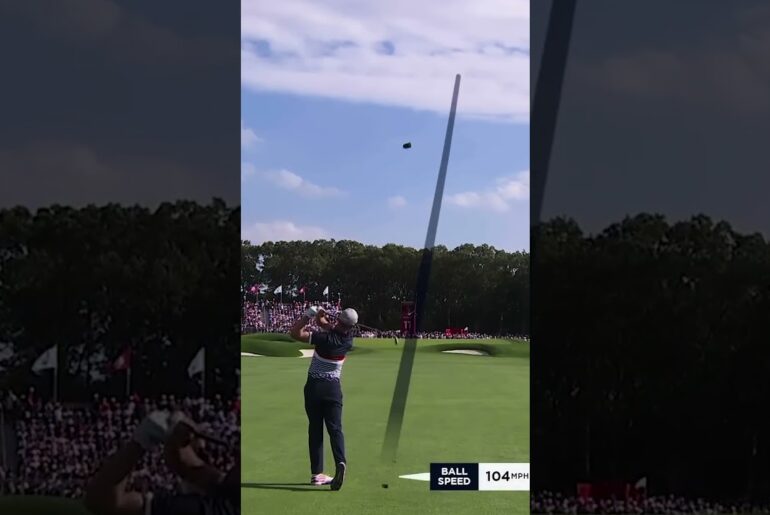
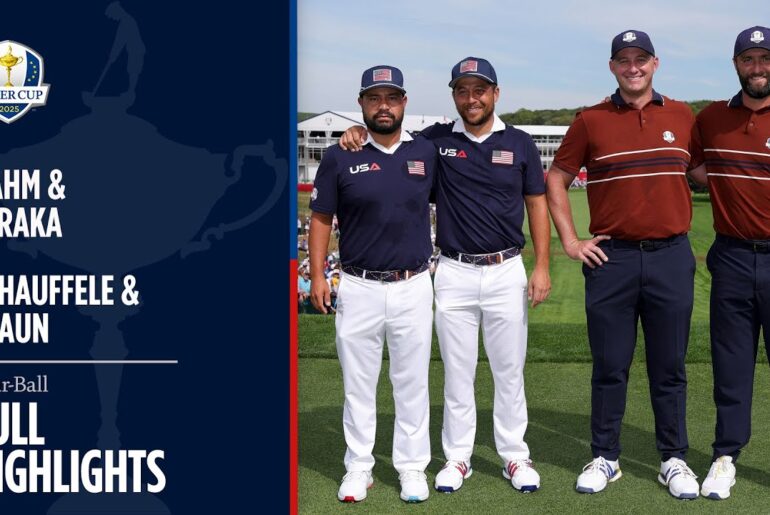

9 Comments
Might even help my game
As a motorsport athlete, this os gold, and all the truth.
I’m compulsively counting how many times people say ‘like’ in conversation—it feels obsessive. How can I stop?
Wish they would have covered this.
Sounds like a lot of peoples achievements are empty because they always want more like you said “ you are never satisfied “ when you work on yourself you’ll know longer need external validation to feel good about yourself anymore.
Dear Rick.
You need to understand that you have engaged golfers on the other side of the world 🌎 about our beautiful game called golf ⛳️
Theres nothing better than popping a podcast of yours hitting a bucket of balls, having a chip…. ect…. ect…
Please give beautiful Tasmania, Australia 🇦🇺 a plugin ❤⛳️⛳️⛳️⛳️⛳️⛳️
Great content, thanks 🫶🔥
I don't have enough money to hire a sports psychologist to help me. My golf mind got so bad that after 55 years of playing golf, I gave it up cold turkey. It was bad and was negatively effecting everything I did. That was 3 years ago. It was tough. I didnt read or watch any golf at all nor play for the 1st year. Nowadays, I watch the Majors on TV and a little bit of YouTube golf but that's it. I'm done with it for good. I was super happy to see Rory and Tommy get over their humps.
Tom Young, great soup, better psychologist
Great listen and fully agree with it being a mental game.
I play off 16 and I was 1 under through 5 on Saturday and as soon as my friend highlighted that I then went triple / double bogey.
I went on to shoot 84 on a par73, but looking back there was absolutely no reason for the score on those 2 holes.
Perhaps I need listen and practice on the Bob Rotella and Jonathan Adler audio books I have. 🤦🏻♂️