
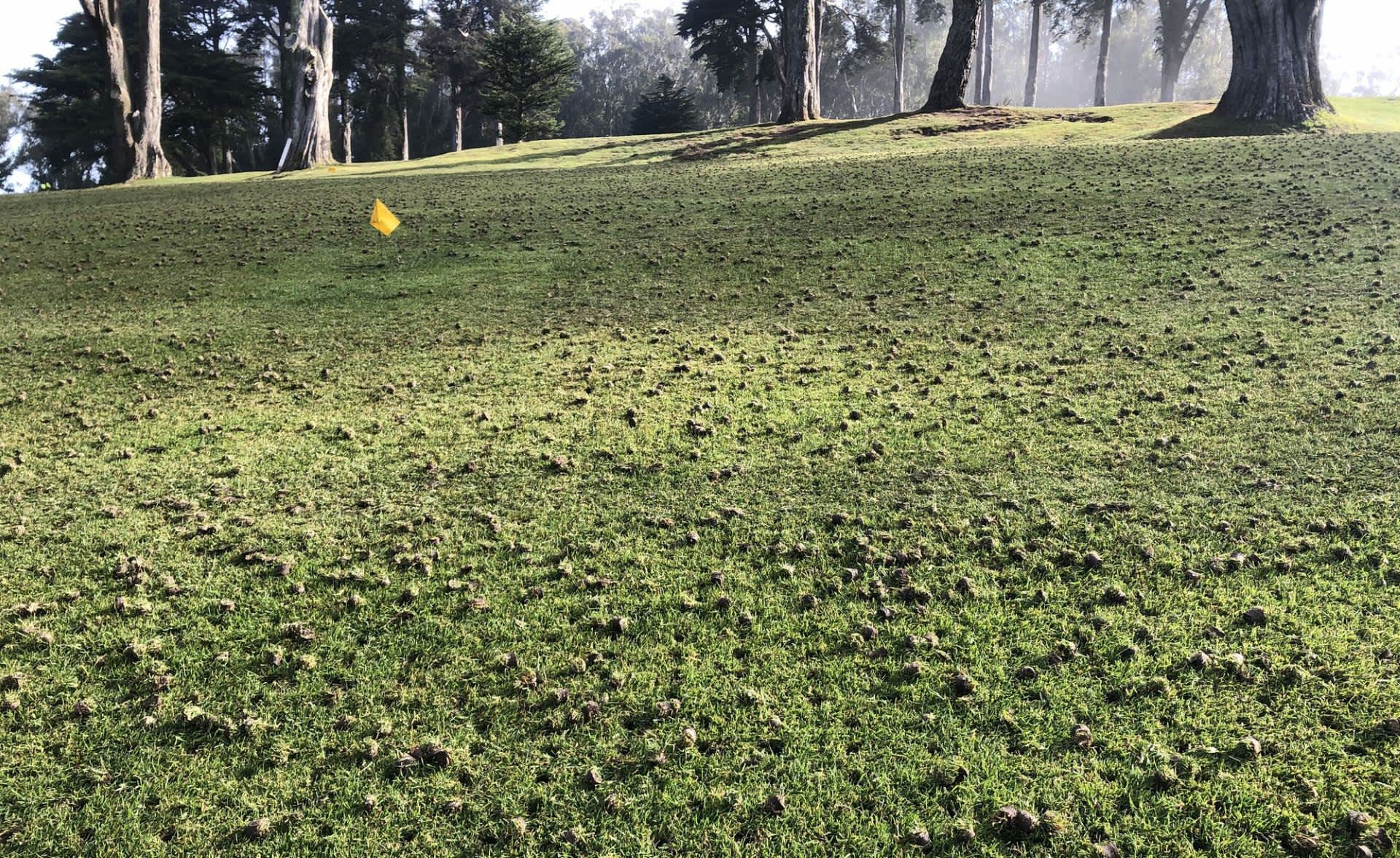
A study of marginalized lands in Washington has revealed that these largely unattended areas serve an important ecological function.
Marginal lands refer to pockets of land with very little agricultural or industrial value, often held by governments and municipalities. The land has poor soil, pollution, a suboptimal location, or other undesirable attributes that limit its value. What those lands may lack in economic potential, they could make up for with ecological value. The study examined how marginal lands in the Puget Sound area provide a haven for pollinators.
The seven-year study examined three plots: one a disused golf course, and the other two were spots near airports. Researchers found a trove of bee species, some of which were recorded for the first time in the area. David Crowder of Washington State University said in Phys.org that an abandoned golf course might not hold any appeal to a developer, but “it has 118 bee species in it, some that have never been seen before in the state.”
Wildflowers thrive in spaces left untouched by human hands, and the paper determined they actually house more pollinators than actively managed parks. The research comes as several important pollinators are struggling amid excessive development and warming global temperatures in the Western Hemisphere. It’s not the only example of abandoned golf courses finding a new lease of life as a space for wildlife.
When people are removed from the equation, wildlife tends to thrive.
Take the demilitarized zone between North and South Korea as an example. Since the 1953 armistice, over 6,000 species, of which over 100 are endangered, have taken up residence, making it one of the world’s most peculiar biodiversity hotspots. Nature is incredibly resilient and adaptable, and just needs a little space to recover.

Kelvin is the Apple of space heaters, designed for energy efficiency and maximum comfort. It’s completely silent and intelligently controlled, with setup taking just 5 minutes.
Built from premium materials like aluminum and glass, Kelvin works beautifully as a full-home heating system or as the perfect solution for that one room that never feels warm enough.
The paper concluded that marginal lands could be a key component in local efforts to boost the pollinator population: “Marginal lands may provide a key tool for urban pollinator restoration, especially given that little pollinator-specific maintenance on the land is required.”
💰Get TCD’s free newsletters for easy tips to save more, waste less, and make smarter choices — and earn up to $5,000 toward clean upgrades in TCD’s exclusive Rewards Club.